
A well-chosen decorative vase acts as a bridge between your functional furniture and your overall design vision. Matching the right vase style to your home interior theme requires observing your existing spatial elements—such as material finishes, geometric lines, and color palettes—and selecting a piece that either harmonizes with or intentionally contrasts against them. By taking a structured approach to evaluating your space, you can select a decorative vase that elevates your room’s aesthetic without clashing with its foundational design.
Identify Your Core Interior Design Theme
To begin your selection process, take a step back and observe the dominant design elements already present in your living space. Look closely at your existing furniture lines, primary materials, and the overall color palette. For instance, if your room features light-toned wood, minimalist storage units, and plenty of natural light, it likely aligns with Scandinavian or Japandi design principles. Identifying these foundational elements establishes a clear baseline, helping you avoid purchasing a piece that feels out of place.
Distinguishing the core characteristics of common themes makes it easier to narrow down your choices. Scandinavian design typically emphasizes clean lines, functional simplicity, and light neutral tones. Japandi blends this minimalism with traditional Japanese aesthetics, focusing on natural textures, organic shapes, and warm, earthy undertones. Meanwhile, industrial styles embrace raw, unfinished elements like exposed concrete, dark metals, and distressed wood, creating a completely different backdrop for home decor.
Products mentioned in this guide
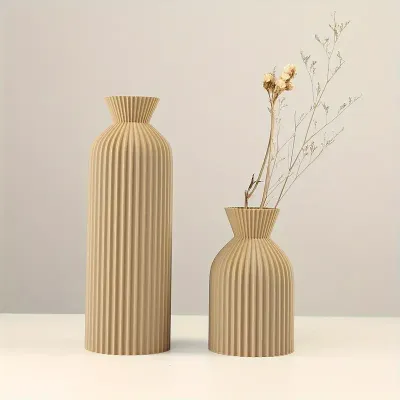
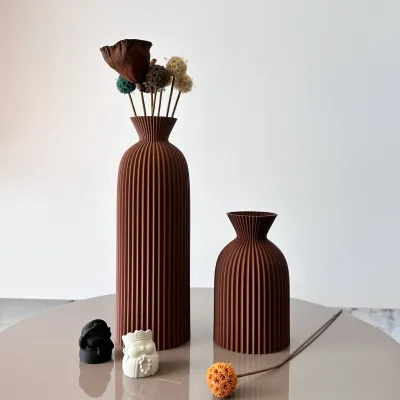
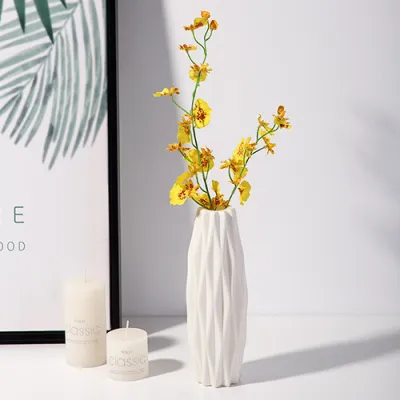
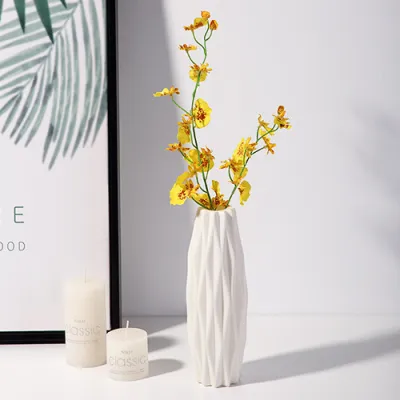
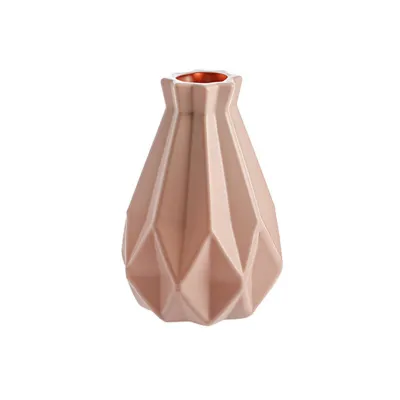
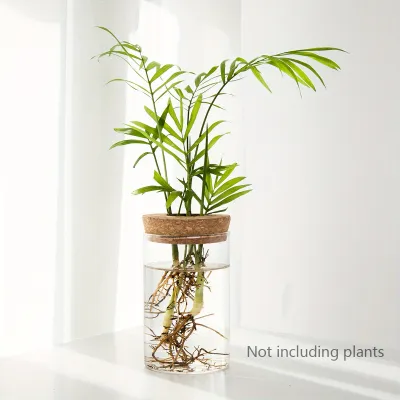
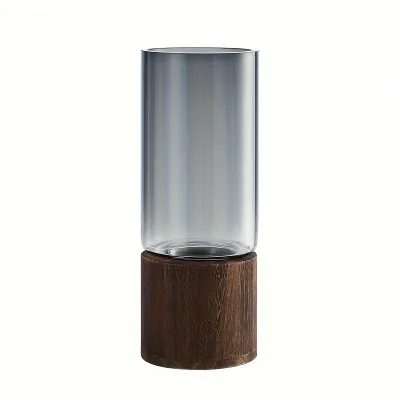
Prices are valid at publication and may change. Please refer to the product page for the latest price.
Finally, determine whether your room’s current vibe leans towards warm and organic or cool and structured. Warm, organic spaces benefit from accessories that feel handcrafted and tactile, which helps reinforce their cozy, inviting nature. Cool, structured rooms, such as those with modern contemporary or high-tech minimalist themes, require sleek, refined accessories that maintain their sophisticated, polished edge. Understanding this distinction prevents you from introducing a jarring texture that disrupts the room’s established flow.
Match Vase Materials and Textures to Your Space
The material of your decorative vase dictates how it interacts with light and surrounding furniture. For homes embracing Japandi, rustic, or wabi-sabi aesthetics, unglazed ceramics, terracotta, and raw stone are ideal choices. These materials introduce tactile warmth and organic imperfections, such as subtle pitting or color variations, which soften hard architectural lines. They ground a room, making it feel more connected to natural elements.

In contrast, minimalist, industrial, or contemporary spaces call for materials with clean reflections or structural weight. Clear glass, smoked glass, and brushed metals like brass or matte black steel enhance these modern environments. Glass allows light to pass through, keeping small spaces feeling open and airy, while metallic finishes add a touch of refined sophistication. If you are placing a vase in a damp area like a bathroom, ensure the material is non-porous and moisture-resistant to prevent mold or water damage.
Consider how the vase’s surface texture interacts with your existing finishes. A rough, sandy ceramic vase creates a beautiful tactile contrast against a smooth, polished quartz countertop or a glass coffee table. Conversely, a high-gloss glazed vase can add a touch of luxury to a matte-finished wooden sideboard. Balancing these textures ensures that your decor layers feel rich and intentional rather than flat or repetitive.
Select Vase Shapes for Visual Balance and Flow
The silhouette of a decorative vase influences the visual flow of a room. If your living space is dominated by sharp angles, rectangular coffee tables, and linear shelving, introducing organic, curved, or asymmetrical vases can soften the overall look. These flowing shapes break up visual monotony, guiding the eye gently through the space and creating a more relaxed, comfortable atmosphere.
For homes that celebrate structured order, such as industrial or ultra-modern themes, geometric and angular forms work beautifully. Cylindrical, cuboid, or faceted vases echo the architectural lines of the room, reinforcing a sense of deliberate, clean design. These structured shapes look particularly striking when placed on symmetrical consoles or aligned along a minimalist floating shelf.
Always evaluate the visual weight of the vase shape relative to the furniture it sits on. A bulky, solid stoneware vase might overwhelm a delicate, glass-topped side table, making the setup look top-heavy. On the other hand, a thin, spindly glass bud vase will easily get lost on a substantial, solid oak dining table. Aim for a balanced proportion where the vase feels anchored but not overbearing.
Coordinate Colors and Finishes with Your Room Palette
Color coordination is key to making your decorative vase feel like an intentional part of the room rather than an afterthought. To maintain the serene, uncluttered atmosphere of Scandinavian or minimalist interiors, opt for monochromatic or tonal variations. Selecting a vase that is a few shades lighter or darker than your wall color creates a subtle, sophisticated layer without introducing visual noise.
If your room features a neutral palette and you want to create a focal point, use high-contrast colors or striking matte-to-gloss transitions. A bold, charcoal-black ceramic vase on a pristine white console table immediately draws the eye, serving as an artistic anchor for the entire wall. This technique allows you to inject personality into a space without committing to large-scale color changes.
Observe how natural daylight and artificial evening lighting alter the perceived color of the vase. In bright tropical daylight, matte surfaces absorb glare, while glossy finishes reflect the sun. Under warm evening indoor lighting, metallic or colored glass vases can cast beautiful, atmospheric shadows across your walls. Testing the vase in its intended spot at different times of day ensures the color remains appealing under all lighting conditions.
Plan Safe and Effective Vase Placement
Before placing your decorative vase, assess the load-bearing capacity and slip-resistance of the chosen surface. Heavy ceramic, concrete, or stone vases require sturdy shelving or solid tabletops. Adding discreet silicone bumpers or a non-slip felt pad to the base of the vase protects your furniture from scratches and prevents accidental sliding. If you plan to install hanging wall vases or suspended planters, always follow the manufacturer’s weight limits, use appropriate wall anchors, and consult a qualified professional for secure mounting to avoid falling hazards.
In high-traffic areas like narrow entryways, hallways, or homes with active pets and young children, safety must be a priority. Avoid placing fragile glass or top-heavy vases on the edges of consoles or low coffee tables. Instead, opt for shatter-resistant materials or secure the pieces on higher, stable shelving units. If you are using an illuminated decorative vase with integrated LED lighting, always verify the voltage compatibility, wattage limits, and electrical certification before plugging it into your wall outlets.
Finally, balance the visual weight of the vase based on whether you plan to display it empty or styled. An empty vase relies entirely on its form and material for impact. If you add tall dried botanicals, eucalyptus branches, or heavy structural stems, ensure the vase’s base is wide and heavy enough to prevent tipping under the added height and weight.
Frequently Asked Questions (FAQ)
Can I mix different vase styles in the same room?
Yes, you can successfully mix different vase styles in the same room by establishing a unifying element. To keep the collection cohesive, ensure the pieces share a similar material, color palette, or surface finish. For example, grouping three vases of different heights and shapes works beautifully if they all feature a matte white ceramic finish. Limit the number of contrasting styles to two or three to prevent visual clutter and allow each piece to stand out.
How do I choose the right vase size for a specific shelf or table?
To choose the right size, apply the rule of thirds: the height of your decorative vase should ideally be about one-third to one-half the height of the space or wall area behind it. For tabletops, ensure the vase does not exceed two-thirds of the table’s width to maintain balance. Always leave adequate negative space around the vase so the arrangement has visual breathing room and does not look crowded against other decor items.
Community discussion
Share your experience or ask a question. Comments are reviewed before publication.