
Selecting the ideal feng shui items for your home is a personal process that blends cultural tradition with interior design. These sculptures and figurines serve as beautiful aesthetic focal points and daily visual reminders of your personal aspirations, whether you want to cultivate abundance, focus on professional growth, support your well-being, or foster harmony in your relationships. By understanding the symbolic history of these traditional motifs and evaluating how they fit into your physical living space, you can make an intentional purchase that enhances both your decor and your daily mindset.
Identify Your Primary Intention Before Buying
Before browsing online marketplaces or local decor boutiques, clarify your primary life goal. Attempting to address wealth, career, health, and relationships all at once with a crowded display of figurines can lead to visual clutter. In interior design, a cluttered space disrupts the visual flow of a room, which runs counter to the core principles of creating a balanced, peaceful home environment. Focus on one or two key areas where you desire the most focus right now.
Once you have identified your main intention, assess the physical space where you plan to display the sculpture. Measure the surface area of your entryway console, living room shelving, or study desk to ensure the item will fit comfortably without obstructing daily activities. Consider the weight of the item as well; heavy stone or metal sculptures require sturdy, load-bearing furniture, whereas lighter resin or wooden pieces are more versatile but may be easily tipped over in high-traffic areas.
Products mentioned in this guide
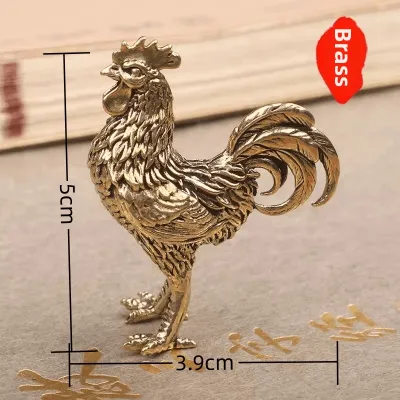
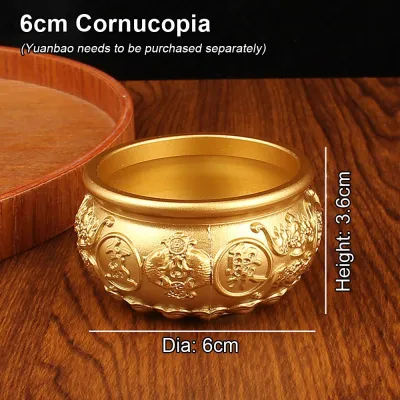
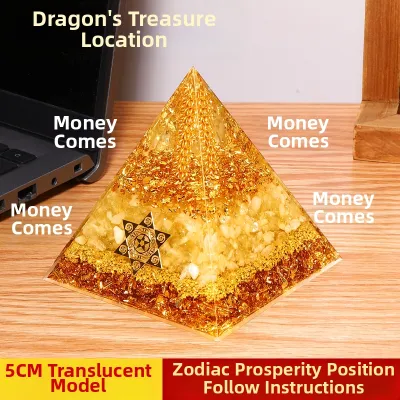
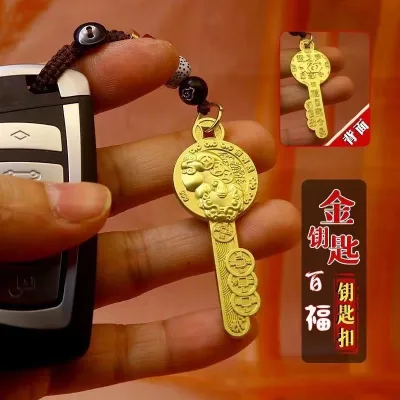
Prices are valid at publication and may change. Please refer to the product page for the latest price.
Setting a realistic budget is another essential step. High-quality feng shui items are crafted from a variety of materials, ranging from molded resins to premium hand-carved jade, cast bronze, or delicate porcelain. Base your budget in S$ on the craftsmanship, material durability, and how well the piece complements your existing home decor, rather than expecting a higher price tag to yield greater mystical returns.
Match Traditional Symbols to Your Specific Goals
Traditional feng shui figurines are rich with historical symbolism, acting as cultural touchstones that represent different facets of a balanced life. To choose the right piece, it helps to understand what these classic motifs traditionally represent and how they can be integrated practically into your home’s layout.

Wealth and Prosperity Symbols
If your primary focus is financial abundance, business success, or career opportunities, several traditional motifs are highly regarded for representing prosperity. The Pixiu, a mythical winged lion, is traditionally depicted with a voracious appetite for gold and silver, symbolizing the accumulation and preservation of wealth. Other popular options include the classic gold ingot, which mimics the boat-shaped currency of ancient China, and the laughing Buddha, often shown holding a sack of riches or a gold ingot to represent joy and material contentment.
When displaying wealth symbols, cultural convention typically suggests placing them in prominent, active areas of the home, such as facing the main entrance or near an entryway console. This placement is thought to welcome positive energy and opportunities as you enter the house. If you choose a Pixiu, it is traditionally positioned facing outward toward the door or window rather than directly at the residents.
From a practical decor perspective, always verify the structural stability of these pieces, especially if they are placed on narrow entryway shelves or floating consoles. Heavy brass or solid stone figurines can pose a safety hazard if they are not securely balanced. Ensure the shelf is rated for the item’s weight, and consider using a small non-slip mat underneath to keep the sculpture secure when the front door is opened and closed.
Career and Academic Success Symbols
For those seeking professional advancement, academic excellence, or stability in a demanding job, symbols of wisdom and endurance are ideal. The Dragon Tortoise, featuring the body of a tortoise and the head of a dragon, represents a powerful combination of longevity, determination, and career support. Another classic motif is the pagoda tower, which is historically associated with academic focus, mental clarity, and successful examinations.
These items are best suited for quiet, focused environments such as home offices, study desks, or library shelves. Placing a Dragon Tortoise behind your desk chair is a traditional way to symbolize strong backing and support in your career, while a pagoda tower is often placed on the desk itself to encourage concentration. Ensure these items do not obstruct your workflow, block your computer monitor, or interfere with your desk lamp’s light path.
Before purchasing a desk sculpture, check its base footprint and height. A desk is a high-use surface where papers, laptops, and coffee mugs are constantly moved around. A tall, top-heavy pagoda tower with a narrow base can easily be knocked over during a busy workday. Opt for a piece with a wide, stable base, and position it away from the desk’s edges to prevent accidental falls that could damage both the sculpture and your flooring.
Health and Longevity Symbols
When your goal is to cultivate a sense of vitality, peace, and physical well-being, look for symbols that represent longevity and protection. The Wu Lou, or bottle gourd, is one of the most enduring symbols of health in traditional Chinese culture, historically used by travelers to carry water or medicine and associated with the Daoist immortals. Other common motifs include the deer, which symbolizes grace and long life, or representations of the pine tree and crane.
To preserve the physical integrity of these health symbols, place them in well-ventilated, dry areas of your home, such as a living room side table or a bedroom dresser. Avoid placing them in high-humidity environments like bathrooms or directly next to kitchen stoves, as excessive moisture and heat can cause materials like wood to warp, metals to tarnish, or painted finishes to peel.
It is important to remember that these sculptures are purely decorative items designed to enhance your living environment and serve as positive visual cues. They do not possess medical properties and must never be used as a substitute for professional medical advice, prescribed treatments, or healthy lifestyle choices. If you or a family member are experiencing health concerns, always consult a qualified healthcare professional.
Relationships and Harmony Symbols
To foster love, partnership, and peaceful family dynamics, traditional feng shui emphasizes paired motifs and symbols of unity. Mandarin ducks, always displayed in pairs, are classic symbols of lifelong devotion and marital harmony because these birds are believed to mate for life. Similarly, sculptures depicting double fish or specific floral motifs like peonies represent affection, mutual respect, and emotional connection.
These relationship symbols are most effective when placed in shared living spaces or the main bedroom, where they can contribute to a relaxing and harmonious atmosphere. When selecting a pair of figurines, consider how their colors and materials blend with your existing bedroom decor. Soft, warm lighting and a balanced color palette can enhance the calming effect of these decorative pieces, making the space feel more inviting.
Because relationship symbols are often sold as delicate ceramic, porcelain, or glass pairs, extra care must be taken regarding their placement. Avoid placing fragile figurines on low bedside tables if you have active pets or young children who might accidentally knock them over. If you display them on a dresser, ensure they are set back from the edge, or secure them with a small amount of removable museum wax to keep the pair safely intact.
Evaluate Material, Size, and Placement Requirements
Selecting the right feng shui sculpture involves more than just choosing a symbol; you must also evaluate the physical characteristics of the material to ensure it suits your home’s environment. Common materials include molded resin, glazed ceramic, natural wood, and cast metal, each offering distinct advantages and maintenance needs. Resin is lightweight, highly detailed, and resistant to moisture, making it an easy-to-maintain option for most rooms. Ceramic and porcelain offer a classic, elegant look but are highly fragile and susceptible to chipping if mishandled.
Natural wood sculptures bring a warm, organic feel to a space, but they are sensitive to environmental changes. Wood can warp or crack if exposed to direct sunlight for extended periods or if placed near air conditioning vents and heaters. Metal figurines, such as those made of brass or bronze, are incredibly durable and heavy, but they can tarnish or develop a patina over time when exposed to humid air. Always read the manufacturer’s care label or product manual to identify safe cleaning agents, as harsh chemical cleaners can strip away protective lacquers, painted details, or gold leaf finishes.
Before finalizing your purchase, verify that the item’s dimensions and weight are fully compatible with your intended furniture. A heavy stone sculpture placed on a delicate glass-top table can cause structural failure, while an oversized figurine on a narrow shelf can look visually overwhelming and risk falling. To protect your furniture from scratches, apply adhesive felt or anti-slip silicone pads to the bottom of the sculpture’s base. For added security in busy households, a small amount of clear museum wax can temporarily secure the item to the shelf without damaging the wood or paint finish.
When to Reassess or Adjust Your Decor
Your home decor should evolve alongside your life circumstances, and your feng shui sculptures are no exception. Over time, look for visual signals that indicate your figurines need attention. Dust buildup, fading paint from sun exposure, minor chips, or tarnishing are clear signs that an item needs a gentle cleaning or, in some cases, replacement. A dusty or damaged sculpture can detract from the clean, uplifting aesthetic you want to maintain in your living space.
You may also want to adjust the placement of your items when you rearrange your furniture, move to a new home, or experience a shift in your personal goals. For example, if you have successfully transitioned careers and now want to focus on family harmony, you might move your career symbols to a secondary study area and bring relationship or health motifs into your main living spaces. When relocating an item, always ensure the new spot meets its environmental requirements, such as avoiding direct sunlight for wooden pieces or high humidity for metals.
If you own a valuable, antique, or highly complex multi-piece sculpture set that becomes damaged, avoid attempting complex DIY repairs with standard household glues, which can permanently ruin the material. Instead, consult the original manufacturer’s care guidelines or contact a professional art restorer. They can provide specialized advice or restoration services to safely repair the piece without compromising its material integrity or aesthetic value.
Frequently Asked Questions (FAQ)
Can I display multiple feng shui items with different intentions in the same room?
Yes, you can display multiple items with different intentions in the same room, provided you maintain a clear visual hierarchy and avoid overcrowding. To keep your decor looking cohesive, group similar materials or color palettes together, and leave ample empty space around each piece so they do not compete for attention. For instance, you might place a small wealth symbol near your entryway and a subtle health motif on a living room side table, ensuring each item has its own dedicated space to shine without creating visual clutter.
Do feng shui sculptures require special activation or cleansing routines?
While some traditional cultural practices involve symbolic activation or cleansing rituals, from a practical home decor perspective, the most important routine is regular physical maintenance. Keeping your sculptures free of dust and grime by wiping them gently with a dry microfiber cloth is the best way to maintain their appearance. Always refer to the manufacturer’s instructions for material-specific care, and avoid using harsh chemical sprays or soaking delicate materials in water, as this can permanently damage painted details, glazes, or protective coatings.
Community discussion
Share your experience or ask a question. Comments are reviewed before publication.