
Selecting a home ash tray is an exercise in balancing utility with visual harmony. Instead of viewing it as a purely functional object to be hidden away, modern interior design treats the ash tray as a small-scale sculptural artifact. By aligning its material, shape, and finish with your room’s overarching aesthetic, you transform a utilitarian item into a cohesive design statement.
To achieve this balance, you must look beyond basic utility to evaluate how different designs interact with your existing furniture, lighting, and decor. A well-chosen tray does not merely sit on a surface; it anchors the space, reflecting your personal style while safely fulfilling its practical purpose.
Identifying Your Core Interior Design Theme
Before browsing online marketplaces or local decor boutiques, take a step back to evaluate the dominant design language of your living space. Every room has an underlying theme—whether it is the clean lines of minimalism, the rugged textures of industrial design, the warm nostalgia of mid-century modern, or the layered patterns of bohemian style. Identifying this core theme prevents impulsive purchases that clash with your existing environment.
Products mentioned in this guide

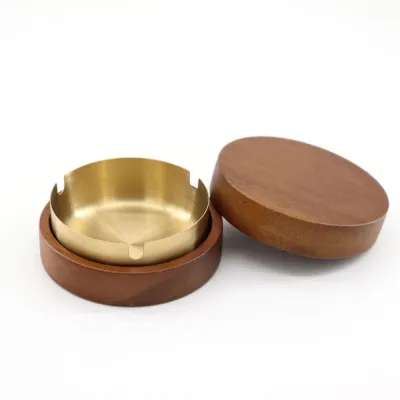

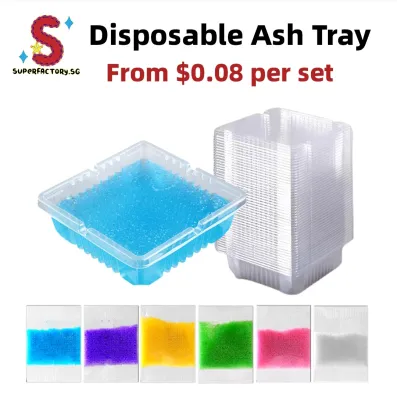
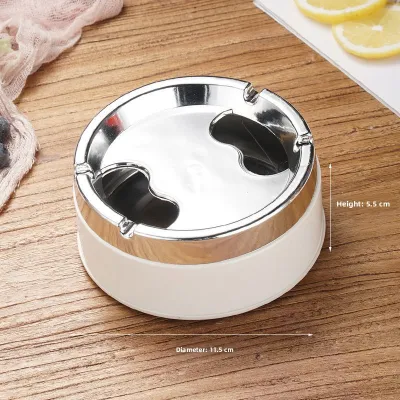
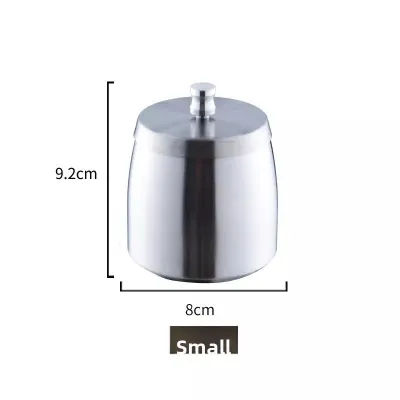
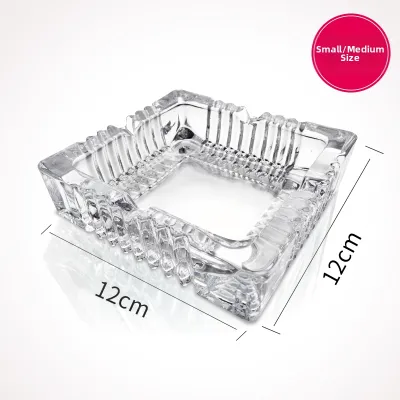
Prices are valid at publication and may change. Please refer to the product page for the latest price.
To establish a clear baseline, observe the large-scale elements already present in your room. Look at the materials of your coffee table, the finish of your cabinet hardware, and the dominant tones in your color palette. If your space features matte black steel legs and exposed brick, it leans industrial; if it showcases tapered walnut wood legs and warm mustard accents, it speaks to mid-century modern sensibilities.
A common design mistake is introducing an accessory that fights with these established elements. While accent pieces can provide contrast, they should still share a common thread with the room’s primary design language. For instance, a highly ornate, polished crystal tray might feel jarring on a raw, reclaimed wood table, whereas a heavy concrete or matte ceramic piece would feel grounded and intentional.
Matching Ash Tray Materials and Finishes to Decor Styles
The material of a home ash tray is its most defining visual and tactile characteristic. For contemporary, glamorous, or ultra-modern spaces, glass, crystal, and polished acrylic are excellent choices. These materials interact beautifully with light, offering a clean, reflective quality that enhances a sense of openness. A heavy, geometric crystal tray on a marble surface instantly evokes a classic, sophisticated atmosphere.

If your home embraces an industrial or mid-century modern aesthetic, raw and semi-polished metals like brass, copper, cast iron, or brushed aluminum are ideal. Brass and copper develop a natural patina over time, adding a sense of history and character that aligns perfectly with vintage-inspired spaces. These metals provide a satisfying weight and durability, making them both practical and visually striking.
For minimalist, Japandi, or organic modern interiors, look toward matte ceramics, concrete, and natural stone like travertine or slate. These materials emphasize texture and raw beauty over shine. A hand-thrown ceramic tray with a speckled matte glaze or a solid block of carved travertine brings an earthy, tactile element to a room, reinforcing a calm and uncluttered atmosphere.
Rustic, vintage, and bohemian environments benefit from the warmth of carved wood or textured resin. However, safety is paramount when dealing with combustible materials. If you select a wooden or resin ash tray, ensure it features an integrated, heat-safe metal or glass liner to prevent scorching or fire hazards. Never place hot embers directly against unlined wood or synthetic resins, and always verify the manufacturer’s safety guidelines regarding heat resistance.
Choosing Shapes, Colors, and Textures for Visual Harmony
The silhouette of your ash tray dictates how it directs the eye. Structured, geometric shapes—such as perfect squares, sharp rectangles, or clean cylinders—work best in modern, minimalist, and highly organized rooms. These shapes mirror the architectural lines of contemporary furniture, reinforcing a sense of order and precision.
Conversely, organic, asymmetrical, or freeform shapes are better suited for relaxed, eclectic, or bohemian spaces. A gently curved, hand-formed ceramic dish or a soft, rounded stone tray breaks up the rigid lines of a room, contributing to a casual, lived-in feel. These softer forms invite touch and feel less formal, making them perfect for cozy reading nooks or outdoor patios.
Color and texture play equally critical roles in achieving visual balance. If you want the tray to blend seamlessly into its surroundings, select a neutral tone—such as charcoal, beige, or off-white—that matches the surface it sits on. If you prefer the tray to act as a deliberate focal point, choose a bold, contrasting hue that pulls from accent colors found in your throw pillows, artwork, or rugs.
Consider how the tray’s finish interacts with your room’s lighting. High-gloss surfaces reflect overhead light fixtures and can create bright highlights, which works well in brightly lit, energetic spaces. Matte and heavily textured finishes absorb light, offering a softer, more subdued presence that complements cozy, ambient lighting schemes.
Balancing Functionality with Aesthetic Placement
A beautiful ash tray must still perform its primary duty effectively. When selecting a size, consider both your usage habits and the scale of the surface where it will rest. A tiny, delicate tray will look lost on a massive, expansive coffee table, while an oversized, heavy stone piece might crowd a small side table. Ensure the proportions feel balanced relative to nearby decor.
The choice between an open, sculptural tray and a lidded design involves both aesthetic and practical trade-offs. Lidded ash trays are highly functional for indoor spaces, as they conceal ash and contain odors when not in use, maintaining a clean visual profile. Open designs, on the other hand, showcase the interior craftsmanship of the piece and are ideal if you view the tray primarily as a decorative sculpture that is only used occasionally.
To integrate the tray naturally into your living space, avoid leaving it isolated in the center of a table. Instead, style it alongside other decorative objects to create a curated vignette. Pair a low-profile ceramic tray with a stack of art books and a scented candle, or place a metallic tray next to a small indoor plant. This grouping technique makes the ash tray feel like an integral part of your home’s overall design narrative.
Frequently Asked Questions (FAQ)
Can one ash tray style bridge two different design themes in an open-plan home?
Yes, you can successfully bridge two distinct design themes by selecting an ash tray that features transitional materials or neutral colors common to both zones. For example, if your open-plan space transitions from an industrial dining area to a minimalist living room, a matte black cast iron or a dark concrete tray can serve as a perfect visual bridge. These materials carry the raw, structural weight of industrial design while maintaining the clean, unadorned simplicity required by minimalism. Alternatively, opting for a highly sculptural, neutral-toned ceramic piece allows the object to be viewed as an independent work of art, transcending strict thematic boundaries and blending harmoniously into either space.
How should I clean decorative ash trays to preserve their specific material finishes?
Preserving the finish of a decorative ash tray requires material-specific care to avoid surface degradation. For non-porous materials like glass, crystal, and glazed ceramics, a gentle wipe down with a soft, damp microfiber cloth and mild dish soap is usually sufficient; avoid abrasive scrubbing pads that can scratch polished surfaces. For metals like brass or copper, use a dry or slightly damp cloth to remove ash, and avoid harsh chemical cleaners unless you are intentionally polishing away a natural patina. When dealing with porous materials such as unsealed natural stone, concrete, or carved wood, avoid soaking them in water or using acidic cleaners. Always stop and consult the manufacturer’s specific care instructions to ensure you do not strip protective sealants or damage delicate finishes.
Community discussion
Share your experience or ask a question. Comments are reviewed before publication.