
To choose the right Hooga reed diffuser scent for each room in your home, you must match the fragrance notes to the room’s primary function and environmental conditions. Living rooms benefit from welcoming, balanced woody or light floral notes that appeal to guests. Bedrooms require calming herbal or soft vanilla scents to support rest, while bathrooms need fresh, moisture-resistant citrus or eucalyptus profiles to mask odors. For home offices, clarifying peppermint or rosemary notes help maintain focus. Adjusting the number of reeds based on room size and humidity ensures an optimal fragrance experience throughout your living space.
Understanding Scent Profiles for Different Room Functions
Every room in your home serves a distinct purpose, and the scents you introduce should support those activities. A bedroom is a sanctuary for rest, whereas a living room is a dynamic hub for socializing and relaxation. Aligning the fragrance profile with the room’s primary function helps establish the right mood and prevents sensory mismatch.
Scent families generally fall into floral, woody, citrus, and herbal categories, each carrying unique characteristics. Floral notes tend to offer soft elegance, while woody notes provide grounding warmth. Citrus notes deliver uplifting energy, and herbal notes are excellent for clean clarity. Understanding these basic families allows you to narrow down your choices before making a purchase.
Products mentioned in this guide

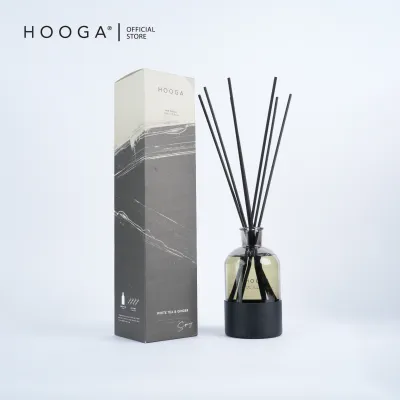

![[ONLINE EXCLUSIVE] Hooga SCENTFUL LIVING Reed Diffuser 180ml | Home Fragrance](https://img.lazcdn.com/g/p/8317d46b06101cb0c714d6b274a8b012.jpg_400x400q80.jpg_.webp)

![[6 NEW SCENTS] Hooga Black Series Reed Diffuser 200ml](https://img.lazcdn.com/g/p/1ffd8c3f6be39df0f302c26adff3be23.jpg_400x400q80.jpg_.webp)

Prices are valid at publication and may change. Please refer to the product page for the latest price.
When shopping, it is highly recommended to check the detailed product descriptions, packaging, or official store labels for specific scent notes. Creative product names do not always clearly indicate the dominant fragrance. Looking closely at the top, middle, and base notes ensures you select a profile that truly matches your expectations.
Selecting Welcoming Scents for the Living Room
The living room is the heart of the home, where family members gather and guests are entertained. In typical apartments and condominiums, this space is often open-plan and connected to dining areas. To create an inviting atmosphere, look for versatile, balanced fragrance notes that appeal to a wide range of preferences.

Mild woody notes like cedarwood, soft florals like white tea, or subtle citrus blends are excellent choices for shared spaces. These scents provide a pleasant background aroma without dominating the room. Avoid overly heavy, intensely sweet, or highly polarizing scents that might overwhelm guests or clash with food aromas from the nearby dining area.
Because living rooms are generally the largest areas in a home, you must consider the room’s size and natural ventilation when setting up your diffuser. If you keep your windows open to enjoy a natural breeze, the scent will disperse and evaporate more quickly. In these well-ventilated setups, you may need to insert five or six reeds to maintain a noticeable presence. If the space is air-conditioned and enclosed, start with fewer reeds to keep the aroma subtle.
Choosing Calming Fragrances for the Bedroom
Your bedroom should be a personal retreat designed to promote relaxation and quality sleep. The fragrances selected for this space should actively support winding down at the end of a long day. Soothing, low-intensity scent profiles work best in this intimate environment.
Seek out relaxing notes that are traditionally associated with comfort and sleep support, such as lavender, chamomile, or warm vanilla. These notes help create a serene, cozy ambiance that signals to your mind that it is time to rest.
Before finalizing your choice, verify that the fragrance blend does not contain highly stimulating or sharp notes. Intense peppermint, eucalyptus, or very bright, zesty citrus can inadvertently keep your mind alert when you are trying to fall asleep. Save those vibrant profiles for your active daytime spaces.
Placement is also crucial for maintaining a gentle background aroma in the bedroom. Position your diffuser on a nightstand, dresser, or side table that sits away from direct airflow. Placing it directly in the path of an air conditioner vent or a fan can cause the scent to blow directly onto your face, which may become irritating or too intense during the night.
Picking Fresh and Odor-Neutralizing Scents for the Bathroom
Bathrooms are highly functional spaces that require a completely different approach to home fragrance. Because these areas are prone to dampness and lingering odors, the ideal scent profile should be exceptionally fresh, clean, and invigorating.
Prioritize clarifying notes like eucalyptus, lemongrass, sea breeze, or bright citrus. These profiles do an excellent job of masking unwanted odors and creating a refreshing, spa-like atmosphere. They help the space feel continuously clean and well-maintained.
However, the unique environment of a bathroom presents challenges for reed diffusers. The high humidity and frequent temperature fluctuations from warm showers can significantly accelerate the evaporation rate of the diffuser oil. The reeds may also absorb moisture from the air, which can occasionally hinder their ability to draw up the fragrance oil effectively.
To protect your diffuser and ensure it lasts as long as possible, place it on a stable, dry shelf or vanity. Keep it safely away from direct water splashes and out of reach of children or pets. Monitoring the liquid level regularly will help you anticipate when the oil needs a top-up due to the humid conditions.
Finding Clarifying Scents for the Home Office
A home office or study requires an environment that fosters concentration, mental clarity, and sustained productivity. The right fragrance can act as a subtle sensory cue that helps you transition into a focused work mindset.
Look for uplifting and clarifying notes such as rosemary, lemon, peppermint, or pine. These herbal and bright citrus scents are excellent for maintaining mental alertness and combating the common mid-afternoon energy slump. They provide a crisp, clean background that keeps the mind sharp without causing distraction.
When positioning your diffuser in a workspace, place it near your desk or on a nearby shelf, but avoid putting it directly under your nose. Having a concentrated stream of fragrance right next to your keyboard can lead to olfactory fatigue or mild headaches during long working sessions.
Adjust the number of reeds carefully to maintain a very subtle background scent. In a smaller study, starting with just two or three reeds is often sufficient to create a productive atmosphere without overpowering the room.
Maximizing Fragrance Dispersion and Safety
To ensure your home fragrance setup is both effective and safe, proper maintenance and placement are essential. Always read the manufacturer’s instructions on the packaging for specific guidelines regarding the recommended number of reeds and how often to flip them.
Always place your diffuser bottle on a stable, flat surface. It is highly recommended to use a ceramic coaster, glass tray, or decorative plate underneath the vessel. Diffuser oils contain concentrated fragrance compounds that can easily strip paint, varnish, or polish off wooden and painted furniture if any oil drips down the side of the bottle during a reed flip.
Monitor the physical condition of your reeds over time. Reeds eventually become darkened, heavily saturated, or clogged with airborne dust, which prevents them from drawing up and dispersing the oil. If you notice the fragrance has faded significantly and flipping the reeds no longer helps, it is time to replace them with fresh ones.
Finally, keep your reed diffusers away from open flames, direct sunlight, and active heat sources. Direct sunlight and heat cause the diffuser oil to evaporate at an unsustainable rate, shortening its lifespan. Furthermore, because diffuser oils are flammable, keeping them away from candles, matches, and hot electrical appliances is a vital safety precaution.
Frequently Asked Questions (FAQ)
Can I use the same Hooga reed diffuser in multiple rooms?
Yes, you can move a diffuser to a different room, and doing so can actually help refresh your scent experience. When you are exposed to the same fragrance in the same room for a long time, your brain naturally tunes it out, a phenomenon known as olfactory fatigue. Moving the diffuser to a new space can make the scent feel prominent and enjoyable again.
However, before relocating a diffuser, consider the remaining liquid volume and the size of the new room. A diffuser that has already lost much of its strength might work perfectly in a small bathroom or study, but it will likely fail to make an impact if moved to a large, open-plan living area.
How do I know when it is time to replace the reeds?
You will know it is time to replace your reeds when they appear visibly darkened, feel completely saturated, or have accumulated a noticeable layer of household dust. From a sensory perspective, if you flip the reeds and still do not notice any fragrance dispersion within a few hours, the internal channels of the reeds are likely blocked.
Generally, reeds should be replaced every few months or whenever you pour a fresh batch of oil into the vessel. Always purchase compatible, high-quality replacement reeds to restore the diffuser’s performance without needing to buy an entirely new decorative bottle.

Community discussion
Share your experience or ask a question. Comments are reviewed before publication.