
Matching a picture frame to your wall art requires balancing the visual weight, historical era, and medium of the artwork with the physical characteristics of the frame. The right frame acts as a transition between the art and your living space, enhancing the colors and composition of the piece without distracting from it. By analyzing the artwork’s style—whether it is a bold contemporary print, a delicate photograph, or a textured oil painting—you can select a frame profile, material, and color that elevates the entire presentation.
Identify the Core Visual Elements of a Picture Frame
To make an informed framing decision, you must first understand the physical components of a frame and how they interact with an image. The profile of a frame—which includes its width, depth, and face shape—determines its visual weight. A wide, deep profile commands attention and pushes the artwork forward, while a thin, flat profile allows the artwork to blend seamlessly into the wall. The edge geometry, such as a sharp bevel or a rounded nose, also influences how light falls across the frame, creating subtle shadows that can either frame the art sharply or soften its transition to the wall.
Material textures play an equally critical role in the overall aesthetic. Natural wood grains offer warmth and organic variation, making them highly versatile for a range of art styles. Polished or brushed metals, such as aluminum or brass, provide a sleek, industrial, or modern feel that reflects light cleanly. Composite materials, including engineered wood or high-quality plastics, offer uniform finishes and are often lighter and more resistant to environmental changes, though they may lack the unique character of natural materials.
Products mentioned in this guide
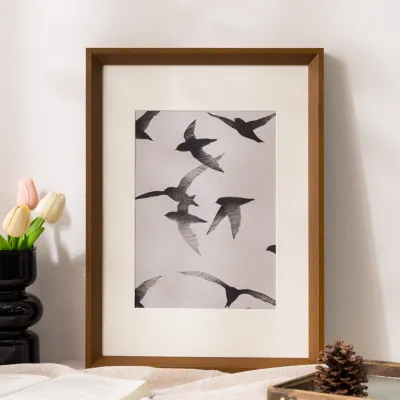
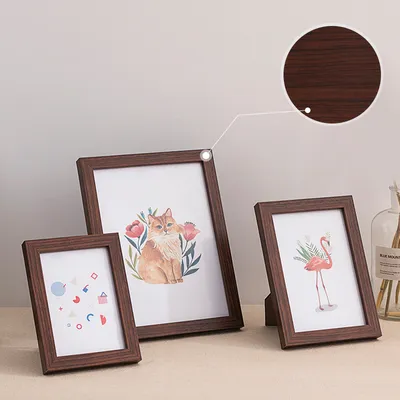
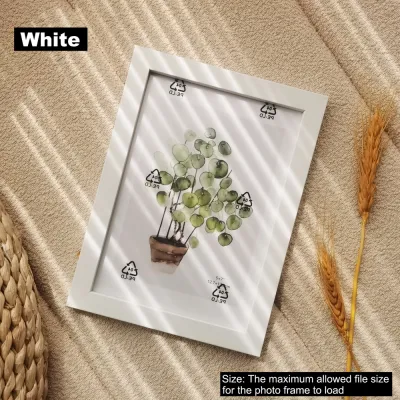
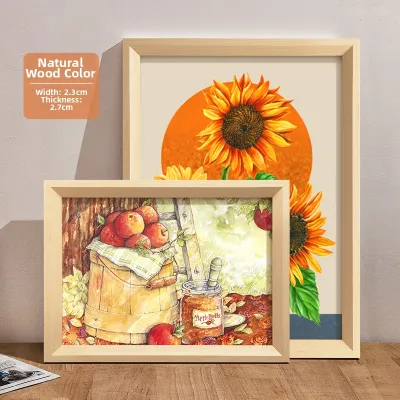
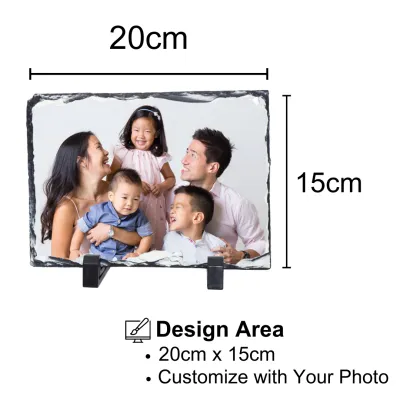
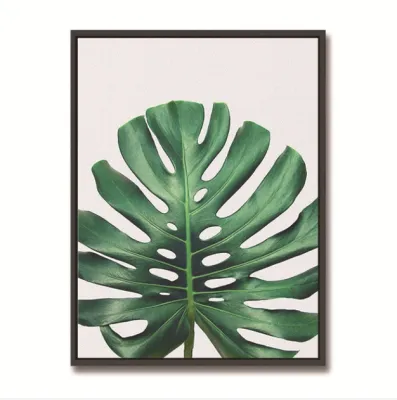
Prices are valid at publication and may change. Please refer to the product page for the latest price.
Color temperature and contrast must be evaluated relative to the dominant tones of your artwork. A warm wood frame can bring out the golden hues in a landscape painting, while a cool-toned silver metal frame can highlight the crisp blues and grays in a modern photograph. High-contrast pairings, such as a black frame around a bright white print, create a bold, graphic border that draws the eye directly to the center. Conversely, low-contrast pairings, such as a light oak frame around a pastel sketch, offer a soft, harmonious look that integrates gently into a room.
Match Frame Profiles to Your Specific Art Style
Different genres of art demand distinct framing approaches to respect their historical context and visual characteristics. Matching the frame’s profile to the art style ensures that the frame supports the artwork rather than competing with it.

Minimalist and Contemporary Art
Minimalist and contemporary artworks rely on clean lines, open space, and simplicity. To preserve this aesthetic, select low-profile frames that maintain focus on the artwork without adding unnecessary visual clutter. Thin metal frames or simple, unadorned wood profiles with flat faces work exceptionally well here, as they provide a clean boundary without drawing attention to themselves.
Avoid ornate details, heavy bevels, or complex carvings, as these traditional elements conflict with the clean lines of modern art. The goal is to let the artwork breathe, ensuring the frame acts as a quiet border rather than a decorative feature. When selecting a frame, always verify the edge clearance and rebate depth to ensure the frame does not overlap or obscure any critical details on the surface of the art.
Traditional and Classical Pieces
Traditional and classical artworks, such as oil portraits, historical landscapes, or detailed still lifes, carry significant visual weight and historical context. These pieces are best complemented by wider, textured, or ornate wood profiles that match their density and complexity. A substantial frame with carved details, gold leafing, or a deep scoop profile helps to contain the rich colors and intricate brushwork of classical art.
When framing these pieces, balance the thickness of the frame with the density of the artwork’s details. A highly detailed painting can easily support a wide, ornate frame, whereas a simpler traditional sketch might require a slightly more subdued, medium-width wood frame to avoid being overwhelmed. Additionally, because wide wood and plaster frames can be exceptionally heavy, always verify the structural integrity of the frame joints and ensure you install robust hanging hardware capable of supporting the substantial weight.
Photography and Fine Art Prints
Photography and fine art prints on paper require a delicate touch to protect the medium while elevating its subtle details. For these pieces, clean, medium-width profiles are ideal. They provide enough structure to anchor the print on the wall without overpowering delicate lines, fine textures, or subtle color gradients.
Because paper-based media is sensitive to environmental factors, ensure the frame is deep enough to accommodate the necessary archival spacing, such as a mat board or spacers. This prevents the delicate print surface from coming into direct contact with the glazing, which can cause sticking or moisture damage over time. Always check that the backing materials and mounting tapes are certified acid-free to prevent yellowing and long-term degradation of the paper.
Coordinate Frame Colors and Materials with Your Room
While the frame must complement the artwork, it must also coexist harmoniously with your interior decor. You can choose to match the frame colors to the dominant or accent tones within the artwork for a cohesive, unified look. Alternatively, selecting a contrasting frame color can create a striking focal point, drawing immediate attention to the piece in a neutral room.
In tropical climates like Singapore’s, environmental factors play a major role in material selection. High humidity can cause solid wood frames to warp or expand if they are not properly sealed, and it can encourage mold growth behind the backing board. If you are hanging art in a non-air-conditioned space or near a window with high humidity, consider using high-quality composite frames or anodized aluminum frames, which are highly resistant to moisture. Additionally, check for direct sunlight exposure, as prolonged UV rays can fade both the artwork and certain frame finishes over time.
Before finalizing your choice, verify the durability and maintenance requirements of the frame material. Polished metal frames may require occasional wiping to remove fingerprints, while intricate carved wood frames can accumulate dust in their crevices, requiring regular gentle dusting. Choosing a finish that matches your maintenance preferences and the room’s environmental conditions ensures your display remains pristine for years.
Enhance Visual Impact and Protection with Matting and Glazing
Matting and glazing are essential components of professional framing that serve both aesthetic and protective functions. A mat board is a cardboard-like border that surrounds the artwork inside the frame. Using a mat board creates visual breathing room, separating the art from the frame and drawing the viewer’s eye inward. More importantly, it provides a physical barrier that prevents the artwork from touching the glass or acrylic glazing, protecting the delicate surface from condensation and ink transfer.
When selecting glazing, you must choose between glass and acrylic based on your specific needs. Glass is scratch-resistant and provides a classic, heavy feel, but it is fragile and can shatter easily during transport or if the frame falls. Acrylic is lightweight, highly shatter-resistant, and ideal for large frames or homes with active pets and children, though it can scratch more easily than glass. Consider the shipping conditions and weight limits of your hanging hardware when making this decision.
To ensure the long-term preservation of your art, check product labels for UV protection and anti-reflective properties. Standard glass and acrylic allow UV light to pass through, which can cause colors to fade and paper to become brittle. Opting for conservation-grade glazing with UV filters blocks a significant portion of harmful rays, while anti-reflective or non-glare coatings reduce distracting reflections from nearby windows and light fixtures, allowing the true colors of your artwork to shine through.
Assemble and Hang Your Framed Art Safely
Assembling and mounting your framed artwork is the final, critical step in creating a beautiful and secure display. Begin by measuring the artwork and the frame’s inner rebates accurately to ensure a snug, secure fit. If the rebate is too shallow, the backing board may protrude, preventing the frame from sitting flush against the wall. If it is too loose, the artwork may shift over time, potentially damaging the edges.
When it comes to hanging, select wall anchors and hardware based on your specific wall type and the total weight of the framed piece. In Singapore, residential walls are commonly constructed of solid concrete, brick, or masonry, which require a masonry drill bit, plastic wall plugs, and sturdy screws to hold heavy frames securely. For drywall partitions, use specialized toggle bolts or hollow-wall anchors. Never rely on simple adhesive hooks for heavy or valuable frames, as humidity can weaken the adhesive over time, leading to falls.
Use a spirit level, a measuring tape, and precise marking tools to align your artwork. For a single piece, the center of the artwork should ideally hang at eye level, which is generally measured around 140 to 150 centimeters from the floor. If you are creating a gallery wall, lay the frames out on the floor first to plan the spacing, keeping a consistent gap of 5 to 10 centimeters between each frame to maintain visual balance.
Safety should always be your top priority during installation. If your artwork is exceptionally heavy, highly valuable, or requires complex mounting systems or structural wall modifications, stop and consult a qualified professional installer. Taking these precautions ensures that your art is displayed beautifully and remains securely anchored to the wall, protecting both the artwork and the occupants of your home.
Frequently Asked Questions (FAQ)
Can I mix different frame styles on a single gallery wall?
Yes, mixing different frame styles can create a dynamic and personalized gallery wall, provided you establish a sense of visual cohesion. You can unify the diverse styles by using a single, consistent mat board color across all pieces, maintaining uniform spacing between the frames, or sticking to a shared color palette, such as mixing different shapes of black and dark wood frames. To keep the arrangement balanced, distribute heavier or wider frames evenly throughout the layout rather than clustering them in one area. Additionally, avoid visual clutter by limiting the number of highly ornate frames, using them as occasional accent pieces among simpler designs.
How do I choose a frame for a canvas painting?
When framing a stretched canvas, you must choose between a floater frame and a traditional rabbet frame. Floater frames are designed specifically for canvases; they mount from the back and leave a small, visible gap around the edges of the canvas, creating the illusion that the artwork is floating within the frame. Traditional rabbet frames, on the other hand, have an inner lip that overlaps the front edges of the canvas, which can hide the staples or unpainted sides of the canvas but will cover a small portion of the artwork. Always measure the exact depth of your stretched canvas to ensure the frame profile is deep enough to fully contain the stretcher bars. Finally, check for secure mounting points on the back of the canvas frame and avoid applying any pressure to the front of the canvas fabric during assembly.
Community discussion
Share your experience or ask a question. Comments are reviewed before publication.