
Finding the perfect round light bulb for your pendant fixture requires balancing physical dimensions, socket compatibility, and electrical safety. A mismatch can lead to a bulb that protrudes awkwardly, fails to light up, or poses a fire hazard. By verifying three core specifications—the base type, the physical clearance of the shade, and the maximum wattage rating—you can confidently select a bulb that functions safely and enhances your interior design.
Quick Compatibility Checklist Before You Buy
Before purchasing a new round light bulb, perform a quick physical and electrical audit of your pendant fixture. First, locate the manufacturer’s rating label, which is typically found on the inside of the canopy, along the cord, or near the socket interior. This label specifies the maximum allowable wattage and the exact base type required.
Next, measure the physical clearance inside the pendant shade using a measuring tape. You need to determine the maximum allowable bulb diameter and total length that can fit comfortably without touching the shade walls.
Products mentioned in this guide
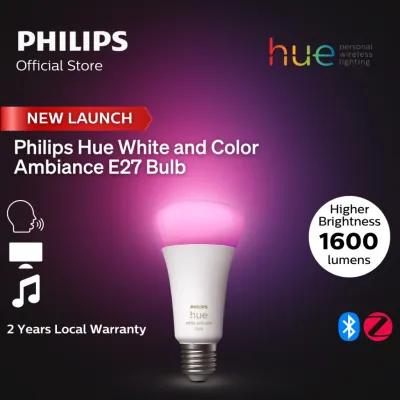
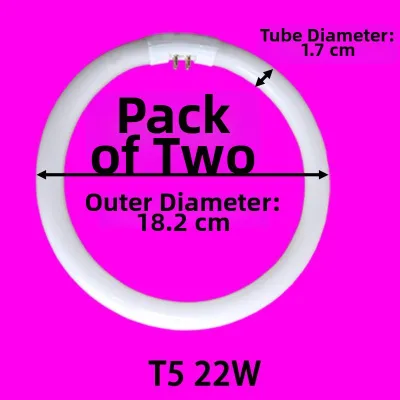
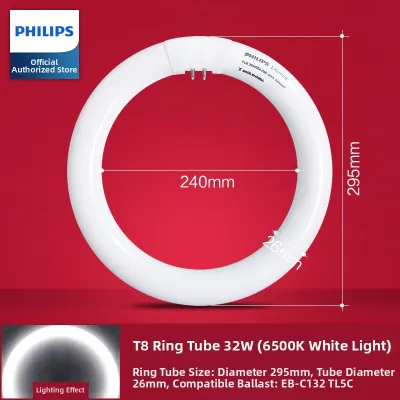
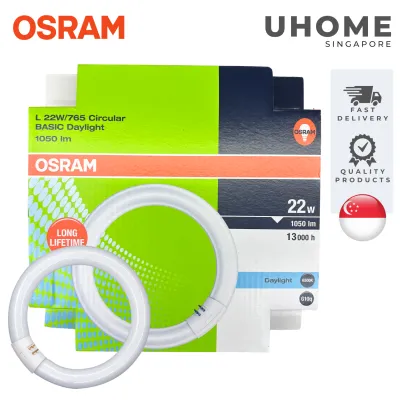
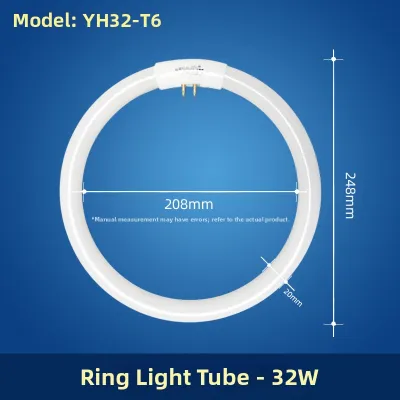
Prices are valid at publication and may change. Please refer to the product page for the latest price.
Finally, verify your local mains voltage—which is standard 230V in Singapore—and confirm whether your wall switch supports dimming. If you plan to use a dimmer, both the fixture’s switch mechanism and the bulb must be explicitly rated as dimmable.
Decoding Round Bulb Size and Shape Codes
Round light bulbs are categorized by standardized alphanumeric codes that indicate their shape and physical size. The letter prefix denotes the shape, with “G” representing Globe (spherical) and “A” representing the classic Arbitrary round shape. The numbers following these letters indicate the bulb’s diameter, usually measured in millimeters in international markets. For example, a G80 bulb has an 80mm diameter, a G95 has a 95mm diameter, and a G125 is a larger 125mm globe.

To ensure a proper fit, measure the internal clearance of your pendant shade before selecting a bulb size. Start measuring from the deepest point of the socket contact to the bottom edge of the shade. Be sure to account for any internal hardware, such as a shade fitter, collar, or harp assembly, which can restrict the space available for wider globe bulbs.
The physical size of the bulb also dictates the visual balance of your lighting design. Oversized globe bulbs, like the G95 or G125, are highly popular for open-bottom or woven Japandi-style shades made of rattan, bamboo, or paper. However, if the bulb is too large, it may protrude awkwardly below the rim of the shade, causing uncomfortable direct glare at eye level. Conversely, a bulb that is too small might look lost inside a voluminous shade, failing to distribute light evenly across the material.
Identifying the Correct Base Type
A round light bulb cannot function without a perfect mechanical and electrical connection to the pendant’s socket. The most common base types are Edison screw bases and bayonet bases. Screw bases are designated by the letter “E” followed by the diameter in millimeters, such as E27 (standard medium screw) or E14 (small candelabra screw). Bayonet bases, common in older fixtures, use a push-and-twist mechanism and are typically designated as B22.
To identify your fixture’s socket type, turn off the power supply at the main distribution board and look inside the empty socket. You can also consult the fixture’s original manual or check the rating sticker on the collar. Never attempt to force a bulb with a mismatched base into a socket, as this can permanently damage the contact points or crack the socket housing.
While thread adapters are commercially available to convert one base size to another, using unverified or low-quality adapters can compromise electrical safety. They often increase the physical length of the bulb assembly, causing it to protrude, and can introduce resistance that leads to overheating. If you discover that your pendant’s socket is cracked, corroded, loose, or completely unidentified, stop immediately. Isolate the power at the breaker and consult a licensed electrician to repair or replace the socket assembly safely.
Checking Wattage Limits and Light Output
Electrical safety must always take priority when matching a round light bulb to your pendant fixture. Every light fixture has a maximum wattage rating printed on its safety label, which indicates the highest level of heat the socket and wiring can safely tolerate. Exceeding this limit is a serious fire hazard, particularly in enclosed or semi-enclosed glass and metal pendants where heat cannot easily dissipate.
When transitioning to modern LED round bulbs, it is vital to distinguish between actual wattage and equivalent wattage. Actual wattage represents the real electrical power the bulb draws from your home’s electrical system, which is exceptionally low for LEDs. Equivalent wattage is a marketing term used to compare the brightness (measured in lumens) to an old incandescent bulb. For safety compliance, always ensure the bulb’s actual wattage—not its equivalent wattage—is well below the fixture’s maximum rated limit.
Additionally, verify that the bulb’s voltage rating matches the standard 230V mains voltage used in Singapore. Installing a bulb designed solely for 110V systems will cause immediate failure and potential electrical hazards. Always check the product packaging or the laser-etched print on the bulb’s base to confirm it is rated for 220V–240V operation.
Choosing Bulb Finishes for Japandi and Minimalist Pendants
Once the technical specifications are matched, you can focus on the aesthetic finish of your round light bulb. The glass finish directly influences how light is diffused and how the pendant complements your interior decor. For minimalist and Japandi-style pendants, which emphasize natural textures and clean lines, the choice of bulb finish is highly subjective but critical for visual comfort.
Clear glass bulbs showcase the internal filaments, making them an excellent match for open-weave rattan, paper, or wire-frame shades where the bulb remains fully visible. However, clear bulbs can produce sharp shadows and intense glare if positioned at eye level. Frosted or opal white glass finishes diffuse the light softly, eliminating harsh glare and creating a calm, serene ambiance that aligns perfectly with Japandi design principles.
Filament-style LED round bulbs, which mimic the warm glow of vintage carbon filaments, are highly effective at highlighting the organic textures of wooden or woven shades. When selecting these bulbs, consider the color temperature, measured in Kelvin (K). A warm color temperature of 2200K to 2700K enhances the cozy, inviting feel of living and dining spaces, while a neutral white of 3000K to 4000K provides clearer visibility for task-oriented areas like kitchen islands.
Frequently Asked Questions (FAQ)
Can I use a dimmable round bulb in a non-dimmable pendant fixture?
Yes, you can generally install a dimmable round bulb in a standard, non-dimmable pendant fixture controlled by a simple on-off switch. In this setup, the bulb will operate safely at its maximum brightness. However, you must never install a non-dimmable bulb in a fixture connected to a dimmer switch. Doing so will cause persistent flickering, buzzing, and premature failure of the bulb’s internal driver, and it may damage the dimmer switch itself.
What should I do if my pendant light socket is unmarked and I cannot find the manual?
If your pendant fixture lacks safety labels and you cannot locate the manufacturer’s instructions, prioritize safety by taking a systematic approach. First, isolate the power at the main breaker, remove the existing bulb if present, and take a clear, high-resolution photograph of the socket interior and the overall fixture. You can bring these images to a specialized lighting showroom where staff can help visually identify the base type. For safety and compliance, hire a licensed electrician to inspect the fixture’s internal wiring, verify its physical condition, and determine a safe maximum wattage limit before installation.
Community discussion
Share your experience or ask a question. Comments are reviewed before publication.