
Matching the right scented candle to your space is about aligning the fragrance family’s characteristics with the room’s primary function and your desired emotional state. In compact, high-humidity environments like Singapore apartments, where air-conditioning and closed windows often trap aromas, selecting the appropriate scent profile becomes even more essential to prevent overwhelming a space. By understanding how woody, floral, citrus, and fresh scent families interact with different rooms, you can easily curate a balanced, inviting atmosphere throughout your home.
Understanding the Four Major Scent Families
To choose the right candle, it helps to understand the four primary fragrance families used in home perfumery. The woody family features grounding, warm, and earthy notes such as sandalwood, cedarwood, patchouli, and vetiver, which evoke a sense of stability and warmth. The floral family is classic and diverse, ranging from light, powdery rose and jasmine to rich, sweet lavender, offering a traditional sense of comfort and elegance. The citrus family is bright, sharp, and instantly recognizable, utilizing notes like lemon, bergamot, grapefruit, and orange to create an uplifting and energetic vibe. Finally, the fresh family encompasses clean, crisp, and airy scents, often mimicking sea salt, fresh linen, rain, or eucalyptus, which bring a sense of openness and clarity to indoor spaces.
While these families provide a helpful framework, fragrance perception remains highly subjective. A scent that evokes cozy warmth for one person might feel heavy or suffocating to another, often influenced by personal memories, cultural backgrounds, and individual olfactory sensitivity. To anticipate how a candle will behave when lit, look closely at the fragrance notes listed on the label. Candles are formulated with top notes, which provide the initial impression and evaporate quickly; middle or heart notes, which form the core character of the fragrance; and base notes, which linger the longest and provide the underlying depth. Understanding this structure allows you to choose a candle that evolves pleasantly over hours of burning rather than relying solely on the first impression.
Products mentioned in this guide

![[Ship in 24hrs] Scented Candles Handmade Dry Flower Soy Aroma Wax Natural Fragrance Candle for Home Decoration Wedding Decor Party Decor Birthday Gift](https://img.lazcdn.com/g/p/0041c74028e3e187f48865702f910316.jpg_400x400q80.jpg_.webp)
![[SG Seller] Scented Candle Aroma Sensation great for birthday gift- Brown Bottle 100g / Dry Flower Handmade Natural Soy Aromatherapy Wax Fragrance](https://img.lazcdn.com/g/p/c1338b95f9a46d4dc9f38d7c17dc1630.jpg_400x400q80.jpg_.webp)

Prices are valid at publication and may change. Please refer to the product page for the latest price.
Best Scent Profiles for Relaxation and Rest
Bedrooms and dedicated relaxation zones require fragrance profiles that encourage the mind and body to unwind. Soft florals and grounding woody notes are widely favored for these spaces because they help establish a quiet, serene sanctuary. Lavender, chamomile, and ylang-ylang are classic floral choices known for their gentle, soothing qualities, while light sandalwood or cedarwood can add a comforting, earthy depth that anchors the room. When these notes are blended thoughtfully, they create a subtle backdrop that signals to your brain that it is time to rest.

Conversely, it is best to avoid highly stimulating or overly intense fragrances in areas meant for sleep. Sharp citrus notes, strong peppermint, or excessively sweet, sugary gourmand scents like heavy vanilla and caramel can keep your mind alert and active, making it harder to transition into a restful state. If you enjoy sweet or warm scents in the bedroom, look for blends where those notes are heavily tempered by soft woods or light musks, ensuring the overall profile remains gentle and unobtrusive.
In typical Singapore bedrooms, which are often compact and frequently cooled by air-conditioning, managing the intensity of the scent is crucial. A large, multi-wick candle can quickly saturate a small room, leading to an overwhelming atmosphere that disrupts comfort rather than enhancing it. For smaller sleeping quarters, opt for single-wick candles, preferably made from soy or coconut wax, which tend to offer a gentler, cleaner scent throw. This ensures the fragrance remains a delicate whisper in the background rather than a dominant force in the room.
Choosing Scents for Focus and Productivity
For home offices, study desks, or creative workspaces, the goal is to foster an environment of alertness, clarity, and sustained energy. The citrus and fresh scent families are highly effective in these settings. Bright notes of lemongrass, bergamot, and grapefruit can help clear morning brain fog and provide a natural mental lift. Similarly, fresh scents featuring eucalyptus, rosemary, mint, or green tea are excellent for maintaining focus, as their crisp profiles help keep the senses engaged during long hours of work or study.
When selecting a workspace candle, avoid heavy, cloying, or overly complex fragrance profiles. Rich, powdery florals, deep oriental spices, or heavy amber notes can create a cozy, sleepy environment that works against productivity. Furthermore, intense or overly sweet scents can become distracting over time, sometimes even triggering mild headaches or sinus discomfort during extended periods of concentration. Keeping the fragrance profile simple, clean, and bright is the most reliable way to support your workflow.
Room ventilation and airflow play a significant role in how a candle’s fragrance behaves in a workspace. If you work in a closed room with the air conditioner running, the scent molecules will concentrate rapidly. To prevent the aroma from becoming too intense, consider burning the candle for short intervals—perhaps thirty to forty-five minutes at a time—to lightly scent the air, or keep a door slightly ajar to encourage gentle air circulation. This approach keeps the atmosphere fresh and conducive to high-level focus.
Creating Ambiance for Social and Living Spaces
Living rooms, dining areas, and entryways are multi-functional spaces where family members and guests gather, requiring a versatile and balanced approach to fragrance. For these shared areas, crowd-pleasing scent profiles that offer broad appeal are ideal. Mild woody blends, such as cedarwood paired with a touch of amber, or fresh, light florals like white tea, ginger, and sage, are excellent choices. These scents provide a welcoming, sophisticated backdrop that feels inviting without demanding too much attention or polarizing your guests.
When hosting, it is important to remain mindful of your visitors’ potential olfactory sensitivities and allergies. Strong, highly concentrated synthetic fragrances can easily trigger sneezing, headaches, or respiratory discomfort for sensitive individuals. To ensure a comfortable environment for everyone, opt for candles made with high-quality, clean-burning ingredients and keep the overall scent throw moderate. Placing the candle in a well-ventilated part of the living room allows the fragrance to disperse naturally and evenly throughout the space.
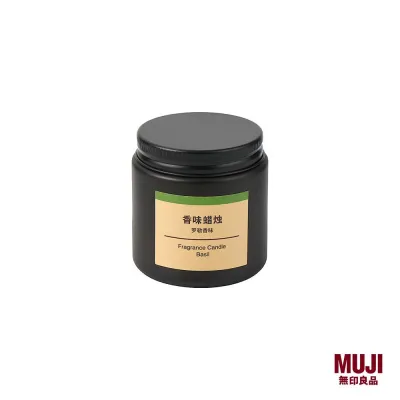
Additionally, pay close attention to how your candle’s scent interacts with food aromas, particularly in or near dining zones. Burning a heavy, musky, or intensely floral candle while serving a meal can clash unpleasantly with the smell of food, detracting from the dining experience. If you wish to have candles on the dining table, the safest choice is to use unscented pillars or tapers to provide a warm glow. If you prefer a scented option, choose very subtle, food-compatible herbal notes like basil, thyme, or light citrus that complement rather than compete with the meal.
Practical Tips for Burning and Placement
To maximize the performance of your scented candles and ensure they burn cleanly, proper usage habits are essential. During the very first burn, always allow the candle to remain lit until the wax melts completely across the top surface to the very edges of the container. This process, known as establishing a full melt pool, prevents “tunneling”—a common issue where the wick burns straight down the center, leaving a hard ring of wasted wax along the sides. Ensuring a complete melt pool on the first burn sets the stage for an even burn and optimal scent throw throughout the life of the candle.
Safe placement is another critical factor in candle care. Always place your candle on a stable, heat-resistant surface to protect your furniture from heat damage. Keep the flame away from drafts, open windows, ceiling fans, and air-conditioning vents, as moving air can cause the flame to flicker excessively, leading to uneven burning, rapid wax consumption, and soot buildup. Ensure the candle is positioned far from flammable materials like curtains, books, or loose papers, and never leave a burning candle unattended, especially in households with active pets or young children.
Maintaining the wick is key to preserving the purity of your candle’s fragrance. Before lighting your candle each time, trim the wick to approximately 5mm using a wick trimmer or scissors. This simple step controls the flame size, prevents the wick from “mushrooming,” and significantly reduces the production of black soot. When it is time to extinguish the candle, avoid blowing it out, which can produce a cloud of acrid smoke that lingers and ruins the pleasant aroma you just created. Instead, use a candle snuffer or a wick dipper to gently extinguish the flame, keeping your indoor air clean and beautifully scented.
Frequently Asked Questions (FAQ)
Can I mix different scented candles in the same room?
Yes, you can layer different scented candles to create a custom fragrance profile, but it requires a thoughtful approach to avoid an unpleasant clash. Mixing highly contrasting, heavy scents—such as a rich, sweet vanilla gourmand with a sharp, medicinal eucalyptus—can easily overwhelm the senses. Instead, try pairing candles that share complementary notes or belong to adjacent fragrance families. A reliable strategy is to combine a simple, grounding woody candle as a base with a lighter citrus or fresh floral candle as a top note, allowing them to blend harmoniously in the air.
How do I prevent scent fatigue when using candles daily?
Scent fatigue, or olfactory adaptation, is a natural process where your brain becomes accustomed to a continuous fragrance and stops registering it. To keep your sense of smell sharp, avoid burning the same candle day after day. Instead, rotate between different fragrance families every few days, switching from a warm woody scent to a bright citrus or a clean, fresh profile. Additionally, limit your candle burning sessions to one or two hours at a time, and ensure your space is periodically ventilated to allow the air to clear, resetting your olfactory senses.
Community discussion
Share your experience or ask a question. Comments are reviewed before publication.