
Choosing the right sculpture or figurine style is the key to transforming a beautiful room into a deeply personal sanctuary. These three-dimensional art pieces act as visual punctuation marks within your home decor, drawing the eye, sparking conversation, and anchoring open spaces. In Singapore’s diverse housing landscape—where airy condominiums and thoughtfully designed HDB flats require clever spatial planning—the right decorative piece can bridge the gap between functional furniture and personal expression. By analyzing the lines, colors, and textures already present in your room, you can select sculptures that either harmonize with your current design or provide an exciting, intentional contrast.
Assess Your Current Home Decor Aesthetic
Before browsing online marketplaces or visiting local design boutiques, you must diagnose the existing design language of your space. Introducing a new sculpture without assessing your current environment often leads to visual discord, making the piece look like an afterthought rather than a curated choice.
Start by analyzing the dominant lines and shapes in your room. Scan your furniture, window frames, and architectural features. If your space is dominated by clean, straight lines, sharp angles, and flat planes, your home leans toward a modern, minimalist, or industrial aesthetic. Conversely, if your space features ornate curves, rounded archways, and soft, plush edges, your home aligns more with traditional, classic, or bohemian design languages.
Products mentioned in this guide
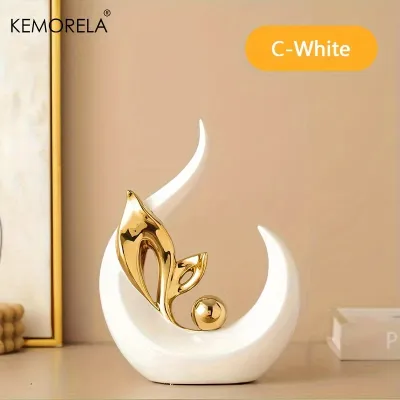
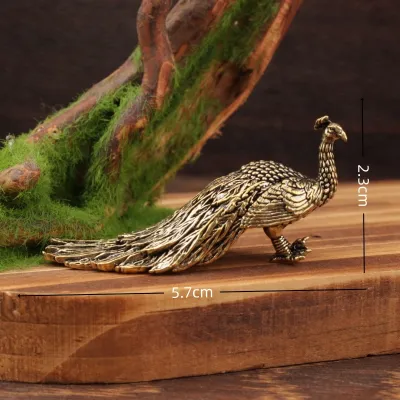
Prices are valid at publication and may change. Please refer to the product page for the latest price.
Next, evaluate your existing color palette, finishes, and textures. Take note of the dominant materials in the room. Are you surrounded by neutral tones, warm wood grains, and matte fabrics, or do you see sleek metals, polished marble, and high-gloss lacquer? A room filled with cool-toned concrete and steel will interact very differently with a warm, hand-carved wooden figurine than a room already rich in mahogany and brass.
Finally, define the overall mood or atmosphere of the space. Decide whether you want to maintain a calming, serene sanctuary, or if you want to inject dramatic, energetic, or cozy vibes. To help you map out your room’s baseline, use this actionable observation checklist before making a purchase:
- Identify the Dominant Line: Are your major furniture pieces geometric and linear, or curved and organic?
- Map the Material Palette: Note whether your room is dominated by warm materials (wood, brass, terracotta) or cool materials (chrome, glass, concrete).
- Gauge the Visual Density: Is your room airy and sparse with plenty of negative space, or is it layered, cozy, and richly detailed?
- Locate the Missing Element: Determine if your room needs a pop of vibrant color, a sense of vertical height, or a tactile, rough texture to break up smooth surfaces.
Match Sculpture Styles to Your Interior Design
Once you have diagnosed your room’s design language, you can begin matching sculpture styles to your interior design. The goal is not to find a piece that perfectly mimics your furniture, but rather one that shares a compatible visual weight and philosophy.

Modern and Contemporary Spaces
Modern and contemporary interiors thrive on bold statements, clean lines, and forward-looking design. For these environments, focus on abstract forms, geometric shapes, and asymmetrical designs that challenge the eye. Look for sculptures that prioritize form and silhouette over intricate, realistic details.
Materials like polished metal, hand-blown glass, or high-gloss resin work exceptionally well in modern spaces. In Singapore’s bright, sunlit apartments, a polished stainless steel or chrome sculpture can catch and bounce natural light, adding dynamic movement to a room. When styling these spaces, select one or two larger, standalone focal points rather than a collection of smaller items, allowing the bold shapes of the artwork to command attention without visual competition.
Traditional and Classic Interiors
Traditional and classic rooms call for a sense of history, symmetry, and refined craftsmanship. In these formal or heritage-inspired spaces, look for realistic figurines, classical busts, animal motifs, or nature-inspired designs that evoke a sense of timeless elegance.
Opt for traditional materials that carry inherent physical and visual weight, such as bronze, marble, cast stone, or intricately carved dark woods like teak or mahogany. A classical plaster bust placed on a dark wood console table, or a detailed bronze animal figurine nestled within a bookshelf, reinforces the room’s sophisticated atmosphere. Focus on pieces with fine detailing and historical references, which help ground the room and give it a curated, lived-in feel.
Minimalist and Scandinavian Rooms
Minimalist and Scandinavian spaces—often characterized by the popular Japandi style—rely on simplicity, functionality, and a close connection to nature. In these highly organized and uncluttered environments, your choice of home decor must be incredibly deliberate.
Look for organic shapes, smooth curves, and muted or monochromatic color palettes that blend seamlessly into the background. Natural, unpretentious materials like matte ceramics, raw concrete, unglazed stoneware, or light-toned woods (such as ash or oak) are ideal. Instead of displaying a large collection of small trinkets, choose a single, meaningful statement piece. A solitary, matte ceramic ring sculpture on a sideboard provides a subtle, tactile focal point that respects the room’s quiet, calming atmosphere.
Eclectic and Bohemian Settings
Eclectic and Bohemian interiors are vibrant, layered, and deeply personal, making them the perfect playground for displaying diverse sculpture collections. These spaces welcome a mix of textures, handmade artisan figurines, and culturally inspired or travel-sourced sculptures.
Do not be afraid to incorporate natural, tactile elements like carved bone, woven rattan, raw stone, or terracotta. Because eclectic spaces feature a wide variety of styles, the secret to maintaining harmony is finding a unifying thread. You can balance varied and unconventional pieces by linking them through a consistent color family, a similar material finish, or a shared thematic story, preventing your collection from looking like a chaotic assortment of random objects.
Evaluate Scale, Material, and Placement
Choosing the right style is only half the battle; the physical attributes of the sculpture and how it sits within the room will ultimately determine its success. Proper scaling, material contrast, and safe placement ensure your new acquisition looks intentional and stays secure.
Scale and proportion are critical when placing a sculpture. Before purchasing, measure your shelf depth, console table width, or available floor space. A tiny figurine placed on a massive sideboard will look visually lost and insignificant, while a massive, heavy bust crammed onto a delicate glass shelf can look physically overwhelming and create a serious safety hazard.
When it comes to materials, you must choose between harmony and contrast. Blending materials seamlessly (such as placing a light oak sculpture on a light oak shelf) creates a soothing, low-contrast look. However, creating intentional contrast often yields more dynamic results. Placing a cold, polished brass sculpture on a warm, rustic wood dining table creates an exciting visual tension that draws the eye.
Consider these strategic placement and safety guidelines to showcase your pieces effectively:
- Eye-Level Positioning: Place smaller, detailed figurines on eye-level shelves or mantelpieces where their intricate craftsmanship can be appreciated up close.
- Secure Heavy Floor Pieces: If you are displaying large, heavy floor sculptures, use sturdy, wide-based pedestals. In households with children or pets, ensure these pieces are weighted or anchored to prevent tipping.
- The Rule of Three: When grouping smaller figurines, arrange them in odd numbers—ideally three—varying their heights, shapes, and textures to create a visually pleasing composition.
- Wall-Mounted Safety: For heavy wall sculptures, always check the manufacturer's installation instructions and use appropriate wall anchors suited for your wall type (such as drywall or concrete). If the installation requires working at heights or handling complex mounting brackets, consider hiring a qualified professional.
- Electrical and Lighting Safety: Highlighting a sculpture with dedicated spotlights or track lighting can create dramatic shadows. If you are installing new lighting fixtures or modifying fixed electrical wiring to illuminate your art, always isolate the mains power before beginning work and consult a qualified electrician.
Lighting also plays a massive role in how a sculpture’s finish is perceived. Natural sunlight and artificial room lighting interact uniquely with different textures. Glossy surfaces like polished metal, resin, or glazed ceramic can produce harsh glare under direct light, making it difficult to see the piece’s actual shape; these are best placed in areas with soft, diffused light. Conversely, textured matte pieces made of rough stone, concrete, or carved wood thrive under directional spotlighting, which casts beautiful, dramatic shadows that highlight the sculpture’s three-dimensional depth.
Common Mistakes to Avoid When Styling Figurines
Even with the most beautiful sculptures, styling mistakes can quickly clutter a room or diminish the impact of your art. Being aware of these common pitfalls will help you maintain a polished, professional look.
One of the most frequent mistakes is overcrowding shelves with too many small figurines. While it can be tempting to display every souvenir and gift you have received, packing shelves tight creates a cluttered, dusty appearance. Instead of a curated gallery, your space ends up looking like a crowded thrift shop shelf. Give each piece breathing room, allowing negative space to frame and elevate the sculpture.
Another common error is ignoring the visual weight of a piece relative to its surroundings. Visual weight is not just about physical size; a small, solid black iron figurine can feel visually heavier than a much larger, hollow sculpture made of clear glass or light rattan. Balance heavier-looking pieces with substantial furniture, and keep lighter pieces on delicate shelving.
Additionally, avoid buying a piece solely because it is a passing trend on social media. Home decor trends come and go rapidly, but a sculpture should reflect your personal taste and the long-term aesthetic of your home. A trendy, brightly colored plastic figurine might look fun online, but if your home is a serene, traditional sanctuary, it will likely feel out of place within a few months.
We must also consider the background behind your sculpture. A dark bronze figurine placed directly in front of a dark charcoal accent wall will completely disappear. Always evaluate the background color, wall texture, or wallpaper pattern behind your display area. Ensure there is enough contrast in color or texture so that your sculpture stands out clearly against its backdrop.
Frequently Asked Questions (FAQ)
Can I mix different sculpture styles in one room?
Yes, you can absolutely mix different sculpture styles in a single room, and doing so often adds rich character and depth to your home decor. To do this successfully without creating visual chaos, look for a unifying element that ties the disparate pieces together. This common thread could be a shared color palette (such as displaying both a modern abstract piece and a traditional bust in shades of white and cream), a consistent material finish (like incorporating brushed brass accents across different styles), or a balanced scale. By maintaining one consistent design variable, you can blend different eras and artistic movements seamlessly.
How do I choose the right size figurine for an HDB or condo shelf?
In compact Singapore apartments, shelf space is often limited, requiring a thoughtful approach to scale. Before purchasing, measure your shelf depth and height carefully, as many built-in HDB or condominium display cabinets feature shallow depths of only 20 to 30 centimeters. To maximize these tight spaces without creating clutter, opt for vertically oriented figurines that draw the eye upward without occupying excessive horizontal surface area. Alternatively, you can utilize floating wall shelves to display lighter pieces, or group a few small miniatures on a small decorative tray to keep them organized and prevent them from accidentally falling off narrow ledges.
Community discussion
Share your experience or ask a question. Comments are reviewed before publication.