
Matching a cultural or religious artifact to the right wooden stand display requires balancing structural support, material compatibility, and environmental protection. Whether you are displaying a delicate Peranakan porcelain vase, a heavy bronze deity statue, or an antique calligraphy scroll, the stand must secure the object without causing physical or chemical degradation over time. By evaluating the physical properties of your artifact and understanding how different wood structures interact with various materials, you can create a display that preserves both the item and its cultural significance.
Choosing the wrong display method can lead to irreversible damage, such as wood warping, chemical staining, or accidental falls. A thoughtful selection process ensures that your treasured items remain safe while being presented in a way that honors their historical and aesthetic value.
Assess Your Artifact's Weight, Size, and Sensitivities
To select the ideal wooden stand display, begin by taking precise measurements of your artifact’s base footprint, overall height, and center of gravity. A stand with an inadequate surface area can cause the object to overhang, creating an unstable setup prone to tipping. For top-heavy items, such as tall statues or slender vases, the stand’s platform must extend slightly beyond the artifact’s widest point to lower the overall center of gravity and provide a reliable foundation.
Products mentioned in this guide
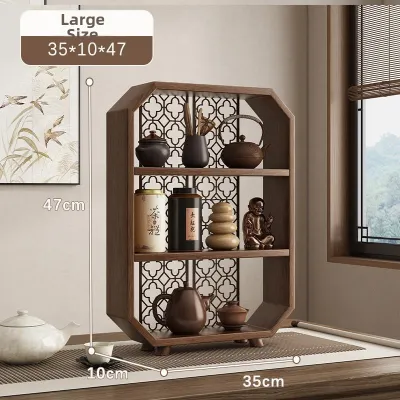
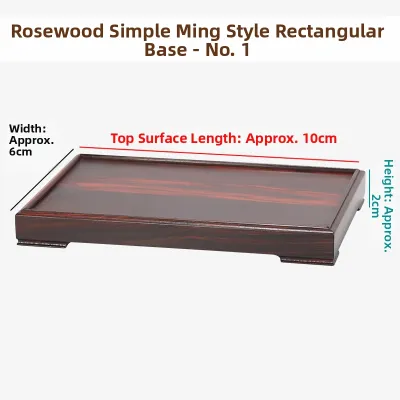
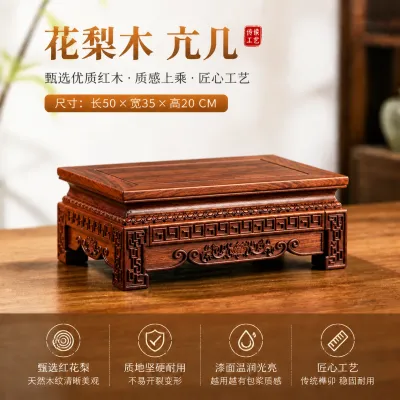
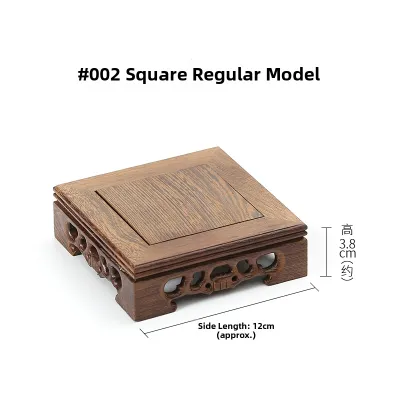
Prices are valid at publication and may change. Please refer to the product page for the latest price.
Weight estimation is equally critical to prevent structural failure. Heavy stone carvings, solid metal sculptures, or thick ceramic vessels exert significant downward force that can cause thin wooden shelves or poorly constructed joints to bow, crack, or collapse. When evaluating a wooden stand, check the manufacturer’s load-bearing specifications and inspect the joinery—such as mortise-and-tenon or reinforced dowel joints—to ensure it can support the weight over years of continuous display.
Beyond physical dimensions, you must identify the specific material sensitivities of your artifact. Porous ceramics, unglazed earthenware, untreated metals, and organic materials like wood, bone, or textiles are highly susceptible to chemical reactions. These materials can absorb oils, acids, and moisture from the display surface, leading to permanent staining, corrosion, or structural weakening. Recognizing these vulnerabilities early allows you to plan for protective barriers and select chemically stable wood finishes.
Match Stand Structures to Your Artifact Type
For substantial, bottom-heavy artifacts like stone carvings, large bronze statues, or solid wooden deities, a flat pedestal or solid plinth is the most secure choice. These stands distribute weight evenly across a wide surface, minimizing pressure points that could damage the artifact’s base. A low-profile plinth keeps the focus on the artifact while providing a grounded, dignified presentation that prevents wobbling.

For items that cannot stand independently, such as decorative plates, scrolls, textiles, or irregularly shaped pottery, contoured cradles and angled easels offer targeted support. A wooden easel props up flat or shallow items at a safe viewing angle, distributing the weight along the backrest and bottom ledge. Contoured cradles, often custom-carved or padded, hug the specific curves of antique bowls or fragile artifacts, preventing rolling or shifting.
Artifacts that are highly sensitive to dust, fluctuating humidity, and physical contact—such as delicate silk fans, ancient manuscripts, or intricate organic carvings—benefit from an enclosed wooden base paired with an acrylic or glass cover. This setup creates a micro-environment that shields the artifact from airborne pollutants and sudden drafts while still showcasing the warmth of the wooden base. It is an excellent solution for preserving fragile heirlooms in active households.
When displaying collections of smaller, related artifacts like prayer beads, historical coins, or miniature figurines, tiered or stepped wooden displays are highly effective. These structures elevate each piece individually, preventing them from crowding one another or being obscured from view. Tiered stands allow you to organize a narrative sequence or group items by cultural origin, maximizing vertical space on shelves or inside display cabinets.
Check Wood Finishes and Surface Barriers for Preservation
Many wooden stands are treated with sealants, stains, varnishes, or lacquers that release volatile organic compounds (VOCs) as they cure. This off-gassing process can continue for months after manufacturing. In enclosed or poorly ventilated spaces, these acidic vapors can accumulate, causing silver to tarnish, lead to corrode, and organic fibers to yellow or degrade. Always verify with the manufacturer that the wood finish is fully cured, stable, and free from harmful solvents before placing valuable artifacts on it.
Even with a fully cured finish, direct contact between wood and a sensitive artifact can lead to acid migration. To prevent this, place an inert barrier layer between the wooden stand and the artifact’s base. Archival-grade felt, acid-free museum board, or clear polyester films act as effective shields. These barriers prevent the transfer of natural wood resins and residual finishing chemicals without altering the visual appeal of the display.
If you purchase a newly crafted or custom-made wooden stand, allow it to air out in a well-ventilated room away from direct sunlight for several weeks before use. Sniff the wood closely; any sweet, chemical, or solvent-like odor indicates that the finish is still actively off-gassing. Only when the stand is completely odorless should you proceed with installing your cultural artifacts, ensuring a safe preservation environment.
Verify Stability and Environmental Placement
The physical stability of your display depends heavily on where and how the stand is positioned. A safe rule of thumb is to ensure the stand’s base is wide enough to support the height of both the stand and the artifact combined, especially in high-traffic areas, households with pets, or homes with active children. For tall or top-heavy displays, consider placing the stand against a solid wall or securing it within a heavy cabinet to eliminate the risk of accidental bumps.
Singapore’s tropical climate presents unique challenges for preserving both wood and cultural artifacts. High humidity can cause wooden stands to swell, warp, or develop mold, while air-conditioned environments can dry out the wood rapidly, leading to cracking. Avoid placing your wooden display stand in direct sunlight, near open windows, or directly under air conditioning vents. These areas experience extreme temperature and moisture fluctuations that can damage both the wooden structure and the delicate materials of your artifact.
To prevent artifacts from sliding or tipping due to minor vibrations—such as those from nearby foot traffic or closing doors—use non-damaging securing methods. Microcrystalline museum wax is excellent for securing stable ceramic, glass, or stone items to wooden surfaces, as it holds firmly but can be removed without leaving a permanent residue. For delicate or porous materials that might absorb wax, opt for thin, non-slip silicone pads or archival-grade museum putty designed specifically for preservation.
Frequently Asked Questions (FAQ)
Can I place wooden display stands in humid areas like bathrooms or kitchens?
It is highly discouraged to place wooden display stands and cultural artifacts in high-humidity zones like bathrooms or kitchens. The constant exposure to steam, moisture, and temperature spikes causes wood to warp, split, and develop mold or mildew. Furthermore, these damp conditions accelerate the deterioration of sensitive artifacts, leading to metal corrosion, paper degradation, and organic decay. For preservation, keep your displays in climate-controlled, well-ventilated living spaces.
How do I clean a wooden stand without damaging the artifact on it?
To clean your display safely, always remove the cultural artifact first and place it in a secure, padded area. Use a dry, clean, ultra-soft microfiber cloth to gently wipe away dust from the wooden stand. Avoid using commercial furniture polishes, aerosol sprays, or harsh chemical cleaners near your artifacts, as these products can leave oily residues that attract dust or release harmful vapors. If the wood requires deeper cleaning, use a slightly damp cloth with water only, immediately followed by a dry cloth to prevent moisture from soaking into the wood fibers.
Community discussion
Share your experience or ask a question. Comments are reviewed before publication.