
Choosing the right vase goes beyond picking a beautiful object; it requires understanding how its shape, material, and color interact with your existing space. By identifying your room’s dominant visual features and applying basic design principles, you can select a vase that either blends seamlessly into your decor or serves as a striking focal point. The ideal vessel does not merely hold flowers; it anchors a tabletop, balances a shelving unit, and reflects the architectural lines of your home. Whether you are decorating a compact apartment or a spacious landed property, matching your vase to your interior aesthetic elevates the entire room’s atmosphere.
Identify Your Room's Dominant Design Style
To choose a complementary vase, first observe the primary lines and silhouettes of your large furniture pieces. If your living room features low-profile, clean-lined sofas and handleless cabinetry, your space leans toward modern minimalism. Conversely, if your dining area is anchored by a heavy wooden table with turned legs or ornate carvings, your home embraces a more traditional or rustic aesthetic. Recognizing these dominant shapes helps you decide whether to mirror them or introduce contrasting forms.
Next, take stock of the materials and finishes that define your room. A space dominated by polished chrome, brushed steel, and high-gloss lacquer has a sleek, cool-toned feel that demands specific textures. On the other hand, an interior rich in raw teak, rattan, and linen upholstery exudes a warm, organic warmth. Introducing a highly textured ceramic vase into an ultra-glossy room can create a jarring disconnect unless it is balanced intentionally, while a smooth glass vessel might get lost in a highly textured bohemian setting.
Products mentioned in this guide
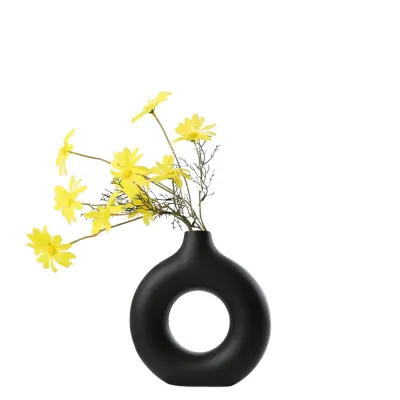
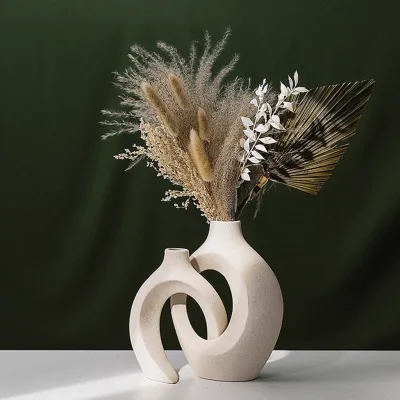
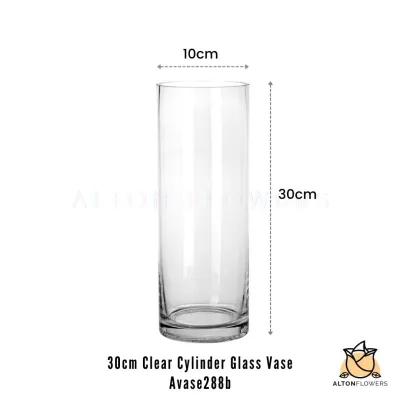
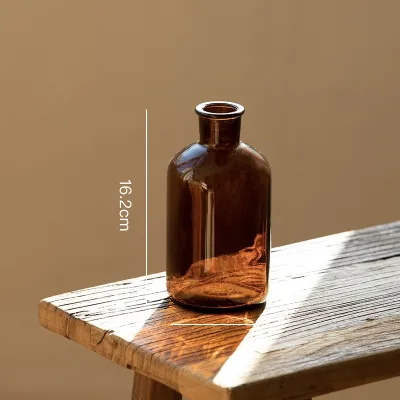
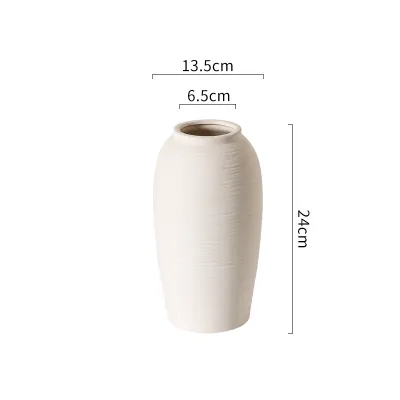
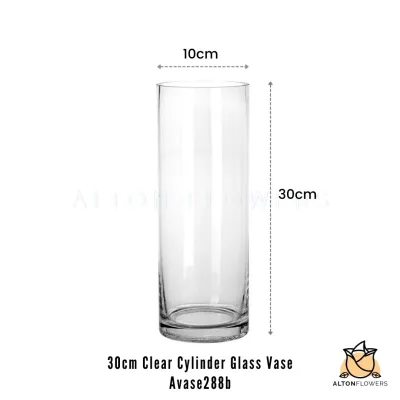
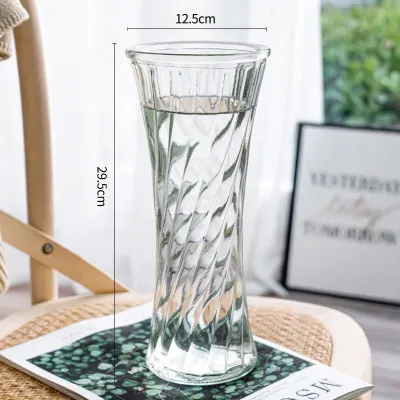
Prices are valid at publication and may change. Please refer to the product page for the latest price.
Evaluate the overall color temperature and texture density of your space. Rooms with neutral, monochromatic palettes and sparse decor have low texture density, meaning any new object will draw significant attention. Spaces with layered textiles, patterned wallpapers, and warm lighting have high texture density, where a delicate or simple vase might disappear. Understanding this balance ensures your new decor piece occupies the right amount of visual weight in the room.
Consider also the natural and artificial lighting in your room. A sun-drenched room with large windows can handle darker, more light-absorbing materials like unglazed terracotta or dark basalt. In contrast, a dimmer corner or a room relying on soft ambient lighting benefits from reflective surfaces like polished glass, glazed porcelain, or metallic accents that bounce light around and prevent the corner from feeling heavy.
Map Vase Materials and Shapes to Your Decor
Different interior styles call for specific vase characteristics to maintain design cohesion. By categorizing vases by their materials, shapes, and finishes, you can easily identify which options align with your home’s established look.

For spaces that prioritize simplicity and clean lines, look for geometric shapes such as cylinders, spheres, or sharp rectangular prisms. Materials should feature smooth, unblemished finishes, such as clear or frosted glass, matte ceramic, or polished metal. Monochromatic tones, soft grays, and muted earth tones work exceptionally well here. These vessels emphasize form over ornamentation, allowing a single structural branch or stem to stand out without cluttering the visual field.
If your home celebrates natural textures and cozy, lived-in comfort, seek out organic and asymmetrical forms. Vases made from terracotta, stoneware, distressed wood, or even woven seagrass fit beautifully into this aesthetic. Look for rough, tactile surfaces, crackle glazes, or hand-thrown pottery details that showcase minor imperfections. Earthy colors like warm ochre, deep terracotta, olive green, and sandy beige enhance the rustic charm and pair naturally with dried botanicals or wildflowers.
Classic interiors benefit from symmetrical profiles, elegant curves, and refined details. Look for urn-shaped vessels, classic amphoras, or trumpet vases. Materials such as fine porcelain, cut crystal, and polished brass convey a sense of timeless sophistication. Traditional vases often feature intricate hand-painted patterns, delicate fluting, or scalloped rims. These pieces pair beautifully with structured, abundant floral arrangements like roses, hydrangeas, or lilies, anchoring formal dining tables or entryway consoles.
For homes that embrace a curated, globetrotting feel, look for irregular silhouettes, mixed materials, and vibrant patterns. Handcrafted or artisanal textures, such as macramé-wrapped glass, colorful mosaic tiles, or hand-painted earthenware, thrive in eclectic spaces. Do not shy away from bold, saturated colors or unusual shapes like abstract human forms, animal motifs, or sculptural waves. These vases act as independent art pieces that contribute to the layered, storytelling nature of bohemian decor.
Decide Between Visual Harmony and Statement Contrast
Once you understand your room’s style, you must decide whether your vase should blend harmoniously into its surroundings or stand out as an intentional design contrast. Both approaches are highly effective, but they serve entirely different decorative purposes.
Choosing visual harmony is ideal when you want to maintain a calm, unified, and serene atmosphere. This approach works best in bedrooms, study areas, or spaces where you want the floral arrangement itself—rather than the vessel—to be the main focus. To achieve harmony, select a vase that shares the same color family, material, or finish as the surface it sits on. For instance, placing a matte white ceramic vase on a white marble sideboard creates a seamless, elegant look where the vessel feels like an extension of the furniture.
Choosing statement contrast is excellent for adding visual interest to a quiet corner or breaking up the monotony of a neutral room. A bold, contrasting vase acts as a conversation starter and draws the eye to a specific focal point, such as a mantelpiece or a coffee table. You can introduce contrast by placing a dark, textured charcoal stoneware vase on a light, polished glass table, or by choosing a bright, jewel-toned glass vase for an otherwise monochromatic gray room.
To determine which path to take, assess the existing focal points in your room. If you already have a large, colorful piece of wall art or a vibrant accent chair, a highly contrasting vase might compete for attention, creating visual noise. In this scenario, a harmonious vase that blends into the background is the wiser choice, allowing the primary focal point to shine. Conversely, if your room lacks a clear center of interest, a bold, sculptural vase placed on a central coffee table can provide the necessary anchor the space needs.
If you want to strike a balance between these two extremes, try matching one design element while contrasting another. For example, you can choose a vase that matches the exact color of your walls but features a highly unusual, sculptural shape. Alternatively, you can select a classic shape that mirrors your furniture’s lines but introduce a completely unexpected texture, such as a rough concrete finish in a sleek, modern room. This technique creates a subtle, sophisticated tension that looks professionally styled.
Verify Scale, Function, and Maintenance Before Buying
Before purchasing a vase, it is crucial to evaluate its practical dimensions, functional capabilities, and maintenance needs to ensure it fits your lifestyle and home environment.
Scale and proportion are the most common areas where decorating mistakes occur. Always measure the height and width of the surface where the vase will reside. A massive floor vase will overwhelm a narrow hallway, while a tiny bud vase will look lost on a large dining table. As a general rule of thumb, the vase should occupy about one-third to one-half of the height of the total space available, including the height of the flowers. For narrow shelves or console tables, ensure the base of the vase does not overhang the edge, which poses a safety hazard.
Functional fit determines what kind of floral arrangements the vase can support. If you plan to display heavy, woody branches like eucalyptus or cherry blossoms, you need a heavy-bottomed vase with a wide base to prevent tipping. A top-heavy vase with a narrow base can easily fall over, potentially damaging your furniture or spilling water. Conversely, if you prefer delicate, single stems, a bud vase with a narrow neck is essential to keep the stem upright. If you intend to use real flowers, verify that the material is completely waterproof; some porous ceramics or wooden vessels require a plastic liner to prevent slow leaks.
For heavy floor vases or wall-mounted planters, safety is paramount. Ensure floor vases are placed in low-traffic areas where they cannot be easily knocked over by pets or guests. If you are installing wall-mounted planters or suspended vessels, always use appropriate wall anchors and mounting hardware rated for the total weight of the vase, water, and plants combined. If you are unsure about the load-bearing capacity of your walls, consult a qualified professional installer to prevent damage or injury.
Finally, consider the maintenance reality of different materials in your home. Clear glass vases look stunningly clean but show water spots, dust, and decaying stems almost immediately, requiring frequent washing and water changes. Highly textured, porous ceramics or intricate cut glass can accumulate dust in their crevices, making them harder to wipe clean. If you live in a humid climate, metal vases should be checked for rust resistance or treated to prevent tarnishing. Choose a material that matches the amount of effort you are willing to invest in keeping it pristine.
Frequently Asked Questions (FAQ)
Can I mix different vase styles on the same display?
Yes, you can successfully mix different vase styles on a single shelf, mantel, or table by establishing a unifying element. To prevent the display from looking cluttered or chaotic, ensure the vessels share at least one common characteristic, such as a similar color palette, a consistent material, or a shared texture. For example, you can group a tall cylindrical vase, a short round vase, and a medium-sized geometric vase if they are all made of matte white ceramic. Varying the heights and shapes within this unified theme creates a dynamic, visually engaging vignette.
How do I choose a vase for a transitional or mixed-style room?
When decorating a room that blends multiple design styles, such as a mix of traditional furniture and modern lighting, look for a transitional vase that bridges the gap. A neutral, sculptural ceramic vase in an organic shape works exceptionally well, as it carries the clean lines of modern design while retaining the warmth of traditional craftsmanship. Another effective strategy is to select a vase that pulls a minor accent color or texture from elsewhere in the room—such as the brass from your light fixtures or the blue from your throw pillows—to tie the entire space together.
Community discussion
Share your experience or ask a question. Comments are reviewed before publication.