
Matching a wall frame to your home’s interior design style in Singapore requires balancing the physical constraints of local housing with the visual language of your decor. Whether your space leans toward the clean lines of Scandinavian minimalism, the organic warmth of Japandi, or the bold textures of industrial design, the right frame acts as a bridge between your artwork and your architecture. Selecting the ideal frame involves evaluating materials, dimensions, and mounting methods to ensure a secure, cohesive display.
Assessing Your Space and Lighting Conditions
Before purchasing any wall frame, you must evaluate the physical environment of your room. In Singapore, residential properties typically feature a mix of structural concrete walls and lightweight drywall partitions. Solid concrete walls offer excellent load-bearing capacity but require masonry drill bits and plastic wall plugs for secure mounting. Conversely, drywall partitions require specialized toggle bolts or hollow-wall anchors to prevent the frame from pulling through the plasterboard.
Lighting conditions also dictate the choice of frame glazing. Rooms with abundant natural light from large windows or bright overhead LED fixtures are highly susceptible to glare. Standard glass covers can turn your artwork into a mirror, obscuring the image. In these high-glare environments, opting for anti-glare glass or matte-finish acrylic covers helps preserve visibility. Acrylic is also lighter and more shatter-resistant than glass, making it a safer option for larger frames or high-traffic areas.
Products mentioned in this guide
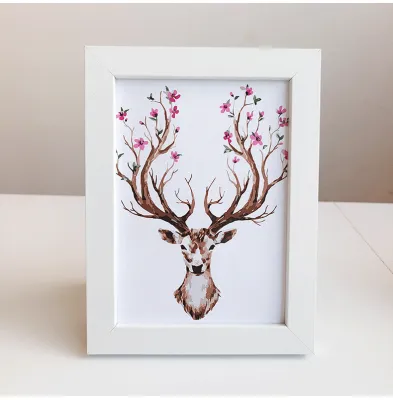
![[SG Seller Super Offer] High Quality Wooden Photo Frame Table Wall Display Graduation Photos Valentines Day Gift Christmas Gift Specimen Pictures Art Display Home Office Gift](https://img.lazcdn.com/g/p/851788c94bcd41f985d460c2ddf8bdc5.jpg_400x400q80.jpg_.webp)
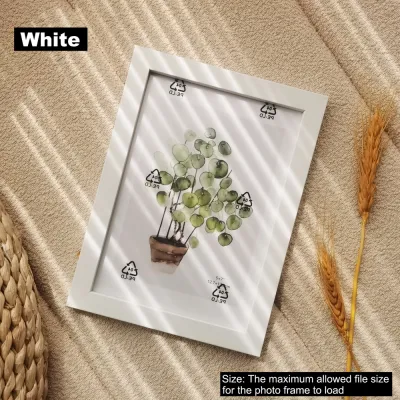
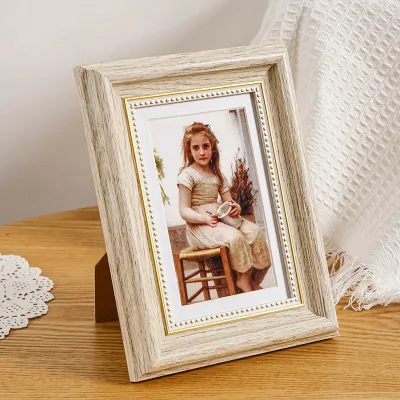
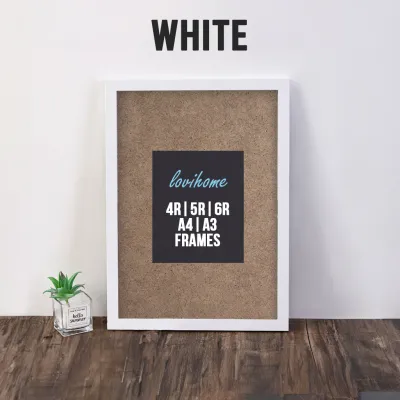
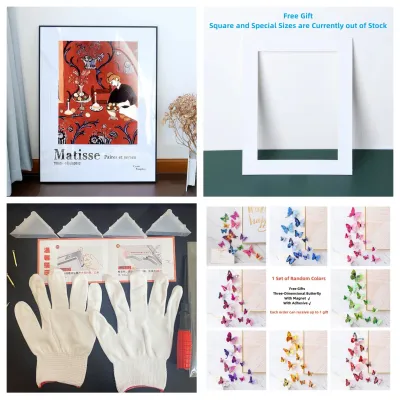

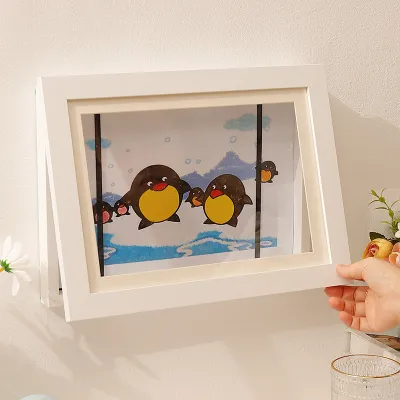
Prices are valid at publication and may change. Please refer to the product page for the latest price.
Furthermore, Singapore’s tropical climate brings high ambient humidity levels year-round, which can severely affect framing materials. Solid wood frames, while aesthetically pleasing, can warp or expand if they are not properly sealed or treated. Engineered wood (MDF) frames are highly susceptible to moisture absorption, which can cause swelling and mold growth over time. For areas with high humidity or minimal air conditioning, aluminum or treated metal frames offer superior structural stability and resistance to moisture-related degradation.
Matching Wall Frames to Popular Interior Design Styles
Selecting a wall frame is not merely about holding a picture; it is about establishing a visual anchor that harmonizes with your interior design theme. The thickness of the frame profile, its color, and its surface texture all contribute to how the artwork is perceived within the room. A frame that is too heavy can overpower delicate art, while a frame that is too thin might get lost against a bold wall color or large furniture pieces.

To achieve a balanced look, consider the scale of your surrounding furniture. For instance, a frame hung above a substantial sofa should have enough visual weight—either through a thicker profile or a generous mat board—to avoid looking dwarfed. By aligning the frame’s material and finish with the dominant design elements of your home, you create a seamless transition from the wall to the artwork itself.
Scandinavian and Minimalist Styles
Scandinavian and minimalist interiors prioritize simplicity, functionality, and an abundance of light. To complement this aesthetic, choose wall frames with exceptionally slim profiles and clean, unadorned edges. Matte white, matte black, and light natural woods like birch or pale oak are the ideal color choices. These tones blend effortlessly into light-colored walls, keeping the focus entirely on the artwork.
Avoid frames with ornate carvings, bevels, or heavy textures, as these details disrupt the clean visual flow characteristic of minimalist spaces. If you are planning a gallery wall, consistency is key. Using identical frame profiles and matching mat boards across all pieces creates a structured, orderly display that enhances the calm, uncluttered atmosphere of the room.
Japandi and Wabi-Sabi Aesthetics
Japandi and Wabi-Sabi styles merge Japanese minimalism with rustic Scandinavian warmth, celebrating organic textures and imperfect beauty. For these spaces, select frames that showcase warm wood tones and visible natural grain patterns, such as walnut, teak, or ash. Slightly textured or raw, low-sheen finishes work beautifully to highlight the natural origin of the material.
To enhance the sense of lightness and simplicity inherent in these styles, consider alternative framing methods. Floating frames, where the artwork appears to hover within the frame with a subtle shadow gap around the edges, add depth without adding visual bulk. Frameless glass clips or minimalist wooden poster hangers also align well with the Wabi-Sabi appreciation for simplicity. Pair these earthy, organic frames with muted, nature-inspired prints or textured handmade paper art to complete the look.
Industrial and Modern Contemporary Styles
Industrial and modern contemporary designs embrace bold structures, raw materials, and high-contrast elements. In these environments, wall frames made of brushed metals, matte black aluminum, or dark stained woods like charcoal or espresso make a strong statement. These materials echo the architectural elements often found in industrial spaces, such as exposed pipes, steel beams, and concrete surfaces.
For modern contemporary spaces, you can experiment with thicker frame profiles or subtle metallic accents, such as brass or gunmetal finishes, to add definition to your walls. Because contemporary art often features large-scale canvases or heavy mixed-media pieces, it is crucial to verify the structural rigidity of the frame. Metal frames offer excellent corner strength and resistance to bowing, ensuring that oversized art remains securely supported and perfectly flat over time.
Key Selection Criteria for Wall Frames
When purchasing a wall frame, evaluating technical specifications is just as important as selecting the right style. To ensure a perfect fit, start by measuring your artwork precisely. If you plan to use a mat board—the cardboard border surrounding the image—you must add the width of the mat to your overall frame dimensions. A standard mat board border of 5 to 10 centimeters is common; a wider mat often lends a more premium, gallery-like appearance to smaller prints, while larger pieces may require only a narrow border to keep the frame size manageable.
Protective glazing is another critical factor. While standard glass is scratch-resistant and cost-effective, it is heavy and fragile. Acrylic glazing is highly recommended for larger frames because it is lightweight and shatterproof, reducing the risk of injury or damage if the frame falls. If your wall receives direct sunlight, look for UV-filtering acrylic or glass to prevent your artwork from fading or yellowing over time.
Examine the backing and hardware of the frame before installation. High-quality frames feature rigid backing boards made of acid-free materials to protect the artwork from moisture and acid degradation. Ensure the frame is equipped with sturdy hanging mechanisms, such as heavy-duty D-rings or a tensioned hanging wire, rather than flimsy saw-tooth hangers. Always cross-reference the manufacturer’s specifications for weight limits and moisture resistance, especially when hanging frames in dining areas or near open windows.
Safe Installation and Layout Planning
A successful wall frame installation begins with careful planning. To avoid making unnecessary holes in your walls, map out your arrangement beforehand. You can create paper templates by tracing your frames onto kraft paper, cutting them out, and taping them to the wall using painter’s tape. This allows you to adjust the spacing and height of your layout until you achieve the perfect balance. Alternatively, digital layout applications can help you visualize the final arrangement on a photo of your actual wall.
Once your layout is finalized, select the appropriate tools for the job. For Singapore’s common concrete walls, you will need a rotary hammer drill, a masonry drill bit, and plastic wall plugs matching your screw size. For drywall partitions, use a standard drill with a drywall anchor or toggle bolt. Always check for concealed hazards before drilling; use a stud finder with live-wire and plumbing detection to ensure you do not puncture electrical conduits or water pipes hidden behind the wall surface.
Safety must always be your primary concern. If you are dealing with exceptionally heavy or oversized frames, high placements near stairwells, or if you are uncertain about the location of utility lines behind your walls, stop the installation immediately. In these scenarios, it is highly recommended to consult a qualified professional handyman or art installation service to ensure the frames are mounted securely and safely.
Frequently Asked Questions (FAQ)
Can I mix different frame styles in one room?
Yes, mixing different frame styles can create a dynamic and personalized look, provided there is a unifying element to tie the collection together. To prevent the display from looking chaotic, maintain consistency through another design element, such as using identical mat board colors or sticking to a shared color palette for the artwork itself. For example, you can mix natural wood and black metal frames if all the prints feature black-and-white photography. Additionally, balance the visual weight of the room by distributing heavier, thicker frames evenly across your layout rather than clustering them all in one corner.
How do I prevent wall frames from damaging my walls?
To avoid permanent wall damage, especially in rental properties, you can use high-quality adhesive strips or hooks designed for picture hanging. When using these products, always verify the manufacturer’s weight limits and follow the application instructions precisely, ensuring the wall surface is clean and dry. However, avoid using temporary adhesives on freshly painted walls (which require at least several weeks to fully cure), heavily textured surfaces, or walls prone to high moisture, such as those near bathrooms. In these conditions, adhesive bonds can fail unexpectedly, leading to fallen frames and damaged paint or plaster upon removal.

Community discussion
Share your experience or ask a question. Comments are reviewed before publication.