
Selecting the right wall picture decor is one of the most effective ways to transition a house into a highly personalized home. In Singapore, where residential layouts like HDB flats and condominiums require thoughtful spatial planning, wall art serves as a visual anchor that defines a room’s character. Achieving a cohesive look requires balancing the artistic style of a print with the architectural lines, color palette, and textures of your existing interior design.
Before purchasing any artwork, it is helpful to view your walls as a gallery canvas that must harmonize with your furniture, lighting, and overall layout. A well-chosen piece of art does not merely fill empty space; it unifies disparate design elements, draws the eye to a focal point, and establishes the mood of the room. By understanding how different art genres interact with popular interior themes, you can make informed decisions that elevate your living space.
Matching Wall Art Styles to Popular Interior Themes
Every interior design theme carries a distinct visual weight, structural language, and emotional tone. To select wall picture decor that feels integrated rather than accidental, you must first identify the dominant style of your room. This involves looking at the clean lines of your furniture, the warmth of your flooring, and the abundance or restraint of decorative accessories.
Products mentioned in this guide

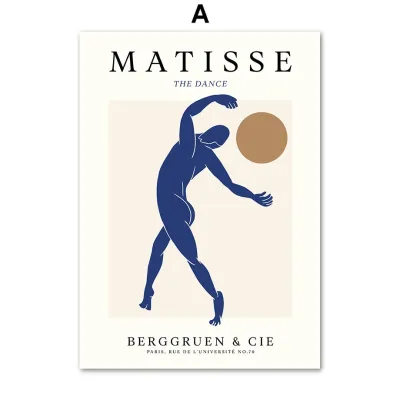
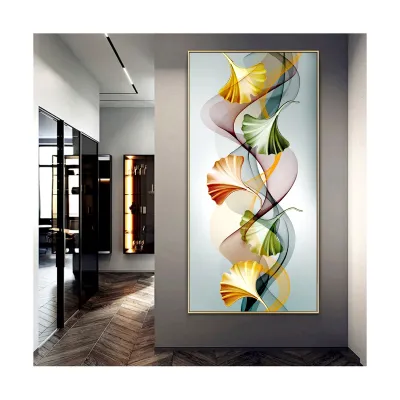
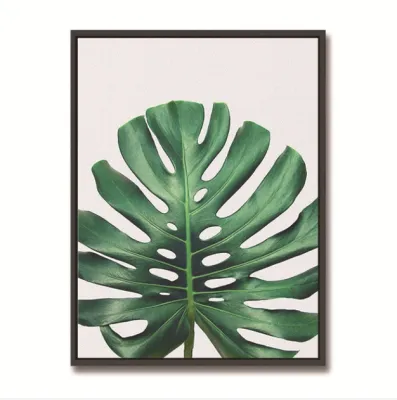
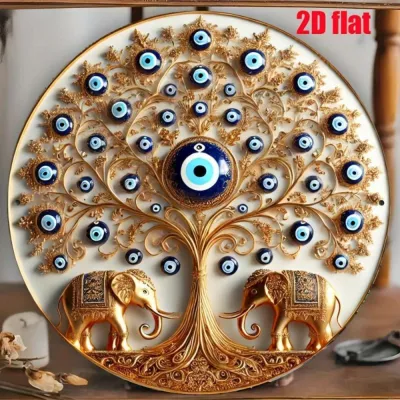
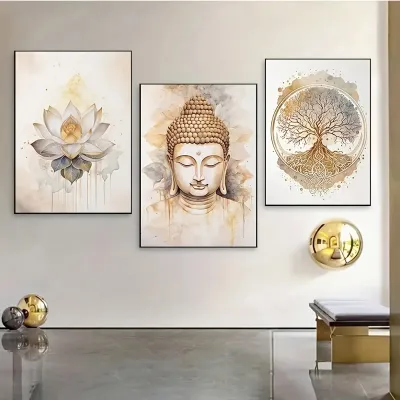
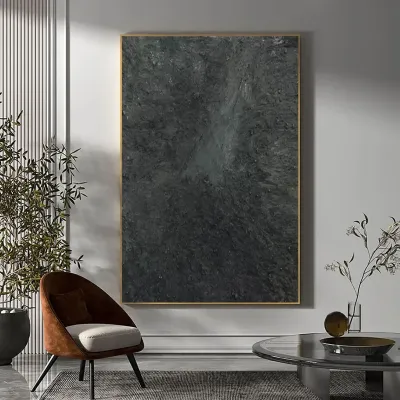
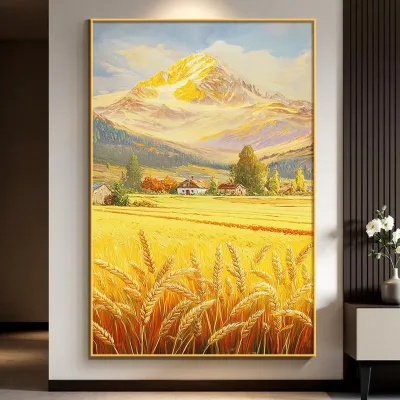
Prices are valid at publication and may change. Please refer to the product page for the latest price.
Once you recognize the core aesthetic of your home, you can transition into selecting art styles that either complement or intentionally contrast with that environment. The goal is to match the visual weight of the artwork to the room’s atmosphere, ensuring that the scale, color intensity, and framing materials align with the surrounding decor.
Scandinavian Interiors
Scandinavian design is celebrated for its simplicity, functionality, and connection to nature. To complement the light-filled, cozy, and clean aesthetic of a Nordic-inspired home, look for wall picture decor that emphasizes organic forms and understated elegance. Abstract watercolor prints, botanical illustrations, and continuous line-art drawings are excellent choices that maintain a sense of airy simplicity.
Color palettes should remain soft and restrained to preserve the calming atmosphere of the space. Muted tones, gentle pastels, warm beige, and classic monochrome prints work beautifully against light-colored walls. These colors reflect natural light rather than absorbing it, helping smaller rooms feel more spacious and open.
Framing plays a crucial role in maintaining the Scandinavian aesthetic. Opt for light oak, natural birch, or very thin matte white or black metal frames. Position these pieces in areas with plenty of natural light, such as above a light fabric sofa or along a hallway, keeping the arrangements uncluttered and balanced.
Japandi Spaces
Japandi style merges the rustic warmth of Japanese wabi-sabi with the clean functionality of Scandinavian design. This hybrid aesthetic values imperfection, natural materials, and a deep sense of serenity. When choosing wall picture decor for a Japandi home, look for nature-inspired prints, minimalist ink wash paintings, or abstract pieces that showcase organic textures and asymmetrical balance.
Color schemes should lean heavily into earthy, grounded tones. Think soft terracotta, charcoal, olive green, warm ochre, and sandy beige. The use of negative space—empty areas within the artwork—is essential here, as it allows the eye to rest and reinforces the minimalist, uncluttered philosophy of the home.
For framing, natural wood with visible grain, raw canvas wraps, or even frameless mounting options are ideal. Hanging a single, large-scale canvas with a textured surface can evoke a sense of quiet craftsmanship. Alternatively, hanging scroll-style prints on wooden dowels adds an authentic, organic touch to the room.
Modern Minimalist Homes
Modern minimalist interiors focus on sleek lines, hidden storage, and a strict reduction of clutter. In these spaces, wall picture decor must be selected with high restraint, as every piece will draw significant attention. Geometric patterns, large-scale abstract color fields, and subtle typography art are highly effective in reinforcing this architectural style.
To maintain visual calm, stick to high-contrast color schemes, such as bold black-and-white photography, or a highly disciplined monochrome palette. A single, oversized statement piece often works much better in a minimalist room than a collection of smaller frames, as it preserves the clean, uninterrupted lines of the walls.
Sleek, low-profile frames made of matte black aluminum or polished chrome complement the modern aesthetic. If you prefer a gallery wall, keep it highly structured with a symmetrical grid layout, using identical frames and wide white matting to create a clean, professional look.
Industrial and Contemporary Rooms
Industrial and contemporary spaces often feature raw materials like exposed brick, concrete, steel, and weathered wood. To match this bold, tactile environment, your wall picture decor should possess strong visual impact. Urban photography, vibrant pop art, or mixed-media pieces featuring metallic accents or heavy textures work exceptionally well.
Against neutral concrete or dark brick backgrounds, vibrant accent colors in your artwork can create a striking visual contrast. Deep blues, rich rust tones, or bright primary colors can prevent an industrial room from feeling overly cold or sterile.
Framing in industrial spaces can lean into more rugged or unconventional materials. Frameless acrylic prints and high-definition metal prints offer a sleek, modern edge that pairs perfectly with steel fixtures. If you prefer traditional frames, choose dark, heavy wood or distressed metal to match the raw, structural elements of the room.
Key Dimensions for Selecting Wall Picture Decor
Selecting the right style of art is only half the battle; ensuring the physical specifications of the piece match your home’s environment is equally critical. Before making a purchase, evaluate these practical dimensions to ensure your new wall art is durable, safe, and visually balanced.

- Scale and Proportion: One of the most common decorating mistakes is hanging artwork that is too small for the wall. As a general guideline, wall art should take up roughly 60% to 75% of the available wall space that is not covered by furniture or moldings. When hanging art above a piece of furniture like a sofa, console table, or bed, aim for the artwork to be approximately two-thirds to three-quarters of the width of the furniture below it to maintain a balanced proportion.
- Material and Print Quality: Singapore's tropical climate features high relative humidity, which can pose challenges for paper prints and wood frames. To prevent paper from buckling, yellowing, or developing mold over time, look for prints on acid-free, archival-grade paper (ideally 200 gsm or higher) or moisture-resistant canvas. Archival pigment inks are highly recommended as they resist fading under UV exposure.
- Lighting and Glare: Consider how natural sunlight and artificial light sources interact with your wall. If you plan to hang art directly opposite a large window or under bright track lighting, glossy glass covers can create distracting reflections. In these high-light areas, opt for matte-finish prints, canvas wraps, or frames fitted with non-reflective acrylic or anti-glare museum glass.
- Hanging Hardware and Wall Types: Many homes in Singapore feature structural concrete or precast walls, which require different mounting solutions than drywall. Lightweight frames can often be hung using high-quality adhesive hooks rated for humid conditions, but heavier framed prints or canvases require drilling. For concrete walls, you will need a hammer drill, masonry drill bits, and plastic wall plugs to secure screws safely. Always verify the weight capacity of your hanging hardware, and if you are working at height or installing heavy, suspended loads, consider hiring a qualified professional to ensure safety.
Where to Source and How to Verify Wall Art
Finding the perfect wall picture decor involves exploring various retail channels, each offering distinct advantages depending on your budget and customization needs.
- Local Art Galleries: Visiting local galleries allows you to view original artworks in person, giving you an accurate appreciation of texture, scale, and color depth that digital screens cannot replicate. This is an excellent option if you are looking for unique, investment-grade pieces.
- Home Decor Showrooms: Showrooms often display curated art pieces alongside furniture setups, making it easier to visualize how different styles look in a fully styled room. These retailers frequently offer pre-framed prints designed to match current interior design trends.
- Established Online Retailers: Online platforms offer an extensive variety of designs, sizes, and framing options. When shopping online, you can easily filter by color, style, and dimensions to find a piece that fits your exact specifications.
Before finalizing your purchase, always verify the product specifications listed on the seller’s page. Double-check the exact dimensions (including the frame width), the materials used for the print and frame, and the retailer’s return policy in case the colors look different in your home’s lighting.
Upon delivery, perform a quick inspection of the item. Check the print resolution to ensure there is no pixelation or blurriness, inspect the frame corners for tight joints and structural integrity, and verify that the colors match your expectations before mounting the piece on your wall.
Frequently Asked Questions (FAQ)
How high should I hang my wall picture decor?
A standard guideline is to hang artwork so that the center of the image is at eye level, which is approximately 145 cm to 152 cm from the floor. This creates a comfortable viewing height for most people. If you are hanging art above a piece of furniture, such as a sofa or console table, the bottom of the frame should typically sit about 15 cm to 20 cm above the top of the furniture to ensure the art feels connected to the layout rather than floating awkwardly.
Can I mix different wall art styles in one room?
Yes, mixing different art styles can add depth and personality to a room, provided there is a unifying element to tie them together. To prevent the space from looking cluttered, establish a common thread, such as a consistent color palette, matching frame materials, or a shared thematic element. Balancing the visual weight is also key; space out bolder, high-contrast pieces with simpler, minimalist prints to maintain a harmonious flow throughout the room.

Community discussion
Share your experience or ask a question. Comments are reviewed before publication.