
Matching wall pictures with frame to your Singapore home is about balancing personal taste with the architectural realities of local residential spaces. Whether you live in a cozy HDB flat or a sunlit condominium, the art on your walls acts as a visual anchor that ties your interior design together. Selecting the right combination of artwork and framing profile ensures your home feels cohesive, intentional, and curated rather than cluttered.
By understanding how different frame profiles, matting styles, and art subjects interact with your existing furniture and lighting, you can transform empty walls into sophisticated focal points. The key is to analyze your current design theme, assess your physical space, and consider practical environmental factors unique to Singapore’s tropical climate.
Identify Your Existing Home Decor Theme
Before purchasing any wall pictures with frame, you must diagnose the baseline design theme of your living space. Skipping this diagnostic step often leads to visual friction, where an otherwise beautiful piece of art clashes with the dominant lines, textures, or colors of your room. In Singapore’s typical residential layouts, where open-plan living and dining areas are common, mismatched art can disrupt the visual flow of the entire home.
Products mentioned in this guide
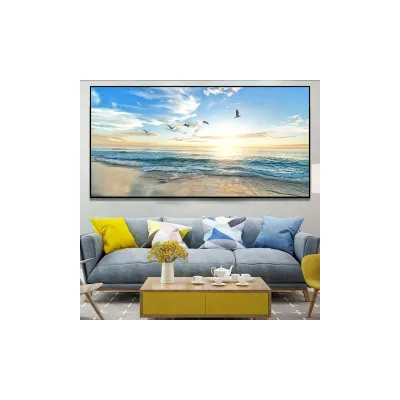


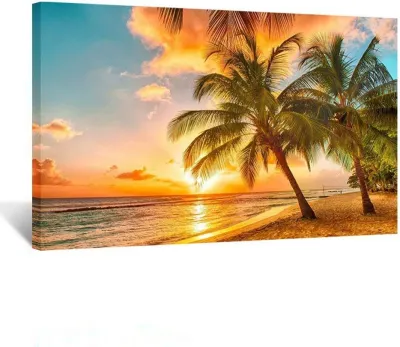

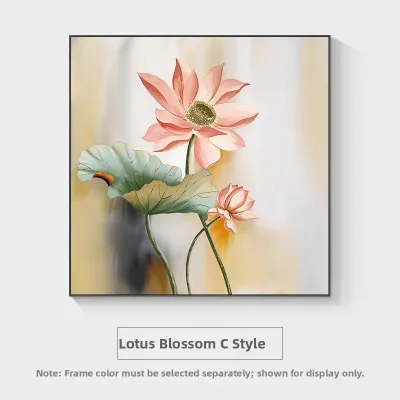

Prices are valid at publication and may change. Please refer to the product page for the latest price.
To identify your theme, start by observing the dominant color palettes in your main rooms. Take note of whether your walls are painted in warm off-whites, cool grays, or bold accent tones. Next, evaluate the materials of your largest furniture pieces, such as your sofa, dining table, and television console. If your home features light oak wood, low-profile furniture, and textured linen, it leans toward Japandi or Scandinavian minimalism. Conversely, if you see polished metal legs, dark marble surfaces, and high-gloss finishes, your space aligns more with modern or contemporary design.
Your flooring also plays a significant role in setting the visual temperature of your home. Warm teak vinyl, cool grey porcelain tiles, or polished marble each interact differently with frame materials. Take a step back and inventory these permanent and semi-permanent elements. By establishing this baseline, you can select framed art that either harmoniously blends with your existing decor or provides a deliberate, sophisticated contrast.
Match Wall Pictures with Frames to Your Interior Style
Once you have identified your home’s primary aesthetic, you can begin matching your wall art to that specific style. The relationship between the artwork and its frame is crucial; the frame acts as a transition zone between the art and your wall. A well-chosen frame enhances the art’s visual impact while respecting the design rules of the surrounding room.

Minimalist and Japandi Spaces
Minimalist and Japandi (Japanese-Scandinavian) interiors focus on simplicity, natural warmth, and functional beauty. To complement this serene atmosphere, choose wall pictures with frame designs that feature slim, low-profile borders. Materials like light oak, natural ash, or matte white metal work exceptionally well, as they do not overwhelm the eye or crowd compact walls.
The matting—the cardboard border surrounding the artwork inside the frame—should be generous and neutral-toned. A wide, off-white or cream mat board creates breathing room around the art, emphasizing its simplicity. For the artwork itself, look for abstract geometric shapes, subtle botanical line art, or muted, misty landscapes that evoke a sense of calm.
Avoid heavy, ornate, or high-gloss frames in these spaces. Intricate gold-leaf frames or chunky dark mahogany profiles will disrupt the quiet, grounded feel of a Japandi home. The goal is to make the framed art feel like a natural extension of the wall rather than an aggressive interruption.
Modern and Contemporary Spaces
Modern and contemporary Singapore apartments often showcase clean lines, architectural angles, and a sophisticated, urban palette. For these interiors, gallery-style frames are the ideal choice. These frames typically feature crisp black, stark white, or brushed metallic finishes like silver, brass, or gunmetal.
The artwork inside should mirror this sleek energy. High-contrast black-and-white photography, bold geometric prints, or large-scale abstract paintings with sharp lines fit perfectly. A classic gallery presentation—using a deep black frame with a wide, crisp white mat board—anchors the visual weight of the art and draws the viewer’s eye directly to the subject.
Consider scale when decorating contemporary spaces. Instead of hanging multiple small frames, opt for a single, large-scale framed piece to serve as a dramatic focal point above a low-slung sofa or a minimalist sideboard. This approach minimizes visual clutter while maximizing the architectural drama of your living or dining area.
Tropical and Eclectic Themes
Tropical contemporary and eclectic styles embrace rich textures, vibrant colors, and a collected-over-time sensibility. This aesthetic is highly popular in Singapore, where indoor plants and natural ventilation bridge the gap between the indoors and the lush outdoors. Framed art in these spaces should reflect this organic warmth and layered complexity.
Look for frames made of natural mid-to-dark wood, textured bamboo-style designs, or even rattan-effect borders. These materials pair beautifully with woven furniture, jute rugs, and leafy indoor plants. For the artwork, vibrant botanical prints, local architectural photography showcasing shophouse facades, or colorful, expressive abstract pieces are highly effective.
In an eclectic room, you have the creative freedom to mix different frame textures and profiles. However, to keep the space looking curated rather than chaotic, maintain a subtle thread of consistency. You might mix natural wood and gold-toned frames, but keep the matting width identical across all pieces, or group different frame styles together by a shared color story in the artwork.
Evaluate Wall Space and Lighting Conditions
Before mounting any framed art, you must assess the physical dimensions of your walls and the specific lighting conditions of your rooms. Singapore apartments, ranging from compact HDB flats to spacious condominiums, present unique spatial challenges. Hanging a piece of art that is too small can make a wall look unfinished, while an oversized frame can make a room feel cramped and claustrophobic.
Measure the wall area you intend to use, taking into account nearby furniture. If you are hanging art above a console table or a sofa, the framed piece should ideally span about two-thirds to three-quarters of the total width of the furniture below it. For narrow corridors, entryways, or columns, vertical portrait-oriented frames help elongate the space. On large, expansive living room walls, horizontal landscape orientations or a balanced grid of multiple frames can fill the volume elegantly without overwhelming the room.
Lighting is another critical factor that affects both the visibility and the longevity of your wall art. Singapore’s tropical climate brings intense natural light, especially in apartments with west-facing or floor-to-ceiling windows. Placing unprotected paper prints or delicate paintings in direct, harsh sunlight will lead to rapid UV fading and paper yellowing over time.
To protect your investment, avoid placing valuable or highly colored art on walls that receive direct afternoon sun. For rooms with high ambient light or strong spotlighting, opt for frames equipped with anti-glare glass or UV-protective acrylic covers. Acrylic is lighter and more shatter-resistant than glass, making it an excellent choice for larger frames, though it can scratch more easily. Ensure you leave adequate breathing room—at least 15 to 20 centimeters—between your frames and adjacent architectural features like door frames, air conditioning units, or light switches to maintain a clean, balanced look.
Check Wall Types and Hanging Safety
Hanging heavy or large wall pictures with frame requires a clear understanding of your home’s structural surfaces. In Singapore, residential walls generally fall into two categories: solid concrete or brick structural walls, and hollow drywall or partition walls. Identifying your wall type is essential for choosing the correct anchors, screws, and installation methods to prevent damage or injury.
Solid concrete walls—very common in HDB flats, particularly around structural columns and household shelters—are incredibly sturdy but require a rotary hammer drill and masonry drill bits to penetrate. Once drilled, you must insert plastic wall plugs (anchors) before driving in the screws to hang heavy frames. Conversely, drywall or partition walls, often found in newer condominium bedrooms or partitioned study areas, cannot support heavy loads on their own. For drywalls, you must use specialized toggle bolts or hollow-wall anchors that expand behind the board to distribute the weight safely.
Before undertaking any drilling or installation, always isolate the power supply to the room or wall area to avoid drilling into hidden electrical conduits. Use a reliable digital wall scanner or stud finder to check for hidden wiring, metal studs, and water pipes behind the surface. If you are mounting heavy, glass-fronted frames, working at height, or installing art in high-humidity areas like bathrooms, consult the frame manufacturer’s instructions and check your building management guidelines first. If you are unsure of the wall’s load-bearing capacity or structural integrity, always hire a qualified professional handyman to complete the installation safely.
Finally, always use a spirit level and measure your mounting points twice before making any permanent holes. For heavy frames, distribute the weight by using two hanging points spaced apart rather than a single central hook. This prevents the frame from shifting over time and ensures your display remains perfectly level and secure.
Frequently Asked Questions (FAQ)
How do I clean glass or acrylic covers on framed pictures?
To clean glass or acrylic covers safely, start by dusting the surface with a dry, clean microfiber cloth to remove loose particles that could scratch the material. If the cover requires deeper cleaning, slightly damp the microfiber cloth with water or a mild, specialized acrylic cleaner. Never spray glass cleaner, ammonia-based products, or harsh household chemicals directly onto the cover. Liquid can easily seep behind the frame’s edges, capillarying into the mat board and permanently ruining the artwork underneath.
Can I mix different frame styles in the same room?
Yes, mixing different frame styles can add depth and character to a room, provided you follow a few basic design principles to maintain cohesion. You can successfully mix different materials—such as combining thin black metal frames with warm oak frames—by keeping the mat board color and width consistent across all pieces. Alternatively, you can use varying frame shapes and colors if the artwork inside shares a unified color palette or a single thematic subject, such as black-and-white photography. This creates a curated, gallery-like feel rather than a chaotic arrangement.
Community discussion
Share your experience or ask a question. Comments are reviewed before publication.