
Choosing the right wooden photo frame requires looking beyond the picture itself and evaluating how the frame’s texture, color, and profile interact with your existing room. By observing the dominant lines, finishes, and color palette of your current furniture and wall decor, you can confidently select a rustic, modern, minimalist, or vintage wooden frame that enhances your space rather than clashing with it. This thoughtful alignment ensures your framed art or photography feels like an organic extension of your home’s architectural identity.
Identifying Your Existing Interior Design Style
Before purchasing any wall decor, evaluate the dominant design language of your room by observing your furniture silhouettes. Modern spaces often rely on clean, straight lines and sharp geometric angles, whereas traditional or eclectic rooms frequently feature organic curves, turned legs, or ornate carvings. Identifying these shapes helps you determine whether your frame should have a sleek, flat profile or a more detailed, contoured face.
Next, assess the surface textures and finishes distributed across the room, noting the balance between matte natural materials, high-gloss surfaces, and distressed elements. A room dominated by raw concrete, exposed brick, or brushed metals demands a very different framing texture than one filled with polished marble, glass, and high-shine laminates.
Products mentioned in this guide
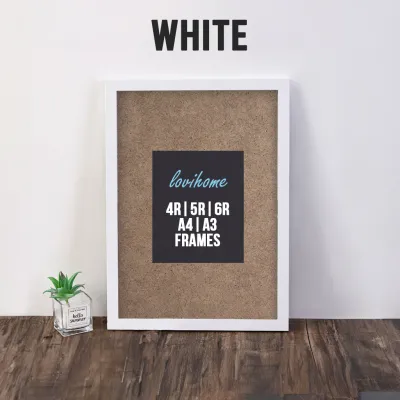
![[SG Stock]4R/5R/6R/A4 Wooden Photo Frame Picture Frame Wood White Black Simple Picture Frame Birthday Gift present Christmas gift](https://img.lazcdn.com/g/p/18a672b2ee155101dfd5e3af7b150d07.jpg_400x400q80.jpg_.webp)
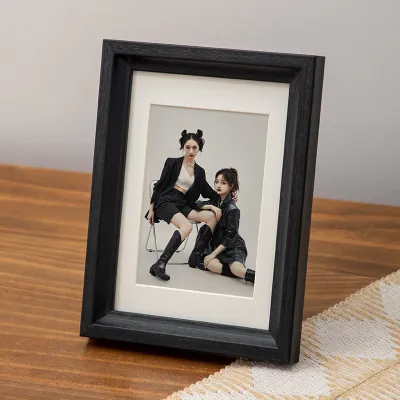

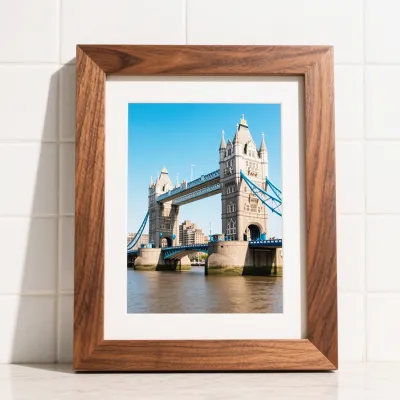

Prices are valid at publication and may change. Please refer to the product page for the latest price.
Finally, evaluate the prevailing color palette and the visual weight of your existing wall decor. Consider whether your walls feature soft neutrals, bold accent colors, or busy wallpaper patterns. The visual weight of your current decor—whether you prefer sparse, airy arrangements or dense, salon-style gallery walls—will establish a clear baseline for the thickness, color intensity, and matting style of your new wooden photo frame.
Matching Wooden Photo Frame Styles to Your Decor
Once you understand your room’s foundational design elements, you can match them to specific wooden frame styles. Different wood species, cuts, and finishes evoke distinct design eras and moods, allowing you to harmonize your wall art with your overall interior aesthetic.

Rustic and Farmhouse Interiors
For spaces that celebrate cozy, heavily textured environments, look for wooden photo frames that showcase visible wood grain, natural knots, and reclaimed or intentionally distressed finishes. These physical characteristics add immediate warmth and tactile character to a room, echoing the raw beauty of the outdoors.
When selecting colors, match warm, earthy tones like natural oak, deep walnut, or weathered gray to complement organic textiles like linen, jute, and wool. These tones ground the artwork and tie in seamlessly with exposed wooden beams or rustic coffee tables.
To maintain this aesthetic cohesion, avoid high-gloss lacquers, ultra-thin sleek profiles, or highly uniform painted surfaces. These modern elements contradict the rustic philosophy, which values imperfection and natural texture. Instead, opt for medium-to-wide frame profiles that possess enough physical presence to stand out against textured plaster or shiplap walls.
Modern and Contemporary Spaces
Modern and contemporary interiors thrive on bold contrasts, streamlined furniture, and abstract art. In these environments, prioritize wooden photo frames with smooth, uniform finishes that feature minimal visible grain or highly consistent painted surfaces. This clean look ensures the frame does not compete with the artwork or the surrounding architectural lines.
Select medium to wide profiles with sharp, clean edges and flat faces to create strong, deliberate geometric boundaries on your walls. A flat, blocky profile acts as a bold border, framing modern prints, photography, or abstract canvases with architectural precision.
To establish a striking visual contrast against your walls, opt for deep stains, painted black, or crisp white finishes. A matte black wooden frame on a light wall creates a classic, high-contrast look that draws the eye directly to the image, while a crisp white frame on a dark accent wall offers a clean, gallery-style separation.
Minimalist and Scandinavian Rooms
Minimalist and Scandinavian design principles focus on simplicity, functionality, and light. To maintain the airy, decluttered feel of these spaces, choose thin, narrow wooden photo frame profiles in light-toned woods such as ash, pine, or natural oak. These species offer a pale, subtle grain that keeps the visual weight of the frame exceptionally low, allowing the wall to feel open and spacious.
Ensure the frames feature matte or unvarnished finishes. A matte finish reduces distracting light reflections and maintains a soft, natural appearance that aligns with the Scandinavian appreciation for raw, organic materials. Unfinished or lightly oiled wood frames blend beautifully with neutral color schemes, soft pastels, and abundant natural light.
Avoid ornate carvings, thick heavy borders, or dark, overpowering stains like mahogany or cherry. These heavy elements disrupt the room’s sense of openness and can make a minimalist wall feel cluttered. Keeping the frame profile narrow ensures the display remains understated and elegant.
Vintage and Traditional Settings
Traditional and vintage-inspired rooms call for frames with historical or decorative details that complement classic furniture, rich textiles, and formal layouts. Look for subtle carved details, beveled edges, or antique-inspired finishes like gold leaf gilding over wood, which echo traditional craftsmanship. These details add a layer of sophistication and formal structure to your wall displays.
Consider wider wooden frames paired with generous double matting. This combination adds physical depth, formality, and a classic gallery-like presentation to family portraits, oil paintings, or vintage botanical prints. The matting provides a visual resting space between the frame’s detailed border and the artwork, elevating the perceived value of the piece.
Coordinate dark, polished wood tones—such as cherry, mahogany, or dark walnut—with the existing traditional furniture pieces in your room. If your space features antique brass fixtures, look for wood-and-metal combinations, such as a dark wood frame with a thin inner gold lip, to tie the wall decor directly to the room’s hardware.
Practical Checks Before You Buy
Before finalizing your purchase, perform several practical checks to ensure the selected wooden photo frame fits your physical space, your artwork, and your wall structure safely. First, measure both the artwork and the available wall space. Confirm that the frame profile and matting proportions are visually balanced; a frame that is too wide can overwhelm a small print, while an ultra-thin frame may get lost on a large, expansive wall.
Next, verify the hanging hardware on the back of the frame and cross-reference it with your wall type. Heavy solid wood frames require sturdy D-rings or hanging wire rather than simple saw-tooth hangers. For safety, always isolate nearby electrical wiring before drilling, and follow the manufacturer’s weight limits. If your wall material is unclear, or if mounting a heavy frame requires specialized anchors, stop and consult a qualified professional to prevent damage or injury.
Finaly, check the frame’s finish and the glass or acrylic glazing under both natural and artificial lighting in your home. Wood finishes can shift in color depending on the color temperature of your light bulbs, and high-gloss glazing can create intense glare near windows. Observing how the materials behave in your actual living environment ensures the final display meets your aesthetic expectations.
Frequently Asked Questions (FAQ)
Can I mix different wooden photo frame styles on a gallery wall?
Yes, you can mix different wooden photo frame styles on a single gallery wall, provided you establish a unifying element to prevent the display from looking chaotic. One effective method is to use consistent matting colors and uniform spacing between each frame. This creates a clean, structured grid or layout that ties the diverse frames together.
Additionally, try to maintain a shared color family or similar visual weight across the frames. For example, you can mix rustic weathered gray frames with sleek modern black frames if they share similar medium-width profiles. Alternatively, you can combine different wood species like oak, pine, and walnut if you keep all the frame profiles thin and minimalist.
How do I maintain wooden photo frames in humid environments?
In humid environments, such as tropical climates or rooms with high moisture levels, wooden frames require careful placement and maintenance to prevent warping, mold, or finish degradation. Keep your frames away from direct moisture sources, such as open windows during rain, and avoid placing them in direct, prolonged sunlight, which can dry out the wood unevenly and cause cracking or fading.
Dust your frames regularly using a dry, soft microfiber cloth to prevent moisture-binding dust from settling on the wood grain. Avoid using liquid sprays, chemical cleaners, or wet cloths, as these can penetrate the wood’s finish and cause swelling or discoloration. Always refer to the manufacturer’s care label for specific cleaning instructions, and ensure the room maintains adequate ventilation to protect both the wooden frame and the enclosed artwork.
Community discussion
Share your experience or ask a question. Comments are reviewed before publication.