
A cigar ashtray serves a dual purpose in your home: it is a functional necessity for smokers and a deliberate decorative accent. Matching an ashtray to your interior design relies on aligning materials, shapes, and finishes with your existing aesthetic, whether you prefer clean modern lines or ornate classic details. By understanding how different textures, weights, and forms interact with your furniture, you can select a piece that feels like a natural extension of your living space rather than an afterthought.
Identifying Your Core Interior Design Style
Before browsing for accessories, take a moment to evaluate the dominant design elements already present in your room. Every interior style relies on specific visual markers—such as the clean, unadorned lines of modernism, the intricate carvings of traditional decor, the raw textures of industrial spaces, or the high-gloss finishes of glamour. Observing these elements helps establish a clear baseline, ensuring that any new addition complements the existing environment.
To pinpoint your dominant style, conduct a quick self-assessment of your current furniture and color palettes. Look at the largest pieces of furniture in the room: are they characterized by sharp geometric angles and neutral tones, or do they feature warm wood grains, rolled arms, and deep jewel colors? If your space is dominated by exposed brick, matte metals, and distressed wood, your aesthetic leans industrial. Conversely, if you find polished stone, brass accents, and velvet upholstery, your room aligns with a luxury or transitional theme.
Products mentioned in this guide


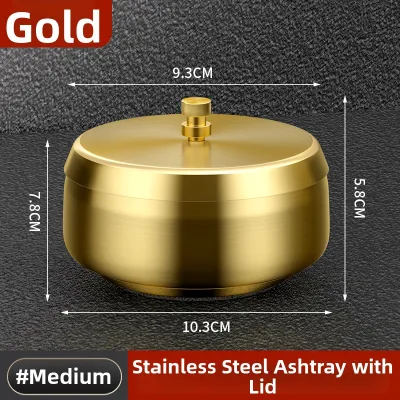
Prices are valid at publication and may change. Please refer to the product page for the latest price.
Once you have identified your style, decide whether you want your cigar ashtray to blend seamlessly into the background or serve as a deliberate, contrasting focal point. A matching piece maintains visual harmony, allowing the eye to sweep across the room without interruption. On the other hand, a contrasting ashtray—such as a rugged concrete piece placed on a sleek glass table—creates an intentional visual anchor that draws attention and sparks conversation. Both approaches are valid, provided the contrast is executed with intention rather than randomness.
Matching Ashtray Materials and Shapes to Your Decor
The visual impact of a cigar ashtray is primarily driven by its material composition and physical shape. Different materials carry distinct visual weights and textures; for instance, a solid block of dark marble feels grounded and permanent, while a clear crystal piece offers a lighter, light-refracting presence. Understanding these material properties allows you to select an accessory that harmonizes with the surrounding surfaces, whether they are polished wood, matte metal, or soft textiles.

Similarly, the geometry of the ashtray influences how it interacts with nearby decor. Sharp, angular shapes like squares and hexagons project a disciplined, contemporary feel that aligns with structured layouts. Organic, rounded, or freeform shapes introduce softness and flow, making them ideal for relaxed environments or traditional settings where rigid lines are minimized. By pairing the right material with a complementary shape, you establish a cohesive design narrative.
Modern Minimalist and Contemporary
Modern minimalist and contemporary spaces prioritize function, open space, and a lack of unnecessary clutter. For these environments, look for ashtrays crafted from sleek, unadorned materials such as clear glass, polished concrete, or matte black metal. These materials reflect the clean, industrial-adjacent principles of modern design without introducing distracting visual noise.
The shape of a minimalist ashtray should feature sharp geometric lines or perfectly smooth curves. Seek out designs with hidden or seamlessly integrated cigar rests, where the slots blend into the overall form rather than protruding awkwardly. This maintains the clean, uninterrupted silhouette that defines contemporary styling.
When decorating a minimalist room, it is best to avoid ornate patterns, heavy visual textures, or overly bright colors. A vibrant, multi-colored ceramic ashtray or one with intricate gold filigree will likely disrupt a neutral color palette and clash with the understated elegance of the space. Stick to monochromatic tones, subtle earth shades, or completely transparent designs.
Vintage and Classic
Traditional, heritage-inspired, and vintage interiors celebrate history, craftsmanship, and rich textures. To complement this classic aesthetic, choose ashtrays made from timeless materials such as polished brass, heavy cut crystal, or rich mahogany wood. These materials evoke a sense of nostalgia and pair beautifully with antique furniture, leather armchairs, and warm lighting.
Classic shapes are typically characterized by deep, round bowls, pronounced rests, and sometimes elegant pedestal bases that elevate the piece off the table surface. These traditional designs prioritize comfort and presence, offering a substantial look that feels right at home alongside old books and fine decanters.
When sourcing a vintage-style ashtray, pay close attention to the quality of the construction and the authenticity of the finishes. Avoid pieces with artificial distressing or cheap metallic coatings that can peel or look synthetic under close inspection. Instead, look for solid metals that will develop a natural patina over time, adding to the authentic character of your decor.
Industrial and Rustic
Industrial and rustic design styles embrace the beauty of raw, unfinished, and utilitarian elements. If your home features exposed pipes, concrete floors, or reclaimed timber, look for ashtrays made from cast iron, raw steel, hammered copper, or natural stone. These materials celebrate imperfections, showing off unique grain patterns, tool marks, and oxidation.
The shapes in this category should lean heavily toward utility and stability. Heavy, thick-walled designs with wide bases are ideal, as they convey a sense of rugged durability. Visible manufacturing marks, rivets, or rough-hewn edges enhance the authentic, workshop-inspired aesthetic.
Delicate, highly polished, or fragile materials like thin porcelain and fine crystal should generally be avoided in rustic settings. These refined finishes visually clash with the raw, tactile environment of an industrial room. Instead, choose pieces that look as though they could withstand the elements and heavy daily use.
Luxury and Glamour
For spaces designed around opulence, sophistication, and high-end comfort, the cigar ashtray should serve as a true statement piece. Look for premium materials that convey weight and elegance, such as polished marble, green onyx, heavy lead crystal, or metals finished with gold or platinum accents. These materials catch the light beautifully and add a sense of indulgence to the room.
Oversized, substantial designs work best in glamorous settings, allowing the ashtray to act as a deliberate centerpiece on a marble coffee table, a dark wood study desk, or a polished console. A tiny, inconspicuous ashtray can easily get lost in a richly decorated room, whereas a large, beautifully crafted piece commands attention.
Because luxury materials like marble and heavy crystal are exceptionally heavy, always verify the weight of the piece before placing it on delicate furniture. Check that the underside of the ashtray features protective padding, such as felt or velvet, to prevent scratches on polished wood, lacquer, or glass surfaces. If padding is missing, consider adding adhesive felt protectors yourself.
Practical Features to Check Before Buying
While aesthetics are crucial for maintaining design harmony, a cigar ashtray must ultimately perform its primary function safely and effectively. Before finalizing your purchase, evaluate the physical dimensions and layout of the cigar rests. Cigar rollers produce a wide variety of shapes and sizes; therefore, the rests must be wide and deep enough to comfortably cradle different ring gauges without allowing the cigar to roll, tilt, or fall onto the table.
Next, consider the overall bowl capacity and how easily the material can be cleaned. A shallow bowl may look sleek, but it will require frequent emptying to prevent ash from blowing away, especially in well-ventilated rooms. Review the manufacturer’s care instructions to ensure the material can withstand direct heat, embers, and potential staining without discoloring or cracking. Non-porous materials like glass, glazed ceramic, and treated stone are generally much easier to wipe clean than unglazed clay or soft woods.
If you plan to use your ashtray on a balcony, patio, or near an open window in Singapore’s breezy tropical climate, wind resistance is a critical factor. Lightweight plastic, thin metal, or small wooden ashtrays can easily slide or tip over in a sudden draft. Opt for heavy-bottomed designs made of solid stone, cast iron, or thick crystal, and look for deep-dish bowls that keep the ash shielded from moving air.
Whether you are investing S$30 in a simple ceramic piece or S$300 in a hand-carved marble centerpiece, always prioritize safety by verifying that the material is entirely non-combustible and heat-resistant. Some decorative trays sold on online marketplaces are marketed as multi-purpose but lack the necessary heat-proofing to handle glowing embers safely. Always check the product specifications to confirm the item is certified or rated specifically for smoking materials.
Placement and Styling Tips for Your Space
Integrating your cigar ashtray into your room’s layout requires a balance between accessibility and visual composition. To create a cohesive look, try pairing the ashtray with complementary accessories on a decorative tray. For example, placing a marble ashtray alongside a matching stone coaster, a high-quality lighter, and a small vase on a wooden tray creates a curated vignette that looks intentional and organized.
Consider the optimal placement based on how you use the space. On a living room coffee table, position the ashtray within easy reach of the primary seating while keeping it centered enough to maintain visual balance. On a study desk or a side table next to a reading chair, place it on the side of your dominant hand to make resting your cigar natural and comfortable, reducing the risk of accidental spills.
To keep the area looking sophisticated, avoid surrounding the ashtray with excessive clutter. Let the piece have some breathing room on the table surface so its design features can be appreciated. Regularly emptying the ash and wiping down the surface not only maintains hygiene but also ensures the accessory continues to enhance your home decor rather than detracting from it.
Frequently Asked Questions (FAQ)
Can I use a regular decorative tray as a cigar ashtray?
No, you should not use a standard decorative tray as a substitute for a dedicated cigar ashtray. Dedicated ashtrays are specifically engineered with contoured rests that hold the cigar securely in place, preventing it from rolling off and scorching your furniture or creating a fire hazard. Standard trays lack these specialized rests, making them highly impractical and unsafe for active smoking.
Furthermore, decorative trays are often made from materials like wood, plastic, lacquer, or thin metals that are not rated for high heat. Direct contact with hot ash, embers, or a forgotten cigar can easily burn, melt, or discolor these surfaces, releasing unpleasant fumes or damaging the tray permanently. Always check the manufacturer’s specifications to ensure any vessel you use is explicitly rated for heat and smoking materials.
How do I clean and maintain a crystal or glass cigar ashtray?
To maintain the clarity and shine of a crystal or glass cigar ashtray, always refer to the manufacturer’s care label or product manual first. Generally, the safest method is to hand-wash the piece using warm water, a mild dish soap, and a soft microfiber cloth. Avoid abrasive scrubbing pads or harsh chemical cleaners, which can scratch the surface or strip away protective coatings.
After washing, rinse the ashtray thoroughly with clean water and dry it immediately with a lint-free towel to prevent hard water spots from forming. If you notice persistent cloudiness, deep heat stains, or structural cracks, stop using the ashtray immediately. Cracks can expand rapidly when exposed to the heat of a cigar, potentially causing the piece to shatter during use.
Community discussion
Share your experience or ask a question. Comments are reviewed before publication.