
To find the correct glass cover size for your Buddha figurine, measure the statue’s absolute maximum height, width, and depth, then add a clearance gap of 1.5 to 3 centimeters on all sides. This extra space ensures the glass does not touch the delicate surfaces of the figurine while providing a balanced, visually appealing display. Taking precise measurements protects your sacred or decorative item from dust, moisture, and accidental physical contact.
In Singapore’s humid tropical climate, dust and airborne moisture can quickly settle on intricate carvings, tarnishing gold leaf, paint, or natural wood finishes over time. A well-fitted glass dome or rectangular case acts as a protective shield, preserving the pristine condition of your sculpture. By taking the time to measure the physical dimensions and plan for the base style, you can select a cover that enhances the beauty of your figurine without risking a costly purchasing mistake.
Essential Tools for Measuring Your Figurine
Accurate measurements require the right tools to prevent errors and protect the figurine during the process. Before you begin, prepare a clean, flat workspace, such as a sturdy table or countertop. Lay down a soft, clean microfiber cloth or a silicone mat to place the figurine on, which prevents scratches to both the base of the statue and your furniture.
Products mentioned in this guide


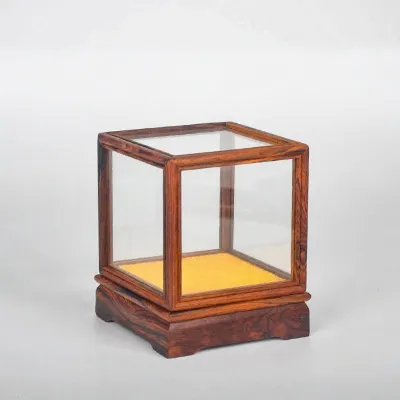
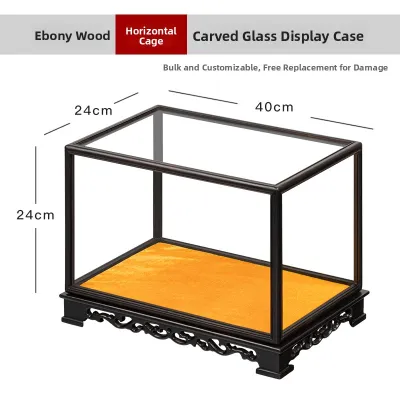
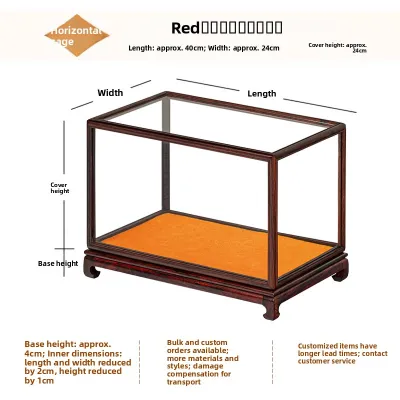
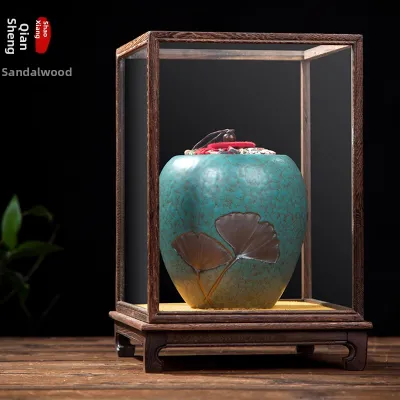
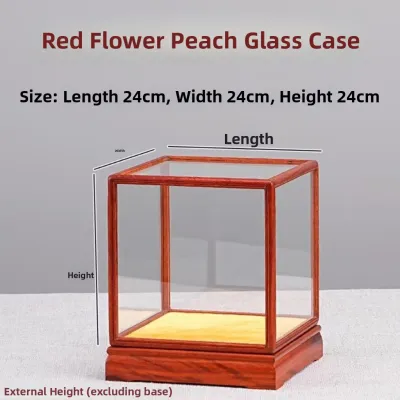
Prices are valid at publication and may change. Please refer to the product page for the latest price.
For the primary dimensions, a standard rigid ruler or a metal retractable measuring tape works well for straight lines. However, if your figurine has delicate, curved, or protruding features, a flexible sewing tape measure is highly useful for navigating tight spaces without applying pressure. Ensure the tape measure is pulled taut but not wrapped tightly around delicate details.
For highly intricate or small protrusions, such as a small hand gesture (mudra), a crown tip, or decorative jewelry, digital calipers can provide precise readings. If you use calipers, choose plastic or carbon-fiber models rather than metal ones, or wrap the caliper tips in a thin layer of masking tape to avoid scratching the figurine’s surface. Always handle the figurine by its sturdiest parts, typically the lower base, rather than lifting it by delicate limbs or accessories.
How to Measure the Height, Width, and Depth
Measuring a Buddha figurine requires identifying the absolute outermost points of the sculpture rather than just the central body. To measure the height, place the figurine flat on your protected surface. Position your ruler or measuring tape vertically, starting from the absolute lowest point of the statue’s base to the highest tip. This highest point might not be the head; it could be the peak of a flame halo (ushnisha), the top of a crown, an upright hand gesture, or a raised ceremonial object.

Next, determine the maximum width by measuring the widest horizontal span of the figurine. Look at the statue from the front and identify the two points that extend furthest to the left and right. In many Buddha figurines, this will be the knees in a seated lotus position, the outer edges of the lotus throne, or the elbows and hands. Align your measuring tool parallel to the table surface to capture this horizontal distance accurately, ensuring you do not angle the tape, which can distort the measurement.
Measuring the depth is equally critical and is often overlooked. The depth is the distance from the furthest front-facing point to the furthest back-facing point. For example, a seated Buddha might have knees that protrude significantly forward, while the back might feature an attached halo or a flowing robe that extends backward. Place your ruler flat on the table alongside the figurine to measure this front-to-back distance, keeping the tool perpendicular to the width axis.
Asymmetrical postures, such as a reclining Buddha or a figure with one arm extended, require extra care. For these shapes, imagine the figurine sitting inside a tight rectangular box. Your goal is to measure the length, width, and height of that imaginary box. If the figurine is tilted or has a complex, multi-tiered base, always measure the widest footprint of the base as well as the widest part of the upper body, as either could dictate the minimum size of the glass cover.
Calculating the Correct Glass Cover Dimensions
Once you have the exact physical dimensions of your Buddha figurine, you must calculate the internal dimensions of the glass cover. Never buy a cover that matches the exact measurements of your statue, as the glass will press against the figurine, causing friction, potential breakage, or an unattractive, cramped appearance. To avoid this, you must add a clearance gap to all sides of your measurements.
For a standard display, add a minimum clearance of 1.5 to 2.5 centimeters (approximately 0.6 to 1 inch) to the width and depth measurements. This means if your figurine is 10 centimeters wide, your glass cover’s internal width should be at least 13 to 15 centimeters. For the height, add a slightly larger clearance of 2.5 to 5 centimeters (1 to 2 inches) above the highest point of the statue. This extra vertical space provides visual breathing room and makes it much easier to lower the glass cover over the figurine without accidentally striking the top.
You must also factor in how the glass cover interacts with its display base. Some glass covers sit flat on top of a wooden or acrylic base, while others slide into a recessed groove or lip carved into the base. If the cover fits into a groove, the internal height of the glass dome or box is slightly reduced by the depth of that groove. Always check the manufacturer’s specifications to verify whether the listed height refers to the total external height or the usable internal height.
Visual proportions play a significant role in creating an elegant display. A cover that is too large can make a small, delicate figurine look lost or insignificant, while also taking up unnecessary space on your shelf or altar. Conversely, a tight cover can make the display feel suffocating. Aim for a balanced ratio where the figurine occupies roughly 60% to 75% of the internal volume of the glass cover, leaving the remaining space as open air to highlight the statue’s details.
Choosing the Right Display Base for Your Cover
The base of your glass cover provides structural stability and completes the overall aesthetic of your display. When selecting a base, ensure its outer footprint matches the dimensions of your shelf or altar space, while its inner dimensions perfectly accommodate the glass cover. A base that is too small can cause the glass cover to overhang, creating a severe tipping hazard.
Bases come in various designs, including flat platforms, recessed grooves, and raised lips. A recessed groove is highly recommended because it holds the bottom edge of the glass cover securely in place, preventing it from sliding off if the table is bumped. If you choose a flat base, ensure it has a non-slip surface or small rubber bumpers to keep the glass from shifting.
Consider the weight capacity and material of the base in relation to both the figurine and the glass cover. Heavy figurines made of bronze, stone, or solid ceramic require a sturdy base material like solid hardwood, marble, or thick, high-grade acrylic. If you are opting for a base with built-in LED lighting to illuminate your Buddha figurine from below, verify the electrical specifications. Ensure the voltage is compatible with local power outlets, check the interface type (such as USB), and confirm that any electrical components carry recognized safety certifications to prevent overheating.
Common Measuring Mistakes to Avoid
One of the most frequent mistakes is forgetting to measure removable accessories or detachable parts that will be displayed alongside the figurine. If your Buddha statue has a separate halo, a detachable lotus throne, or holds loose items like a medicine bowl or a lotus bud, assemble the entire piece exactly as it will be displayed before taking your measurements. Failing to do so often results in a cover that is too short or too narrow to accommodate the fully assembled statue.
Another common error is confusing the external dimensions of a glass cover with its internal dimensions. Glass covers, especially hand-blown glass domes or thick acrylic cases, can have walls that are several millimeters thick. If a retailer lists the external dimensions, the actual space inside will be smaller. Always verify the internal clearance dimensions with the seller before making a purchase to ensure your calculated measurements will fit comfortably inside.
Finally, do not ignore the visual weight and placement environment of the display. If you plan to place the covered figurine on a narrow shelf or inside a shallow cabinet, measure the external dimensions of the base and glass cover to ensure they do not protrude past the edge of the furniture. Leaving insufficient clearance around the outside of the glass cover can make the entire setup look cramped and increases the risk of accidentally knocking the cover over during daily activities.
Frequently Asked Questions (FAQ)
Should I measure the figurine with or without its removable accessories?
You should always measure the figurine with all its removable accessories fully assembled and attached. If you plan to display the Buddha statue on its detachable lotus base or with its halo attached, these components must be included in your primary height, width, and depth measurements. Measuring the statue bare will lead to purchasing a glass cover that is too small to house the complete ensemble. If you prefer to store certain accessories separately, only measure the parts that will actively reside inside the glass cover.
How do I clean the glass cover without moving the figurine?
To clean the glass cover safely, use a dry, clean microfiber cloth to gently wipe away dust from the exterior surface on a regular basis. If the glass requires a deeper clean to remove fingerprints or smudges, apply a small amount of glass cleaner directly to the microfiber cloth rather than spraying it onto the glass itself. Spraying liquid directly onto the cover can cause moisture to run down the sides and seep into the base seams, potentially damaging the wooden base or reaching the figurine inside. Carefully lift the cover straight up and away from the figurine only when necessary, ensuring you have a clear, stable space to set it down.
Community discussion
Share your experience or ask a question. Comments are reviewed before publication.