
Finding the perfect large round chair cover requires a balance of precise physical measurement, material awareness, and an understanding of different fit styles. Whether you are protecting a beloved papasan chair, updating a worn-out dining seat, or refreshing your balcony furniture, a well-fitted cover instantly elevates your interior design. An ill-fitting cover, however, can look untidy, slip constantly, and wear out prematurely due to uneven tension on the fabric.
In Singapore’s warm and humid climate, choosing the right cover involves more than just matching colors. The tropical environment demands materials that breathe well and resist moisture buildup, while the layout of modern apartments means your furniture is often highly visible from multiple angles. By taking the time to measure your chair accurately and selecting a compatible textile, you can achieve a tailored, professional look that protects your furniture investment for years to come.
Step 1: How to Accurately Measure Your Round Chair
To ensure your new cover fits like a glove, you must start with precise measurements. Do not rely on general size labels like “large” or “extra-large,” as manufacturing standards vary widely across different brands and regions. Instead, grab a flexible tailor’s measuring tape, a notepad, and a pen to record the exact dimensions of your chair’s seat.
Products mentioned in this guide
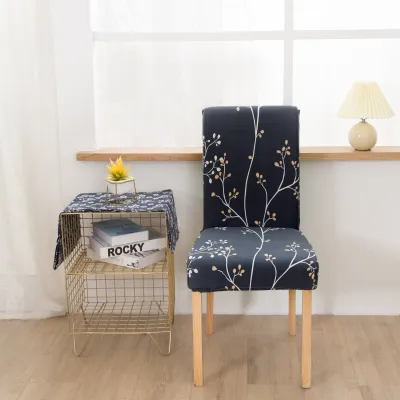
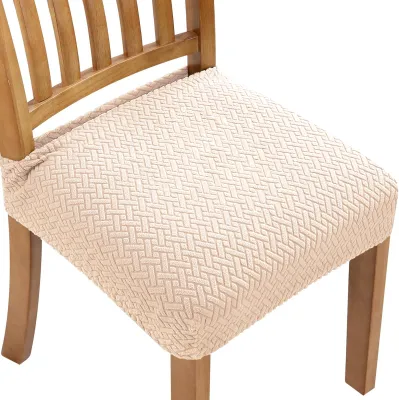
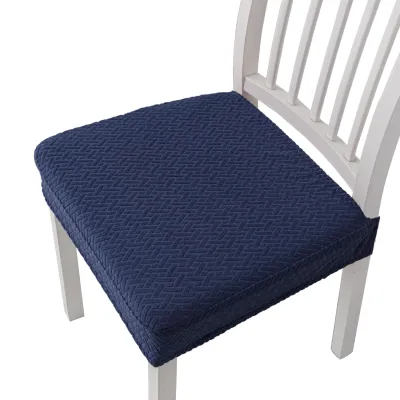
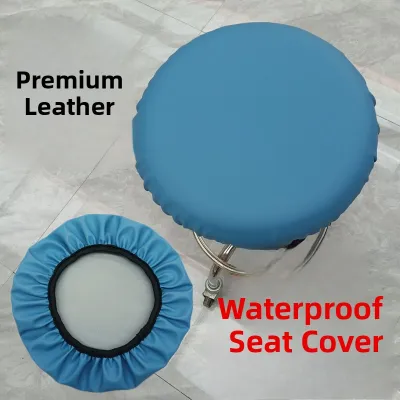
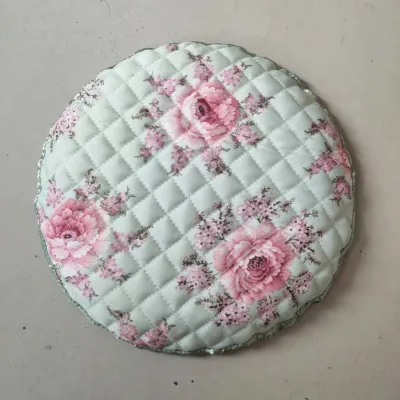
Prices are valid at publication and may change. Please refer to the product page for the latest price.
Begin by measuring the seat diameter. To do this, locate the widest points of the circular seat and measure straight across the center from one outer edge to the opposite outer edge. If your chair has a removable cushion, it is best to measure the cushion itself while it is resting on a flat surface. For molded or fixed round seats, measure across the crown—the highest point of the seat curve—to account for any natural contouring that the fabric must cover.
Next, measure the cushion thickness or the vertical seat depth. This measurement determines the “drop” or the height of the cover’s side walls. Run your measuring tape vertically from the top seam of the cushion down to the bottom edge where the fabric wraps underneath. If you are covering a deep, plush cushion like a papasan, measure the depth of the bowl structure as well, as these styles require significantly more fabric volume to prevent the cover from pulling taut like a drum.
Finally, take note of any structural features that might obstruct a standard cover. Check if your round chair has integrated armrests, a curved backrest that merges with the seat, or exposed wooden framing. If the backrest or armrests are attached directly to the seat cushion, a standard slip-on cover will not work. In these cases, you will need to look for specialized covers with built-in openings, or opt for a multi-piece cover set designed specifically for your chair’s structural configuration.
Step 2: Understanding Cover Sizing and Fit Types
Once you have your measurements, you need to decide between the two primary fit types available on the market: exact-fit covers and stretch-fit covers. Each type serves a different aesthetic and functional purpose, and understanding how to read size charts for both will save you the hassle of returns.

Exact-fit covers are typically made from non-stretch woven fabrics like cotton, linen, or heavy canvas. These covers must match your chair’s dimensions almost perfectly to look good. When reading manufacturer size charts for exact-fit covers, look for a size that is within one to two centimeters of your measured diameter. If your chair falls between sizes, it is generally safer to size up slightly, as non-stretch fabrics offer no flexibility and can rip at the seams if forced onto a frame that is too large.
Stretch-fit covers, usually crafted from polyester-spandex blends, offer a much wider tolerance range. These covers are designed to stretch over a variety of shapes and sizes, pulling tight to mimic the look of professional upholstery. A single stretch cover size might accommodate diameters ranging from 100 centimeters to 120 centimeters. When choosing a stretch cover, ensure your chair’s measurements fall comfortably within the middle of the manufacturer’s specified range; if your chair is at the absolute maximum limit, the fabric may stretch thin, making it translucent or prone to snagging.
To keep your cover flush and prevent it from shifting during daily use, pay close attention to the securing mechanisms. Look for covers equipped with thick, high-quality elastic hems that wrap securely under the seat base. For high-traffic seating, covers featuring adjustable drawstrings, heavy-duty zippers, or integrated tie-downs that fasten around the chair legs offer superior stability. These mechanisms ensure that the cover remains centered and taut, even when guests sit down and stand up repeatedly.
Step 3: Selecting the Right Material and Style for Your Space
Selecting the material for your round chair cover is a decision that affects both daily comfort and the overall aesthetic of your living space. The ideal fabric should complement your household’s lifestyle, the local climate, and your existing interior design theme.
In Singapore’s humid weather, fabric breathability is a primary consideration. Natural fibers like cotton and linen blends are excellent choices for dining rooms and study areas because they allow air to circulate, preventing that sticky feeling during warm afternoons. However, if you have pets or young children, you might prefer durable synthetic blends that feature stain-resistant treatments. For air-conditioned living rooms where comfort is the priority, soft velvet or textured jacquard covers add a touch of luxury and warmth to the space.
From a style perspective, a large round chair cover is a powerful tool for a quick decor refresh. If your room features neutral walls and minimalist furniture, a round chair cover in a bold, tropical print or a deep jewel tone can serve as a stunning accent piece. Conversely, if you want to create a serene, cohesive environment, opt for solid, earthy tones like olive green, warm beige, or soft terracotta. Consider the visual texture of the fabric as well; a waffle-weave or ribbed texture adds depth to a solid color without overwhelming the room’s visual balance.
Before making your final purchase, always check the care labels and product specifications for washing instructions and potential shrinkage. Natural fibers like cotton are prone to shrinking if washed in hot water or dried at high temperatures. If you prefer low-maintenance home decor, look for machine-washable, wrinkle-resistant fabrics that can be washed on a gentle cycle and hung to dry, ensuring they retain their shape and vibrant color over time.
Step 4: Installing and Verifying the Fit
Proper installation is the final step to achieving a flawless, custom-upholstered look. Even the highest-quality cover will look messy if it is not aligned and secured correctly on the chair frame.
Start by draping the cover loosely over the top of the chair. Locate the main seams, zippers, or pattern alignments and align them with the natural structural lines of the chair. For example, if the cover has a prominent center seam, ensure it runs perfectly straight from the back of the seat to the front. If the cover features a specific pattern, center the design on the middle of the cushion before pulling the sides down.
Once aligned, pull the cover down evenly over the sides of the cushion. Reach underneath the seat base to secure the elastic edges, fasten any tie-downs around the legs, or zip the closure shut. If you are installing a stretch cover, use your hands to smooth out any air pockets or wrinkles, working from the center of the seat outward toward the edges. For deep-seated chairs, you can tuck excess fabric into the crevices between the cushion and the frame to create clean, defined lines.
After securing the cover, sit on the chair to test the fit. Stand up and inspect the cover for any signs of slipping, bunching, or pulling. If the fabric pulls tightly across the center, leaving a gap underneath, the cover may be too small or the ties may be fastened too tightly. If the edges sag or drape unevenly, the cover is likely too large. Adjust the tension of the straps or tuck in any loose fabric until the cover sits flush and remains in place when you move.
Frequently Asked Questions (FAQ)
Can I use a square or rectangular cover on a round chair?
Using a square or rectangular cover on a round chair is not recommended because it leads to significant functional and aesthetic issues. The excess fabric at the corners of a square cover will bunch up, creating unsightly folds and uneven overhangs that disrupt the clean lines of a circular seat. Furthermore, this loose, dangling fabric can easily catch on clothing or feet, presenting a potential tripping hazard in your home. To achieve a tailored, secure, and safe fit, it is always best to use a cover specifically designed for round furniture.
How do I prevent my round chair cover from slipping off?
To keep your round chair cover firmly in place, start by choosing a model with built-in securing features like adjustable drawstrings, elastic hems, or under-seat tie-downs. If your cover still slides on a smooth wooden or leather seat, place a thin, non-slip silicone cushion pad or a piece of rubberized rug gripper between the chair seat and the cover. This simple addition increases friction and prevents the fabric from shifting during daily use, ensuring your seating area always looks neat and organized.
Community discussion
Share your experience or ask a question. Comments are reviewed before publication.