
Blending diverse cultural decoration items into a single living space requires a deliberate approach to visual harmony. Rather than simply displaying everything at once, achieving a cohesive look relies on establishing a unifying foundation, balancing proportions, and creating intentional focal points. By applying structured styling techniques, you can celebrate multicultural artifacts while maintaining a clean, organized, and inviting room.
Integrating pieces from different heritages allows you to tell a rich, personal story through your interior design. However, without a clear strategy, a room can quickly begin to resemble a crowded bazaar or an unorganized museum archive. The secret lies in curation, thoughtful placement, and a deep understanding of how different shapes, colors, and textures interact within a shared environment.
Define a Unifying Base for Your Space
Every successful eclectic room begins with a strong, quiet foundation. When mixing intricate cultural artifacts—which often feature complex patterns, vibrant colors, or detailed carvings—the surrounding walls and large furniture pieces must act as a calming canvas. Opting for a neutral color palette on your walls, such as soft alabaster, warm beige, or muted charcoal, provides a clean backdrop that allows the unique details of each decoration item to stand out without competing for attention.
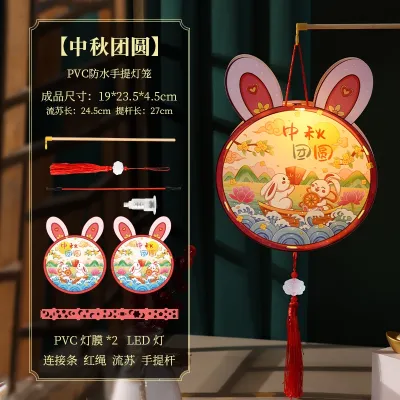
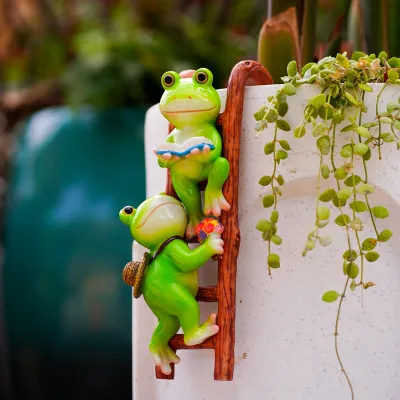
Products mentioned in this guide


![[SG Stock] Wooden Picture Frame Wooden Photo Frame- Wall Art Poster Painting Hanging Stand Table Decor A3 A4 4R 5R](https://img.lazcdn.com/g/p/7e82d3ea8ef383b11bfd2b9f17d6a169.jpg_400x400q80.jpg_.webp)
Prices are valid at publication and may change. Please refer to the product page for the latest price.
Large anchor furniture, such as sofas, dining tables, and sideboards, should ideally feature clean lines and understated designs. A minimalist mid-century modern sideboard or a simple contemporary fabric sofa can ground the room, providing a steady platform for more ornate cultural pieces. By keeping these large-scale elements neutral, you prevent the visual noise that occurs when bold furniture clashes with detailed decorative accents.
To bridge the gap between diverse cultural origins, look for subtle linking elements in materials and textures. Utilizing consistent natural textures throughout the space—such as matte ceramics, unpolished stone, warm teak wood, or woven rattan—creates an underlying thread of continuity. For instance, a rustic clay pot from one continent can feel instantly connected to a hand-carved wooden stool from another when they share a similar organic, matte finish.
Avoid competing background patterns on large surfaces like wallpaper or wall-to-wall carpeting. Busy backdrops distract the eye and make it difficult to appreciate the craftsmanship of individual artifacts. Instead, introduce pattern selectively through smaller, easily controlled textiles like throw cushions, area rugs, or flat-weave tapestries, ensuring they complement rather than overwhelm the primary decorative pieces.
Balance Scale and Proportion
Achieving visual equilibrium in a multicultural room requires careful attention to the scale and proportion of your decoration items. Distributing items of varying sizes evenly across the space prevents one area from feeling excessively heavy while another feels empty. If you place all your large, dark wood carvings in one corner, the room will feel tilted; spreading them out restores balance.

When displaying substantial cultural artifacts, pair them with appropriately scaled complementary pieces to avoid visual dwarfing. A massive, hand-carved ceremonial mask hung on a wall can easily overpower a tiny, delicate porcelain teacup placed directly beneath it. To balance the composition, pair the large mask with a medium-sized ceramic vase or a sturdy wooden console table, creating a gradual transition in scale that feels natural to the eye.
Negative space, or the empty area surrounding an object, is one of the most powerful tools in interior design. To prevent a cluttered appearance, leave adequate breathing room around your most significant artifacts. Allowing empty space on a shelf or mantelpiece gives the eye a place to rest and elevates the perceived value of the displayed item, transforming it from mere clutter into a respected work of art.
Consider the height of your displays to keep the room dynamic yet balanced. Avoid placing all your decorative items at the exact same eye level. Utilize vertical space by hanging textiles, mounting wall sculptures, or using tiered shelving units to draw the eye upward, which helps distribute visual interest throughout the entire volume of the room.
Create Intentional Focal Points
To prevent a room from feeling chaotic, you must guide the viewer’s eye through the space using intentional focal points. Designate specific zones within the room to serve as primary display areas, such as a fireplace mantel, a dedicated console table, or a prominent floating shelf. By concentrating your most meaningful cultural pieces in these dedicated zones, you establish a clear narrative and structure for the room.
Strategic lighting is highly effective for drawing attention to your most cherished artifacts. Highlighting a beautiful sculpture or an intricate textile with a dedicated spotlight or an elegant table lamp can instantly elevate its presence. When planning your lighting scheme, ensure that any lighting fixtures you select comply with local electrical standards and match your home’s voltage and socket interfaces. For fixed wiring installations, track lighting setups, or mounting heavy fixtures at height, always isolate the power at the main distribution board and consult a qualified professional to ensure a safe installation.
Limit the number of dominant focal points in a single room to one or two primary areas. If every wall features a massive, attention-grabbing artifact, the space will feel competitive and overwhelming. Choose one standout piece to be the “hero” of the room, and let other smaller cultural items play supporting roles, arranged quietly on secondary surfaces or integrated into smaller groupings.
Consider the natural flow of traffic and sightlines when positioning these focal points. A beautiful cultural tapestry is best appreciated when placed directly opposite the main entryway or behind the main seating area, where it can be enjoyed immediately upon entering the room. This thoughtful placement ensures the room feels welcoming and intentionally designed from the very first glance.
Group and Layer with Purpose
Rather than scattering small decoration items randomly across every available surface, group them into cohesive vignettes. Applying the classic design “rule of odds”—grouping items in threes, fives, or sevens—creates arrangements that feel naturally balanced and visually engaging. An even number of items can look overly formal or clinical, whereas odd numbers encourage the eye to move across the composition.
To create depth and interest within these groups, layer your items by height and depth. Place the tallest pieces, such as a slender brass candlestick or a tall ceramic vase, at the back of the display. Position medium-sized items in the middle, and place the smallest pieces, like a hand-painted lacquer box or a small stone carving, in the foreground. This overlapping technique prevents the arrangement from looking flat and one-dimensional.
Connect grouped items through a shared design element rather than their geographic or historical origin. You can successfully group a Japanese tea bowl, an African beaded basket, and a contemporary brass tray if they share a common color palette, a similar geometric silhouette, or a matching metallic accent. This thematic connection helps the viewer see the relationship between the items, making the eclectic mix feel deliberate.
Be mindful of the surfaces you use for these groupings. A coffee table, a bookshelf, or a deep windowsill are excellent locations for small vignettes. Keep these arrangements contained; using a small tray to hold a group of three items on a coffee table instantly defines the display area, keeping the rest of the table surface clear and clutter-free.
Edit and Refine the Arrangement
The final, crucial step in mixing cultural decoration items is the editing process. Once you have arranged your pieces, step back and evaluate the room from the main entrance and from different seating positions. Look for areas that feel visually heavy, cluttered, or unbalanced, and be prepared to make adjustments.
Do not hesitate to remove items that do not contribute to the overall cohesive story of the room. It is easy to become emotionally attached to every souvenir or heirloom, but displaying them all simultaneously can diminish the beauty of individual pieces. If an item feels like an afterthought or disrupts the visual flow, store it away safely for future use.
Implementing a rotation system is an excellent way to enjoy a large collection of cultural artifacts without cluttering your living space. By keeping a curated selection on display and rotating them seasonally or every few months, you keep your home’s decor feeling fresh and dynamic. This approach also allows you to give different pieces the spotlight they deserve, ensuring your home remains a beautifully balanced reflection of global artistry.
Frequently Asked Questions (FAQ)
How many cultural styles should I mix in one room?
To maintain a harmonious and organized aesthetic, it is generally best to limit your dominant cultural styles to two or three. Having too many competing cultural influences in a single space can easily result in a chaotic, unfocused look.
To make this mix work effectively, use the primary-secondary-accent rule. Choose one cultural style to act as your primary anchor, representing about sixty percent of the room’s decorative elements. Use a second style to make up about thirty percent, and introduce a third style as a subtle accent representing the remaining ten percent. This structured ratio ensures variety while maintaining a clear sense of order.
Can I mix religious artifacts with secular cultural decor?
Yes, you can mix religious artifacts with secular cultural decor, but it must be done with deep respect and cultural sensitivity. Religious items, such as statues of deities, sacred symbols, or ceremonial objects, carry profound spiritual meaning and should never be treated as mere whimsical accessories.
Always place religious artifacts in elevated, respectful positions within the room, such as on a high shelf or a dedicated altar space, well above the floor level. Keep these sacred items separate from purely secular, playful, or high-traffic decorative clusters. Avoid placing them in areas prone to mess or moisture, such as near dining tables, bar carts, or entryways where keys and mail are dropped, to preserve their dignity and significance.
Community discussion
Share your experience or ask a question. Comments are reviewed before publication.