
The human brain processes sensory inputs in tandem, meaning what you see directly influences how you perceive what you smell. When styling a home with aromatherapy, placing a scented candle in a random vessel can create a subtle but persistent sensory mismatch. By intentionally pairing the design, material, and visual weight of a candle holder with the specific fragrance family of the candle, you can establish a unified atmosphere that feels complete before the wick is even lit.
Fragrance families are generally categorized into four primary groups: floral, fresh/citrus, woody, and spicy/oriental. Each family carries a distinct psychological weight and atmospheric mood. A delicate, breezy floral scent evokes a sense of lightness and romance, whereas a deep, resinous woody fragrance grounds a room with warmth and stability. Matching these olfactory characteristics with corresponding visual textures—such as pairing airy, translucent glass with fresh notes, or heavy, textured stone with earthy aromas—creates a harmonious environment where sight and scent reinforce one another.
Best Candle Holder Materials for Each Fragrance Family
Selecting the right material for your candle holder is not merely an aesthetic choice; it is the foundation of your room’s sensory design. Different materials reflect, diffuse, or absorb light in unique ways, establishing a visual rhythm that matches the evaporation rate and intensity of different scent molecules.
Products mentioned in this guide

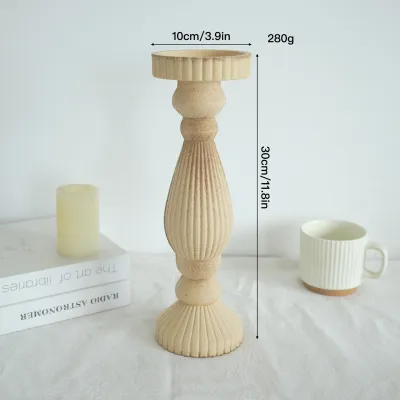
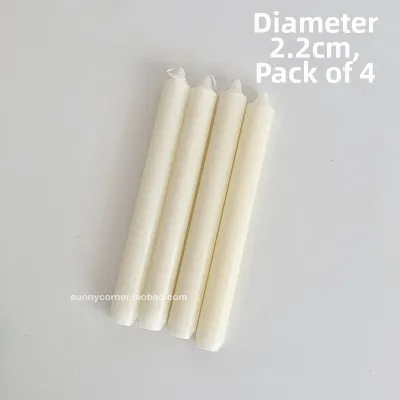
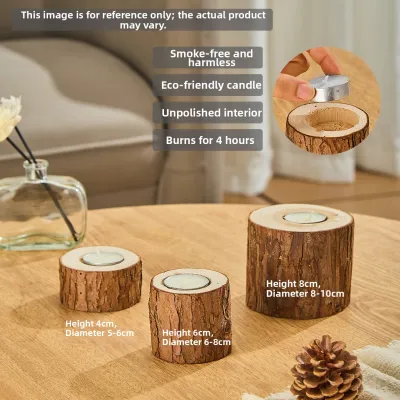
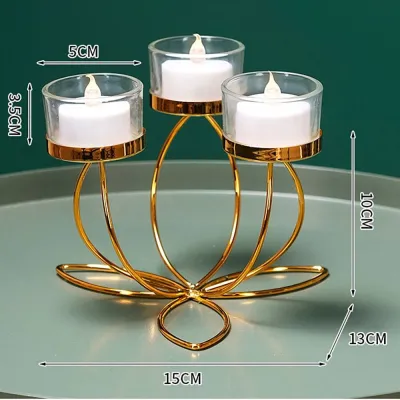
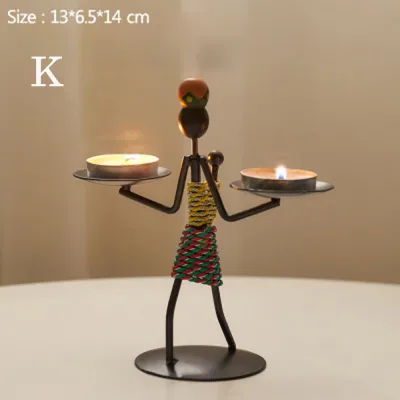
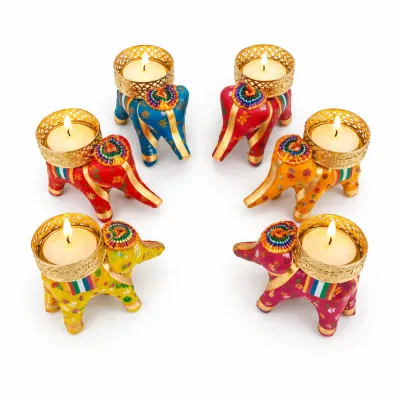
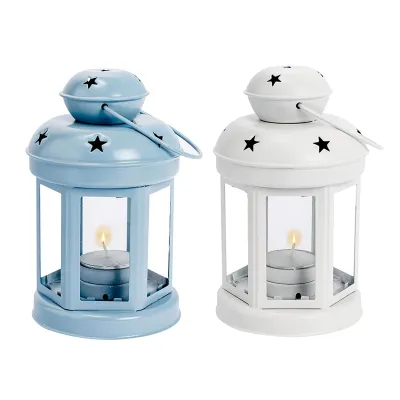
Prices are valid at publication and may change. Please refer to the product page for the latest price.
Floral and Fresh Fragrances
Floral and fresh fragrances, characterized by notes of jasmine, rose, lavender, or freshly cut grass, evoke a sense of openness, delicacy, and natural light. To complement these gentle, uplifting olfactory profiles, select candle holders crafted from clear or frosted glass, pastel-glazed ceramics, and slender metallic accents. These materials allow light to pass through or reflect softly, mirroring the airy quality of the scents themselves.
Translucent glass holders are particularly effective because they do not visually crowd a space. When the candle is lit, the flame glows through the glass, casting a soft, diffused light that aligns with the romantic and gentle nature of floral notes. Pastel-glazed ceramics in shades of blush pink, soft sage, or pale lavender add a touch of color without overwhelming the senses. If you prefer metal, choose slender, delicate brass or gold-toned wire frames that support the candle without adding heavy visual weight. These design choices ensure that the visual presentation remains as light and refreshing as the fragrance diffusing through the room.
Woody and Earthy Fragrances
Woody and earthy fragrances, featuring rich notes of sandalwood, cedarwood, patchouli, and vetiver, bring a grounding, warm, and comforting presence to an interior. To visually anchor these deep, resinous scents, opt for candle holders made from raw or matte ceramics, concrete, natural stone, and highly textured finishes. These materials possess an inherent organic weight that mirrors the forest floor and ancient trees from which the fragrances are derived.
Unglazed stoneware and matte ceramic holders provide a tactile, rustic quality that feels authentic and unpretentious. Concrete and stone holders, such as those carved from travertine, marble, or slate, offer a solid, permanent presence on a tabletop or mantelpiece. The natural variations, pores, and rough edges of these materials visually represent the complexity of earthy scents. By choosing neutral, warm tones like charcoal, terracotta, sand, and deep forest green, you reinforce the comforting, protective atmosphere that woody fragrances naturally establish in a living room or study.
Citrus and Aquatic Fragrances
Citrus and aquatic fragrances are bright, energizing, and clean, often featuring sharp notes of lemon, bergamot, grapefruit, sea salt, and marine accords. These scents are highly volatile, meaning they disperse quickly and fill a room with an immediate burst of freshness. To match this crisp and modern profile, select candle holders with sleek minimalist designs, polished chrome or brass finishes, and geometric glass structures.
Reflective surfaces and clean lines are essential for capturing the energetic essence of citrus and marine notes. Polished metals, such as chrome, stainless steel, or high-shine brass, catch and bounce the candlelight around the room, creating a dynamic, lively play of light. Geometric glass holders with sharp, clean angles offer a contemporary aesthetic that feels organized and refreshing. Cool-toned materials, including silver metals and clear, uncolored glass, visually reinforce the icy, refreshing qualities of aquatic scents, making them ideal for home offices, kitchens, and bathrooms where clarity and focus are desired.
Spicy and Oriental Fragrances
Spicy and oriental fragrances are rich, mysterious, and deeply warm, characterized by complex blends of vanilla, amber, clove, cinnamon, and exotic resins. These scents are slow-burning, intimate, and lingering, often associated with luxury and evening relaxation. To enhance the depth and sensuality of these notes, choose candle holders made from dark tinted glass, antique brass, copper, and ornate or embossed metalwork.
Dark tinted glass, such as deep amber, smoked grey, or rich burgundy, filters the candlelight to create a low-intensity, moody glow. This reduced light output immediately signals intimacy and warmth, perfectly matching the heavy base notes of vanilla and amber. Antique brass and copper holders offer a warm, historical patina that feels treasured and exotic. Ornate, filigree, or embossed metalwork casts intricate, dancing shadows across the walls when the candle is lit, adding a layer of visual mystery and drama that complements the complex, evolving layers of a spicy fragrance.
Safety and Compatibility: Matching Holders to Candle Types
While aesthetic harmony is essential for home styling, it must never compromise physical safety. Before pairing any candle with a holder, always check the manufacturer instructions for both the candle and the holder to ensure compatibility. If the instructions conflict, or if you are unsure of the material limits, stop and consult a professional or the manufacturer directly.

Heat conductivity is a primary safety consideration, particularly with metal holders. Thin metal conducts heat rapidly and can become hot enough to damage underlying furniture or cause burns if touched. Use thin metal holders primarily with enclosed tealights or votives that have their own protective cups, and place them on heat-resistant coasters.
Flammability is another critical risk when dealing with organic materials. Wooden, bamboo, or highly porous holders must never come into direct contact with open flames or melting wax. If you use a wooden holder, ensure the candle is housed in a secure glass or metal container, such as a metal-cupped tealight, to prevent the wood from catching fire as the candle burns down. Never burn bare pillar candles directly on flammable or highly porous surfaces.
Thermal shock can cause glass holders to crack or shatter violently if they experience sudden temperature fluctuations. Ensure that any glass holder you use is specifically rated for candle use and has sufficient thickness to withstand prolonged heat. Avoid placing a hot glass holder directly onto a cold surface, and never use cold water to extinguish a candle or clean a hot holder.
In humid tropical environments like Singapore, specific material maintenance is required. High humidity can cause untreated wood holders to warp, split, or develop mold over time. Similarly, uncoated metals like brass and copper tarnish and oxidize much faster in humid conditions. To prevent this, select treated or sealed wood and coated, tarnish-resistant metals, and store your candle holders in well-ventilated areas away from direct moisture.
Styling and Layering Candle Holders in Different Rooms
Translating individual pairings into a cohesive room display requires an understanding of scale, height, and spatial context. To create visual interest without cluttering your surfaces, apply the ‘rule of three’ by grouping candle holders in odd numbers. Vary the heights of the holders within a group—using a mix of tall taper holders, medium pillars, and low tealights—to guide the eye naturally through the display.
Adapt your pairings to the specific function of each room to enhance the spatial experience. For instance, place energizing citrus scents in sleek, polished metal holders on a home office desk or bathroom vanity to promote alertness. Conversely, reserve relaxing woody scents in heavy stone or matte ceramic holders for the bedroom or a cozy reading nook to encourage rest and winding down.
To tie a multi-holder display together, use a unifying base such as a marble tray, a mirrored plate, or a shallow wooden platter. This not only protects your furniture from accidental wax spills but also defines the display area. You can layer in natural, non-flammable decorative elements like polished river pebbles or dried decorative elements, ensuring they are kept at a safe distance from the open flames.
Common Pairing Mistakes and Safety Hazards to Avoid
One of the most common aesthetic errors is visual dissonance, which occurs when the physical weight of the holder contradicts the weight of the scent. For example, placing a delicate, airy white jasmine candle inside a heavy, brutalist concrete holder creates a confusing sensory message that disrupts the room’s ambiance. The visual cues should always prepare the mind for the olfactory experience.
Another common issue is scent trapping, which occurs when highly porous, unglazed materials like terracotta or raw plaster absorb volatile fragrance oils from a burning candle. Over time, these materials can retain previous scents, causing a muddy, unpleasant aroma when a new, different fragrance family is introduced to the same holder. To avoid this, use non-porous liners or keep candles in their original glass jars when placing them inside porous decorative holders.
Safety oversights frequently happen when users ignore the melt pool diameter of a pillar candle. Placing a wide pillar candle in a holder that is too narrow restricts airflow and causes the wax to overflow down the sides, creating a significant fire hazard and damaging surfaces. Always ensure the holder’s diameter is wider than the candle’s maximum melt pool to allow for safe, even burning.
Frequently Asked Questions (FAQ)
Can I use a wooden candle holder for pillar candles?
No, you should not place bare pillar candles directly into a wooden candle holder. Wood is highly flammable, and as a pillar candle burns down, the hot wax and open flame can ignite the holder. Always use a protective, non-flammable insert, such as a glass or metal cup, or limit wooden holders to tealights that are fully self-contained in metal or plastic cups.
How do I remove wax residue from a glass candle holder?
To safely remove wax, place the cooled glass holder in the freezer for a few hours until the wax shrinks and hardens. Gently pop the wax out using a plastic tool to avoid scratching the glass. Alternatively, rinse the holder with warm, not boiling, water to soften the residue, then wipe it clean with a soft microfiber cloth, avoiding sudden temperature changes that could cause thermal shock.
Do metal candle holders affect the scent of the candle?
Solid, high-quality coated metal holders do not alter the scent of a candle. However, uncoated, highly reactive, or rusted metals can sometimes interact with the fragrance oils, creating a metallic odor when heated. To preserve the pure scent profile of your candle, ensure the metal holder is clean, dry, and coated, or keep the candle in its original glass jar within the decorative metal sleeve.
Community discussion
Share your experience or ask a question. Comments are reviewed before publication.