
Placing a brass diya in your home is a time-honored practice that bridges spiritual devotion and spatial harmony. To achieve the most balanced energy flow while maintaining a safe living environment, the ideal placement for a brass diya is in high-energy, respectful areas such as your living room, main entrance, or a dedicated prayer altar. Aligning the diya to face East or North is traditionally recommended to invite positive energy, while positioning it on an elevated, heat-resistant surface above waist level ensures both spiritual alignment and essential fire safety.
In modern urban settings, such as high-rise apartments in Singapore, integrating these traditional principles requires a thoughtful balance of spatial layout and practical safety. Because a burning diya involves an open flame and a heat-conducting metal vessel, its placement cannot be decided by spiritual guidelines alone. By understanding how the physical properties of brass and fire interact with your home’s layout, you can create a serene, beautiful space that respects both ancient wisdom and modern safety standards.
Understanding the Feng Shui Elements of a Brass Diya
To successfully integrate a brass diya into your home’s design, it is helpful to understand the elemental dynamics at play. In traditional Feng Shui, every object represents or interacts with one of the five core elements. A brass diya is a unique item because it naturally embodies two powerful, contrasting elements: Metal (the brass vessel itself) and Fire (the active flame).
Products mentioned in this guide
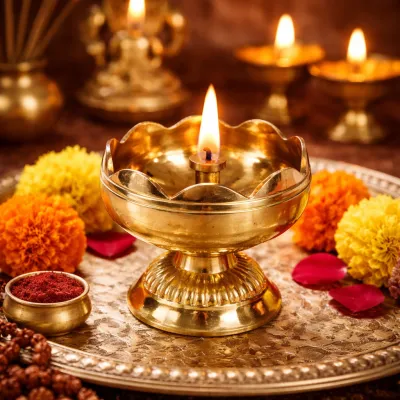

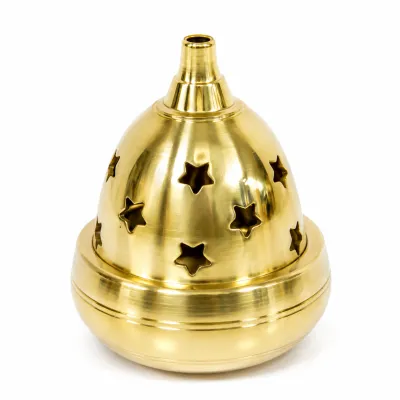
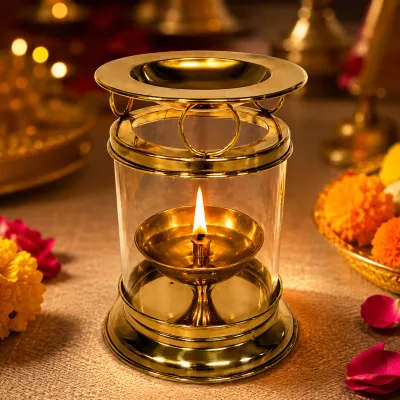
Prices are valid at publication and may change. Please refer to the product page for the latest price.
The brass container represents the Metal element, which is associated with clarity, precision, and structural strength. When you light the wick, you introduce the Fire element, which symbolizes high energy, transformation, and warmth. In the traditional five-element cycle, Fire and Metal exist in a controlling relationship, as heat melts metal. However, when balanced correctly, this relationship is highly constructive; the sturdy Metal vessel safely contains, shapes, and directs the intense energy of the Fire, turning a potentially destructive element into a source of focused light.
Because these elements carry strong energies, their interaction can influence the overall atmosphere of a room. To ensure your placement supports a balanced atmosphere, consider your home’s existing decor and your personal elemental preferences. For highly personalized spatial arrangement advice, consulting a qualified Feng Shui practitioner can provide valuable, individualized guidance.
Ideal Room Locations for Placement
Selecting the right room for your brass diya is the next step in establishing a harmonious setup. High-energy, communal areas are generally the most suitable locations because they naturally welcome and circulate active energy. The living room serves as the central hub of the home, making it an excellent location for a decorative or spiritual brass diya. Placing it here allows the warm glow of the flame to enhance the social, welcoming atmosphere of the space where family members gather.

Another highly recommended location is the main entrance or foyer of your home. In Feng Shui, the main door is considered the “mouth of Qi,” where energy enters the household. Positioning a brass diya near the entrance can serve as a symbolic beacon, welcoming positive energy and creating a warm, inviting transition from the outside world. However, when placing a diya near the doorway, you must ensure it sits securely on a stable console table or shelf where it will not obstruct walkways, catch on clothing, or be exposed to sudden drafts from the door opening.
For those who maintain a dedicated prayer room, altar, or quiet meditation corner, this is naturally the most respectful and spiritually aligned space for a brass diya. These dedicated zones are designed for quiet contemplation, making the focused, calming energy of a single flame highly appropriate. Conversely, there are several areas in the home where placing an active diya should generally be avoided. Bathrooms, utility closets, and heavily cluttered spaces are associated with waste, dampness, or stagnant energy, which directly conflicts with the pure, active nature of the diya’s flame. Keeping the diya away from these zones ensures that its presence remains respectful and effective.
Directional Alignment and Positioning
Once you have chosen the appropriate room, orienting your brass diya according to traditional directional guidelines can further enhance the spatial harmony of your home. Traditionally, facing the diya toward the East is highly favored, as the East is associated with the rising sun, health, new beginnings, and the Wood element, which naturally feeds and supports Fire. Alternatively, facing the diya toward the North is often associated with career progression and the flow of opportunities. While these general directions serve as excellent starting points for most households, determining the exact compass degrees for highly specific placements requires professional readings and a detailed analysis of your home’s unique blueprint.
The height at which you position the brass diya is equally important for both symbolic respect and physical safety. A diya should always be placed above waist level, preferably on an altar, a sturdy shelf, or a dedicated console table. Placing spiritual items close to the floor is generally considered disrespectful in many cultural traditions, and from a practical standpoint, low placements create a severe tripping hazard for residents and pets. At the same time, avoid placing the diya on exceptionally high or unstable shelves where it is difficult to reach, monitor, or safely extinguish.
Maintaining a clear, unobstructed space around the diya is vital for allowing energy to circulate freely and preventing accidents. Ensure there is ample clearance above and around the vessel, keeping it far away from low-hanging ceilings, decorative wall hangings, or air vents that could cause the flame to flicker erratically. A clean, open perimeter not only showcases the beauty of the brass craftsmanship but also ensures that the heat generated by the flame dissipates safely into the room.
Step-by-Step Setup and Safety Practices
A safe and mindful routine is essential whenever you prepare and light a brass diya. Before each use, perform a quick visual inspection of the brass surface. Check for any structural cracks, deep dents, or structural instability, especially if you are using a hanging or multi-tiered diya design. If your setup involves a suspended or hanging brass diya, safety boundaries are paramount: always ensure that the ceiling hooks are securely anchored into solid material, verify the maximum weight limits of the chain and hook, and consult a qualified professional for installation to prevent dangerous falls.
When preparing a traditional oil diya, select high-quality wicks and clean burning oils, such as sesame oil, mustard oil, or pure ghee, according to the product’s instructions. Carefully pour the oil, leaving sufficient clearance below the rim of the brass vessel to prevent accidental spills or overflows when the wick is inserted. Because brass is an excellent conductor of heat, the entire metal body of the diya will become extremely hot to the touch once lit. Therefore, it is mandatory to place the diya on a sturdy, heat-resistant base, such as a thick stone coaster, a ceramic tile, or a designated metal tray, to protect your wooden, laminate, or glass furniture from heat damage.
If you prefer a modern alternative, such as an electrical or LED brass diya, you must verify several technical specifications before installation. Check the product label to confirm the correct voltage compatibility, base or interface type, and wattage limits. Ensure that the device carries the appropriate electrical safety certifications for your region, such as the SAFETY Mark in Singapore, to prevent electrical short circuits or fire hazards. For any fixed wiring or complex electrical installations, always isolate the power supply before handling and follow the manufacturer’s installation instructions carefully.
Regardless of whether you use a traditional flame or an electrical model, establishing strict stop conditions is a critical part of home safety. Never leave an active, open-flame diya unattended. You must extinguish the flame completely before leaving the room for an extended period, going to sleep, or leaving the house. If you notice the brass vessel becoming structurally unstable, or if the oil begins to sputter excessively, extinguish the flame immediately and inspect the setup once it has cooled down completely.
Common Placement Mistakes to Avoid
To maintain a safe and harmonious home, it is helpful to recognize and correct common placement mistakes. One of the most frequent errors is placing a lit diya directly on the floor or on a low coffee table. This not only disrupts the respectful elevation of the item but also places an open flame within easy reach of children, pets, or loose clothing, significantly increasing the risk of accidental burns or fires.
Another critical mistake is positioning the diya directly under overhead structural beams or low-hanging shelves. In spatial design principles, overhead beams are thought to exert a heavy, pressing energy downward, which can symbolically suppress the rising, uplifting energy of the flame. Practically, placing a heat source directly beneath a wooden beam or shelf can cause heat to accumulate, potentially damaging the finish of your furniture or creating a silent fire hazard over time. Always ensure there is clear vertical space above the flame.
Additionally, avoid placing your diya near highly flammable household materials. Curtains, window blinds, paper decorations, books, and dried floral arrangements can easily catch fire if a sudden draft shifts the direction of the flame or blows a lightweight material into the path of the diya. Finally, avoid the habit of moving an active, lit diya from room to room without a practical reason. Moving a hot metal vessel filled with liquid oil or melted ghee is highly dangerous and can easily lead to painful skin burns or permanent stains on your flooring and furniture. Establish a permanent, stable location for your diya, and only move it when the flame is fully extinguished and the metal has cooled.
Frequently Asked Questions (FAQ)
Can I place a brass diya in the bedroom?
Placing an active, lit brass diya in the bedroom is generally discouraged for both spiritual and safety reasons. In spatial energy principles, bedrooms are dedicated to rest, relaxation, and quiet rejuvenation, requiring a calm, quiet (Yin) atmosphere. The active, stimulating (Yang) energy of a burning flame can disrupt this peaceful environment, potentially affecting your sleep quality. From a safety perspective, burning an open flame in a room where residents are sleeping presents a severe fire hazard. If you wish to enjoy the aesthetic beauty of a brass diya in your bedroom, it is best to keep it as an unlit, decorative piece, or opt for a certified, low-wattage LED alternative that does not produce heat or require an open flame.
How often should I clean the brass diya for good energy?
Regular maintenance is essential to keep your brass diya looking beautiful and operating safely. Over time, burning oil and wicks will naturally leave behind black soot, sticky oil residue, and tarnish on the brass surface. It is recommended to perform a visual check before each use and clean the diya at least once a week if used regularly. To clean the brass without damaging its finish, use gentle, non-abrasive cleaning methods strictly based on the manufacturer’s care instructions. Warm water mixed with a mild dish soap and a soft microfiber cloth is usually sufficient to cut through oil residue. Avoid using harsh chemical cleaners or abrasive scrubbing pads, as these can scratch the brass surface and strip away its protective finish, leading to faster tarnishing in the future.

Community discussion
Share your experience or ask a question. Comments are reviewed before publication.