
Placing a buddha flower vase in your home is a beautiful way to invite serenity, mindfulness, and balanced energy into your living space. In traditional Feng Shui, the specific placement of sacred imagery combined with natural elements plays a vital role in determining how energy, or Chi, flows through your rooms. To maximize these positive energy flows, a buddha flower vase should always be placed on an elevated, stable surface in a respectful, high-vibrational area of the home, such as the living room or a dedicated meditation space.
When positioned thoughtfully, this decorative and spiritual anchor helps to harmonize your household, encourage mental clarity, and invite abundance. Conversely, placing it in low-energy, private, or cluttered areas can disrupt the balance of your home. By understanding the core principles of placement, directional alignment, and daily care, you can create a peaceful sanctuary that supports your well-being.
Understanding the Feng Shui Role of a Buddha Flower Vase
A buddha flower vase is much more than an ordinary decorative container; it represents a powerful union of spiritual symbolism and natural vitality. The image of the Buddha is globally recognized as a symbol of ultimate peace, mindfulness, compassion, and enlightenment. Having this imagery in your home serves as a gentle, daily reminder to remain grounded, present, and calm amidst the busy demands of daily life.
Products mentioned in this guide
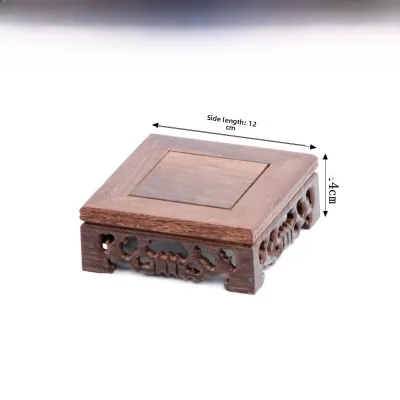
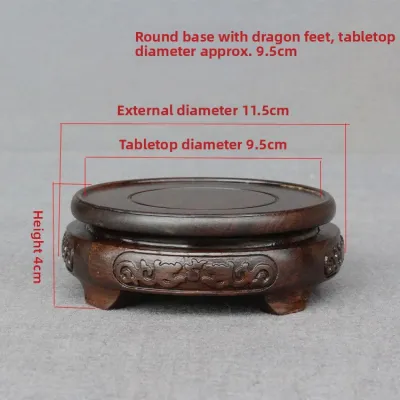
Prices are valid at publication and may change. Please refer to the product page for the latest price.
When you introduce fresh flowers into the vase, you add a dynamic layer of Feng Shui symbolism. In Buddhist and Eastern traditions, fresh flowers represent the beautiful yet fleeting nature of life, serving as a reminder of impermanence. Offering fresh flowers in a dedicated vessel is a traditional gesture of respect, gratitude, and devotion that instantly elevates the spiritual frequency of any room.
The primary goal of combining these elements is to maximize the flow of positive Chi while neutralizing stagnant or negative energies. The living energy of fresh flowers feeds the spiritual presence of the Buddha, creating a harmonious cycle of growth, peace, and renewal. This guide focuses on both the decorative and spiritual aspects of placement, helping you integrate these traditional Feng Shui principles seamlessly into a modern home environment.
Ideal Rooms and Directions for Placement
Finding the right location for your buddha flower vase requires a balance between practical home layouts and energetic mapping. Not every room is suited for sacred imagery, so identifying the most respectful and high-vibrational spaces is your first step.

Best Rooms for Positive Energy
The living room is widely considered the most auspicious location for a buddha flower vase. As the central gathering hub of the home, the living room represents family harmony, social connection, and the welcoming of external opportunities. Placing the vase here allows its peaceful energy to radiate outward, soothing family interactions and leaving a positive impression on guests who enter your home.
Another excellent choice is a dedicated prayer room, a quiet meditation corner, or a peaceful study. These spaces are naturally aligned with introspection and quiet contemplation, making them perfect matches for the tranquil essence of the Buddha. Within these rooms, the vase must always be positioned on an elevated, stable surface—such as a console table, a dedicated altar, or a high shelf. Placing sacred imagery directly on the floor is considered highly disrespectful in Feng Shui and can symbolically trample your household’s positive energy.
In modern Singapore housing layouts, such as HDB flats and condominiums, space can sometimes be limited. You can successfully adapt these principles by utilizing a stylish foyer console table or a prominent living area sideboard. Positioning the vase near the entryway on an elevated cabinet allows it to greet you and your visitors with a sense of calm immediately upon stepping through the door, filtering out the chaotic energy of the outside world.
Auspicious Directions Based on Feng Shui
To further enhance the energetic benefits of your buddha flower vase, you can align its position with favorable compass directions. In traditional Feng Shui, the East sector of the home is deeply associated with health, family harmony, and new beginnings. Because the East is governed by the Wood element, placing a flower vase filled with water and fresh plants here creates a highly productive cycle that nourishes family well-being.
Alternatively, the Southeast sector is another highly recommended direction. Associated with wealth, abundance, and prosperity, the Southeast is also a Wood-element sector. Placing your vase here can help activate financial growth and attract opportunities, especially when filled with vibrant, healthy blossoms that symbolize flourishing success.
While these general directions are highly beneficial, keep in mind that the absolute optimal placement can vary. Your home’s specific floor plan, the orientation of your main entrance, and even your personal Kua number can influence how energy moves. It is always wise to observe how you feel in the space after positioning the vase, allowing your intuition and the natural light of the room to guide your final decision.
Step-by-Step Guide to Setting Up Your Buddha Flower Vase
Setting up your vase with mindfulness ensures that you establish a strong, positive energetic connection from the very beginning. Follow these practical steps to prepare and position your decor item correctly.
- Select a Stable, Elevated Surface: Choose a sturdy piece of furniture that is free from wobbles. The surface should be well-lit to highlight the beauty of the vase, but try to avoid harsh, direct sunlight that can rapidly wilt your fresh flowers or fade the material of the vase over time.
- Verify Electrical and Lighting Safety: If you choose a modern buddha flower vase that features integrated LED lighting, or if you plan to highlight your vase with a dedicated spotlight, pay close attention to electrical safety. Verify that any plugged-in decor carries the appropriate electrical safety certifications, such as the Safety Mark in Singapore, to ensure it is safe for the local 230V grid. Check the manufacturer's specified wattage limits and ensure the installation environment is completely dry. If you are installing a new, fixed overhead spotlight or wall-mounted lighting fixture to illuminate the vase, always isolate the power at your main distribution board before starting, and consult a licensed electrician for any complex wiring.
- Cleanse the Space and the Vase: Before placing the vase for the first time, thoroughly clean the physical surface of the table or shelf. You can also cleanse the space energetically by burning a small amount of natural incense, ringing a singing bowl, or simply setting a clear intention of peace and harmony for your home.
- Choose Auspicious, Fresh Flowers: Select fresh, vibrant blooms that carry positive symbolism. Excellent choices include the lotus (representing purity and spiritual awakening), orchids (representing refinement, fertility, and abundance), lilies (representing peace and purity), or chrysanthemums (representing longevity and joy). Strictly avoid using artificial or plastic flowers, as they represent dead, stagnant energy that does not contribute to active Chi. You must also avoid thorny plants, such as roses with their thorns intact, as sharp thorns create "poison arrows" that disrupt smooth energy flow.
- Arrange and Orient Respectfully: Fill the vase with clean, fresh water and arrange your flowers mindfully. When placing the vase, ensure the face or imagery of the Buddha is oriented respectfully. The Buddha should face inward toward the room to bless the living space, or face toward the main entrance to welcome positive energy. Never position the Buddha face-to-face with a blank wall, a dark corner, or a bathroom door.
Areas and Positions to Strictly Avoid
Just as proper placement can invite wonderful energy, placing a buddha flower vase in the wrong location can lead to disrespectful arrangements and energetically draining scenarios. To maintain good Feng Shui, there are several areas you must strictly avoid.
Never place a buddha flower vase in the bedroom. The bedroom is a highly private, intimate space dedicated to rest, romance, and sleep. Introducing sacred spiritual imagery into this environment is considered disrespectful to the spiritual nature of the Buddha. Additionally, the active, growth-oriented energy of fresh flowers and water can sometimes disrupt the quiet, restorative Yin energy needed for a good night’s sleep.
Bathrooms and toilets must also be avoided at all costs. In Feng Shui, these rooms are associated with waste, moisture, and escaping energy. Placing a sacred object in or directly facing a bathroom is highly disrespectful and can cause your household’s positive energy to drain away. Similarly, keep the vase out of the kitchen, where the heavy clash of fire (stoves) and water (sinks), along with cooking fumes and grease, can compromise the purity of the spiritual energy.
Additionally, avoid these specific structural positions:
- Directly on the floor: This shows a lack of respect and exposes the sacred image to dust and foot traffic.
- Under a staircase: Walking up and down stairs directly over the head of a Buddha image symbolises stepping over the sacred, which suppresses positive Chi.
- In a cluttered storeroom: Clutter traps stagnant energy (Sha Chi) and smothers the peaceful potential of the vase.
- Directly facing a toilet door: This forces the peaceful imagery to absorb negative, draining energy every time the door is opened.
Daily Maintenance and Respectful Care
The key to sustaining excellent Feng Shui over time lies in consistent, respectful maintenance. Because a flower vase involves water and living plants, it requires active attention to prevent the accumulation of stagnant energy.
You must change the water in your vase daily or at least every two days. In tropical climates like Singapore, leaving water to sit for too long not only creates stagnant energy (Sha Chi) but also poses a practical risk of breeding mosquitoes. Keeping the water crystal clear ensures that the energy surrounding your Buddha vase remains vibrant, fresh, and safe for your household.
As soon as flowers begin to wilt, brown, or dry up, remove them immediately. Decaying organic matter attracts negative energy and represents decline, which directly opposes the life-giving principles of Feng Shui. Regularly dust the Buddha vase with a clean, soft cloth to keep it looking pristine. Treating the object with mindfulness and keeping the surrounding table or console entirely free of clutter will ensure that your home remains a magnet for peace and prosperity.
Frequently Asked Questions (FAQ)
Can I place a Buddha flower vase in the dining room?
Yes, you can place a buddha flower vase in the dining room, provided it is positioned respectfully. An elevated sideboard or buffet cabinet away from direct food preparation areas, heavy kitchen traffic, or messy zones is an acceptable spot. However, because the dining room is closely linked to the kitchen, the living room or a quiet foyer console remains the preferred choice for optimal, undisturbed energy flow.
What should I do with the flowers when they start to wilt?
When your flowers begin to wilt, remove them from the vase immediately to prevent stagnant energy from building up. Instead of throwing them directly into your general household trash, a more respectful practice is to return them to nature. If you have a private garden, a balcony planter, or a compost bin, placing the wilting petals there allows them to decompose naturally and nourish the earth, honoring the cycle of life.
Is it bad Feng Shui to display an empty Buddha vase?
Yes, displaying an empty buddha flower vase is generally discouraged in Feng Shui. An empty vase can symbolize emptiness, lack, or missed opportunities within the household. To maintain positive energy, keep the vase filled with fresh water and beautiful flowers. If you do not have fresh flowers available, it is best to store the vase away respectfully inside a clean, closed cabinet until you are ready to use it again.
Community discussion
Share your experience or ask a question. Comments are reviewed before publication.