
Placing a crystal lotus on a Buddhist altar requires a thoughtful balance of spiritual respect, traditional hierarchy, and physical safety. To position it correctly, the crystal lotus should sit within the designated offering zone, typically on the lower tier or front center of the altar, well below the eye and heart level of the main Buddha or deity statue. If you are using a pair of lotuses, they must be arranged symmetrically on the left and right sides of the offering area to maintain visual and energetic balance. This placement honors the sacred hierarchy of your shrine while allowing the reflective properties of the crystal to enhance the light and serenity of the space.
By understanding the symbolic purpose of this decorative offering and preparing your altar space carefully, you can create a harmonious arrangement. Whether you have a simple single-tier shelf or a traditional multi-tier cabinet, integrating a crystal lotus correctly elevates the spiritual atmosphere of your home.
Understanding the Role of the Crystal Lotus
In Buddhist tradition, the lotus is one of the most profound symbols of purity, spiritual awakening, and the journey toward enlightenment. Because the lotus grows in muddy water yet rises above the surface to bloom clean and unstained, it represents the human potential to transcend worldly suffering and attachments. Introducing a representation of this flower to your altar serves as a daily visual reminder of your own spiritual path and the purity of the Buddha’s teachings.
Products mentioned in this guide
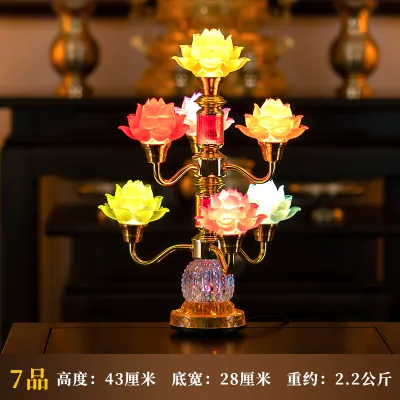
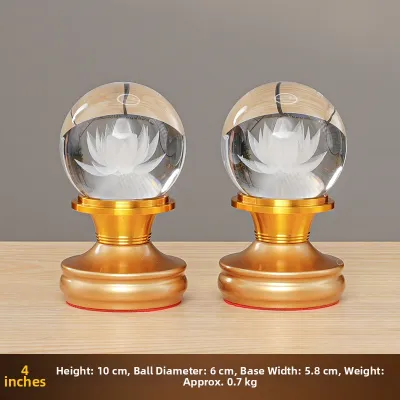
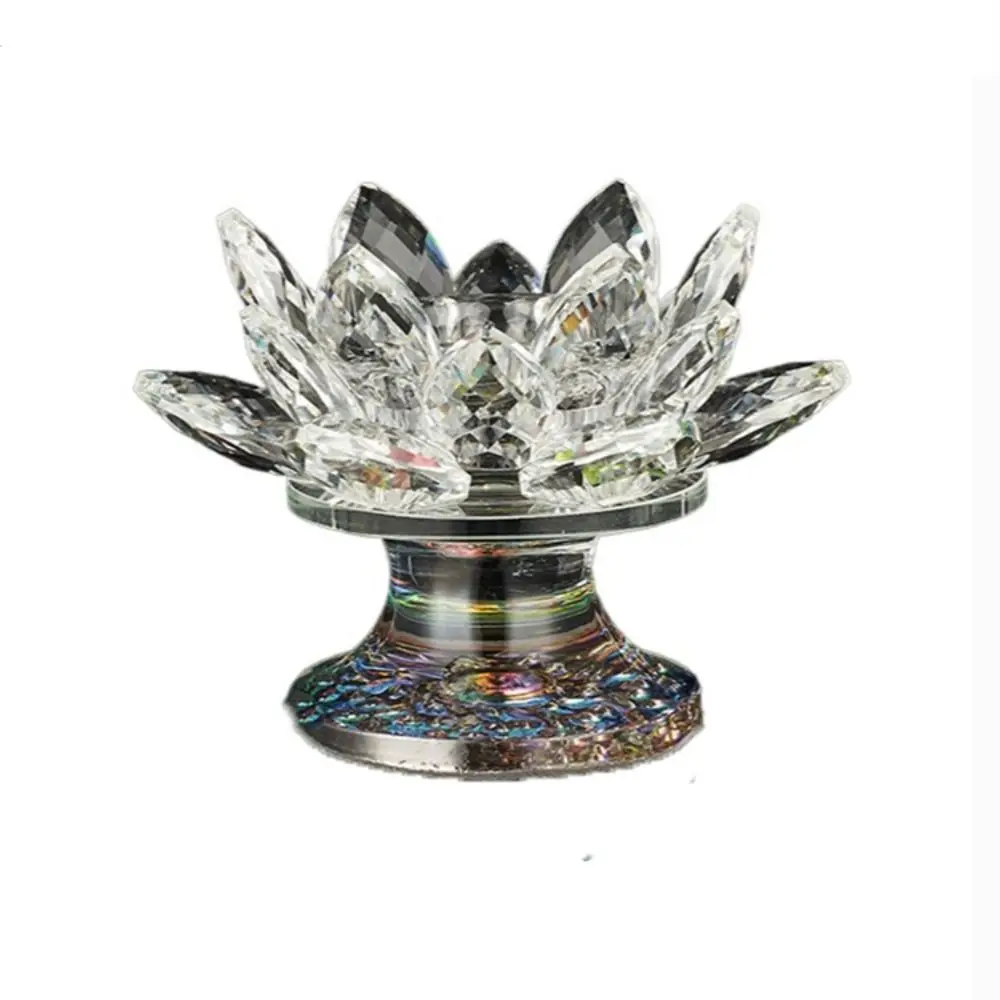
Prices are valid at publication and may change. Please refer to the product page for the latest price.
Choosing a lotus made of crystal adds an extra layer of meaning to your shrine. Crystal is highly valued for its ability to reflect and refract light, symbolizing clarity of mind, wisdom, and pure, unclouded intentions. As light passes through the faceted petals of a crystal lotus, it disperses bright, clear energy throughout the room, which practitioners view as a physical manifestation of the spreading of the Dharma.
Before handling or placing any sacred decor on your altar, it is important to cultivate a respectful mindset. Take a moment to wash your hands, quiet your mind, and approach the altar with a sense of gratitude and devotion. Handling the crystal lotus with both hands and setting a clear, positive intention as you place it ensures that the act of decorating your shrine becomes a meaningful extension of your spiritual practice.
Preparing Your Altar for Placement
Before placing the crystal lotus, take a close look at your current altar layout to determine the most respectful and structurally stable position. In Singapore, home shrines are often designed to fit compact spaces, ranging from wall-mounted shelves in HDB flats to dedicated multi-tier wooden cabinets. Assessing the physical limits of your setup first prevents overcrowding and ensures that every sacred object has its proper place.

Traditional Buddhist altars follow a strict vertical hierarchy that dictates where items should sit. The main deity or Buddha statue must always remain the highest, central focal point of the entire shrine. Lower tiers or the space directly in front of the statues are reserved for offerings, which is where the crystal lotus belongs. Understanding this distinction prevents you from accidentally placing decorative items in a way that competes with or obscures the primary sacred images.
Because crystal is a dense, heavy material, you must ensure that the chosen surface is completely clean, level, and stable. A top-heavy or unevenly supported crystal lotus poses a significant tipping hazard, which could damage the altar itself or break the delicate glass petals. If your altar is wall-mounted, verify that the brackets are secure and capable of supporting the combined weight of your statues, incense burners, and heavy crystal pieces.
Additionally, inspect the base of the crystal lotus before setting it down on your altar. Some crystal figurines have rough, unpolished bases or sharp edges that can easily scratch polished wood, lacquer, or delicate silk altar cloths. If you notice any rough spots, consider placing a small, plain piece of red felt or a dedicated non-slip coaster underneath the base to protect your altar surface without disrupting the visual harmony of the shrine.
Step-by-Step Placement Guide
Once your altar is clean and prepared, you can begin the process of positioning the crystal lotus. Following a systematic approach ensures the placement respects traditional customs while maintaining physical balance.
Positioning Relative to the Main Deity
The primary rule of altar arrangement is that nothing should obstruct the view of the main Buddha or deity statue. Place the crystal lotus strictly within the offering zone, which is situated on the lower tier of a multi-step altar or toward the front-center of a single-tier surface. The top of the crystal lotus should never sit higher than the heart or eye level of the main statue, ensuring that the deity remains the clear focal point of the shrine.
Symmetry plays a vital role in creating a peaceful, balanced altar environment. If you are placing a pair of crystal lotuses, position them symmetrically on the far-left and far-right sides of the main offering area. This balanced layout frames the central deity beautifully and represents the dual cultivation of wisdom and compassion. If you are placing only a single crystal lotus, it should be centered directly in front of the deity, aligned with the incense burner but positioned slightly behind or beside it to avoid blocking the view.
Arranging with Other Offerings
A crystal lotus functions as a permanent or semi-permanent decorative offering, which means it requires a different placement strategy than daily, perishable offerings. Keep the lotus separate from items like fresh fruit, daily water cups, or food offerings. Grouping these items too closely can make the altar look cluttered and detract from the clean, minimalist aesthetic that encourages a calm mind during meditation.
Position the crystal lotus so that it does not interfere with the central incense burner or block the path of rising smoke. Placing the crystal too close to the burner can cause a layer of fine ash and soot to settle on the petals, quickly clouding the material and requiring frequent cleaning. Additionally, leave a safe physical gap of at least a few centimeters between the crystal lotus and any liquid offerings, such as water cups or oil lamps, to prevent accidental spills and moisture damage.
Common Placement Mistakes to Avoid
To maintain a respectful and safe home shrine, there are several common placement errors you should actively avoid. First and foremost, never place a crystal lotus—or any sacred altar item—directly on the floor, on low coffee tables, or on unstable, temporary surfaces. Sacred objects should always be elevated on a dedicated shelf or cabinet to show proper respect for what they represent.
Avoid placing the crystal lotus near the unstable outer edges of the altar or directly beneath heavy, hanging decorations like wall clocks, suspended light fixtures, or hanging planters. A sudden vibration or accidental bump could cause these hanging items to fall, shattering the crystal lotus and potentially damaging other elements of your shrine. Keep the lotus nestled securely within the boundaries of the altar top where it is safe from accidental contact.
Another common mistake is allowing non-religious clutter to accumulate around the crystal lotus. The altar should remain a dedicated, sacred space free from everyday household items like keys, mobile phones, loose coins, or mail. Surrounding a sacred symbol with mundane clutter disrupts the peaceful energy of the shrine and diminishes the respectful intention behind your offerings.
Finally, respect the traditional purpose of the crystal lotus by keeping it strictly on the altar. Avoid using it as a functional household object, such as a paperweight on your office desk, a jewelry holder, or a casual living room centerpiece. Once an item has been dedicated to a Buddhist altar, it should remain in that sacred context to preserve its spiritual significance.
Caring for Your Crystal Lotus on the Altar
Maintaining the physical clarity and cleanliness of your crystal lotus is a form of spiritual practice that reflects your ongoing respect and devotion. Over time, dust, incense ash, and airborne oils can settle on the faceted glass petals, dulling their natural shine and reducing their ability to reflect light.
To clean the crystal safely, use a soft, dry microfiber cloth to gently dust the petals and base. Avoid using rough paper towels, abrasive sponges, or stiff brushes, as these can leave microscopic scratches on the surface of the glass or wear away any delicate gold trim or iridescent coatings. For routine maintenance, a light dusting once a week is usually sufficient to keep the crystal looking pristine.
Never use harsh chemical cleaners, window sprays, or bleach on your crystal lotus, as these substances can chemically react with the crystal glass or damage its decorative base. If the lotus requires a deeper clean due to accumulated incense residue, wash it gently in a bowl of lukewarm water mixed with a drop of mild, pH-neutral dish soap. Rinse the lotus thoroughly with clean water and dry it immediately with a lint-free cloth to prevent unsightly water spots from forming.
Singapore’s highly humid tropical climate presents unique challenges for maintaining altar decor. High humidity can trap moisture underneath the heavy base of the crystal lotus, potentially leading to mold growth on the altar cloth or tarnishing the metal components of the lotus base. Ensure that your altar room is well-ventilated by keeping windows open or using a fan to promote air circulation, which helps keep the altar dry and clean.
If your crystal lotus features an integrated LED light base, you must take extra safety precautions to protect both your home and the device:
- Verify Voltage and Certification: Ensure that the LED base and its accompanying power adapter are compatible with Singapore's standard 230V, 50Hz electrical supply. Always look for safety-certified adapters to prevent electrical hazards.
- Keep Water Away: Position all liquid offerings, such as daily water cups, far away from the electrical cords, plugs, and the LED base itself to eliminate the risk of short circuits.
- Inspect Cords Regularly: Periodically check the power cord for any signs of wear, fraying, or heat buildup, and replace the unit immediately if you notice any damage.
- Isolate Power Before Cleaning: Always unplug the LED base from the wall outlet before moving, dusting, or cleaning the crystal lotus to ensure absolute safety.
Frequently Asked Questions (FAQ)
Can I place a crystal lotus in front of a Guan Yin statue?
Yes, placing a crystal lotus in front of a Guan Yin (Avalokiteshvara) statue is highly appropriate and traditionally resonant. In Buddhist iconography, Guan Yin is almost always depicted holding a lotus, standing on a giant lotus pedestal, or emerging from a lotus pond, symbolizing her infinite compassion and purity. When arranging the altar, place the crystal lotus directly in front of or slightly to the side of the Guan Yin statue, ensuring it sits on the lower offering tier and remains below the statue’s eye level to maintain proper respect.
Does the color of the crystal lotus matter for placement?
While the color of the crystal lotus does not change the physical placement rules on your altar, different colors carry distinct symbolic meanings that you can choose based on personal preference. Clear or white crystal lotuses are traditionally associated with mental clarity, purity of mind, and the elimination of obstacles. Pink lotuses represent devotion, love, and the historical Buddha, while yellow or amber lotuses are often associated with abundance, warmth, and spiritual wealth. Ultimately, the choice of color should be based on what resonates most with your personal practice and complements the overall aesthetic of your shrine.
How often should I move the crystal lotus for cleaning?
To minimize the risk of dropping and breaking the delicate crystal, you should avoid moving the lotus too frequently. It is best to perform light, weekly dusting while the lotus remains in its designated spot on the altar. You should only remove the crystal lotus from the altar for a deeper wash during major Buddhist holidays, monthly lunar observance days (the 1st and 15th of the lunar month), or when you need to wash the underlying altar cloth. When you do move it, always handle it carefully with dry, clean hands and support both the base and the petals.
Community discussion
Share your experience or ask a question. Comments are reviewed before publication.