
Lighting a lamp is a timeless ritual across many cultures, serving as a bridge between the physical and spiritual realms. In Indian traditions, the diya—a small clay or brass oil lamp—is lit to dispel darkness, invite prosperity, and honor the divine. When viewed through the lens of Feng Shui, this humble lamp becomes a powerful tool for manipulating and balancing Qi (universal energy). By understanding where to place a diya in your home, you can activate the beneficial flow of the Fire element, clear stagnant energy, and invite harmony into your living space.
Integrating a diya into a Feng Shui layout requires a thoughtful blend of cultural respect, elemental theory, and practical safety. While traditional Vastu Shastra provides specific guidelines for placing these lamps, Feng Shui offers a complementary perspective based on the Bagua map and the five-element cycle. Whether you live in a spacious landed property or a compact high-rise apartment in Singapore, positioning your lamp with clear intention can transform the energetic atmosphere of your entire household.
How the Diya Activates Fire Element Energy
At its core, a lit diya is a physical manifestation of the Fire element. In Feng Shui, Fire is the most Yang of the five elements, representing passion, high energy, illumination, and social recognition. When you light a wick, the flame immediately begins to transform the surrounding space, drawing stagnant Qi upward and dispersing cold, sluggish energy. This makes the diya an excellent remedy for dark, underutilized corners where energy tends to pool and settle.
Products mentioned in this guide
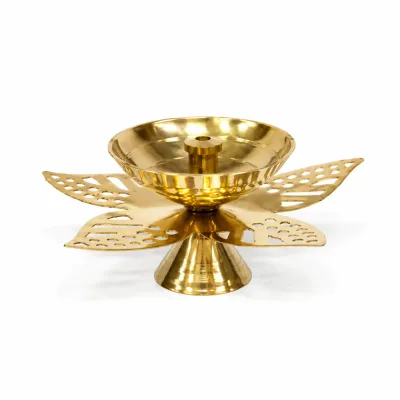
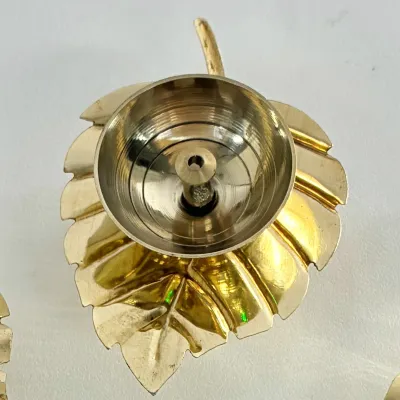
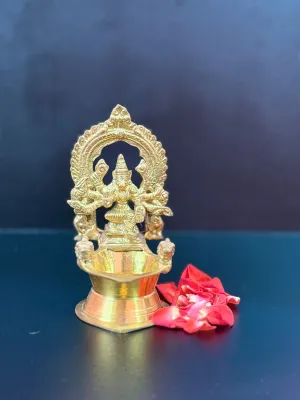
![Partyforte Deepavali 9 PCS Red Clay Diya (5 CM) [LOCAL SELLER FAST DELIVERY!] Great for Diwali and Prayers!](https://img.lazcdn.com/g/p/61badae45e509f7c4bf171dd2af536d0.jpg_400x400q80.jpg_.webp)
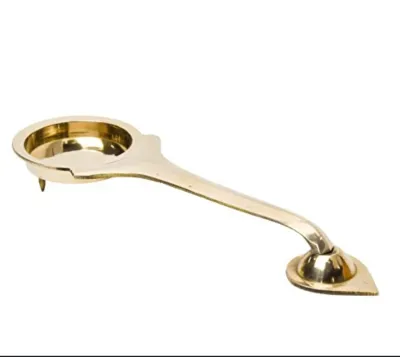
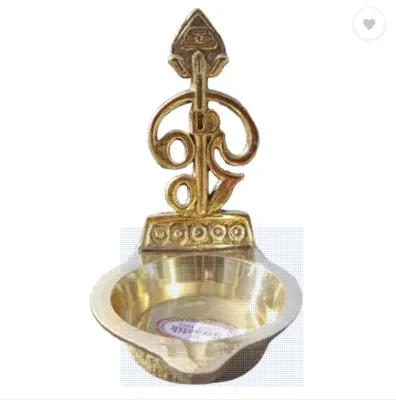
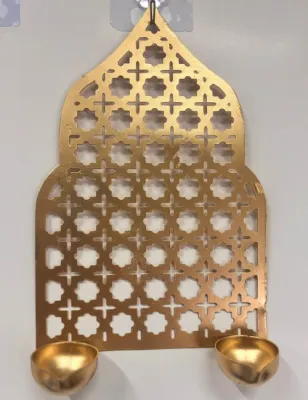
Prices are valid at publication and may change. Please refer to the product page for the latest price.
However, the key to successful Feng Shui is balance. Because modern residential layouts—especially high-density apartments like HDB flats in Singapore—are relatively compact, introducing an active Yang element must be done with care. An excess of uncontrolled Fire energy can lead to irritability, domestic arguments, and a feeling of restlessness among family members. Conversely, a home lacking in Fire energy can feel cold, uninspiring, and stagnant, making it difficult for residents to find motivation or advance in their careers.
By placing a diya in specific, intentional areas, you introduce a controlled, gentle source of Fire energy. This steady flame acts as a catalyst, warming the environment without overwhelming it. The gentle flicker of a traditional oil lamp provides a soft, natural illumination that artificial lighting often fails to replicate, creating a serene focal point that grounds the mind and stabilizes the home’s emotional climate.
Best Compass Directions and Bagua Zones for Your Diya
To maximize the benefits of your diya, you can align its placement with the Bagua, the Feng Shui energy map of the home. Each compass direction corresponds to a specific element and life area, allowing you to target your intentions precisely.

South: Fame and Reputation
The South sector is the natural home of the Fire element, making it the most powerful location for a diya. Placing your lamp here directly fuels the energy of recognition, social standing, and career visibility. If you are seeking a promotion, trying to expand your professional network, or wishing to improve your public reputation, lighting a diya in the South sector of your living room or home office can provide the necessary energetic boost.
East and Southeast: Health, Family, and Wealth
Both the East and Southeast sectors are governed by the Wood element. In the productive cycle of the five elements, Wood acts as the natural fuel that feeds Fire. Placing a diya in these areas helps to stimulate growth, vitality, and abundance. A lamp in the East supports family harmony and physical well-being, while a diya in the Southeast can help activate financial opportunities and wealth accumulation by keeping the energy of these sectors active and vibrant.
Northeast: Spiritual Growth and Knowledge
The Northeast is an Earth-governed sector associated with wisdom, study, and self-cultivation. Because Fire produces Earth in the elemental cycle, a diya placed here acts as a supportive force. It is the perfect placement for students, researchers, or anyone committed to a daily meditation practice. The flame helps to clear mental clutter, foster deep focus, and cultivate inner peace, aligning beautifully with the traditional spiritual roots of the lamp.
To identify these zones accurately, use a reliable compass to take a reading from the center of your home, or overlay a Bagua map onto your property’s floor plan. When taking compass readings in modern apartments, step away from large metal appliances, television sets, or structural concrete pillars, as these can cause magnetic interference and lead to inaccurate readings.
Which Rooms Benefit Most from a Diya
Translating compass directions into the practical layout of a modern home requires looking at how different rooms function. Each room has its own unique energetic signature, and placing a diya in the right space can enhance its daily utility.
The Living Room
As the central gathering hub of the household, the living room is where family members interact and guests are welcomed. Placing a diya here helps to foster warm social connections and dissolve underlying tensions. It acts as an energetic hearth, creating an inviting, cozy atmosphere that encourages open communication and mutual support.
The Entrance or Foyer
In Feng Shui, the main entrance is known as the “mouth of Qi,” the primary portal through which energy enters your home. Positioning a diya near the entrance—safely out of the path of strong drafts—acts as a bright beacon that invites auspicious opportunities and positive energy inside. It signals to the universe that your home is a place of light, warmth, and hospitality.
The Prayer or Meditation Area
For many households, the prayer altar or puja room is the spiritual anchor of the home. This is the most traditional and highly recommended space for a diya. The spiritual intent behind daily lighting rituals in this sacred space amplifies the positive vibrational frequency of the entire house, creating a sanctuary of high-vibrational Qi that protects the household from negative external influences.
The Home Office or Study
If you work from home, placing a diya in the Northeast or South sector of your desk or office space can significantly boost your productivity. The flame helps to stimulate mental clarity, prevent cognitive fatigue, and invite professional recognition. It serves as a visual reminder of your dedication and focus, helping you stay aligned with your career goals throughout the day.
Essential Height and Surface Rules for Placement
The physical setup of your diya is just as important as its location. Proper placement ensures that the lamp is treated with respect, which in turn fosters positive energy flow and maintains household safety.
- Elevation: A diya should never be placed directly on the floor. In both Feng Shui and traditional cultural practices, placing a sacred object on the ground represents a lack of respect and subjects it to low-lying, heavy energy. Always place your diya on an elevated platform, a dedicated altar, a sturdy shelf, or a side table. Elevating the lamp allows the light to disperse more effectively, lifting the room's energy and encouraging upward growth.
- Surface Protection: Protecting your furniture is a practical necessity that carries significant energetic weight. Always place your diya on a stable tray made of brass, copper, ceramic, or treated wood to catch any oil drips, soot, or stray ash. In Feng Shui, sticky residues, oil stains, and charred surfaces are sources of stagnant, dirty energy (Sha Qi). Keeping the supporting surface pristine ensures that the energy remains clean and vibrant.
- Stability and Safety: Ensure that the surface holding your diya is completely flat, stable, and free from wobble. A tipped lamp is a severe fire hazard, which instantly generates chaotic, destructive energy. Before lighting your lamp, double-check that it is positioned away from the edges of tables and out of reach of pets or small children.
Before using any commercial lamp oils, ghee, or wicks, check the applied product’s label and your diya manufacturer’s instructions. If instructions conflict, the item is unidentified, or the use is not covered, stop and consult the manufacturer or a qualified professional.
Inauspicious Placements to Avoid
Just as proper placement can enhance your life, placing a diya in the wrong location can create energetic clashes and safety hazards.
- Water Elements: Avoid placing a diya near bathrooms, directly opposite kitchen sinks, or adjacent to large aquariums. Water and Fire exist in a destructive cycle; water extinguishes fire. Placing a flame in close proximity to dominant water elements creates an energetic conflict that can manifest as emotional volatility, frequent arguments, and unexplained financial drains.
- Drafty Areas: Keep your diya away from open windows, direct paths of air-conditioning vents, or high-traffic corridors. A strong draft can cause the flame to flicker violently, sputter, or blow out entirely. In Feng Shui, an unstable, flickering flame represents inconsistent, unreliable energy, while a suddenly extinguished lamp can symbolize a loss of vitality or missed opportunities.
- The Bedroom: While a diya creates a beautiful, warm glow, it should generally be avoided in bedrooms. The bedroom is a space dedicated to rest, rejuvenation, and intimate connection, requiring quiet, passive Yin energy. The highly active, stimulating Yang energy of a burning flame can disrupt your sleep patterns, make it difficult to unwind, and lead to restlessness.
- Under Overhead Beams: Avoid placing your diya directly beneath exposed structural ceiling beams. Structural beams exert a heavy, downward pressing energy. Placing a rising flame beneath a beam compresses the energy, preventing the positive Qi from expanding and creating an oppressive atmosphere in that specific area of the room.
Maintaining Your Diya to Sustain Positive Energy
The physical maintenance of your diya directly influences the quality of the energy it projects. A neglected, dirty lamp will not yield the positive Feng Shui benefits you desire.
Regularly clean your diya to remove accumulated soot, carbon buildup, and old oil residues. A blackened or sticky lamp attracts heavy, stagnant energy and can cloud your mental clarity. If you are using brass or copper diyas, polish them periodically to keep their metallic surfaces bright and reflective, as shiny metal surfaces help to multiply and distribute the light energy.
Always use high-quality, clean-burning wicks made of natural cotton, and opt for pure oils such as ghee, sesame oil, or mustard oil. High-quality fuel ensures a steady, bright, and smoke-free flame, which keeps the air clean and the energy pure. When the diya is not in active use, extinguish the flame gently rather than blowing it out forcefully, and store the vessel respectfully in a clean, dust-free cabinet.
Frequently Asked Questions (FAQ)
Can I use an electric or LED diya for Feng Shui purposes?
Yes, you can use electric or LED diyas, though their energetic qualities differ from traditional oil lamps. A real flame provides active Yang energy and represents the literal, physical Fire element, making it highly preferred for intentional energy shifts, space-clearing rituals, and active spiritual practices.
However, electric or LED alternatives are excellent for continuous ambient lighting, visual representation, or use in areas where open flames are prohibited. If you opt for an electric or LED diya, check the product’s label and the manufacturer’s instructions to verify the voltage, base/interface, wattage limit, dimensions, dimming method, installation environment, and electrical certification (such as the Safety Mark in Singapore). If instructions conflict, the item is unidentified, or the use is not covered, stop and consult the manufacturer or a qualified professional.
Is it safe to leave a diya burning overnight in an HDB flat?
No, it is highly unsafe to leave any open flame burning unattended or overnight, especially in high-density housing like Singapore’s HDB flats. Fire safety must always take priority over symbolic placement rules. A sudden draft, a curious pet, or a falling curtain can easily cause a fire, which instantly creates severe danger and destructive energy.
Always extinguish your diya before going to sleep or leaving the house. If your spiritual practice or layout goal requires a continuous source of light in your prayer area or a specific Bagua sector, replace the open flame with a high-quality, certified LED diya or place the flame inside an enclosed, heavy-duty glass lantern designed specifically for fire safety.
Community discussion
Share your experience or ask a question. Comments are reviewed before publication.