
On a Buddhist altar, a diya lamp should be placed directly in front of the Buddha statue or flanking it symmetrically on the left and right sides. Crucially, the lamp must always sit lower than the head of the Buddha statue, ensuring the flame never obscures the statue’s face or stands higher than the depiction of the enlightened mind. This placement respects the spiritual hierarchy of the shrine while illuminating the sacred space safely and beautifully.
Creating a home altar, or shrine, is a deeply personal and spiritually significant practice. In modern living environments, such as apartments and condominiums, organizing this sacred space requires a thoughtful balance of traditional reverence and practical safety. The arrangement of each offering carries profound symbolic meaning, and the placement of the diya lamp is no exception. By understanding the correct positioning and the reasons behind it, you can ensure your daily practice remains both respectful and safe.
Why We Offer Light: The Significance of the Diya Lamp
In Buddhist philosophy, light is one of the most powerful symbols of spiritual awakening. Offering light to the Buddha represents the illumination of wisdom and the dispelling of the darkness of ignorance. Just as a physical flame cuts through the darkness of a physical room, the light of the Dharma illuminates the path to liberation, helping practitioners see the true nature of reality. By making this offering, you actively cultivate the mental quality of clarity and express gratitude for the teachings that guide you away from confusion and suffering.
Products mentioned in this guide
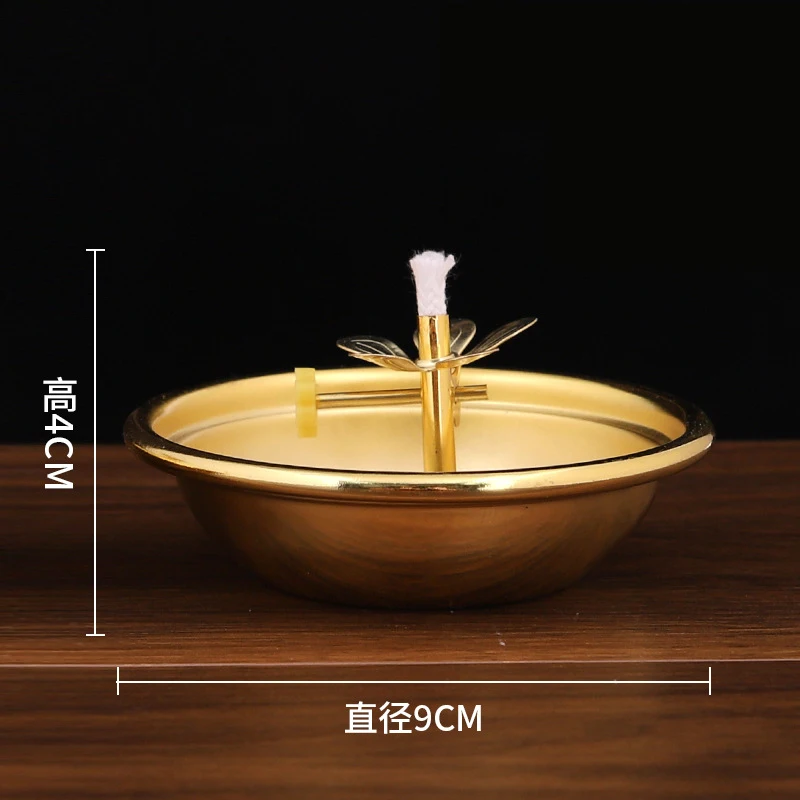
![[SG FREE ]1pcs Buddhistic Lotus Lamp Lotus Lamp Desktop Decoration Light Worship Buddhism](https://img.lazcdn.com/g/p/fbd7921cd7bc0e55914c80c5601e4c70.jpg_400x400q80.jpg_.webp)
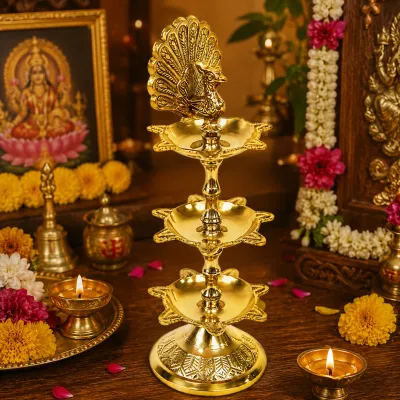
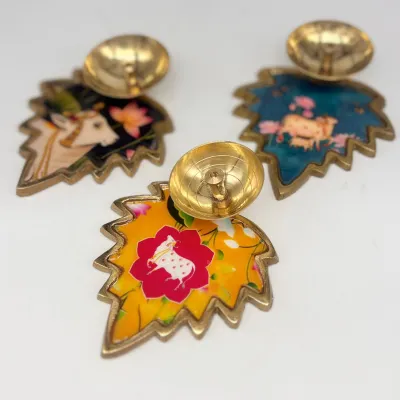
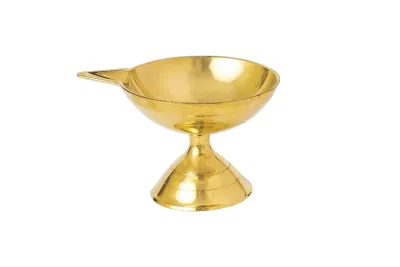
Prices are valid at publication and may change. Please refer to the product page for the latest price.
The physical act of placing and lighting a diya lamp serves as a direct extension of this inner mental offering. It is a moment of mindfulness, where you pause your daily routine to connect with the qualities of the Buddha. As the oil slowly burns away and the wick consumes itself, the lamp also serves as a vivid, quiet reminder of impermanence. The flame shows us that all conditioned things are in a constant state of change and will eventually pass away. Approaching the altar with this deep understanding transforms a simple daily chore into a profound spiritual practice.
Preparing Your Altar and Diya Lamp for Placement
Before placing any offering on your altar, preparing both the physical environment and the items themselves is essential for maintaining a respectful atmosphere. Begin by cleaning the altar surface. Use a dedicated, clean cloth specifically set aside for the shrine, wiping away any dust or residue from previous offerings. This act of cleaning is itself a form of meditation, symbolizing the purification of the mind.

Next, carefully inspect your diya lamp. Whether you use a traditional brass vessel, a ceramic holder, or a clay container, check the structural integrity of the lamp. Ensure there are no hairline cracks or structural weaknesses that could cause oil to leak onto your altar. A leaking lamp not only creates a mess but also poses a serious fire hazard.
Once you have verified the lamp is intact, prepare the fuel and the wick. Traditional ghee or clean, high-quality vegetable oils like canola, soy, or sesame oil are excellent choices for indoor use. Avoid using heavily scented or low-grade oils that produce excess soot or unpleasant smoke. Ensure the cotton wick is properly sized—neither too thick, which causes a large, smoky flame, nor too thin, which may easily drown in the oil. Seat the wick securely in the lamp’s nozzle or center, allowing it to absorb the oil fully before lighting.
Finally, always place the diya lamp on a clean, stable, and heat-resistant base. A small ceramic tile, a polished stone coaster, or a dedicated metal tray works beautifully. This base serves a dual purpose: it protects your altar’s finish from heat damage and catches any accidental oil drips or falling embers, keeping the sacred space pristine.
Where to Place the Diya Lamp Relative to the Buddha Statue
The spatial arrangement of a Buddhist altar reflects the inner order of spiritual practice, making the precise location of your diya lamp highly important.
Positioning the Lamp Around the Buddha Statue
When deciding where to position your diya lamp, the central Buddha statue must always remain the focal point of the altar. The most common and respectful arrangement is to place a single lamp directly in front of the statue, aligned with the center of the base. Alternatively, you can use two matching lamps to flank the Buddha statue symmetrically on the left and right sides. This symmetrical layout creates a balanced visual flow that naturally draws the eye toward the central image of enlightenment.
A crucial and absolute rule of altar arrangement is that the flame of the diya lamp must never sit higher than the head of the Buddha statue. In Buddhist iconography, the head of the Buddha represents the highest state of spiritual realization and must always occupy the highest physical position on the shrine. Additionally, ensure the lamp is positioned so that the flame does not obscure or block the face of the statue. The face of the Buddha should remain completely visible and unobstructed, allowing practitioners to contemplate the serene expression of the enlightened mind during meditation.
Different Buddhist traditions and lineages may have specific variations in how they arrange their altars. For example, in Mahayana practices, the light is often integrated into a uniform row of offerings, whereas Vajrayana practices may follow highly detailed geometric layouts based on specific tantric texts. Theravada altars often emphasize simplicity, focusing on water, flowers, and light. If you belong to a specific temple, community, or follow a particular spiritual teacher, it is always best to defer to their specific instructions to align your home practice with your lineage’s traditions.
Sequencing the Lamp with Other Traditional Offerings
On a standard Buddhist altar, offerings are typically arranged in a specific sequence that represents the hospitality shown to an esteemed guest. This traditional sequence includes water for drinking, water for washing the feet, flowers, incense, light (represented by your diya lamp), perfume, food, and music. When arranged in a straight row in front of the Buddha statue, the items flow from left to right, with the light offering occupying a prominent position near the center.
For many practitioners living in modern, compact homes—such as HDB flats or condominiums in Singapore—space constraints may make a full, traditional seven- or eight-item row impractical. Fortunately, you can easily adapt this sequence for smaller altars without losing the spiritual essence of the practice. A simplified three-item setup consisting of water, incense, and light is highly effective and fits comfortably on almost any shelf or small cabinet.
When arranging a compact altar, the key is to maintain a clear hierarchy and prevent clutter. Place the water offering closest to the front edge of the altar, followed by the incense holder, and then the diya lamp. Ensure that the lamp is positioned safely away from the incense burner to prevent any cross-contact between falling ash and the oil reservoir. By keeping the arrangement neat, clean, and unobstructed, you preserve the respectful atmosphere of the shrine regardless of its physical size.
How to Light and Extinguish the Lamp Safely and Respectfully
The way you interact with the flame on your altar reflects your inner state of mindfulness and respect for the practice.
Lighting the Lamp
When you are ready to light the diya lamp, do not rush the process. Treat it as a sacred transition from your busy day into a space of quiet reflection. Before striking a match or using a lighter, take a deep breath to settle your mind. As you bring the flame to the wick, focus your thoughts on your spiritual goals. Many practitioners find it helpful to recite a short light-offering prayer or a simple mantra to formalize their intention. This simple act of dedication helps direct the positive energy of the offering toward the welfare of all sentient beings.
Extinguishing Etiquette
When it is time to extinguish the flame, Buddhist etiquette strictly prohibits blowing it out with your mouth. In traditional teachings, the human breath is considered physically and energetically impure, and blowing directly onto a sacred offering is seen as disrespectful. Furthermore, blowing out the light is symbolically associated with blowing away the merits you have accumulated through your practice. Instead, use a small brass snuffer, a clean hand fan, or a dedicated metal tool to gently smother the flame. This method is quiet, elegant, and maintains the sacred integrity of the altar.
Fire Safety Guidelines
While maintaining traditional practices is important, indoor fire safety must always be your top priority, especially in modern residential buildings.
- Clearance: Keep the diya lamp at a safe distance from any flammable materials, including hanging scrolls, curtains, artificial flowers, and decorative fabrics. A draft from a window or an air conditioning unit can easily blow lightweight fabrics into an open flame.
- Surface Protection: Always place a fireproof mat, ceramic tile, or metal tray beneath the lamp to prevent heat transfer to the underlying furniture.
- Supervision: Never leave a burning diya lamp unattended. If you must leave the room for an extended period, step out of the house, or go to sleep, always extinguish the flame first. The spiritual benefit of the offering is created through your mindful intention when lighting it, not by leaving an open flame burning unsupervised.
- Child and Pet Safety: Position the altar on a high, stable shelf or inside a secure cabinet where young children and curious pets cannot accidentally knock it over.
Cleaning and Maintaining Your Diya Lamp
Proper maintenance of your altar items is a vital part of daily practice, showing ongoing respect and care for the sacred space.
Once the diya lamp has completely cooled, begin by safely disposing of any remaining oil and the used wick. Never pour leftover cooking oil or ghee down your kitchen sink, as it will solidify and clog your plumbing system over time. Instead, use a paper towel to wipe out the interior of the lamp, absorbing the excess oil, and dispose of the paper towel in your general household waste.
To clean soot and oily residue from the lamp, use mild, dedicated cleaning agents. Warm water mixed with a small amount of gentle dishwashing liquid works exceptionally well for most brass, copper, and ceramic lamps. Avoid using harsh abrasive scrubbers that can scratch the polished metal or damage delicate glazes. For stubborn soot stains on brass, a paste made of baking soda and water, or a specialized metal polish, can restore the lamp’s original luster.
After washing, dry the lamp thoroughly with a clean, soft cloth to prevent water spots or tarnishing. If you use a brass or copper diya, periodic polishing will keep the metal bright and reflective, mirroring the radiant quality of the wisdom it represents. Finally, store your extra fuel, wicks, and matches in a cool, dry place away from heat sources and direct sunlight, ensuring your supplies remain safe and ready for your next offering.
Frequently Asked Questions (FAQ)
Can I use an electric or LED diya lamp instead of a real flame?
Yes, electric or LED diya lamps are an excellent and widely accepted alternative in modern Buddhist practice. In many modern apartments, condominiums, or rental properties, open flames are restricted by building rules, pose safety hazards, or easily trigger sensitive smoke detectors. Using an LED lamp eliminates these risks while still fulfilling the symbolic purpose of offering light. In Buddhism, the sincerity of your heart and the clarity of your intention are far more important than the physical medium of the flame.
How many diya lamps should I place on the altar?
For a standard home altar, placing either one central diya lamp or two flanking lamps is perfectly appropriate. A single lamp represents the unified light of wisdom, while a pair of lamps represents the balance of wisdom and compassion. While larger numbers of lamps, such as 108, are traditionally offered during special ceremonies or in temple settings, they are not necessary for daily home practice. Focus on the quality of your devotion and mindfulness rather than the quantity of items on your shrine.
What should I do if the diya lamp goes out unexpectedly?
If your lamp goes out unexpectedly, there is no need to worry or interpret it as a bad omen. In almost all cases, an extinguished flame is caused by simple physical factors, such as a draft from a nearby fan or window, a wick that is too short, or moisture and impurities in the oil. Calmly inspect the lamp, trim or replace the wick if necessary, ensure there is adequate oil, and relight it with a peaceful and respectful mind. Treating the occurrence with calm practicality is a wonderful way to practice mindfulness in the moment.
Community discussion
Share your experience or ask a question. Comments are reviewed before publication.