
Placing a crystal ball in your home for feng shui benefits depends on matching the physical characteristics of the sphere with the specific functional needs of each room. Traditionally, these decorative objects are positioned in areas where natural light can interact with them, or in quiet corners to anchor the room’s atmosphere. By understanding how to balance symbolic placement with practical home safety, you can enhance your living space’s visual harmony and overall flow.
In modern interior design, incorporating cultural artifacts like crystal spheres is a popular way to introduce natural textures and mindful focal points. Whether you live in a compact apartment or a spacious house, the key to successful placement lies in understanding how these objects interact with light, movement, and the existing layout of your home. By aligning your decorative choices with both traditional principles and physical safety guidelines, you can create a balanced home that feels both welcoming and secure.
Core Feng Shui Principles for Crystal Placement
In traditional feng shui, crystal balls are highly regarded for their ability to influence the flow of energy, or chi, within a living space. Because of their symmetrical, spherical shape, they are believed to distribute energy evenly in all directions, creating a sense of balance and completeness. Depending on how they are crafted, different spheres serve distinct symbolic purposes in a room.
Products mentioned in this guide

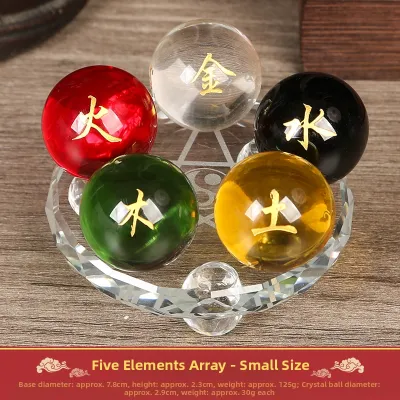

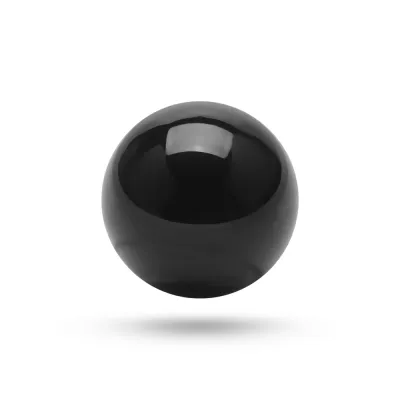
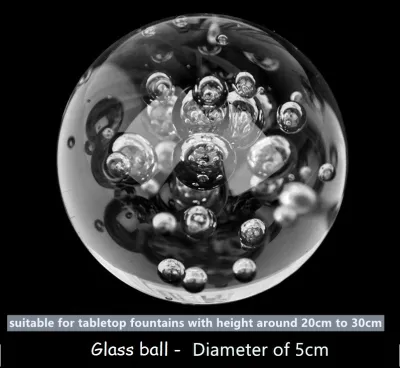
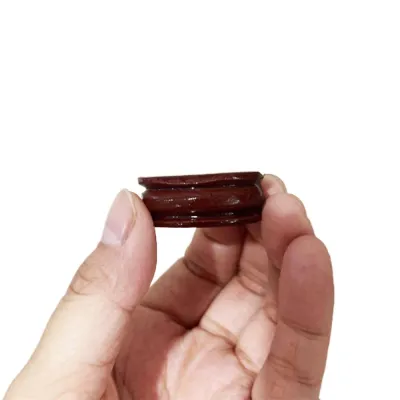
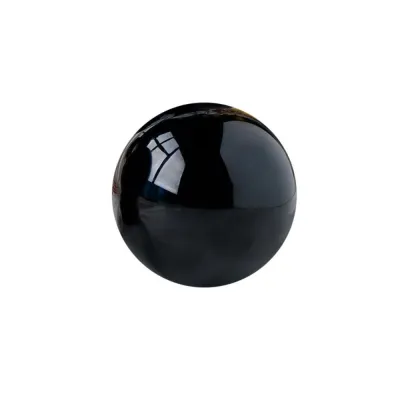
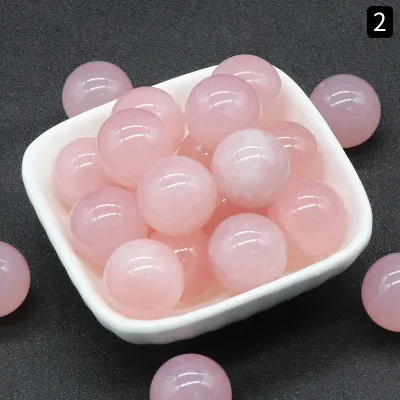
Prices are valid at publication and may change. Please refer to the product page for the latest price.
Faceted crystal spheres, which feature numerous flat cut surfaces, are primarily used to disperse and refract light. When hung near a window, they catch incoming sunlight and scatter it into a spectrum of colorful patterns, which is traditionally thought to break up stagnant energy and spread vitality. These are ideal for active, social areas where you want to encourage movement and lively conversation.
In contrast, smooth crystal spheres focus on gathering and grounding energy. Made from natural minerals or polished glass, these solid globes present a calm, continuous surface that draws the eye inward. They are traditionally used to promote stability, quiet contemplation, and emotional balance, making them excellent additions to spaces dedicated to rest, study, or recovery.
Ultimately, the effectiveness of any placement depends on your personal intention and how you interact with the space. A crystal ball should not be viewed as a magical cure, but rather as a mindful design element that reinforces your desire for order, beauty, and harmony in your daily life.
Strategic Placements by Room and Intended Effect
To maximize both the aesthetic and symbolic benefits of a crystal ball, it is essential to match the sphere’s physical properties with the specific function of each room. Different areas of the home demand different levels of activity, light, and privacy, which dictates where and how high the crystal should be displayed.

Generally, placing spheres at eye level or waist level on stable furniture allows them to integrate naturally into your decor. This height ensures they are visible enough to serve as visual anchors without disrupting the physical flow of the room or posing a safety hazard to household members.
Living Areas and Entryways for Welcoming Energy
The living room and entryway serve as the primary transition zones between the outside world and your private sanctuary. Positioning a faceted crystal sphere near a window in the living area allows it to catch natural daylight, transforming harsh sunbeams into soft, scattered light that brightens the entire room. This simple placement can make a communal space feel more open, vibrant, and welcoming to guests.
If you have dark, stagnant corners in your living room—such as deep alcoves or spaces behind large furniture—placing a smooth crystal sphere there can symbolically lift the atmosphere. The reflective surface of the sphere helps draw light into the shadow, making the corner feel integrated with the rest of the room.
When decorating entryways, avoid placing a crystal ball in direct alignment with the front door. Traditionally, it is believed that placing a highly reflective object directly opposite an entrance can symbolically push incoming energy back outside. Instead, position the sphere slightly offset on a console table or shelf, where it can gently guide the visual flow into the home.
Bedrooms and Study Spaces for Harmony and Focus
In private areas like bedrooms and study spaces, the goal shifts from dispersing active energy to cultivating quiet focus and rest. For bedrooms, smooth, smaller spheres made from calming minerals like rose quartz or amethyst are highly recommended. These materials offer a soft, matte, or gently polished appearance that supports a restful environment, unlike highly reflective faceted spheres that can cause visual overstimulation.
When placing a crystal ball in the bedroom, keep it out of your direct line of sight from the bed. Having a reflective object directly visible while you are trying to sleep can be visually distracting and may disrupt your ability to wind down. Instead, place it on a dresser or side table that sits outside your immediate field of view when lying down.
For study spaces or home offices, positioning a smooth crystal sphere on your desk or a nearby bookshelf can symbolize mental clarity and concentration. Placing it on your desk is a traditional practice associated with academic and professional growth, helping to anchor your focus during long working hours.
Zones to Reconsider or Avoid
While crystal balls can enhance many areas of the home, certain locations present physical risks or clash with the spatial flow. High-traffic walkways, narrow corridors, and unstable surfaces should be strictly avoided. A heavy sphere knocked off a console table can cause significant damage to flooring or, worse, injure family members and pets.
Cluttered shelves and crowded countertops are also poor choices for crystal placement. When a crystal ball is surrounded by piles of paper, keys, or miscellaneous decor, its visual impact is lost, and it can contribute to a feeling of physical and mental clutter rather than harmony.
Additionally, avoid placing crystal spheres in areas subject to extreme temperature fluctuations, such as directly above radiators, next to air conditioning vents, or near kitchen stoves. Rapid temperature shifts can cause physical stress to natural minerals, potentially leading to internal fractures or damage to delicate display stands.
Balancing Feng Shui with Physical Safety and Decor
Integrating a crystal ball into your home decor requires a careful balance between traditional symbolism and practical safety. Large, solid natural crystal spheres can be exceptionally heavy. Before placing a large sphere on a shelf, console, or glass-topped table, verify the weight capacity of the furniture to prevent structural bowing or sudden collapse.
To prevent physical accidents, always display your crystal ball on a stable, non-slip base or a custom-designed stand. Smooth spheres can easily roll off flat surfaces if bumped, leading to breakage or injury. Wooden, brass, or stone stands with a recessed cup keep the sphere securely in place while protecting delicate tabletop finishes from scratches.
A critical safety consideration is the potential fire risk associated with clear, solid spheres. Solid clear glass or natural quartz spheres can act as powerful magnifying lenses. If placed in direct, intense sunlight—such as on a windowsill facing the afternoon sun—they can focus light rays into a highly concentrated point of heat, which can ignite nearby flammable materials like curtains or wooden frames. To eliminate this hazard, always position clear, solid spheres in areas that receive only diffused, indirect light, or opt for faceted spheres, which disperse light safely rather than focusing it.
From an aesthetic standpoint, coordinate the sphere’s color, natural inclusions, and stand material with your room’s existing lighting and interior style. If you choose to use an illuminated display base to highlight the crystal’s internal details, verify that the base matches your local voltage standards, respects wattage limits, and carries recognized electrical safety certifications. Matching the color temperature of the base light ensures the installation enhances the room’s overall design.
Selecting the Right Size and Type for Your Space
Choosing the right crystal ball involves matching the physical scale of the object to the dimensions of your room. A massive sphere can overwhelm a compact study room, making the space feel cramped and visually crowded. Conversely, a tiny sphere will easily get lost in a spacious, open-plan living area, failing to create the desired visual or symbolic impact.
As a general guideline, smaller spheres ranging from 3 to 6 centimeters in diameter are well-suited for desks, bedside tables, and small shelves. Medium spheres of 7 to 10 centimeters work beautifully on coffee tables and entry consoles, while larger spheres exceeding 12 centimeters are best reserved for prominent display cabinets or large dining tables where they can serve as central focal points.
Different natural colors and mineral inclusions are traditionally associated with specific intentions. Clear quartz is often selected for mental clarity, while amethyst is favored for spiritual peace and calming active minds. Rose quartz is traditionally linked to harmony, love, and emotional healing, making it a popular choice for bedrooms, while black obsidian is used for grounding and protection.
When purchasing, verify the material authenticity and origin of the sphere by carefully reading product labels and seller descriptions. Natural crystals will feature unique internal inclusions, veining, and slight color variations, whereas manufactured glass spheres are typically uniform, flawless, and may contain tiny air bubbles. Understanding these differences helps you make an informed decision that aligns with your budget and aesthetic preferences.
Routine Care and Energetic Cleansing
To maintain both the physical beauty and the symbolic clarity of your crystal ball, regular maintenance is essential. Dust and fingerprints can quickly accumulate on the polished surface, dulling its shine and reducing its ability to refract light effectively. Gently wipe the sphere at least once a week using a soft, lint-free microfiber cloth to keep it looking its best.
For deeper cleaning, use a damp cloth with mild, non-abrasive soap if necessary, and dry the sphere immediately with a clean towel. Avoid using harsh chemical solvents, abrasive scrubbers, or acidic cleaners, as these can strip away polished finishes or permanently damage softer minerals like calcite, fluorite, or selenite.
Many cultural traditions also emphasize the importance of “resetting” or cleansing the energy of decorative crystals periodically. Depending on your personal beliefs, you can perform a symbolic cleansing by wiping the sphere with a damp cloth while focusing on your intentions, placing it in a spot that receives indirect moonlight overnight, or using sound vibrations from a singing bowl. Avoid leaving colored crystals like amethyst or rose quartz in direct sunlight for extended periods, as intense UV rays can cause their natural colors to fade over time.
Frequently Asked Questions (FAQ)
Can I place a crystal ball in the bathroom or kitchen?
Placing a crystal ball in the bathroom or kitchen is generally not recommended due to physical and symbolic factors. High humidity and steam in bathrooms can damage wooden or metal display stands and cause thermal stress to certain sensitive minerals. In the kitchen, airborne grease and heat can quickly coat the crystal, requiring frequent, harsh cleaning that can damage its polished surface. Symbolically, bathrooms are associated with draining water and waste, making them counterproductive locations for placing objects intended to gather or disperse positive energy.
How often should I move or cleanse my crystal ball?
The frequency of cleaning and moving your crystal ball depends largely on your household environment and personal preferences. For physical maintenance, dust the sphere whenever you notice a visible buildup or a reduction in its light-refracting quality. Energetic cleansing or repositioning can be done whenever you feel the room’s atmosphere needs a refresh, during seasonal changes, or when adjusting your home decor. Additionally, you should check and adjust the placement of any clear spheres if seasonal shifts alter the path of direct sunlight entering your windows, ensuring they remain safely out of direct sunbeams.
Community discussion
Share your experience or ask a question. Comments are reviewed before publication.