
Placing a talisman at home for maximum Feng Shui benefit requires aligning its specific elemental nature and purpose with the correct spatial sectors of your living space. By matching the talisman’s material and intent to the corresponding areas of your home—such as the main entrance for protection or the diagonal corner of a room for wealth—you can harmonize the flow of energy (Qi). Proper elevation, respectful handling, and regular maintenance ensure these traditional items serve as effective focal points for positive energy in your household.
In modern high-rise apartments and urban flats, spatial constraints often challenge traditional placement rules. Unlike sprawling historical estates, contemporary homes feature compact layouts, shared walls, and multi-functional rooms. Successfully integrating a talisman into these spaces requires a blend of traditional wisdom and practical adaptation. Understanding how energy moves through your specific floor plan is the first step toward creating a balanced, supportive living environment.
Every talisman acts as a symbolic and energetic anchor within the home. Whether you are seeking to invite prosperity, safeguard your family from negative influences, or foster harmonious relationships, the placement of these items should never be arbitrary. By taking a systematic approach to identifying, positioning, and maintaining your talisman, you can optimize its presence and ensure it complements your home’s overall decor and energy flow.
Products mentioned in this guide
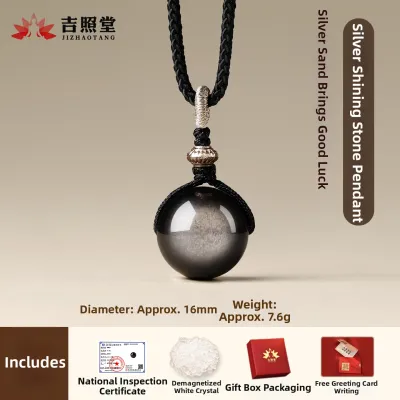

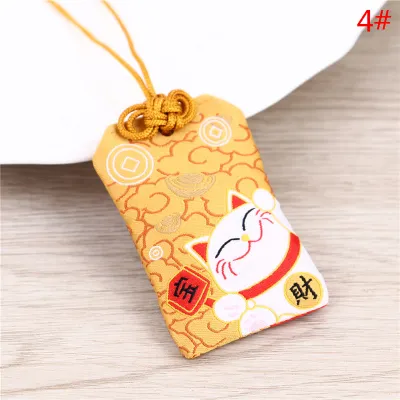

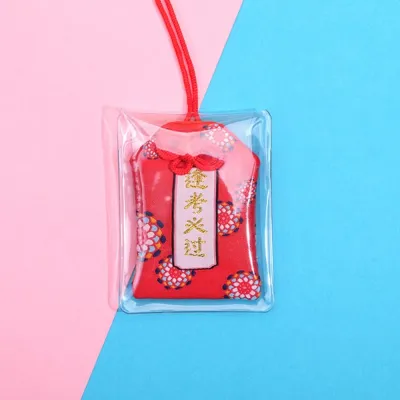
Prices are valid at publication and may change. Please refer to the product page for the latest price.
Identify Your Talisman's Purpose and Element
Before positioning any talisman, you must identify its primary function and the material from which it is crafted. In traditional Feng Shui, talismans are categorized by their intended purposes, such as protection, wealth attraction, health enhancement, or relationship harmony. For instance, a protective talisman designed to ward off negative energy operates differently from a wealth-attracting item meant to gather and retain prosperity. Mixing up these functions or placing them in incompatible areas can disrupt the balance of your home.
The physical material of the talisman plays a crucial role in how it interacts with the Five Elements theory (Wu Xing), which comprises Wood, Fire, Earth, Metal, and Water. A brass or bronze talisman represents the Metal element, while a wooden plaque or paper scroll embodies the Wood element. Crystal or ceramic items are associated with Earth. Each of these elements has a natural affinity for specific sectors of the home, and placing a material in a clashing sector can weaken its influence or create energetic friction.
For example, placing a Wood-element talisman in a sector dominated by Metal can lead to an elemental conflict, as Metal traditionally cuts Wood. Conversely, placing a Metal talisman in the West or Northwest—sectors naturally aligned with the Metal element—strengthens the area’s energy. By analyzing both the symbolic purpose and the physical composition of your item, you establish a solid foundation for choosing the most supportive room and sector in your household.
Apply General Placement Rules for Key Home Areas
The main entrance of your home is considered the “mouth of Qi,” where all external energy enters the living space. For protective talismans, the ideal position is facing outward toward this entrance. In typical high-rise apartments, this means mounting or placing the item so it directly faces the main door, lift lobby, or common corridor. This positioning helps filter incoming energy, neutralizing negative influences before they can cross your threshold and affect the household.

To attract prosperity, you should locate the primary wealth area of your living room or main office. In classical practice, the standard diagonal wealth corner is the corner situated diagonally opposite the main entrance of a room. If your door is on the left, the wealth corner is on the far right diagonal; if the door is on the right, it is on the far left diagonal. Placing wealth-attracting talismans in this specific zone helps capture and accumulate positive financial energy, keeping it from escaping.
Certain areas of the home are considered restricted zones where highly active or protective talismans should be avoided. Bedrooms require quiet, restful Yin energy to promote deep sleep and recovery. Placing fierce deities, highly active energy items, or intense protective talismans in a bedroom can disrupt this tranquility, leading to restlessness. Similarly, the kitchen, dominated by the Fire element from the stove, is generally unsuitable for delicate or elementally sensitive talismans that could be overwhelmed by heat and grease.
Regardless of the room, always observe the rules of elevation and respect. Talismans should be placed at a respectful height, ideally at eye level or higher, and never directly on the floor or on low footstools. Furthermore, avoid positioning these items directly under heavy structural beams. In modern apartments, exposed concrete beams exert a heavy downward pressure that can symbolically suppress the active energy of the talisman, limiting its effectiveness.
Determine the Correct Orientation and Alignment
The direction in which a talisman faces is just as important as the room in which it resides. As a general rule, protective and guarding talismans should face outward toward doors, windows, or external pathways to project their defensive energy. On the other hand, talismans designed to attract wealth, health, or harmony should face inward toward the center of the room or the home. This inward orientation ensures that the positive energy they draw is distributed throughout the living space rather than directed back out the door.
To align your talisman with the correct compass sectors, you can use a standard compass from the physical center of your home to map out the Bagua sectors. The Southeast sector is traditionally associated with wealth and abundance, making it an excellent location for prosperity talismans. The East sector governs health and family harmony, while the South sector represents reputation and recognition. Using a reliable compass allows you to make precise placements based on these fixed, stable directions.
While some practitioners adjust their decor based on annual shifts, it is best to avoid hardcoding permanent placements based on temporary yearly coordinates. The annual flying stars rotate every year, meaning a sector that is highly auspicious one year may require different care the next. For these temporary shifts, consult updated, reliable yearly flying star charts to make minor adjustments, rather than permanently mounting heavy or sacred talismans in areas that may become unfavorable in subsequent years.
Prepare, Activate, and Maintain Your Talisman
Before placing your talisman in its designated spot, you must prepare both the physical space and the item itself. Begin by thoroughly cleaning the area, removing any dust, dirt, or clutter. Clutter acts as a physical and energetic barrier, stagnating the flow of Qi and reducing the impact of your talisman. Wipe down the shelf or wall where the item will rest, ensuring the immediate surroundings are pristine and welcoming.
Activation practices vary widely depending on cultural and spiritual traditions. Some systems involve simple intention-setting, where you hold the item with clean hands and focus on your specific goals for protection, health, or prosperity. Other traditions may involve formal blessings, incense cleansing, or specific ritual prayers. Regardless of the specific method you follow, approaching the activation process with clear intent and respect helps establish a meaningful connection between the item and your living space.
Ongoing maintenance is essential to keep the talisman’s energy active and clear. Dust the item regularly with a clean, soft cloth, and ensure the surrounding area remains free of clutter. In humid tropical climates, such as Singapore, pay close attention to paper, silk, or wooden talismans, which can easily suffer from moisture damage, mold, or warping. Keeping the room well-ventilated or using dehumidifiers can help preserve these delicate materials over the long term.
If you need to temporarily move, store, or reposition your talisman during home renovations or spring cleaning, follow respectful relocation protocols. Wrap the item carefully in a clean piece of red cloth or red paper to protect its energy while it is out of its designated spot. Store it in a clean, elevated drawer or cupboard, avoiding contact with the floor or dirty household items, until you are ready to place it back in its active position.
Know When to Consult a Feng Shui Professional
While general placement guidelines work well for standard layouts, complex architectural features often require expert analysis. If your home has an irregular floor plan, missing sectors, or challenging structural elements like sharp corners pointing directly at your main entrance, a DIY approach may not suffice. A professional consultant can provide tailored solutions, such as recommending specific elemental cures or alternative placements that work around these structural limitations.
Furthermore, highly specific or formally consecrated religious artifacts require strict ritual protocols that go beyond general home decor guidelines. If you have acquired a consecrated talisman from a temple or a spiritual master, the rules for its handling, orientation, and maintenance may be highly individualized. In such cases, consulting the issuing authority or a qualified professional ensures you do not inadvertently violate traditional protocols.
Finally, if your household continues to experience persistent negative events, unexplained health issues, or financial strain despite following general placement and maintenance guidelines, it is wise to seek professional help. A comprehensive Feng Shui audit can uncover deeper, hidden imbalances within your property’s landform, external environment, or internal energy flow that simple talisman placement cannot fully resolve. Professional consultation fees can range from a few hundred S$ to over a thousand S$ depending on the scope of the audit.
Frequently Asked Questions (FAQ)
Can I place multiple talismans in the same area?
You can place multiple talismans in the same area, provided their elemental properties do not conflict. For example, avoid placing a Metal-based talisman directly alongside a Wood-based one, as this can create energetic friction. Ensure there is adequate physical space between the items to prevent visual clutter, which can stagnate the flow of Qi in that sector.
What should I do if my talisman breaks or gets damaged?
In traditional Feng Shui, a broken or damaged talisman is believed to have completed its protective purpose or absorbed negative energy on your behalf. Rather than keeping a compromised item on display, it is respectful to retire it. Wrap the damaged talisman in clean red paper or cloth and dispose of it respectfully, or return it to a local temple if it is a consecrated religious item.
Is it acceptable to place a talisman in a bathroom or hallway?
Generally, you should avoid placing auspicious or wealth-attracting talismans in bathrooms, as these spaces are associated with draining water and waste energy. However, placing specific protective talismans in a long, narrow hallway can be highly beneficial. Hallways often channel fast-flowing, harsh energy, and a well-positioned protective item can help slow down and regulate this flow before it reaches other rooms.

Community discussion
Share your experience or ask a question. Comments are reviewed before publication.