
To arrange a kumkum holder on a Buddhist or mixed-tradition shrine respectfully, place it on a lower offering tier, positioned symmetrically or along a clear secondary axis below the central Buddha statue. It must never block the main deity, the primary incense burner, or the altar’s light sources. This arrangement maintains the spiritual hierarchy of the shrine while keeping the sacred space organized and practical for daily devotion.
Understanding Kumkum in Buddhist and Mixed-Tradition Shrines
Setting up a home altar requires a clear understanding of the items you place upon it. Traditional Buddhist altars typically feature specific offerings that represent core teachings. These standard offerings include water cups representing purity, flowers symbolizing impermanence, incense representing discipline, and lamps symbolizing wisdom. Each item serves as a visual reminder of the path to enlightenment, maintaining a focused and serene atmosphere.
Kumkum, a vibrant red powder made from turmeric and lime, is traditionally associated with Hindu worship and devotion. It represents auspiciousness, divine energy, and respect. In many diverse households, particularly in multicultural regions, families often maintain syncretic or mixed-heritage shrines. These altars beautifully combine Buddhist, Taoist, and Hindu elements, reflecting a broad respect for multiple spiritual paths. In such settings, or within specific esoteric Buddhist lineages that incorporate Vedic rituals, a kumkum holder is a common and respected addition.
Products mentioned in this guide
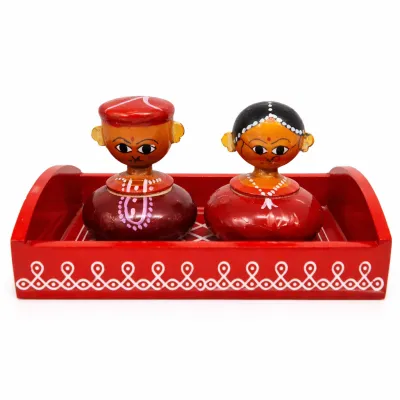
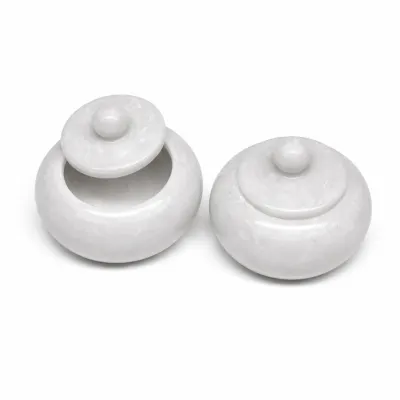
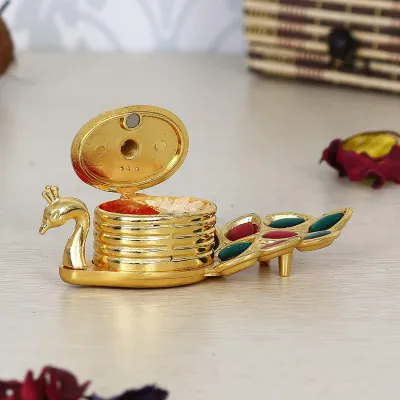
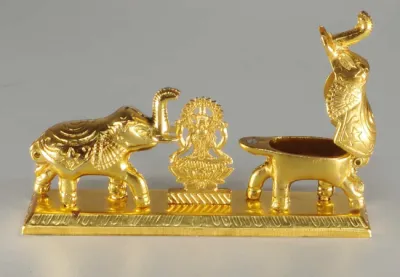
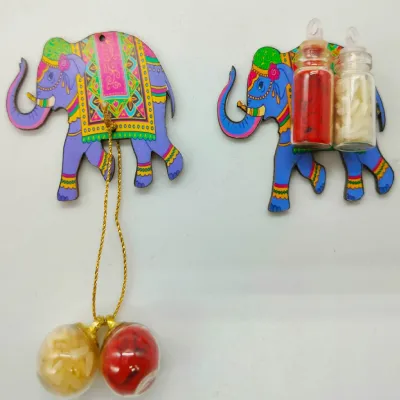
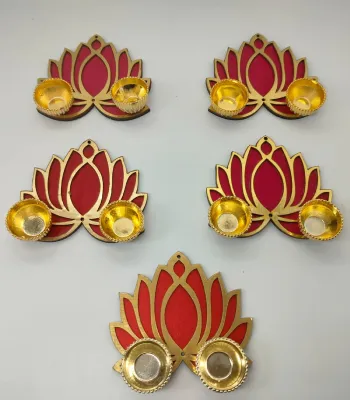
Prices are valid at publication and may change. Please refer to the product page for the latest price.
Because altar traditions can be highly specific to particular cultures and lineages, guidelines are rarely universal. Before introducing a kumkum holder to your Buddhist shrine, consider consulting a lineage teacher, a temple monk, or a knowledgeable family elder. They can provide guidance tailored to your family’s specific practices, ensuring that every item on your altar harmonizes with your spiritual intentions.
Preparing Your Altar and Kumkum Holder
Preparing the physical space is an essential step that reflects your internal state of mindfulness and respect. Before placing any new item on the shrine, clear the altar surface gently. Remove existing offering bowls and decorative items with care, placing them on a clean side table. Use a dedicated, clean cloth reserved exclusively for shrine maintenance to wipe down the shelves; never use general household rags that have been used for common cleaning tasks.

Next, inspect the kumkum holder itself to ensure it is in pristine condition. Examine the vessel for any structural damage, such as cracks, chips, or tarnishing, especially if it is made of brass, copper, or ceramic. A damaged container should be repaired or replaced before it is placed near sacred images. Cleaning the holder thoroughly with a mild, non-abrasive cleaner preserves its finish and demonstrates proper reverence.
Finally, ensure the kumkum powder you place inside the holder is fresh and dry. In humid tropical climates, moisture in the air can easily cause fine powders to clump, discolor, or develop mold. Store the powder in an airtight container until you are ready to fill the holder. Ensuring the powder remains dry and free from contaminants prevents spoilage and keeps your offerings looking pristine.
Positioning the Holder Relative to the Buddha Statue
Maintaining a clear spiritual hierarchy is the foundational rule of altar arrangement. The central axis of your shrine must always be reserved for the highest focal point, which is typically the main Buddha statue, a sacred text, or a stupa. This central figure represents the ultimate goal of liberation and must occupy the highest physical level of the altar. No other item should overshadow or stand level with this central representation.
Place the kumkum holder on a lower offering tier, situated in front of or below the main Buddha statue. When positioning the holder, verify that it does not block the view of the deity, the main incense burner, or the primary light sources. If your altar utilizes electric lotus lamps or LED candles, ensure all wiring is neatly routed behind the shrine and that the fixtures carry recognized electrical safety certifications to prevent fire hazards on wooden surfaces.
Symmetry brings visual balance and a sense of peace to the sacred space. If your tradition practices symmetrical arranging, you can place the kumkum holder in a balanced position alongside other offering vessels. For instance, you might place it to the side of the central incense burner, mirroring another small offering container on the opposite side. This balanced layout keeps the energy of the altar centered and harmonious.
In compact living spaces where home altars are often small, physical dimensions require careful planning. Choose a kumkum holder that is proportionate to your altar size so it does not crowd other essential items. Ensure there is sufficient clearance around the holder so you can easily reach it during daily prayers. Having enough space to move your hands freely prevents accidental spills and keeps your daily worship calm and focused.
Common Arrangement Mistakes to Avoid
One of the most frequent mistakes is placing the kumkum holder on a level physically higher than the Buddha statue or sacred texts. This placement disrupts the symbolic hierarchy, suggesting that secondary offerings hold greater importance than the central teachings. Always keep the Buddha statue as the highest point of the shrine, with all other accessories arranged on lower steps or tables.
Another common error is positioning the holder too close to the edge of the altar shelf. In busy households, items placed near the edge are easily bumped, knocked over, or damaged by passing family members or pets. Keep all small vessels, especially those containing loose powders, safely recessed from the edges to minimize the risk of accidental falls.
Avoid mixing kumkum powder directly with traditional Buddhist offerings unless specifically instructed by your lineage guidelines. For example, do not sprinkle the powder into water offering bowls or over fresh fruit displays. Keeping different offering substances separate preserves the distinct meaning of each ritual action and prevents messy cross-contamination.
Finally, avoid using damaged, chipped, or repurposed secular containers to hold your sacred powder. Using an old cosmetic jar or a kitchen spice pot without proper cleaning and dedication can detract from the sacred atmosphere of the shrine. Investing in a dedicated, high-quality holder made of traditional materials like brass or ceramic shows respect and elevates the overall aesthetic of your altar.
Maintaining and Refilling the Kumkum Holder
Regular maintenance of your altar is a form of active meditation that cultivates mindfulness. When the kumkum powder runs low or becomes damp, remove the holder from the altar entirely before refilling it. Never pour fresh powder into the holder while it is still sitting on the shrine, as loose particles can easily scatter onto the altar cloth, statues, or surrounding decorations.
Inspect the condition of the powder weekly, especially during wet or humid seasons. If you notice clumping, discoloration, or a loss of the powder’s natural fragrance, it is time to replace it. Empty the old powder respectfully, wash the holder with warm water, dry it completely, and refill it with a fresh batch of dry powder.
Store your bulk supply of extra kumkum powder and any dedicated cleaning tools, such as small brushes or spoons, in a clean cabinet away from everyday household items. Keeping these materials separate from secular items preserves their purity. Additionally, ensure they are stored out of reach of children and pets to prevent accidental spills and maintain a tidy, respectful home environment.
Frequently Asked Questions (FAQ)
Can I use the same spoon or tool for kumkum and other offerings?
To maintain the purity of your offerings, it is best to use dedicated tools for each specific substance. Using the same spoon for kumkum, vibhuti, or incense powders can lead to cross-contamination, altering the color, texture, and scent of the materials. If you must share a tool due to space limitations, ensure it is thoroughly washed, dried, and cleaned between uses. However, keeping separate, small brass or wooden spoons for each container is the most practical and respectful approach.
What should I do if the kumkum holder accidentally spills on the altar?
If a spill occurs, remain calm and handle the cleanup mindfully. Avoid using a wet cloth immediately, as water can turn the fine red powder into a paste, causing it to stain wooden altar surfaces or fabric altar cloths permanently. Instead, use a dry, soft-bristled brush or a dry, dedicated cloth to gently sweep the loose powder onto a clean piece of paper for disposal. Once the bulk of the powder is removed, check the surface for staining and apply a mild, material-safe cleaner if necessary.
Community discussion
Share your experience or ask a question. Comments are reviewed before publication.