
Placing a sacred Murugan vel kappu on your Hindu prayer altar is a deeply spiritual task that requires both devotion and spatial awareness. The Vel represents the divine spear of Lord Murugan, symbolizing wisdom, protection, and the triumph of light over spiritual darkness. When housed in a protective or decorative cover—known as a kappu—this sacred emblem becomes a focal point of divine energy within your home. To honor this sacred object, it must be positioned with precise alignment, respectful hierarchy, and careful consideration of traditional Vedic practices.
Generally, the ideal location for the Murugan vel kappu is on the same tier as your main Lord Murugan deity, positioned to the right side of the idol or picture from your viewing perspective. The sharp tip of the Vel must always point directly upward toward the heavens, representing the upward flow of consciousness and spiritual wisdom. By establishing a clean, dedicated space and adhering to traditional placement rules, you can ensure that your home altar remains a harmonious sanctuary for daily prayers.
Understanding the Spiritual Significance of the Vel Kappu
In Hindu iconography, the Vel is not merely a weapon; it is the absolute embodiment of Lord Murugan’s power, intellect, and grace. Gifted to him by his mother, Goddess Parvati, the Vel represents Jnana Shakti—the power of ultimate spiritual knowledge. The broad blade signifies deep wisdom, the pointed tip represents sharp focus, and the long shaft symbolizes a straight, unwavering path toward truth. Displaying the Vel on your altar serves as a constant reminder to conquer internal ignorance, fear, and negative tendencies.
Products mentioned in this guide
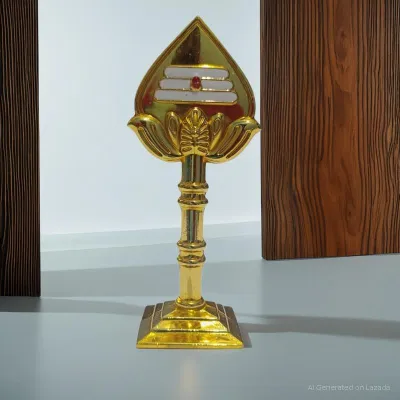
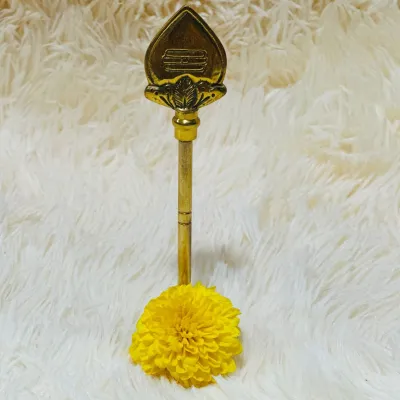
Prices are valid at publication and may change. Please refer to the product page for the latest price.
The term “kappu” refers to a protective sheath, decorative cover, or sacred wrapping that envelopes the Vel. This cover can be made of precious metals like silver, brass, or gold plating, or it may consist of sacred threads and fabrics. Culturally, the kappu is used to honor the deity, protect the sacred object from environmental wear, and signify its highly consecrated status. Placing a vel kappu on your altar is an act of deep reverence, shielding the divine energy of the Vel while magnifying its aesthetic and spiritual presence.
To maintain the sanctity of your puja mandir (prayer altar), intentional and respectful placement is absolutely essential. A haphazardly placed Vel can disrupt the energetic flow of your prayer space and lead to accidental disrespect. By understanding the profound spiritual mechanics behind the Vel, you can approach the physical arrangement of your altar with the mindfulness, cleanliness, and dedication required to invite positive vibrations into your living environment.
Preparing Your Prayer Altar for Sacred Placement
Before introducing the Murugan vel kappu to your prayer altar, you must thoroughly prepare the physical and spiritual environment. Begin by decluttering the altar space, removing any spent incense sticks, dried flowers, or accumulated dust. Wipe down the shelves using a dedicated, clean cloth reserved solely for religious items. To purify the space spiritually, sprinkle a few drops of clean water, gangajal (sacred Ganges water), or water mixed with a tiny pinch of turmeric or vibhuti (sacred ash) across the surface.

Selecting the correct tier or shelf is the next critical step in the preparation process. In Hindu altar design, there is a clear hierarchy of deities and sacred symbols that must be respected. The Vel should ideally be placed on the same level as the main Murugan murti (idol) or picture, or slightly below it. Under no circumstances should the Vel be positioned higher than the primary deity, as it serves as Lord Murugan’s instrument and attribute, and placing it above him disrupts the traditional spiritual order.
To secure the Vel properly, gather the necessary preparatory items before beginning the installation. You will need a clean, dedicated silk or cotton cloth—preferably in auspicious colors like red, yellow, or orange—to lay flat on the shelf. Alternatively, you can use a small, stable brass, copper, or silver plate (peetham) to act as a base. If your Vel does not have a self-standing base, ensure you have a sturdy, dedicated stand that will prevent it from wobbling, tipping over, or shifting during daily prayers.
Step-by-Step Guide to Positioning the Murugan Vel Kappu
Positioning the Murugan vel kappu requires careful attention to spatial relationships and traditional orientation rules. Following a structured approach ensures that the sacred object is placed in a manner that is both visually balanced and spiritually aligned.
Positioning Relative to the Main Deity
When arranging your altar, the primary guideline is to place the Vel to the right side of the main Lord Murugan idol or picture (which corresponds to the viewer’s right side). In Hindu rituals, the right side is traditionally associated with active, auspicious energy and the preservation of divine power. Placing the Vel here aligns with the natural flow of energy during prayers and honors the traditional depiction of Lord Murugan holding his spear.
If your altar space is limited—such as in compact apartments or built-in HDB wall niches in Singapore—alternative placements are acceptable. You may position the Vel directly in front of the main deity or slightly to the left, provided it does not block the face, eyes, or primary view of the main murti. The key is to ensure that the Vel has its own dedicated, uncrowded space, free from overlapping with other unrelated religious items or decorative pieces.
Correct Orientation and Upward Direction
The physical orientation of the Vel is of paramount importance to the spiritual integrity of your altar. The pointed tip of the Vel must always point directly upward toward the ceiling. This upward direction symbolizes the ascent of spiritual knowledge, the focusing of the mind, and the connection between the earthly realm and the divine. An upward-pointing Vel acts as a spiritual antenna, drawing positive energy into your home.
Conversely, you must never point the tip of the Vel downward, toward the floor, or directly at the devotee standing in front of the altar. Pointing the sharp end toward people or other deities is considered highly disrespectful and inauspicious in Hindu tradition. Additionally, make sure the kappu (cover) is securely fitted or wrapped around the Vel; if it is a metal sheath, ensure it is aligned perfectly with the contours of the Vel so that the sacred shape remains recognizable and honored during daily pujas.
Essential Placement Rules and Cultural Restrictions
To maintain a respectful home sanctuary, there are several strict cultural rules and physical boundaries you must observe when placing your Murugan vel kappu. First and foremost, never place the Vel directly on the floor or on the lowest, ground-level shelf of your altar. Placing sacred items on the ground exposes them to dust and foot traffic, and it is considered a major taboo to step over or stand directly above a consecrated object.
The placement of the entire prayer altar within your home also dictates the success of your spiritual practice. In Singapore’s typical high-density housing layouts, space can be tight, but certain boundaries must be maintained. The altar should not be located inside a bedroom, directly face a bathroom door, or share a wall with a toilet. Furthermore, avoid placing the altar near areas where non-vegetarian food is prepared, as the spiritual purity of the space must be preserved.
High-traffic zones within the home present physical risks to delicate altar items. Avoid placing your Vel kappu near busy corridors, heavy-traffic entryways, or directly beneath open windows where strong drafts could blow dust, rain, or debris onto the altar. If your altar features hanging lamps or wall-mounted shelves, ensure they are securely installed. For any fixed wiring or heavy wall installations, always consult a qualified professional to ensure structural stability and avoid safety hazards.
Finally, personal physical purity is a prerequisite for handling the Vel and its kappu. Always wash your hands thoroughly and ensure you are clean before touching any sacred items on your altar. By approaching the physical care of your altar with the same discipline as your prayers, you cultivate a deeply respectful environment that enhances the spiritual atmosphere of your household.
Daily Maintenance and Puja Care for the Vel
Once your Murugan vel kappu is correctly positioned, establishing a consistent daily maintenance and prayer routine will keep the altar vibrant and spiritually active. A standard daily practice involves lighting a traditional kuthu vilakku (oil lamp) or a safe, certified electric lamp, and offering fragrant incense near the Vel. If you choose to use electric lighting or LED altar lights, always verify that they have proper electrical certifications (such as the SAFETY Mark in Singapore) and match the local 230V voltage limits to ensure home safety.
During special occasions, festivals like Thaipusam or Skanda Sashti, or regular weekly prayers, you may perform rituals such as abhishekam (ritual bathing) or alankaram (decoration). Before pouring any liquid offerings like milk, honey, or rosewater, carefully remove the kappu (especially if it is made of fabric or delicate metal plating) to prevent water damage or tarnishing. Once the ritual is complete, dry the underlying Vel thoroughly with a soft, clean cloth before gently sliding the protective kappu back into place.
Caring for the physical materials of your Vel is crucial, particularly in tropical, highly humid climates like Singapore. High humidity can cause metals like brass, copper, and silver to oxidize and tarnish rapidly. To prevent this, dust the Vel and its kappu regularly with a dry microfiber cloth. Periodically clean metal components using gentle, traditional cleaning agents like tamarind paste, lemon juice, or specialized non-abrasive metal polishes. Always ensure every component is completely dry before returning it to the altar to prevent moisture buildup and corrosion.
Frequently Asked Questions (FAQ)
Can I keep the Vel Kappu without a Murugan idol?
Yes, you can absolutely keep and worship a Vel Kappu on your altar even if you do not have a Murugan idol or picture. In Hindu tradition, the Vel is revered as the direct, complete embodiment of Lord Murugan himself, containing his divine energy and presence. If you are worshipping the Vel independently, place it in the center or the primary focal spot of your altar to signify its central role in your daily prayers.
What should I do if the Vel Kappu accidentally falls?
If the Vel Kappu accidentally falls, remain calm and avoid panicking, as accidents can happen. Offer a silent, sincere prayer of apology from your heart, then gently pick up the Vel and its cover with clean hands. Inspect the items for any physical damage. Before replacing them on the altar, wipe them down with a clean cloth moistened with a few drops of clean water or milk to symbolically purify them, and then return them to their proper, secure position.
Community discussion
Share your experience or ask a question. Comments are reviewed before publication.