
Placing a praying oil lamp on a Buddhist altar requires a thoughtful balance of spiritual tradition, visual harmony, and practical safety. In a standard altar setup, the oil lamp is positioned in the front row, flanking the central incense burner. If you are using a traditional pair of lamps, they should sit symmetrically on the left and right sides of the burner, representing the dual light of wisdom and compassion. For smaller altars where space is limited, a single lamp can be placed directly in front of or slightly to the side of the incense burner, ensuring it does not obstruct the central view of the Buddha statue.
The oil lamp, often referred to as a light offering, symbolizes the dispelling of spiritual darkness and the cultivation of clarity. Because the altar serves as a sacred focal point in the home, every item has a designated place that reflects its spiritual significance and functional role. Understanding how to arrange these elements ensures your daily offerings are conducted with mindfulness, respect, and peace of mind.
Understanding the Traditional Buddhist Altar Layout
A traditional Buddhist altar is organized hierarchically, with the most sacred objects placed at the highest and most central positions. The absolute focal point of any altar is the Buddha statue or image, which represents the enlightened mind. This sacred image is always positioned at the back center of the altar, often elevated on a pedestal or stand to command respect and draw the eye upward. No other item on the altar should stand higher than the Buddha statue, as this hierarchy establishes a clear spiritual focus for your practice.
Products mentioned in this guide
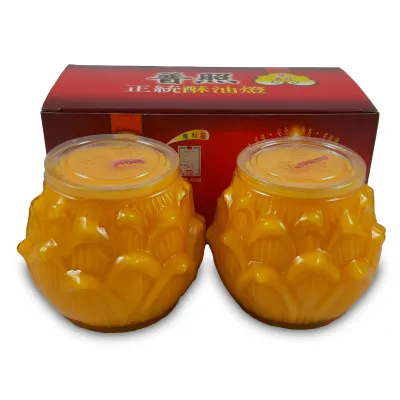
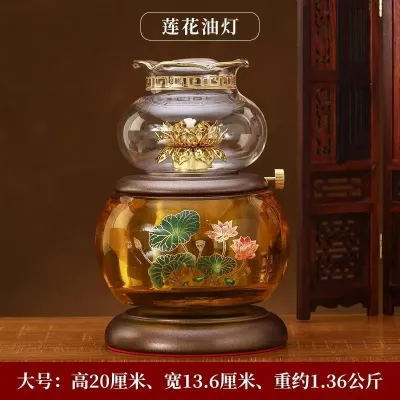
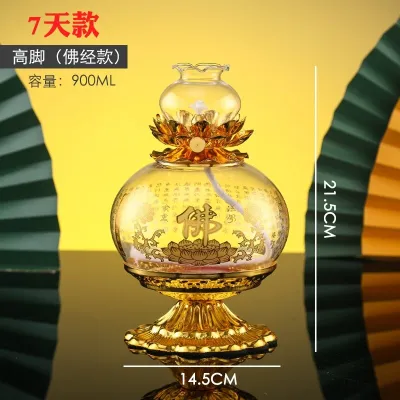

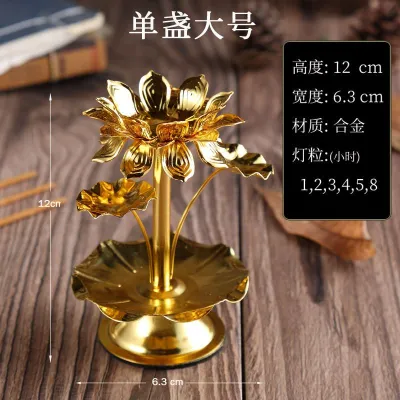
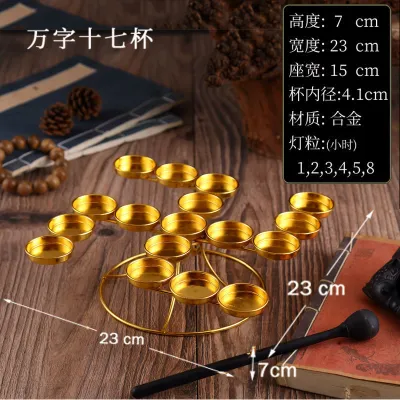
Prices are valid at publication and may change. Please refer to the product page for the latest price.
Directly in front of the Buddha statue sits the incense burner, which serves as the central point for active daily offerings. The incense burner is placed in the front-center zone so that you can easily reach it to offer incense sticks without stretching over other items. This central placement also allows the smoke to rise freely, carrying the fragrance upward as a symbol of pure conduct and the spreading of the Dharma.
The praying oil lamps are traditionally placed in a symmetrical pair flanking the incense burner. One lamp sits on the far left and the other on the far right of the front row, framing the incense burner and the Buddha statue behind it. This balanced arrangement represents the illumination of the mind and the dispelling of ignorance. In some traditions, the lamps are placed at the very outer edges of the altar table to create a wide, welcoming frame of light that encompasses all other offerings, such as water cups, fruit, and flowers.
While these layout principles are widely observed, specific arrangements can vary significantly across different Buddhist traditions, including Mahayana, Theravada, and Vajrayana. For instance, some lineages place water offerings in a precise line of seven cups directly in front of the statue, pushing the lamps and incense burner further forward. Because of these subtle differences, it is always wise to consult your specific lineage, spiritual teacher, or local temple guidelines if you wish to adhere strictly to a particular school of practice.
Step-by-Step Guide to Positioning Your Praying Oil Lamp
Setting up your altar is a meditative practice in itself, requiring mindfulness and care at every stage. To begin, clear the entire altar surface and clean it thoroughly with a damp cloth. Ensure the table, shelf, or cabinet is completely level and structurally stable, as any wobbling can cause oil to spill or traditional lamps to tip over. Removing unnecessary clutter from the surrounding area helps maintain a serene environment and reduces fire hazards.

Next, place the Buddha statue or image at the back center of the altar. If your statue is relatively small, consider using a wooden or ceramic pedestal to elevate it, ensuring it remains the highest point of the layout. Once the statue is securely positioned, place any secondary images or sacred texts directly adjacent to it, keeping them slightly lower or to the sides to maintain the central hierarchy.
Position the incense burner in the front-center area of the altar, leaving enough space between it and the Buddha statue for other daily offerings, such as water cups or flower vases. The burner should be easily accessible so that you do not have to reach over lit lamps or hot surfaces when offering incense. Ensure the burner is filled with clean incense ash or sand to support the incense sticks securely.
Now, place your praying oil lamps on the left and right sides of the incense burner. Carefully align them so they are equidistant from the burner and sit parallel to the front edge of the altar. Check that the lamps do not block the view of the Buddha statue from your primary kneeling or standing position. Additionally, position them so that the rising heat and smoke from the lamps do not interfere with the path of the incense smoke.
Finally, verify the vertical and lateral clearances around the lamps. Look directly above the lamps to ensure there are no hanging decorations, embroidered canopies, wooden carvings, or low ceilings that could be damaged by rising heat. Maintain a safe clearance of at least one meter above any open flame, and ensure that nearby curtains, window treatments, or wall hangings cannot blow toward the altar in a draft.
Fire Safety and Maintenance for Altar Oil Lamps
Using traditional oil lamps with open flames requires strict adherence to fire safety protocols to protect your home and family. Always maintain a generous safety clearance between the lit lamp and any flammable materials, including paper offerings, artificial flowers, and dry decorative elements. Even a slight breeze from an open window or an air conditioning unit can cause a flame to flicker wildly or carry a stray spark toward combustible items.
The physical stability of the lamp itself is a critical safety factor. Choose praying oil lamps with heavy, wide bases made of sturdy materials like brass, thick glass, or solid ceramic. Avoid top-heavy designs that can easily tip over if the altar table is accidentally bumped. This is particularly important in households with active pets or young children, where unexpected movements can easily disrupt the altar setup.
For modern homes, especially compact apartments or high-rise flats with limited ventilation, electric or LED praying oil lamps offer a highly practical, code-compliant alternative. High-quality certified electric lamps, often ranging from S$20 to S$60, provide a cost-effective and secure alternative to open flames. When choosing electric lamps, always verify the voltage, base interface, wattage limits, physical dimensions, dimming methods, and local electrical safety certifications to ensure they match your home’s installation environment. For any fixed-wiring installations or wall-mounted fixtures near damp areas, always isolate the power source, follow the manufacturer’s installation instructions, and consult a qualified professional to handle the electrical connections safely. While some practitioners prefer a warm, flickering glow to mimic traditional flames, others favor a bright, cool light for clarity; these color temperature and spatial effects are entirely matters of personal preference rather than strict spiritual requirements.
Regular maintenance is essential to keep traditional oil lamps operating safely and cleanly. Before lighting the lamp each day, check the oil level and trim the wick to prevent a high, smoky flame. Clean any spilled oil or accumulated soot from the lamp body and the surrounding altar surface immediately, as oil residue can become a fire hazard. Use high-quality, clean-burning lamp oils, such as liquid paraffin or specialized vegetable-based altar oils, which produce minimal smoke and odor.
Always establish clear “stop conditions” for your traditional oil lamps. Extinguish the flame immediately if you notice the lamp flickering unpredictably, producing thick black smoke, or if the lamp body becomes too hot to touch safely. Never leave an open flame unattended; if you must leave the room or go to sleep, extinguish the traditional lamp and consider switching to a certified electric lamp to maintain a continuous light offering safely.
Adapting the Layout for Compact or Multi-Tiered Altars
In many modern living environments, such as urban apartments or condominiums, space constraints may prevent you from setting up a large, traditional altar. When dealing with compact wall-mounted shelves or small altar cabinets, prioritizing space efficiency is key. Instead of forcing a pair of large lamps onto a narrow shelf, it is entirely acceptable to use a single, smaller praying oil lamp placed to one side of the incense burner, or to switch to compact, low-heat electric lotus lamps that fit comfortably within the limited footprint.
Multi-tiered altar cabinets require a specific approach to protect both the sacred items and the cabinet structure itself. If you are using traditional oil lamps that produce heat and soot, always place them on the lowest tier of the cabinet. Placing lit lamps on upper tiers can trap heat under the shelves above, potentially scorching the wood, damaging the paint, or causing soot to accumulate on the Buddha statue and sacred texts. Keep the upper tiers reserved for statues, water offerings, and scriptures, which do not pose a heat hazard.
Ventilation is another crucial consideration when placing oil lamps in modern, enclosed spaces. Traditional oil lamps require a steady supply of fresh oxygen to burn cleanly; poor airflow can lead to incomplete combustion, resulting in heavy soot buildup on your walls and ceiling. Ensure your altar room has adequate cross-ventilation, or position the altar near a window that can be opened slightly during worship. If your home lacks sufficient ventilation, transitioning to electric lamps is the most effective way to protect your indoor air quality and keep your living space clean.
Frequently Asked Questions (FAQ)
Can I use just one praying oil lamp instead of a pair?
Yes, you can absolutely use a single praying oil lamp if your altar space is limited. While traditional layouts often favor pairs to represent symmetry, balance, and completeness, Buddhist practice emphasizes the sincerity of your intention over the quantity of material offerings. A single lamp placed neatly to the side of the incense burner serves the exact same spiritual purpose of offering light and wisdom, making it an excellent choice for compact home altars.
How often should I change the oil and wick?
You should check the oil level daily before lighting the lamp and top it up as needed to ensure the wick does not burn dry. The wick itself should be trimmed regularly to remove charred buildup, which helps maintain a clean, steady flame. Replace the wick entirely when it becomes too short to draw oil effectively or when it is heavily carbonized, always following the specific care instructions provided by your lamp manufacturer or supplier.
Is it safe to leave the oil lamp burning overnight?
It is highly unsafe to leave a traditional open-flame oil lamp burning overnight or unattended while you are sleeping or away from home. Unattended open flames pose a significant fire risk that can easily be avoided. If you wish to maintain a continuous, 24-hour light offering on your altar, you should switch to certified electric or LED praying oil lamps, which are designed for safe, continuous operation without the hazards of heat or open fire.

Community discussion
Share your experience or ask a question. Comments are reviewed before publication.