
Placing a Tao Wessuwan statue in your home requires a thoughtful balance of cultural respect, spatial harmony, and practical safety. To invite protective energy and good fortune into your living space, the statue should be positioned in an elevated location above waist level, facing the main entrance or the primary living area. This strategic placement allows the guardian figure to symbolically monitor incoming energy, filtering out negativity while welcoming auspicious opportunities.
In modern apartments and high-rise homes, such as those typical in Singapore, finding the perfect spot involves understanding both traditional placement principles and the physical constraints of your layout. By dedicating a clean, stable, and well-lit space to this revered figure, you establish an environment of mindfulness and domestic harmony.
Understanding the Role of Tao Wessuwan in Your Home
Tao Wessuwan, also known as Vessavana, is highly revered in various Southeast Asian traditions as the king of the giants and a guardian of the northern direction. Traditionally associated with immense wealth, protection against malevolent spirits, and the preservation of moral order, this powerful figure serves as a spiritual shield for the household.
Products mentioned in this guide
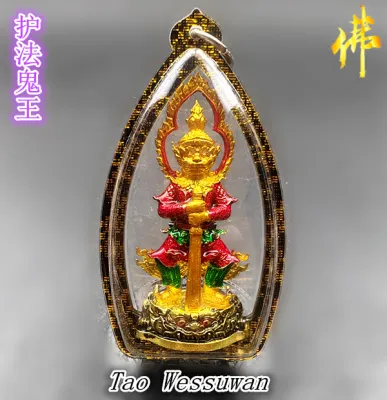
Prices are valid at publication and may change. Please refer to the product page for the latest price.
When you bring a Tao Wessuwan statue into your home, it is essential to understand that its primary role is to foster a sense of security, discipline, and spiritual alignment. Treating the statue with appropriate respect distinguishes it from ordinary decorative objects or casual art pieces.
While modern interior design often incorporates cultural artifacts for aesthetic appeal, a sacred representation like Tao Wessuwan demands a higher level of intentionality. Recognizing the statue as a symbol of protection influences how you interact with your living space, encouraging cleanliness, order, and mindful behavior.
It is equally important to maintain realistic expectations regarding the statue’s presence in your home. Spiritual symbols are intended to inspire personal mindfulness, ethical living, and environmental harmony rather than to guarantee sudden material wealth. The protective and auspicious qualities associated with Tao Wessuwan are believed to manifest when the household maintains a clean, peaceful, and respectful atmosphere, reinforcing your own positive actions and intentions.
Preparing the Space and Choosing the Right Location
Before placing the statue, carefully evaluate your home’s layout to identify a physically stable and culturally appropriate location. In compact urban apartments, finding a spot that balances high visibility with quiet respect can be challenging. Look for a prominent area in the living room or foyer where the statue can stand undisturbed by daily household chaos, yet remain clearly visible to those entering the main living space.

The physical surface chosen for the statue must be exceptionally sturdy, clean, and elevated. Placing the statue on a flimsy table or a low shelf is considered highly disrespectful and poses a physical hazard. Ensure the platform is positioned well above waist level—ideally at chest or eye level—to signify respect. A dedicated altar table, a robust wall-mounted floating shelf, or the top of a solid display cabinet are excellent choices that provide the necessary elevation and structural integrity.
Environmental factors play a critical role in preserving both the physical statue and the safety of your home. Avoid areas prone to high moisture, such as spots directly adjacent to kitchen sinks or humid laundry yards, as tropical humidity can degrade materials like wood, plaster, or metal over time.
If you plan to install accent lighting to highlight the statue, ensure all electrical fixtures, cords, and bulbs are certified for safety, matching the appropriate voltage and wattage limits for your home’s electrical system. Keep the statue a safe distance from direct heat sources, open windows where rain might enter, and high-traffic pathways where it could be accidentally bumped.
Step-by-Step Placement Guidelines for Protection and Fortune
To maximize the symbolic protective qualities of Tao Wessuwan, position the statue so that it directly faces the main entrance of your home. This orientation allows the guardian to symbolically watch over the threshold, deterring negative energy from entering the household. If facing the front door is not structurally feasible due to your apartment’s layout, direct the statue toward the central living area where the family gathers, ensuring it overlooks the main flow of domestic activity.
Elevation is a non-negotiable aspect of proper placement. Never place the statue directly on the floor, on a footstool, or on low coffee tables where people might look down upon it or accidentally step over it. If you are using a multi-tiered altar, Tao Wessuwan should be placed on a highly respected tier, though generally below representations of the Buddha if you maintain a multi-deity altar. Using a dedicated single shelf or a specialized cabinet helps define the space as sacred and intentional.
Symmetry and structural backing are vital for creating a balanced, harmonious display. Position the statue against a solid, stable wall rather than in the middle of an open room or against a temporary partition. This solid backing symbolically represents strong support and stability for the household. Arrange any accompanying decorative items, such as small vases or clean water cups, symmetrically around the base of the statue to create a visually balanced and peaceful arrangement that enhances the room’s overall decor.
Placement Taboos and Areas You Must Avoid
To maintain a respectful home environment, there are several critical areas where a Tao Wessuwan statue must never be placed. Private, intimate, or inherently unclean zones are strictly off-limits. This includes bedrooms, bathrooms, kitchens, and utility closets. Placing a sacred guardian figure in a bedroom is considered highly inappropriate due to the private nature of the space, while bathrooms and kitchens introduce moisture, grease, and waste energy that conflict with the statue’s spiritual purpose.
Avoid placing the statue directly under staircases, overhead beams, or low-hanging mezzanine floors. In traditional spatial design, walking over a sacred object or having heavy structural weight pressing down from above is believed to suppress the positive energy of the home and show disrespect to the figure. Similarly, ensure the statue is not positioned in a way that forces family members to sit with their backs directly toward it or point their feet toward it while resting on a sofa or chair.
Cluttered, dusty, or chaotic environments must be avoided to prevent stagnant energy and physical neglect. Do not tuck the statue away in a dark, forgotten corner or place it directly adjacent to loud electronic entertainment centers, subwoofers, or messy toy storage areas. The constant vibration and noise from large television sets or gaming consoles can disrupt the peaceful ambiance required for a respectful display, while clutter accumulates dust that physically degrades the statue’s finish.
Daily Maintenance and Respectful Upkeep
Preserving the physical condition of your Tao Wessuwan statue is a direct reflection of the respect you hold for the tradition. Different materials require specific cleaning methods to prevent damage. For statues made of resin, painted plaster, or delicate wood, use a dry, soft microfiber cloth or a soft-bristled brush to gently remove dust. Avoid using harsh chemical cleaners, abrasive scrubs, or excessive water, which can strip away paint, warp wood, or corrode protective coatings.
If your statue is crafted from brass, bronze, or other metals, it may develop a natural patina over time due to exposure to air and humidity. If you prefer a polished look, use a specialized metal cleaner formulated specifically for that material, applying it sparingly and following the manufacturer’s instructions. Always ensure the surrounding shelf or altar remains completely tidy, free of accumulated dust, dried flower petals, or unnecessary household items that tend to collect on flat surfaces.
If you choose to enhance the display with decorative lighting, such as low-voltage LED spotlights or warm ambient backlighting, prioritize electrical safety. Verify that all wiring is neatly concealed, away from reach, and that any plug-in adapters carry recognized safety certifications to prevent overheating or short circuits. If the installation of heavy shelves or fixed wiring requires working at height, always isolate the power first and consider hiring a qualified professional to ensure structural and electrical safety. If the statue ever becomes severely chipped, cracked, or damaged, it is best to stop and consult a cultural practitioner or a professional experienced in traditional placement to guide your next steps safely.
Frequently Asked Questions (FAQ)
Can I place the statue facing a window instead of the main door?
Yes, placing the statue to face a window is acceptable under specific conditions, particularly if your home’s layout prevents it from facing the main entrance. This setup works well if the window offers a respectful, clean view of the outdoors, such as a garden or open sky, rather than facing a trash chute, a neighbor’s toilet window, or a cluttered service yard. Ensure the statue is physically secure on its shelf, protected from direct, harsh sunlight that could fade its colors, and shielded from wind or rain when the window is open.
How should I handle the statue when moving to a new home?
When relocating, handle the statue with the utmost care and respect. Wrap the figure securely in a clean, soft white cloth or bubble wrap to protect it from physical damage during transit, and place it in a dedicated, sturdy box. Avoid packing it alongside mundane household items, kitchen utensils, or footwear. Once you arrive at your new home, prioritize setting up the designated altar or elevated shelf first, allowing you to place the statue in its respectful position before unpacking the rest of your household belongings.
Are daily offerings mandatory for the statue to be effective?
Daily ritual offerings are not mandatory for maintaining a respectful and harmonious home display. While some traditional practitioners choose to make daily offerings of fresh water, flowers, or incense, the baseline requirement for a household display is simply maintaining a clean, elevated, and orderly space. Showing respect through regular dusting, keeping the surrounding area free of clutter, and maintaining a peaceful household atmosphere is far more important than performing elaborate daily rituals.

Community discussion
Share your experience or ask a question. Comments are reviewed before publication.