
In Feng Shui and Buddhist practices, placing an illuminated Buddha statue in your home requires a thoughtful balance of spiritual respect, energetic alignment, and physical safety. To invite positive energy (Qi), prosperity, and peace into your living space, the statue should ideally be positioned in a central, elevated area such as the living room or a dedicated prayer room, backed by a solid wall, and illuminated with soft, warm light. Conversely, placing the statue in private, cluttered, or low-energy areas like bedrooms, bathrooms, or directly on the floor can disrupt the flow of energy and show disrespect to the spiritual figure. By understanding the intersection of lighting design and traditional placement rules, you can create a harmonious sanctuary that elevates both your home’s aesthetic and its spiritual atmosphere.
Why Light Matters in Buddhist Feng Shui
Light is one of the most powerful elements in Feng Shui, representing the fire element, clarity, and active Yang energy. In Buddhist tradition, light symbolizes supreme wisdom, spiritual enlightenment, and the ultimate dispelling of ignorance and negative energy. When you introduce a dedicated buddha statue light into your home altar, you are not merely illuminating a piece of decor; you are symbolically activating the spiritual presence of the Buddha and radiating blessings throughout your living space.
The presence of a gentle, continuous light source around the statue helps to draw positive Qi, turning the altar into an energetic focal point. This focal point serves as a visual anchor for mindfulness, meditation, and daily reflection, helping to calm the minds of those who reside in the household. While natural sunlight is highly auspicious during the day, it is highly variable and dependent on weather and window placement. For dedicated home altars, a consistent, low-heat artificial light source is preferred. This ensures that the sacred space remains illuminated and active even after sunset, maintaining a continuous flow of protective and peaceful energy throughout the night.
Products mentioned in this guide
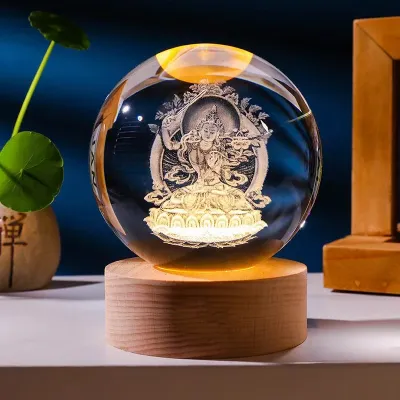
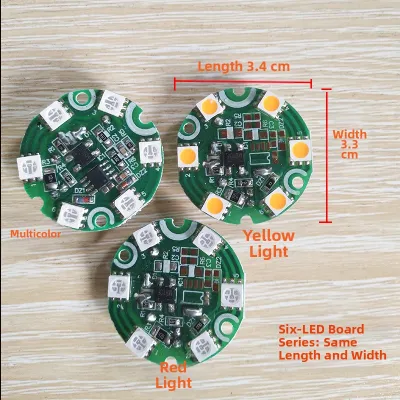
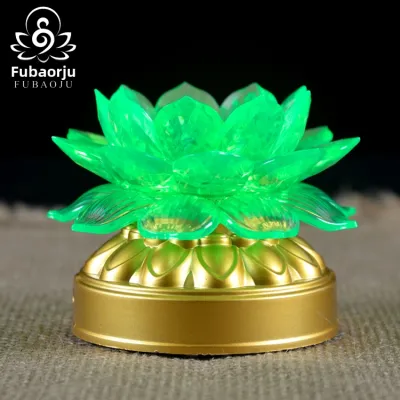
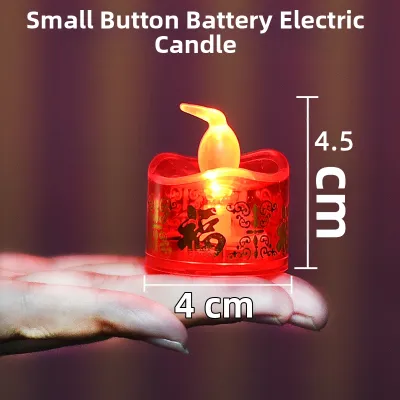
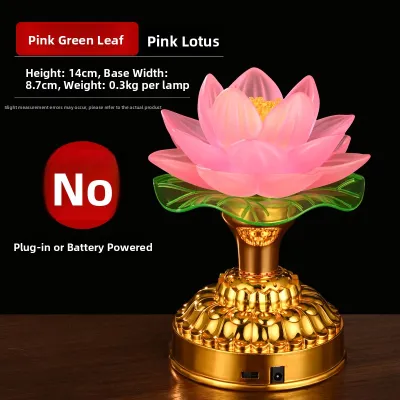

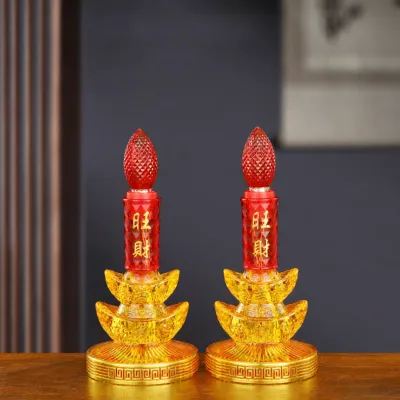
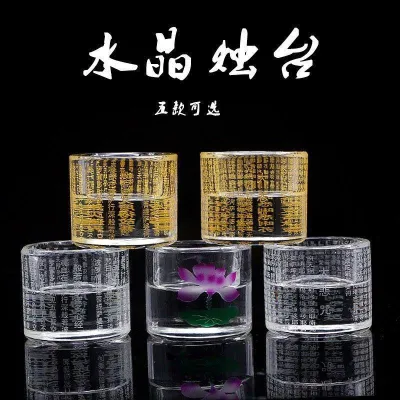
Prices are valid at publication and may change. Please refer to the product page for the latest price.
Where to Place Your Lit Buddha Statue for Positive Energy
Selecting the correct room and directional alignment is critical to maximizing the positive energy of your illuminated Buddha statue. The most auspicious location in a modern home is the living room, which serves as the central gathering space where family members interact. Placing the statue here allows its peaceful energy to influence the overall harmony of the household. Alternatively, if your home permits, a dedicated prayer, meditation, or study room is an exceptional choice, as these spaces are naturally quiet and conducive to spiritual focus.

When considering directional alignment, the statue should generally face inward toward the room to symbolically watch over and bless the inhabitants of the home. Another highly regarded placement is positioning the statue so that it faces a main window, provided the window looks out onto a pleasant, clean, and unobstructed view. This setup allows the Buddha to welcome external positive energy while filtering out negative influences before they enter your living space.
In Singapore, where many residents live in high-density housing such as Housing & Development Board (HDB) flats or condominiums, space constraints require creative planning. You do not need a massive, dedicated room to establish proper Feng Shui. A respectful, dedicated corner in your living room—away from high-traffic pathways and household appliances—can serve as a beautiful sanctuary. The key is to ensure that the immediate surroundings of the statue are clean, uncluttered, and dedicated solely to spiritual or contemplative purposes.
Regardless of which room you choose, the physical backing of the statue is of paramount importance. Always place your illuminated Buddha statue against a solid, structural wall. In Feng Shui, a solid wall represents strong backing, stability, and support, ensuring that the positive energy generated by the altar remains anchored and secure within your home rather than dissipating. Avoid placing the statue in front of glass partitions, open shelving, or in the middle of a room without support, as this lack of backing can lead to unstable or floating energy.
Height and Elevation Rules for Respect and Energy Flow
The physical height at which you place your illuminated Buddha statue directly affects the spiritual quality of the space. In Buddhist culture, the Buddha is a figure of supreme respect, and this must be reflected in how the statue is elevated. It should always be positioned on a raised platform, a dedicated altar cabinet, or a sturdy console table. Ideally, the head of the statue should be at or slightly above eye level when you are standing or sitting in front of it for prayer or meditation. This elevation ensures that you look up toward the figure, fostering a sense of humility and reverence.
Under no circumstances should a Buddha statue be placed directly on the floor. Doing so is considered highly disrespectful in spiritual traditions and energetically grounds the positive Qi, preventing it from circulating throughout the room. Even when space is limited, using a small riser, a decorative block, or a shelf is a necessary step to elevate the statue off the ground.
In addition to floor placement, you must pay close attention to what lies directly above the statue. Avoid placing the altar under heavy overhead structural beams, sloped ceilings, or staircases. In Feng Shui, these architectural features exert an oppressive, downward pressure known as “cutting energy” or “sha qi.” Placing a sacred statue beneath them symbolically oppresses the spiritual energy and can introduce tension or obstacles into the lives of the household members.
Finally, ensure that the supporting furniture is robust and stable. The table or altar must easily support the combined weight of the statue, the lighting fixtures, and any offering vessels without any wobbling or risk of tipping. A shaky foundation not only poses a physical hazard but also represents instability in the spiritual and material aspects of your life.
Rooms and Placements You Must Strictly Avoid
To maintain a harmonious flow of energy, there are several areas in the home where a Buddha statue should never be placed. The bedroom is a primary example of an unsuitable location. Bedrooms are highly personal spaces dedicated to rest, sleep, and intimacy, which represent quiet, restorative Yin energy. The active, spiritual, and high-vibrational Yang energy of an illuminated Buddha statue clashes with this environment, potentially disrupting your sleep patterns. Furthermore, issues of modesty make the bedroom an inappropriate setting for a sacred figure.
Bathrooms and kitchens must also be strictly avoided. Bathrooms are associated with waste, water drainage, and the flushing away of energy, making them spiritually incompatible with a sacred altar. Placing a statue near or facing a bathroom can lead to a depletion of positive household energy. Kitchens, on the other hand, are dominated by the fire element, heat, and grease from cooking. The chaotic and intense energy of a kitchen can overwhelm the peaceful presence of the Buddha, while airborne grease can degrade the statue and its lighting fixtures over time.
Transitional, noisy, or cluttered zones are equally problematic. Avoid placing your illuminated statue near shoe racks, laundry areas, trash bins, or inside dark, narrow hallways. These areas accumulate stagnant or dirty energy, which conflicts with the pure energy of the Buddha.
Lastly, be mindful of direct alignments within your floor plan. Never position the statue so that it points directly at a toilet door, as this aligns the sacred figure with draining energy. You should also avoid pointing the statue directly at the sole of a bed or placing it immediately inside the front door where it blocks the physical entry pathway. While facing the entrance from a respectful distance is auspicious, placing it directly in the path of foot traffic can lead to accidental damage and creates a rushed, aggressive energy flow that contradicts the peace the statue is meant to bring.
Electrical Safety and Lighting Setup for Your Shrine
When integrating a lighting element into your home altar, electrical safety must be prioritized alongside Feng Shui principles. Because altars often feature wooden surfaces, incense, candles, and decorative fabrics, managing heat and electrical loads is essential to prevent fire hazards. It is highly recommended to use low-voltage LED lights, such as 12V systems equipped with a high-quality power adapter. LEDs generate minimal heat compared to traditional incandescent or halogen bulbs, making them much safer for long-term, continuous operation near combustible materials. Ensure that all power adapters and electrical plugs are certified for Singapore’s 230V mains voltage and carry the appropriate safety marks.
Proper cable management is another crucial aspect of both safety and Feng Shui. Tangled, messy, or exposed wires running across the altar or floor not only pose a physical tripping hazard but also create visual clutter. In Feng Shui, this visual disarray is viewed as “sha qi” (negative energy) that disrupts the serene, peaceful ambiance of the shrine. Use cable clips, conduits, or routing channels to keep wires neatly hidden behind the altar or along the baseboards.
Additionally, keep all electrical components, plugs, and extension cords safely away from any indoor water features, humidifiers, or liquid offerings commonly placed on altars. Moisture and electricity are a dangerous combination that can lead to short circuits or electrical shocks.
If your ideal setup involves complex installations—such as routing wires through walls, installing recessed spotlights in the ceiling, or drilling into structural concrete walls to mount floating shelves—do not attempt to do this yourself. Always consult a licensed and qualified electrician to ensure the work complies with local electrical standards. Before installing any new lighting fixtures or modifying your statue, carefully check both the statue manufacturer’s care instructions and the lighting product’s installation manual to verify compatibility.
Final Checks: Verifying Placement and Safety
Once your illuminated Buddha statue is positioned, take a moment to conduct a comprehensive visual, sensory, and physical assessment of the space. Stand back and observe the lighting: it should be warm, gentle, and non-glaring, casting a soft glow that highlights the statue’s features without creating harsh shadows or causing eye strain. The surrounding environment should feel clean, quiet, and deeply respectful, serving as a source of calm when you enter the room.
Next, perform a physical safety check. Verify that all electrical cords are securely routed and do not cross walking paths. Ensure that your wall outlets are not overloaded with too many adapters, and double-check that the statue is completely stable on its raised platform, with no risk of wobbling or sliding.
To maintain the positive energy and physical safety of your altar, establish a regular maintenance routine. Dust can accumulate quickly on the statue and the lighting fixtures, which dims the light and symbolizes stagnant energy. Gently wipe down the statue and the light bulbs with a clean, dry microfiber cloth according to the manufacturer’s care instructions, and periodically inspect the wiring for any signs of wear, fraying, or heat degradation.
Frequently Asked Questions (FAQ)
What is the best light color for a Buddha statue?
For a home altar, a warm white light with a color temperature between 2700K and 3000K is highly recommended. This range creates a serene, inviting, and traditional atmosphere that promotes relaxation and spiritual focus. Cool white or daylight bulbs (5000K and above) tend to feel overly clinical, cold, or harsh, which can disrupt the peaceful energy of the space. However, you should also consider the material of your statue: warm light beautifully enhances gold, bronze, and wooden statues, while a slightly cooler, neutral white light (around 4000K) can sometimes complement white marble or jade statues without looking overly sterile.
Can the Buddha statue face the main door directly?
Yes, a Buddha statue can face the general direction of the main door, as this is a traditional way to welcome positive Qi and protect the home from negative external energy. However, it should not be placed directly in the physical pathway of the entrance. Positioning the statue too close to the door makes it vulnerable to being bumped or damaged by incoming traffic, and the energy right at the threshold is often too fast-paced and chaotic. Instead, place the statue on an elevated console or altar slightly further back in the room, facing the door from a respectful, stable distance where the energy can transition into a peaceful state.
Community discussion
Share your experience or ask a question. Comments are reviewed before publication.