
Arranging a Buddha altar at home is a deeply personal and spiritually significant practice that brings peace, mindfulness, and a sense of sacred space into your living environment. Among the various offerings placed on a shrine, the buddha altar light holds a central position, serving as both a practical source of illumination and a profound symbol of spiritual awakening. To arrange these lights correctly according to Buddhist tradition, you should focus on balance, symmetry, and respectful positioning. Typically, a pair of lights is placed flanking the main Buddha image on the left and right, or a single light is positioned centrally in the front row. The height of the lights must be carefully managed so they do not block the face of the Buddha statue or exceed its height. By coordinating your lighting with other traditional offerings like water, incense, and flowers, you can establish a structured, clean, and serene altar that supports your daily meditation and reflection.
In modern urban homes, particularly within apartments and HDB flats in Singapore, setting up an altar requires a thoughtful blend of traditional principles and practical safety. While historical practices often relied on open flames, contemporary setups frequently utilize modern lighting solutions to achieve the same spiritual goals safely and efficiently. Understanding how to position, select, and maintain these lights ensures that your home shrine remains a safe, beautiful, and spiritually uplifting focal point.
Understanding the Role of Light in Buddhist Altars
In Buddhist teachings, light is far more than a decorative element; it is a vital symbol of wisdom and the ultimate dispelling of the darkness of ignorance. When you light a candle, lamp, or LED fixture on your altar, you are performing an act of offering that represents the desire to cultivate inner clarity, realize the truth of the Dharma, and share the light of wisdom with all sentient beings. The physical flame or glow serves as a constant visual reminder of the path to enlightenment and the warmth of compassion.
Products mentioned in this guide
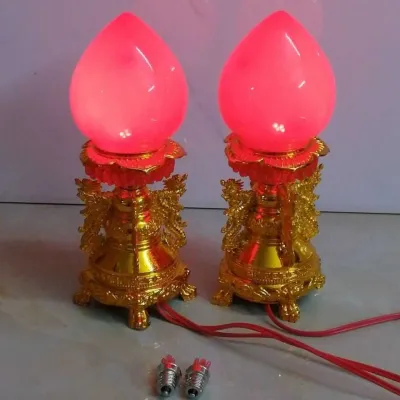
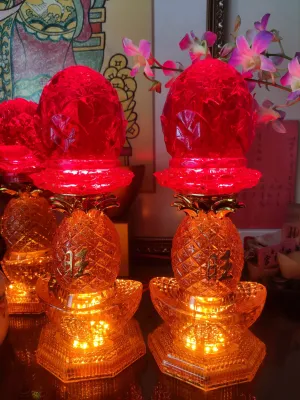
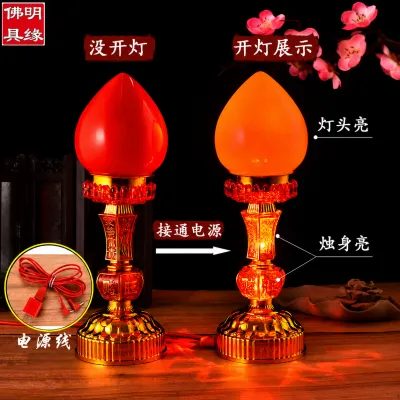
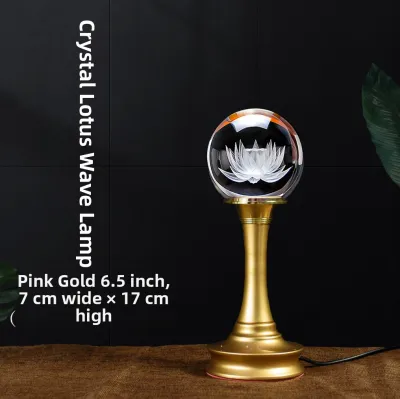
Prices are valid at publication and may change. Please refer to the product page for the latest price.
While there are historical texts and regional customs that outline specific altar arrangements, the core principle of Buddhist practice always emphasizes reverence, cleanliness, and sincerity over rigid, dogmatic rules. An altar arranged with deep respect and a clean heart is far more meaningful than one that strictly follows complex guidelines but lacks mindful attention. The physical cleanliness of the lights and the surrounding space reflects the purity of mind that practitioners strive to achieve.
Adapting these traditional practices to modern home shrine spaces requires a degree of grace and flexibility. Many practitioners live in compact urban environments where space is limited and safety is a primary concern. By understanding the symbolic meaning behind the light, you can make practical adjustments—such as choosing compact LED lotus lamps instead of large oil burners—without losing the spiritual essence of the offering. The goal is to create a harmonious space that fosters peace and concentration during your daily practice.
Deciding the Number of Lights for Your Shrine
When planning your altar layout, deciding on the number of lights is an important step that influences both the visual balance and the symbolic meaning of the space. The most widespread and traditional practice is to use a pair of lights, placing one on the left and one on the right side of the main Buddha image. This symmetrical arrangement represents the balance of key spiritual qualities, such as wisdom and compassion, or the dual aspects of practice and realization. Symmetrical lighting creates a sense of stability and visual harmony, drawing the eye naturally toward the central figure of the Buddha.

If your altar space is limited, or if you prefer a highly minimalist aesthetic, using a single central light is an entirely appropriate and respected alternative. A single light is often positioned directly in front of the Buddha image, slightly offset to avoid blocking the statue itself. Symbolically, a single light represents the singular focus of the mind on the path of liberation, or the non-dual nature of ultimate truth. This approach is common in smaller home shrines, wall-mounted shelves, or dedicated meditation corners where space must be used efficiently.
Regardless of whether you choose one light or a pair, the primary objective is to avoid visual clutter. An altar should never feel crowded or overwhelming. Adding too many lights can create excessive glare, distract the mind during meditation, and make the shrine difficult to clean. By keeping the arrangement simple and focused, you ensure that the altar remains a respectful, serene, and balanced environment that supports quiet contemplation.
Positioning and Arranging Lights Relative to the Buddha Image
The spatial arrangement of your altar should follow a clear, respectful hierarchy, with the Buddha image remaining the undisputed central focus. Standard placement dictates that if you are using a pair of lights, they should flank the Buddha statue on the left and right. They should be positioned slightly forward of the statue but not so far forward that they cast harsh shadows backward or obscure the sides of the image. If you are using a single light, it should be placed centrally in the front row of offerings, serving as a guiding light that illuminates the path to the shrine.
Height is a critical factor when positioning your buddha altar light. Traditional guidelines advise that the lights must never block the face of the Buddha statue, nor should they exceed the height of the main image. The Buddha’s face represents ultimate peace and realization, and keeping it clearly visible is essential for maintaining a connection during practice. If your light fixtures are tall, consider placing them on a slightly lower tier of the altar, or choose shorter models that sit comfortably below the shoulder level of the statue.
To maintain a structured, tiered, and tidy altar layout, you must coordinate the lights with other traditional offerings. A classic three-tiered or single-level arrangement typically organizes offerings from front to back:
- The Front Row: This is closest to the practitioner and usually holds water offering bowls and an incense burner.
- The Middle Row: This row is ideal for placing flowers, fruit offerings, and your altar lights. Positioning the lights here allows their glow to illuminate both the offerings in front and the statue behind.
- The Back Row: This is the highest and most prominent position, reserved exclusively for the Buddha statue or sacred images.
By keeping these items organized in clear rows with sufficient space between them, you prevent the altar from looking disorganized and reduce the risk of accidentally knocking over items during daily offerings.
Choosing the Right Type and Style of Altar Light
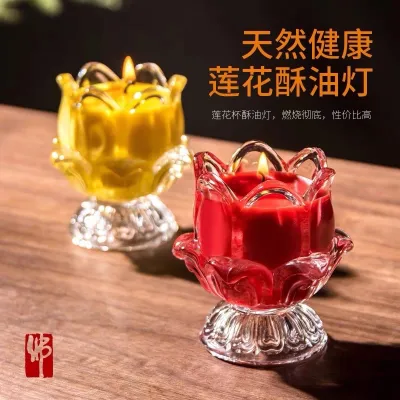
Selecting the right type of light for your Buddha altar involves balancing traditional aesthetics, personal preferences, and practical safety. Historically, practitioners used oil lamps or wax candles to illuminate their shrines. While these traditional options offer a beautiful, warm, and natural flickering light that carries deep symbolic value, they also present significant fire hazards, produce soot that can stain walls and ceilings, and require constant monitoring and refilling.
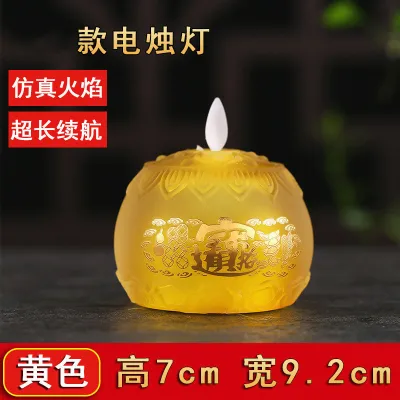
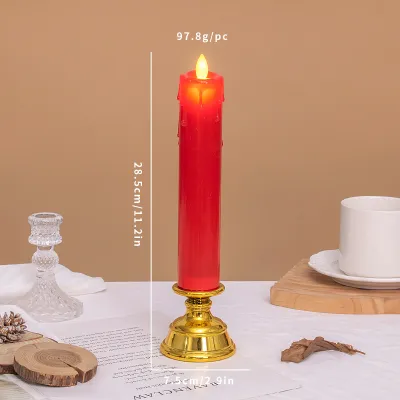
In modern homes, particularly in Singapore, LED altar lights have become the preferred choice for many families. Modern LED lights, often designed in the shape of traditional lotus flowers or classic pillar candles, offer a safe, clean, and highly energy-efficient alternative. They provide a steady, warm glow without the risk of open flames, smoke, or heat buildup. Many high-quality LED models are crafted with realistic flickering effects that closely mimic the ambiance of real candles, allowing you to maintain a traditional feel while prioritizing home safety.
When choosing the color temperature of your altar lights, opt for warm white or soft yellow tones. These colors foster a serene, calm, and meditative atmosphere that is highly conducive to quiet reflection. Avoid harsh cool white, bright blue, or daylight-toned bulbs, as they can make the altar space feel clinical, cold, or overly bright.
Before purchasing any electrical altar lights, it is essential to verify their technical specifications to ensure compatibility with your home’s electrical system. In Singapore, the standard residential voltage is 230V with a frequency of 50Hz. Ensure that any plug-in LED lights or power adapters are rated for this voltage and carry recognized safety certifications, such as the Safety Mark. Checking the wattage limit, plug type, and the quality of the power cord will help prevent electrical hazards and ensure long-term reliability.
Ensuring Electrical Safety and Daily Maintenance
Maintaining a safe and clean altar setup is an essential part of daily practice, reflecting the mindfulness and care that you bring to your spiritual life. If you choose to use electrical or plug-in LED lights, proper cable management is crucial. Route and conceal all power cables neatly behind the altar table or shelf. Loose, dangling cords not only look untidy but also pose serious tripping hazards for family members and pets. You can use adhesive cable clips, zip ties, or dedicated cable management boxes to keep the wires organized and out of sight.
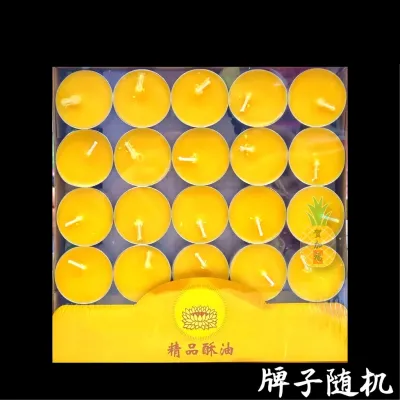
For those who prefer the traditional use of open flames, such as wax candles or oil lamps, strict fire safety precautions must be observed. Always maintain a safe clearance distance—ideally at least 30 centimeters—between the flame and any combustible materials, including curtains, wooden wall panels, paper offerings, or artificial flowers. Never leave open flames unattended; always extinguish candles and oil lamps before leaving the room or going to sleep. Placing a heat-resistant tray or stone tile beneath the candle holders can provide an extra layer of protection against heat damage and dripping wax.
Routine cleaning and dusting are vital to keep your altar looking respectful and bright. Dust can accumulate quickly on light fixtures, reducing their brightness and affecting their appearance. Before performing any maintenance or dusting, always isolate the power by unplugging the electrical fixtures from the wall socket. Use a dry, soft microfiber cloth to gently wipe down the surfaces of the lights and the Buddha statue. Avoid using wet cloths or liquid cleaners directly on electrical components, switches, or wiring to prevent short circuits and damage.
Frequently Asked Questions (FAQ)
Can I use colored or flashing lights on a Buddha altar?
While some modern decorative lights come with multi-colored or flashing options, traditional Buddhist practice strongly prefers steady, warm, and solid colors, such as warm white, soft yellow, or gentle amber. The primary purpose of a Buddha altar is to cultivate a calm, stable, and meditative environment that supports mindfulness and concentration. Flashing, rotating, or rapidly changing RGB lights can create significant visual distractions, disrupting the serene atmosphere of your shrine. Keeping the lighting steady and warm ensures that the focus remains on the teachings of the Buddha and the inner peace of your practice.
Should the altar lights be left on continuously?
In some Buddhist traditions, keeping a light illuminated continuously symbolizes the eternal nature of the Buddha’s wisdom and the uninterrupted path of practice. However, in a modern home setting, leaving electrical lights on 24/7 requires a careful balance with energy consumption, heat safety, and the lifespan of the fixtures. To practice both environmental mindfulness and home safety, many practitioners use mechanical timers or smart plugs. These devices allow you to automate your altar lighting, ensuring the lights are beautifully illuminated during your morning and evening practices, while safely turning them off when the home is unoccupied or during late-night hours.

Community discussion
Share your experience or ask a question. Comments are reviewed before publication.