
Placing Benjapakee items in your home or office requires a thoughtful balance of cultural respect, spatial harmony, and physical safety. Traditionally representing a highly revered set of five sacred amulets or symbolic ornaments, the Benjapakee set is often integrated into Southeast Asian homes to invite positive energy, protection, and prosperity. To achieve the maximum effect, these items must be positioned in elevated, clean, and well-lit areas—such as a dedicated altar, a prominent living room shelf, or an office desk facing the main entrance. Conversely, placing them in low-energy, private, or damp spaces can disrupt the flow of energy and compromise the physical integrity of the items. By understanding the core principles of spatial alignment and routine maintenance, you can create a harmonious environment that honors these cultural treasures.
Core Principles for Placing Feng Shui Ornaments
Integrating sacred or cultural decor into your home goes beyond simple aesthetics; it is about establishing a respectful relationship with the items and the space they occupy. The foundational rule for any Benjapakee display is elevation. In Southeast Asian traditions, sacred objects should always be kept well above waist height, ideally at eye level or higher, to show proper respect and to keep them safe from accidental disturbance. Keeping the display area pristine and free from dust is equally critical, as physical cleanliness directly reflects the clarity of intention you bring to your living environment.
Spatial harmony is achieved when an ornament does not disrupt the natural flow of movement within a room. When positioning your Benjapakee items, consider how the layout of your furniture interacts with the display. The items should feel integrated into the room rather than crowded or isolated. It is also essential to align your placement with your personal intentions for the space. Because different Benjapakee pieces may have unique symbolic associations, always consult the manufacturer’s guidelines or a qualified Feng Shui practitioner to tailor the setup to your specific home layout.
Products mentioned in this guide
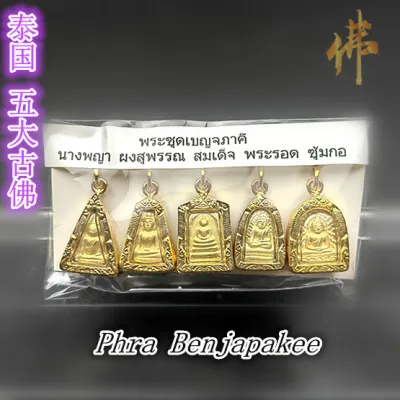
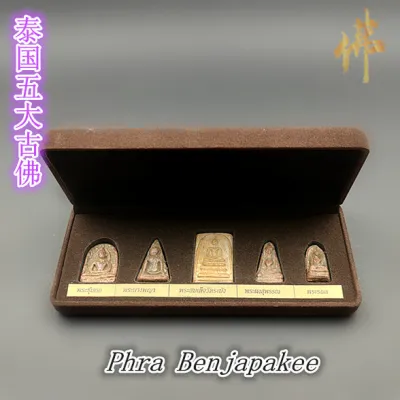
Prices are valid at publication and may change. Please refer to the product page for the latest price.
Step-by-Step Guide to Positioning Your Benjapakee Items
To integrate your Benjapakee items safely and effectively, begin by assessing the general layout of your room. Walk through the space to identify stable, secure surfaces that are well away from high-traffic pathways where they could be easily bumped or knocked over. In compact urban apartments, such as typical Singapore HDB flats or condominiums, finding a dedicated spot that remains undisturbed is key to maintaining both physical safety and spiritual tranquility.

Once you have selected a potential surface, evaluate the surrounding environment. Ensure the area receives adequate ambient lighting, which highlights the details of the ornaments and prevents the space from feeling dark or neglected. Avoid cluttered surroundings; a crowded shelf blocks visual access and restricts the physical space around the items, which is traditionally believed to stagnate energy. Before placing any heavy ornaments or framed sets, verify the weight capacity of your shelves, floating ledges, or display cabinets. Ensuring that the mounting hardware and structural supports are robust will prevent costly accidents and protect your valuable cultural pieces from structural failures.
Ideal Locations for Positive Energy Flow
The living room is often considered the heart of the home, making it an ideal location for displaying Benjapakee items. Positioned on a dedicated display shelf, a high console table, or a family altar, the items can serve as a peaceful focal point for the household. Main hallways that lead from the entrance into the living areas are also excellent choices, provided the walkway is wide enough to prevent accidental contact.
In a professional setting, placing Benjapakee items on an office desk or within a reception area can foster a sense of focus and security. Position the items so they face the main entrance of the room, which symbolically welcomes positive opportunities and visitors while maintaining a clear line of sight. Ensure that the display does not block pathways or create physical obstacles for employees or clients. Additionally, check that the chosen display area is well-ventilated and structurally stable.
Areas to Strictly Avoid
Just as certain areas enhance the presence of your Benjapakee items, other spaces must be strictly avoided to prevent physical damage and show proper cultural respect. Bathrooms and kitchens are entirely unsuitable due to high moisture levels, grease, and rapid temperature fluctuations, which can rapidly degrade the materials, finishes, or frames of your ornaments. Placing sacred items directly on the floor is also considered highly disrespectful in Southeast Asian traditions and exposes the items to dust, pet activity, and accidental foot traffic.
Avoid placing your display underneath staircases, directly beneath heavy overhead structural beams, or in damp basements. In architectural design, overhead beams and staircases are associated with heavy, downward pressure that can symbolically suppress the positive energy of the items. Furthermore, cluttered storage rooms, utility closets, or spaces with poor air circulation should be avoided.
Directional Orientations and Spatial Alignment
Determining the facing direction of your Benjapakee items is a key aspect of traditional spatial alignment. Generally, ornaments intended for protection or welcoming positive energy are positioned to face outward, toward the main entrance or a window, to greet incoming energy. Conversely, items meant to cultivate internal peace, family harmony, or personal focus may face inward, directing their symbolic influence toward the center of the living or working space.
To plan your layout accurately, use a copy of your home or office floor plan to identify the different sectors of your space. While general guidelines suggest placing auspicious items in prominent central or entrance-facing areas, exact degree requirements and compass alignments can vary significantly depending on the specific school of Feng Shui you follow. For precise directional placement, it is best to refer to the product manual provided by the creator or consult a professional practitioner who can analyze your space’s unique orientation. If you need to adjust the placement of your items due to seasonal spatial shifts, do so gradually and only if explicitly recommended.
Common Placement Mistakes and How to Correct Them
One of the most common mistakes when displaying Benjapakee items is placing them too high or too low. While elevation is crucial for respect, placing items on an extremely high shelf makes regular cleaning and maintenance difficult and physically risky. If you cannot safely reach the items to dust them, they will inevitably accumulate grime. To correct this, position the display at a height that is respectful—above waist level—but still easily accessible with a small step stool.
Another frequent error is mixing conflicting cultural or religious symbols on the same shelf without understanding their traditional interactions. To maintain a harmonious display, keep your Benjapakee items grouped together or paired only with compatible cultural decor, avoiding a cluttered, mismatched look. Finally, many homeowners ignore physical hazards such as direct sunlight, air-conditioning drafts, or unstable shelf edges. Direct sunlight can fade colors and crack materials, while drafts from air conditioners can introduce rapid temperature changes. Ensure your display is set back from the edges of shelves and protected from harsh environmental elements.
Routine Care and Maintenance for Your Display
Preserving the physical condition of your Benjapakee items requires a consistent and gentle routine. Dust the ornaments regularly using a soft, dry microfiber cloth or a delicate brush dedicated solely to your cultural and spiritual items. This prevents the buildup of dust and oils without scratching sensitive surfaces or disturbing the intricate details of the carvings.
Avoid using harsh chemical cleaners, abrasive polishes, or excessive water, as these can permanently strip away protective finishes, discolor metals, or weaken clay and plaster materials. If a deeper clean is necessary, consult the manufacturer’s care instructions or seek advice from a professional conservator. Additionally, make it a habit to periodically check the stability of your display stands, mounting hardware, and the surrounding environment. In humid climates like Singapore’s, check for any signs of mold or wood rot on wooden shelves, and ensure that wall-mounted brackets remain firmly anchored.
Frequently Asked Questions (FAQ)
Can I place Benjapakee items in my bedroom?
Generally, it is recommended to keep sacred, highly active, or protective cultural items out of bedrooms and sleeping areas. The bedroom is a space dedicated to rest, relaxation, and privacy, whereas Benjapakee items are associated with active, protective, or auspicious energies that may disrupt a peaceful sleeping environment. If you have limited space and must place them in a bedroom, try to position them inside a closed cabinet or behind a screen when you are sleeping. Always consult a professional practitioner or refer to specific product guidelines for exceptions regarding protective items.
Do I need to perform a cleansing ritual before placement?
Before setting up your Benjapakee display, performing a thorough physical cleaning of the chosen area is highly recommended. Clearing away dust, clutter, and dirt prepares a fresh, welcoming space for your items. While some practitioners and cultural traditions suggest spiritual or space-cleansing rituals—such as using incense, singing bowls, or specific prayers—these practices depend entirely on your personal beliefs and cultural background. It is best to follow the specific traditions recommended by your spiritual advisor, family heritage, or the manufacturer of your items to ensure a respectful setup.
Community discussion
Share your experience or ask a question. Comments are reviewed before publication.