
Placing Lidrop Feng Shui ornaments in your home requires a thoughtful balance of traditional spatial principles, material characteristics, and the specific layout of your living space. To achieve the best effect, you must align the ornament’s symbolic purpose with the corresponding energy sectors of your home, such as the main entrance, the living room, or the diagonal wealth corner. Properly positioning these items helps cultivate a balanced environment, but success also depends on adapting these practices to modern architectural realities and local environmental conditions.
While traditional Feng Shui offers a comprehensive framework for energy flow, modern homes require practical adjustments. Whether you are living in a compact apartment or a spacious multi-generational home, understanding how to position, orient, and care for your decorative pieces ensures they complement your interior design while respecting cultural traditions. By following structured placement steps and avoiding common layout mistakes, you can create a harmonious, visually appealing space that supports your personal goals.
Define Your Goals and Map Key Energy Areas
Before placing any decorative ornament, you must first clarify your personal intentions and evaluate the layout of your living space. Feng Shui is highly goal-oriented, meaning that an ornament intended to support career focus requires a completely different environment than one designed to foster family harmony or attract prosperity. Take a moment to identify your primary needs—whether that is boosting professional opportunities, safeguarding household health, or creating a peaceful sanctuary after a long day.
Products mentioned in this guide
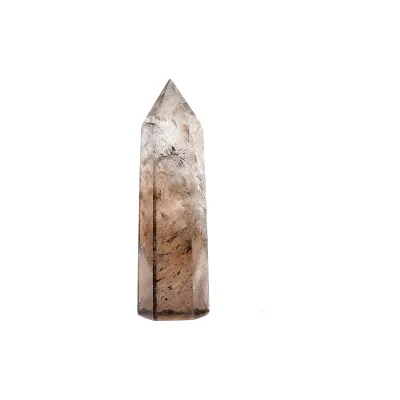
Prices are valid at publication and may change. Please refer to the product page for the latest price.
Once you have defined your goals, you can map the key energy areas of your home. In traditional practice, several areas carry distinct significance:
- The Main Entrance: Often referred to as the "mouth of chi," this is the primary portal through which energy, opportunities, and external influences enter your living space.
- The Living Room: As the central gathering hub for family members, this space dictates the overall harmony, communication, and collective well-being of the household.
- The Wealth Corner: This is typically identified as the diagonal corner located directly opposite the main entrance door of a room or the entire home. It is considered a primary focal point for accumulating and retaining abundance.
After identifying these zones, always review the specific instruction manual or product description provided with your Lidrop ornament. Modern manufacturers often design items using unique combinations of materials, such as composite resins, natural minerals, polished metals, or integrated electronic components. Because different materials and designs carry brand-specific placement recommendations, verifying these details ensures you do not inadvertently place a delicate material in an unsuitable environment.
Placement Steps for Common Feng Shui Ornament Types
Different types of ornaments serve distinct symbolic purposes. To maximize their visual and energetic impact, you must position and orient them according to their traditional functions.

Wealth and Prosperity Items (e.g., Pixiu, Gold Ingots)
Wealth-attracting ornaments, such as the mythical Pixiu or traditional gold ingots, are designed to gather and safeguard abundance. Because the Pixiu is traditionally believed to seek out wealth from the external environment, you must place it facing outward toward the main door or a prominent window. This outward-facing orientation allows the ornament to symbolically capture incoming opportunities. Never place a wealth-attracting item facing inward toward the center of the room, and avoid pointing it directly at a bed, as this active energy can disrupt rest and personal recovery.
Height and stability are equally important when positioning these items. Place your prosperity ornaments on a stable console table, sideboard, or cabinet at a respectful height—ideally between waist and chest level. Avoid placing them directly on the floor, which is considered disrespectful and exposes the items to dust and foot traffic. Conversely, do not place them on excessively high shelves where they are difficult to reach, clean, and maintain, as neglected ornaments can accumulate stagnant energy.
Protection and Harmony Items (e.g., Calabash, Crystals)
Ornaments focused on health protection and relationship harmony require a gentler, more stabilizing placement strategy. The Calabash, or Hu Lu, is a traditional symbol of longevity and health, historically used to absorb negative energy. To support physical well-being, place a Calabash near the bedside table of family members or in the central sector of the home, where it can promote balanced energy flow throughout the entire household.
Natural crystal clusters, geodes, and spheres are excellent for fostering harmony and diffusing interpersonal conflict. These items perform best when placed in the living room or the relationship corners of your home. However, you must observe a practical environmental warning: avoid placing colored or delicate crystals, such as amethyst or rose quartz, in areas that receive direct, harsh sunlight. Intense ultraviolet rays can fade the natural pigments of the crystals over time, while extreme heat can cause structural stress or micro-fractures in natural stone.
Career and Academic Items (e.g., Wen Chang Pagoda)
To enhance intellectual focus, academic success, and career advancement, items like the Wen Chang Pagoda should be situated in areas dedicated to mental labor. Position these academic ornaments directly on your study desk, a nearby bookshelf, or within a designated home office space. Placing the item within your line of sight can serve as a subtle visual anchor, reinforcing your commitment to professional or academic growth.
To support the intended effect of focus and mental clarity, you must keep the surrounding area clean, highly organized, and well-lit. Clutter around a career ornament acts as a physical and mental distraction, stalling the flow of productive energy. If your Lidrop ornament features built-in lighting or an LED-backlit base, ensure it is positioned near a safe, accessible power outlet. Avoid running extension cords across walkways, which creates a physical tripping hazard and disrupts the clean lines of your workspace.
Adapting Placement for Singapore HDB and Condo Layouts
Modern apartments in Singapore, such as HDB flats and contemporary condominiums, present unique architectural layouts and environmental conditions that require practical adjustments to traditional Feng Shui rules.
One common architectural challenge is the “piercing heart” layout, where the front entrance door aligns directly with a large living room window, balcony, or utility yard door. In traditional practice, this direct alignment causes energy to rush straight through the home and exit immediately, preventing it from circulating and settling. To mitigate this effect, you can place a decorative screen, a tall leafy indoor plant, or a substantial, heavy Lidrop ornament along the direct path to gently slow down and redirect the spatial flow, allowing the energy to disperse naturally throughout the apartment.
Space constraints in smaller HDB flats also require careful consideration. When selecting ornaments, choose sizes that are proportionate to your rooms. A massive, oversized ornament placed in a narrow hallway or a compact living room can physically block walkways and obstruct natural light. This physical obstruction creates stagnant zones and makes the home feel cramped. Opt for smaller, refined pieces that fit comfortably on existing shelving or sideboards without dominating the physical space.
Singapore’s tropical climate, characterized by high humidity and consistent warmth, also dictates material placement. Avoid placing moisture-sensitive materials—such as untreated wood, low-grade iron alloys prone to rust, or highly porous stones—in high-humidity areas like bathrooms, kitchens, or service yards. Additionally, do not position delicate ornaments directly under air-conditioning vents. The rapid temperature fluctuations and potential condensation from air-conditioning units can damage protective lacquer finishes, warp wood, or cause thermal shock to delicate mineral structures.
Common Placement Mistakes and Taboos to Avoid
To ensure your home remains a balanced and peaceful environment, you must avoid several critical placement errors that can create visual clutter or disrupt the harmony of your space.
First, establish strict “no-go” zones for sacred, wealth, or career-related ornaments. Never place these items directly facing a toilet door, as the bathroom is traditionally associated with waste and drainage, which symbolically depletes the positive attributes of the ornament. Similarly, avoid placing wealth items directly facing the kitchen stove, where the intense heat and fire elements can symbolize the burning away of accumulated resources. Keep active wealth and protective ornaments out of the bedroom, as their dynamic energy can interfere with restful sleep; reserve the bedroom exclusively for items designed to promote rest, recovery, and relationship harmony.
Second, avoid placing your ornaments in dark, dusty, or cluttered corners. A neglected ornament surrounded by household clutter loses its aesthetic value and represents stagnant energy. Ensure that every decorative piece is clean, visible, and surrounded by open space to allow for proper airflow and visual appreciation.
Third, do not mix too many conflicting elements or symbols in a single, confined area. For example, placing a fierce protective beast ornament directly adjacent to a delicate, peaceful wealth bowl can create visual confusion and a clashing atmosphere. If your home layout is highly irregular—featuring sharp structural pillars, missing corners, or unusual angles—and you feel uncertain about potential element clashes, pause. Do not force a placement. In these complex scenarios, it is best to consult a qualified, professional Feng Shui practitioner who can provide tailored advice based on a precise reading of your home’s orientation.
Routine Care and Cleansing to Maintain Your Ornaments
Maintaining the physical cleanliness of your ornaments is essential for preserving their visual appeal and ensuring they remain positive additions to your living environment. Over time, dust and grime can dull the finish of your decorative items, diminishing their presence in the room.
To keep your ornaments in pristine condition, follow these low-risk care steps:
- Regular Dusting: Use a soft, dry microfiber cloth to dust the surfaces of your ornaments at least once a week. This prevents the buildup of abrasive dust particles that can scratch delicate finishes.
- Avoid Harsh Chemicals: Never use chemical solvents, abrasive household cleaners, or rough scouring pads. These substances can strip protective coatings, tarnish polished metals, and dissolve sensitive minerals.
- Gentle Cleansing: For general cleaning, wipe the ornament gently with a clean, slightly damp cloth. Immediately afterward, allow the item to air dry completely in a shaded, well-ventilated area away from direct heat sources.
- Check Manufacturer Guidelines: Always check the manufacturer's care label or product documentation before attempting any deep cleaning. Certain materials, such as specific crystals or composite resins, have strict limits regarding water exposure and cleaning agents.
Frequently Asked Questions (FAQ)
Can I place multiple Lidrop ornaments in the same room?
Yes, you can place multiple ornaments in the same room, provided they serve complementary purposes and do not overcrowd the space. For example, placing a wealth-attracting item near the entrance and a health-focused ornament in the center of a spacious living room can create a balanced environment. However, avoid crowding too many items onto a single table or console, as this creates visual clutter and dilutes the aesthetic impact of each individual piece.
Do I need to choose an auspicious date to place my Feng Shui item?
While traditional cultural practices often involve selecting an auspicious date and time based on the homeowner’s Chinese zodiac sign, modern homeowners can take a highly practical approach. For general decorative and cultural purposes, placing your ornament on a day when you have ample time, a positive mindset, and a thoroughly cleaned, organized space is entirely sufficient. Preparing your home with care and setting a clear personal intention is the most practical way to welcome a new decorative piece into your living space.
Community discussion
Share your experience or ask a question. Comments are reviewed before publication.