
Setting up a home Buddhist altar is a deeply personal and spiritually significant process. Among the various offerings, the oil lamp holds a vital position, symbolizing the light of wisdom that dispels the darkness of ignorance. To position your oil lamps correctly, they should be placed symmetrically on the left and right sides of the central Buddha statue, set at a height lower than the statue’s head or heart center, and positioned slightly outward or behind the central incense burner. This arrangement ensures that the light illuminates the sacred image beautifully while maintaining a safe, respectful, and balanced sacred space.
In modern homes, especially where space may be compact, arranging these items requires a thoughtful balance of traditional guidelines and practical safety. By understanding the spatial relationships between the Buddha statue, the oil lamps, and other offering vessels, you can create a harmonious altar that supports your daily mindfulness and devotional practices.
Understanding the Traditional Altar Layout
A traditional Buddhist altar is structured as a three-dimensional mandala, where every object has a specific symbolic meaning and a designated spatial zone. The absolute focal point of any altar is the Buddha statue or image, which represents the enlightened mind. To show proper respect, the statue must always occupy the highest and most central position on the altar. Many practitioners use a dedicated pedestal or raised stand to elevate the statue above the surrounding offering vessels, ensuring it remains the primary visual anchor.
Products mentioned in this guide



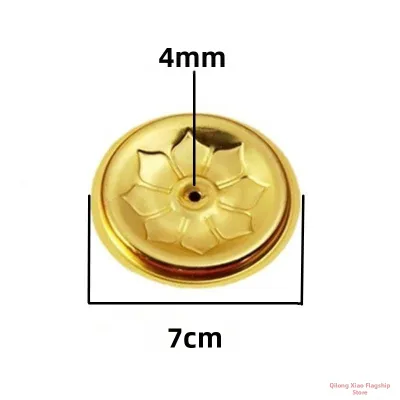
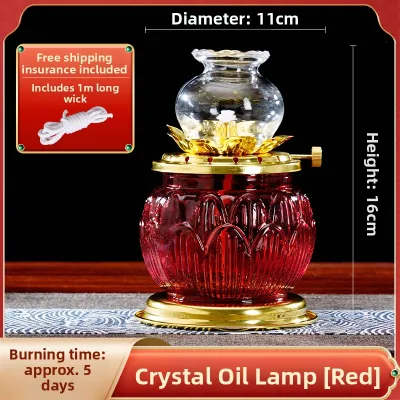
Prices are valid at publication and may change. Please refer to the product page for the latest price.
Symmetry and balance are foundational concepts in traditional altar arrangements. In Buddhist philosophy, symmetrical layouts reflect the inner harmony, balance, and order of the teachings. When you look at a well-arranged altar, the left and right sides should mirror each other as closely as possible. This balance is not merely aesthetic; it represents the dual cultivation of wisdom and compassion, which are the two pillars of the Buddhist path.
To organize the altar effectively, it helps to divide the surface into distinct offering zones. Generally, these zones progress from the back of the altar (closest to the Buddha statue) to the front (closest to the practitioner). The area immediately surrounding the statue is reserved for the highest offerings, such as light and water. The middle zone typically holds the incense burner, which acts as a bridge between the practitioner and the sacred space. The outermost or frontmost zone is used for temporary offerings like fresh flowers and fruit. Understanding this basic hierarchy prevents the altar from becoming cluttered and ensures that each item serves its ritual purpose without interference.
Step-by-Step Placement of Oil Lamps
When you are ready to position your oil lamps, begin by establishing the left and right coordinates relative to the central Buddha statue. If you are using a traditional pair of lamps, place one on the far left and one on the far right of the statue. This flanking position ensures that the light is cast evenly across the face of the Buddha, minimizing harsh shadows and creating a warm, inviting glow. The distance between the lamps and the statue should be equal on both sides to maintain the visual symmetry of the altar.

Next, consider the vertical alignment of the lamps. A fundamental rule of altar etiquette is that no offering item should stand taller than the Buddha statue itself. Specifically, the flame of the oil lamp should sit at a height lower than the statue’s head or heart center. If your oil lamps are naturally tall, you may need to elevate the Buddha statue using a wooden pedestal to restore the correct height hierarchy. Keeping the lamps lower is a physical expression of humility and ensures that the sacred image remains the dominant feature.
The arrangement can be adjusted depending on whether you are using a single lamp or a pair. While a pair is highly recommended for its symmetry, a single lamp is perfectly acceptable, especially on smaller altars. If you choose a single lamp, it should be placed to the right side of the Buddha statue (from the practitioner’s perspective) or positioned centrally in front of the statue, provided it does not block the view of the image. When using a pair, ensure they are aligned along the same horizontal axis so that one does not sit closer to the front of the altar than the other.
Finally, verify the line of sight from your primary meditation or bowing position. Walk around the room and sit in your usual practice spot to check if the lamps obstruct your view of the Buddha’s face or body. The lamps should frame the statue rather than hide it. If you notice any visual clutter or obstruction, gently slide the lamps further to the outer edges of the altar until the line of sight is completely clear.
Arranging Oil Lamps with Other Offering Items
An altar typically accommodates several other offering items, including an incense burner, water bowls, and food plates. Coordinating these items requires careful spatial planning to prevent physical crowding and potential hazards. The incense burner, which is central to daily rituals, should be placed directly in front of the Buddha statue along the central axis of the altar. This central placement makes it easy to offer incense without reaching over other items.
To prevent heat, smoke, or falling ash from interfering with your oil lamps, position the lamps slightly behind or to the outer sides of the incense burner. This diagonal relationship creates a safe buffer zone. If the oil lamps are placed too close to the incense burner, the heat from the open flames can cause the incense smoke to swirl unpredictably, or worse, stray ash could fall into the lamp oil, contaminating the fuel and causing the wick to sputter.
Water offerings and food plates must also be kept separate from the open flame and heat zone of the oil lamps. Water bowls are traditionally placed in a neat, straight line directly in front of the Buddha statue, often positioned between the statue and the incense burner. Ensure there is a clear physical gap between the water bowls and the oil lamps. Placing water too close to hot oil lamps poses a risk of accidental splashes, which can cause hot oil to spit or crack glass lamp chimneys.
Maintaining adequate spacing between all items is crucial for a smooth daily worship routine. When you reach onto the altar to light the lamps, offer incense, or change the water bowls, your hands should be able to move freely without the risk of brushing against an open flame or tipping over a vessel. A good rule of thumb is to leave at least a two-to-three-inch gap between each object on the altar, adjusting the spacing to suit the specific dimensions of your tabletop.
Safety and Maintenance Boundaries for Altar Lamps
Operating open-flame oil lamps inside a home requires strict adherence to fire safety protocols. Always place your oil lamps on stable, non-flammable bases or dedicated drip trays made of brass, ceramic, or stone. These trays serve a dual purpose: they catch any accidental oil spills or drips, protecting your wooden altar furniture, and they provide a heavy, stable foundation that reduces the risk of the lamps being knocked over.
In modern residential settings, such as high-rise apartments or condominiums in Singapore, space is often at a premium, and altars may be positioned near windows or walkways. It is vital to maintain a safe clearance distance of at least three feet from flammable materials, including curtains, window blinds, wooden wall panels, and low-hanging decorative banners. Ensure the area directly above the lamps is completely clear of any obstructions, as rising heat can damage painted ceilings or ignite overhead decorations.
Regular maintenance of the wick and oil is essential for clean, stable combustion. Before lighting the lamp, trim the wick to a short length—typically about one-eighth of an inch—to prevent a high, flickering flame that produces excess soot. Use only high-quality, clean-burning lamp oils, such as liquid paraffin or specialized vegetable-based altar oils. Avoid using low-quality oils that can clog the wick, produce unpleasant odors, or cause unexpected flaring.
Establish clear stopping conditions for your altar practice. Never leave an open-flame oil lamp unattended. If you are leaving the house, sleeping, or stepping away from the room for an extended period, extinguish the flames completely using a small metal snuffer rather than blowing them out, which can scatter hot oil. If your household includes active pets, young children, or if local building regulations prohibit open flames, strongly consider switching to high-quality LED altar lamps. These modern alternatives eliminate the risk of fire while still providing a beautiful, respectful representation of light.
Frequently Asked Questions (FAQ)
Can I use a single oil lamp instead of a pair?
Yes, using a single oil lamp is entirely acceptable, particularly if your altar space is limited or if you prefer a minimalist setup. While traditional practices often favor a pair of lamps to represent the symmetrical balance of wisdom and compassion, a single lamp still fully carries the symbolic meaning of offering light. When using a single lamp, place it on the right side of the Buddha statue (from your perspective as you face the altar) or position it centrally in front of the statue, ensuring it sits safely behind the incense burner and does not block your view of the sacred image.
What should I do if the oil lamp flame flickers excessively?
An excessively flickering flame is usually caused by environmental drafts or wick issues rather than any external spiritual factors. First, check the room for drafts from nearby windows, doors, ceiling fans, or air conditioning units, and adjust the airflow or move the lamp to a more sheltered spot on the altar. If the air is still, inspect the wick itself. A wick that is too long, unevenly cut, or saturated with old, low-quality oil will burn unstable. Extinguish the lamp, let it cool, trim the carbon buildup off the tip of the wick, and ensure you are using clean, high-quality lamp oil.
Are LED oil lamps acceptable for traditional Buddhist altars?
Yes, LED oil lamps are widely accepted in modern Buddhist practice as a safe, practical, and respectful alternative to open flames. When selecting LED lamps, verify that they carry appropriate electrical safety certifications, such as the local Safety Mark in Singapore, to ensure they are safe for continuous use. Check the voltage compatibility, base interface, and wattage limits of the plug-in models. Many practitioners prefer LED lamps with a warm, soft yellow color temperature that closely mimics the gentle glow of a traditional flame, creating a serene and peaceful atmosphere without the associated fire hazards or soot. If the installation requires fixed wiring or wall-mounting, always isolate the power at the main distribution board before beginning and consult a licensed electrician to ensure a safe setup.

Community discussion
Share your experience or ask a question. Comments are reviewed before publication.