
Placing Weimei Feng Shui ornaments in your living or working space requires a thoughtful balance of traditional spatial principles and practical interior design. To achieve the maximum benefit from these cultural decor pieces, you must align each item’s symbolic purpose with the physical layout of your environment. Whether you are decorating a compact high-rise apartment or a bustling corporate office, proper positioning ensures that your ornaments harmonize with the natural flow of movement and light. By understanding where and how to display these items, you can create an inviting, balanced atmosphere that supports your personal and professional goals.
Identify the Purpose of Your Weimei Feng Shui Items
Before placing any ornament, it is essential to clarify what you hope to achieve with it. Feng Shui items are traditionally categorized by their symbolic functions, such as attracting wealth, offering protection, or fostering harmony among family members or colleagues. For instance, items designed for wealth attraction, like symbolic ships or wealth pots, are meant to invite abundance, whereas protective symbols like guardian figures are intended to shield a space from negative energy. Knowing the primary function of your specific Weimei piece allows you to select a location that matches its traditional role.
To ensure you are using the item correctly, always check the manufacturer’s label, packaging, or any included guide for specific instructions. Some Weimei pieces may have unique material compositions or design details that dictate where they should or should not be placed. For example, a delicate resin piece might require protection from heat sources, while a heavy metal ornament might have specific structural support needs. Reviewing these details first prevents placement errors that could compromise the item’s physical integrity or its symbolic value.
Products mentioned in this guide
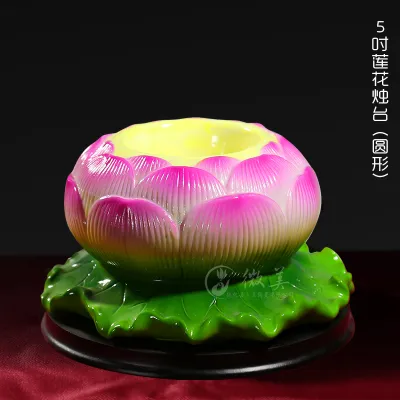
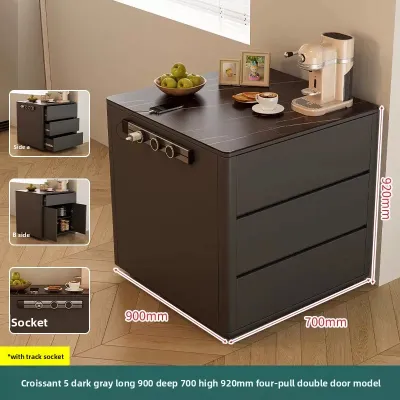
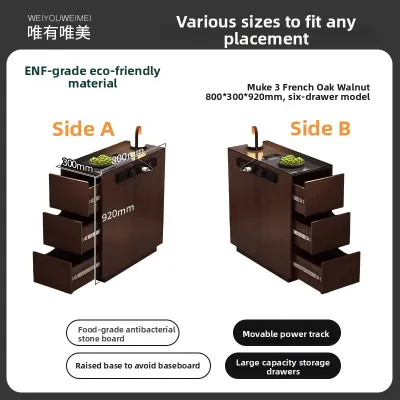
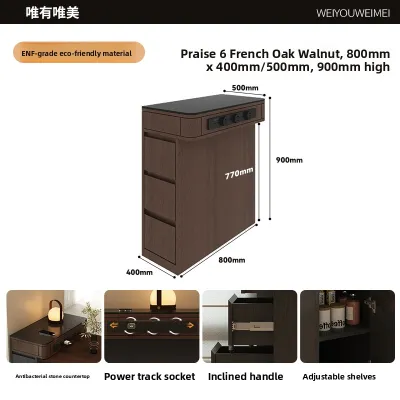
Prices are valid at publication and may change. Please refer to the product page for the latest price.
Once you understand the item’s traditional function, define the primary intention for your specific space. If you are setting up a home office in a modern condominium, your focus might be on enhancing concentration and career growth. If you are decorating a family living room, your goal might be to promote peaceful communication and relaxation. Aligning the traditional purpose of your Weimei ornament with these personal or business goals ensures that your decor choices feel meaningful and integrated into your daily life.
Apply Core Placement Principles for Homes and Offices
Positioning your ornaments effectively requires careful attention to the physical characteristics of your room. When selecting shelves, desks, or display cabinets for your Weimei items, always evaluate their visibility, height, and structural stability. Ideally, important cultural ornaments should be placed at eye level or waist height, where they can be easily appreciated without overwhelming the room. Placing items directly on the floor is generally avoided in traditional practices, as it is seen as disrespectful to the symbols they represent. Ensure that any wall-mounted shelves or glass display cases are sturdy enough to support the weight of heavier stone or metal pieces safely.

Another critical factor is the line of sight and the natural flow of traffic through your entranceways. Avoid placing large or prominent ornaments in narrow corridors or directly in front of doors where they might block pathways or create visual clutter. In busy office environments or compact residential layouts, keeping walkways clear is essential for both physical safety and maintaining a sense of spaciousness. An ornament should enhance the room’s aesthetic, acting as a pleasant focal point rather than a physical obstacle that people must navigate around.
Additionally, you must consider how local environmental conditions might affect the materials of your ornaments. In tropical climates with high humidity, such as Singapore, materials like untreated wood, certain metals, or delicate resins can degrade, rust, or accumulate mold if exposed to damp conditions. Avoid placing your Weimei items in areas subject to extreme temperature fluctuations, direct sunlight, or high moisture, such as right next to air conditioning units, open windows, or kitchen stoves. Protecting the physical material of the ornament ensures it remains a beautiful and durable part of your decor for years to come.
If your Weimei item includes active electrical components, such as a built-in LED light or a water pump feature, always verify its voltage compatibility, wattage limits, and electrical safety certifications before plugging it in. Ensure any power cords are safely routed to avoid tripping hazards, and isolate the power source before performing any maintenance or cleaning.
Plan Room-by-Room Positioning Strategies
Different rooms in your property serve distinct purposes, and your placement strategy should adapt to the specific energy and function of each area. In living areas and reception zones, the focus should be on welcoming positive energy and supporting social harmony. These spaces are highly active, making them ideal for placing items that symbolize hospitality, joy, and connection. Position these ornaments on a prominent console table or a central shelf where they are visible to guests entering the room, ensuring they do not obstruct the natural movement of people gathering in the space.
For home offices and commercial workspaces, the priority shifts to supporting focus, productivity, and professional growth. If you are placing a Weimei item on your desk, a common practice is to position it in the upper-left corner, which traditionally represents prosperity and career advancement. Keep the immediate workspace clear of unnecessary clutter so you have ample room for your computer, documents, and daily tasks. Placing a supportive symbol on a shelf behind your seating position can also create a sense of stability and backing, helping you feel more secure and focused during long working hours.
In contrast, private spaces like bedrooms require a completely different approach centered on rest and relaxation. The bedroom is a sanctuary for sleep, so it is best to select calming, peaceful symbols and avoid placing highly active or aggressive protective items near your bed. Large, heavy metal ornaments or fierce guardian figures can feel visually jarring in a space meant for quiet repose. Instead, opt for subtle, soft-toned decor items and place them away from your direct line of sight when lying down, ensuring your sleeping environment remains tranquil and undisturbed.
Avoid Common Placement Mistakes
Even with the best intentions, simple positioning errors can detract from the beauty of your decor or even cause physical damage. One of the most common mistakes is placing sacred, highly active, or wealth-attracting symbols in inappropriate areas such as bathrooms, kitchens, or directly on the floor. Bathrooms and kitchens are functional spaces associated with waste and high heat, respectively, which can conflict with the positive symbolism of your ornaments. Keeping your items in dedicated living, working, or reception areas respects their cultural significance and keeps them safe from grease, moisture, and household accidents.
Another mistake to avoid is creating conflicting elemental placements without professional guidance. In traditional spatial design, different materials and symbols represent elements like water, fire, wood, metal, and earth. Placing a water-themed ornament directly next to a heavy fire element, such as a microwave, stove, or major electrical distribution board, can create a visually and symbolically discordant environment. Try to group items with complementary materials and themes, or leave sufficient space between them to maintain a balanced and harmonious aesthetic throughout your home or office.
Finally, do not allow your ornaments to become heavily covered in dust or left in a state of disrepair. A neglected, dusty item can make a workspace or living room feel unkempt and stagnant. If an ornament becomes chipped, cracked, or faded, it is important to address the damage promptly. Keeping your decor clean and well-maintained shows respect for your living space and ensures that the items continue to serve as uplifting visual reminders of your personal goals.
Maintain and Care for Your Feng Shui Ornaments
To keep your Weimei Feng Shui items looking their best, establish a regular, gentle cleaning routine tailored to their specific materials. For brass, bronze, or other metal ornaments, use a soft, dry microfiber cloth to remove dust without scratching the surface; avoid harsh chemical polishes unless specifically recommended by the manufacturer, as these can strip away protective patinas. For resin, ceramic, or glass items, a slightly damp cloth can be used to wipe away smudges, followed immediately by a dry cloth to prevent water spots from forming in humid environments. For items with electrical features, always isolate the power supply before cleaning.
Setting a realistic maintenance schedule is particularly important in regions with high dust levels or humid tropical climates. A quick weekly dusting is usually sufficient to keep your items clean and prevent the buildup of grime. During your regular cleaning, take a moment to inspect the structural integrity of the shelves or stands holding your ornaments, ensuring that no brackets have loosened over time. This proactive care protects your investment and keeps your display looking pristine.
While basic cleaning and positioning can easily be managed on your own, there are times when it is best to seek expert advice. If you are planning a major home renovation, experiencing persistent difficulties in arranging your space, or looking for highly personalized directional advice based on your birth date or annual spatial updates, consider consulting a qualified Feng Shui practitioner. A professional can provide tailored recommendations that complement your DIY efforts, helping you integrate your Weimei items seamlessly into a comprehensive spatial plan.
Frequently Asked Questions (FAQ)
Can I place multiple Weimei Feng Shui items in the same room?
Yes, you can display multiple items in a single room, provided you maintain adequate spacing and avoid visual clutter. Overcrowding a single shelf, mantelpiece, or desk with too many ornaments can make the space feel chaotic and disorganized, which defeats the purpose of creating a balanced environment. Choose items with complementary functions—such as pairing a wealth symbol with a harmony ornament—and distribute them naturally across different areas of the room to maintain a clean, intentional aesthetic.
What should I do if my Feng Shui item breaks or gets damaged?
If a Weimei ornament becomes chipped, cracked, or broken, first assess whether a clean, professional repair is possible without altering the item’s appearance. If the damage is severe or cannot be repaired neatly, it is generally best to replace the item. To dispose of a damaged cultural ornament respectfully, wrap it carefully in clean paper or a cloth before placing it in a waste bin. This practice acknowledges the item’s symbolic role in your home before you transition to a new piece.
Community discussion
Share your experience or ask a question. Comments are reviewed before publication.