
Positioning a buddha lamp in your home requires a thoughtful balance of traditional reverence, spatial harmony, and modern electrical safety. To ensure a respectful setup, the lamp should be placed on an elevated, stable altar surface, ideally positioned symmetrically on either side of the central Buddha statue. The light source should sit at or slightly below the eye level of the deity, casting a gentle glow that illuminates the altar without creating harsh shadows or blocking the statue itself.
In traditional practices, the orientation of the lamp should direct light inward toward your main living or meditation space, fostering a serene and peaceful atmosphere. It is essential to avoid placing the lamp or the altar directly facing unclean areas such as bathrooms, kitchen stoves, or waste bins. By understanding these foundational placement guidelines, you can create a harmonious sacred space that respects cultural traditions while fitting seamlessly into your modern household layout.
Understanding the Core Principles of Buddha Lamp Placement
In Buddhist tradition, the buddha lamp is far more than a decorative light fixture; it serves as a profound symbol of wisdom, clarity, and the dispelling of spiritual darkness. Lighting the lamp represents the awakening of inner wisdom and the commitment to overcoming ignorance. Because of this deep symbolic meaning, the physical placement of the lamp must reflect the utmost respect and mindfulness.
Products mentioned in this guide
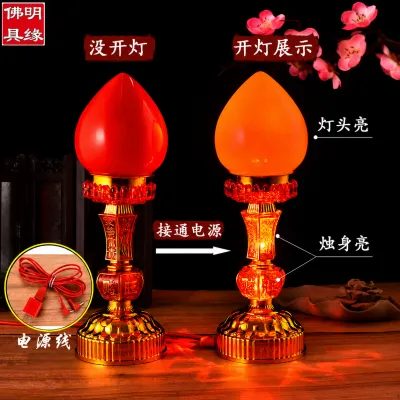
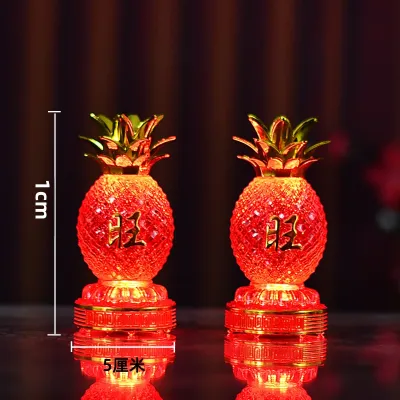
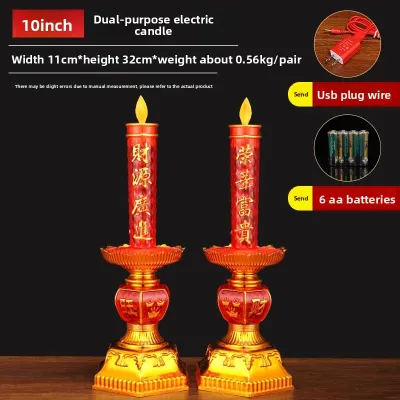
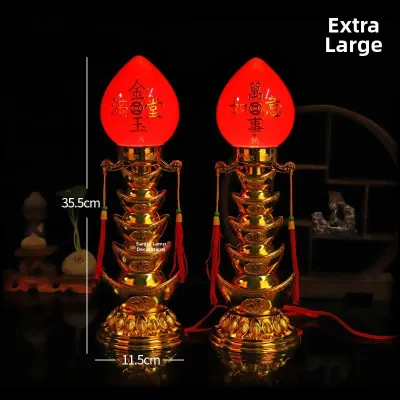
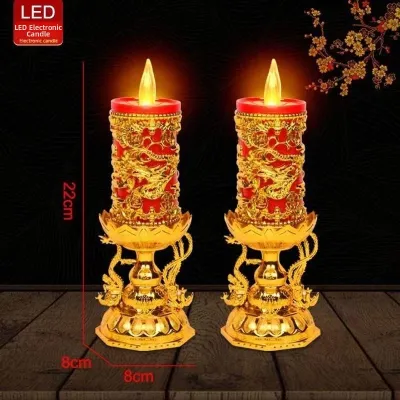
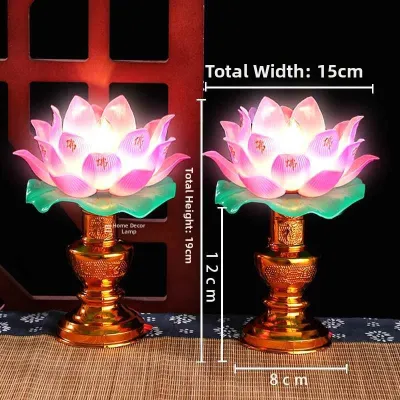
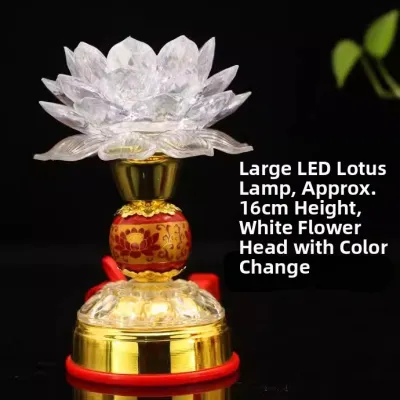
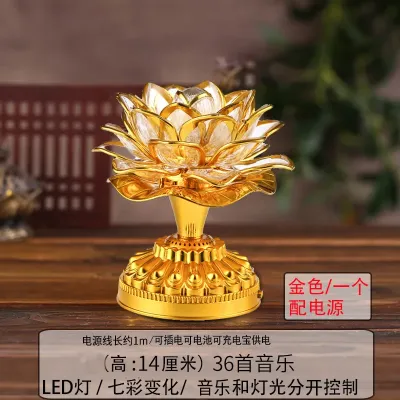
Prices are valid at publication and may change. Please refer to the product page for the latest price.
Maintaining a respectful environment begins with elevating the lamp above the mundane activities of the household. Traditional guidelines dictate that sacred objects should never be placed in low-lying areas where they might be overlooked or accidentally stepped over. Keeping the lamp elevated on a dedicated altar table or shelf preserves its sacred status and ensures it remains a focal point of mindfulness in the home.
From a feng shui perspective, the buddha lamp plays a crucial role in balancing the energy, or chi, within a room. Light is a powerful manifestation of yang energy, which brings warmth, activity, and vitality to a space. When positioned correctly, the lamp helps to disperse stagnant yin energy that can accumulate in dark corners, creating a balanced and harmonious flow of energy throughout the entire living area.
Step-by-Step Guide to Positioning Your Buddha Lamp
Setting up your buddha lamp involves a systematic approach that transitions from traditional theory to practical, physical arrangement. Before introducing any sacred items to the space, it is important to prepare the environment thoroughly to ensure both spiritual respect and physical safety.

Begin by selecting a sturdy, high-quality altar table or wall-mounted shelf that can easily support the weight of your deity statues, lamps, and other offerings. Clean the surface completely using a dedicated cloth reserved solely for this purpose, ensuring the area is entirely free of dust, clutter, and everyday household items.
Selecting the Right Height and Level
The vertical placement of your buddha lamp is a key factor in demonstrating proper reverence and maintaining visual balance on your altar. As a general rule, the lamp and the entire altar setup must be positioned well above waist level. Placing sacred items too low diminishes their symbolic importance and exposes them to accidental disturbance.
Ideally, the light source of the buddha lamp should sit at or slightly below the eye level of the main Buddha statue. This height ensures that the light gently illuminates the face and features of the deity, enhancing the serene atmosphere of the space. The lamp should never be placed higher than the head of the Buddha statue, as the deity must always remain the highest and most prominent focal point of the altar.
Avoid placing the lamp directly on the floor, low coffee tables, or temporary folding surfaces. If you are using a multi-tiered altar, the buddha lamp should reside on the same tier as the statue or on the tier immediately below it. This structured hierarchy maintains a clear visual order and prevents the light from casting distracting, upward-pointing shadows that distort the statue’s expression.
Determining Directional Orientation
When planning the spatial layout of your altar, the directional orientation of the buddha lamp plays a significant role in how energy circulates through your home. Traditional guidelines highly favor positioning the altar and the lamps to face East, which is associated with the rising sun, new beginnings, and spiritual awakening.
If your home’s floor plan does not easily accommodate an East-facing setup, you can adapt the placement to suit your specific layout. The most important rule is to position the lamp so that its light faces inward toward the main living space or meditation area. This inward-facing orientation helps to project a sense of peace, warmth, and protection throughout the rooms where your family spends the most time.
Under no circumstances should the buddha lamp or the altar face directly toward bathroom doors, kitchen stoves, utility closets, or waste bins. These areas are associated with physical impurities and chaotic energy, and facing them is considered highly disrespectful. If your layout forces the altar to be near these zones, use decorative partitions, folding screens, or strategic positioning to block the direct line of sight.
Arranging with Other Altar Items
A traditional Buddhist altar relies heavily on symmetry and balance to create a sense of peace and focus. When arranging your altar, it is customary to use a pair of buddha lamps, placing them evenly on the left and right sides of the central Buddha statue. This symmetrical arrangement represents the balance of wisdom and compassion, the two core pillars of Buddhist practice.
Safety must be your top priority when coordinating the spatial relationship between the lamps and other traditional offerings. Ensure there is a safe physical distance between the lamps and flammable items such as incense sticks, wooden structures, fabric drapes, or fresh flower arrangements. If you use traditional oil lamps or candles, this distance is critical to prevent accidental fires caused by drifting embers or heat buildup.
Additionally, leave adequate physical clearance around the lamps to facilitate daily maintenance. You should be able to easily reach the water cups, incense burners, and fruit plates without bumping into the lamps or risking a spill. If your lamps are electric, ensure the power cords are routed neatly behind the altar, leaving enough slack so that cleaning the table does not pull on the electrical connections.
Adapting Placement for Modern Singapore Homes
Living in modern Singapore apartments, such as HDB flats and condominiums, often presents unique spatial challenges that require creative adjustments to traditional altar setups. With compact floor plans and open-concept layouts, finding the perfect spot for a full-sized altar table can be difficult, but respectful placement is still entirely achievable.
For homes with limited floor space, wall-mounted shelves offer an excellent, space-saving alternative to traditional floor-standing altars. When installing a wall shelf, always verify the wall’s load-bearing capacity and use high-quality wall plugs and brackets to ensure structural stability. If you are mounting the shelf yourself, ensure it is anchored securely to avoid any risk of the shelf sagging or falling over time. For any fixed wiring or complex electrical installations, always consult a qualified professional to ensure safety.
Managing electrical cords is another crucial consideration in modern apartments. To maintain a neat, respectful appearance and prevent tripping hazards, use plastic cable trunking or self-adhesive cord organizers to run the lamp wires flush against the wall or the edges of the altar. Keeping cords concealed not only preserves the aesthetic serenity of the sacred space but also protects the wires from being chewed by pets or damaged by vacuum cleaners.
Furthermore, pay close attention to the structural features of your apartment. Avoid placing the altar and buddha lamps directly under heavy structural ceiling beams, as feng shui principles suggest this creates a pressing, heavy energy that can disrupt household harmony. Similarly, avoid positioning the altar in high-traffic walkways or directly next to main entrance doors where foot traffic is constant and chaotic, as this can disturb the quiet focus required for meditation and prayer.
Common Placement Mistakes and How to Avoid Them
Creating a respectful home altar requires avoiding several common positioning and maintenance errors that can compromise both traditional etiquette and household safety. One of the most frequent mistakes is placing the buddha lamp too low or allowing it to be overshadowed by secular home decor and modern electronics.
The altar should never be positioned directly adjacent to or underneath a television screen, large stereo speakers, or gaming consoles. The active, distracting energy of entertainment devices conflicts with the quiet, contemplative nature of the altar. Keep a clear physical boundary between your sacred space and your entertainment areas to ensure the buddha lamp remains a dedicated symbol of mindfulness.
Another common error is using flickering, overly harsh, or broken light bulbs in the buddha lamp. In traditional beliefs, a flickering or dimming light is considered inauspicious and can create a visually disruptive atmosphere that hinders concentration during meditation. Inspect your lamps regularly and replace any failing bulbs immediately to maintain a steady, warm, and comforting glow.
Electrical safety is often overlooked when setting up home altars, posing a significant risk to the household. Avoid overloading power strips by plugging too many appliances into a single outlet near the altar. Never run extension cords across doorways, under carpets, or near water vessels on the altar, as these practices can lead to frayed wires, short circuits, or electrical fires.
Maintaining and Caring for Your Buddha Lamp
Preserving the dignity and functional safety of your buddha lamp requires a commitment to regular maintenance and mindful care. Establishing a routine cleaning schedule ensures that the lamp remains a bright, clean, and respectful representation of wisdom in your home.
Before performing any cleaning or maintenance on your buddha lamp, always isolate the power source by turning off the switch and unplugging the lamp from the wall outlet. This simple safety step is essential to prevent electrical shocks, especially if you are cleaning near metal components. Use a dry, soft microfiber cloth reserved exclusively for altar items to gently dust the lamp body and bulb, avoiding harsh chemical cleaners that could damage brass, gold-plating, or delicate glass finishes.
Regularly inspect the physical condition of the power cords, plugs, and sockets for any signs of wear, cracking, discoloration, or heat damage. Over time, electrical cords can degrade, particularly in warm or humid environments. If you notice any stiffness, exposed wires, or warmth coming from the plug, discontinue use immediately and consult a qualified professional to repair or replace the wiring.
When replacing light bulbs, always verify that the replacement bulb matches the voltage, base interface, and maximum wattage limit specified by the lamp manufacturer. Ensure your hands are clean and completely dry before handling the new bulb. Gently screw or insert the bulb into the socket without applying excessive force, ensuring a secure fit that prevents loose connections and potential electrical faults.
Frequently Asked Questions (FAQ)
Can I place a Buddha lamp in the bedroom?
Traditional guidelines generally discourage placing a buddha lamp or an altar in the bedroom due to the intimate, private, and resting nature of the space. The bedroom is associated with secular relaxation and sleep, which can conflict with the respectful, active mindfulness required for a sacred altar.
If space constraints in your home make a bedroom placement absolutely unavoidable, you can implement conditional solutions to maintain respect. Use a dedicated cabinet with doors or a folding screen to completely conceal the altar and the lamp when they are not in use, particularly during sleeping hours. Additionally, ensure the lamp is turned off before you go to sleep to maintain a dark, restful environment conducive to healthy rest.
Should the Buddha lamp be left on all the time?
While traditional practices in some temples involve keeping a light illuminated continuously, modern home safety and energy conservation suggest a more balanced approach. Leaving traditional incandescent or halogen bulbs on unattended 24/7 poses a significant fire hazard due to heat buildup, especially on wooden altar tables.
For a safer and more sustainable setup, it is highly recommended to light the buddha lamp primarily during morning and evening prayers, or on specific lunar dates and festival days. If you prefer to keep the lamp illuminated for extended periods, utilize modern smart plugs, automatic timers, or low-heat LED bulbs. These devices allow you to schedule the lighting safely, reducing energy consumption and minimizing the risk of overheating while you are away from home or asleep.
What type of light bulb is best for a Buddha lamp?
Selecting the right light bulb involves balancing traditional aesthetic preferences with modern safety standards. Warm white tones are highly preferred for buddha lamps, as they create a serene, soft, and respectful atmosphere that complements the meditative quality of the altar. Avoid harsh cool white, bright blue, or rapidly flickering decorative lights, which can feel clinical or distracting.
From a safety and efficiency standpoint, low-heat LED bulbs are the superior choice for home altars. Unlike traditional incandescent bulbs, LEDs generate minimal heat, significantly reducing the risk of scorching wooden altar surfaces or igniting nearby flammable items like incense or fabric. Always verify that the bulb’s voltage, base type, and wattage limits are fully compatible with your specific buddha lamp before installation.

Community discussion
Share your experience or ask a question. Comments are reviewed before publication.