
Setting up a home altar is a deeply personal and spiritually significant process. In Singapore, where modern apartments like HDB flats and condominiums present unique layout challenges, finding the perfect spot for an altar requires a thoughtful blend of traditional feng shui principles, practical space planning, and safety considerations. A properly positioned altar acts as a peaceful sanctuary, fostering positive energy, harmony, and spiritual respect within your living space.
To achieve the best feng shui energy flow (Qi), an altar should be elevated, structurally supported, and placed in a quiet, respectful area of the home. It must look outward into an open space, free from structural obstructions, daily clutter, and conflicting household activities. By understanding how to align the altar with the surrounding environment, you can create a sacred space that honors your beliefs while maintaining a safe, functional home.
Select the Best Room for Your Home Altar
Choosing the right room for your altar is the foundation of good feng shui. In most Singapore homes, the living room stands out as the most auspicious and practical choice. As the central gathering space of the household, the living room naturally accommodates the active energy (Yang Qi) that deities thrive on, while offering enough space for family members to gather, pay respects, and perform daily rituals comfortably.
Products mentioned in this guide
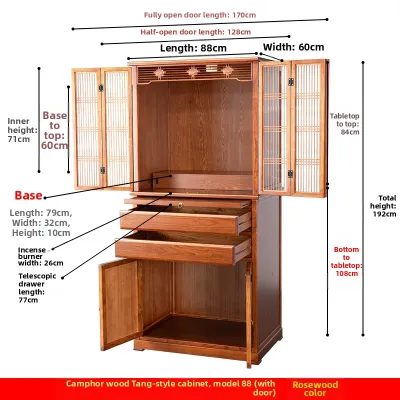

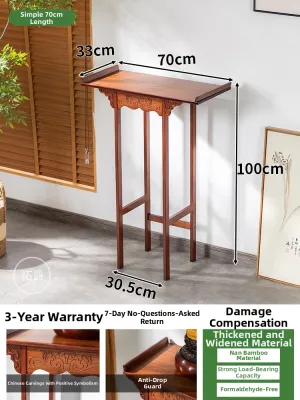
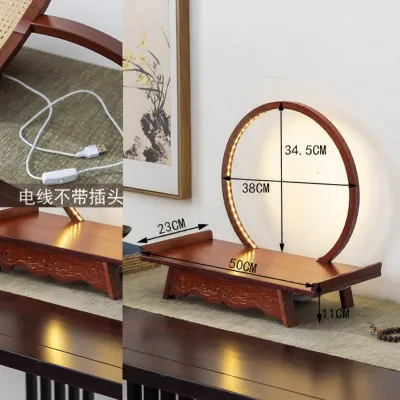
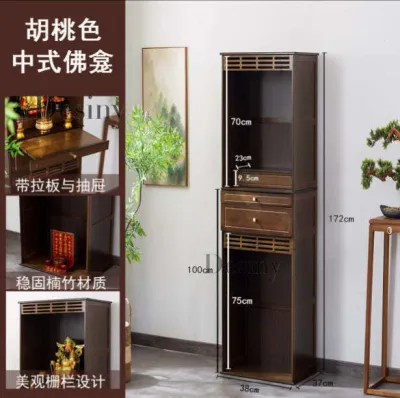
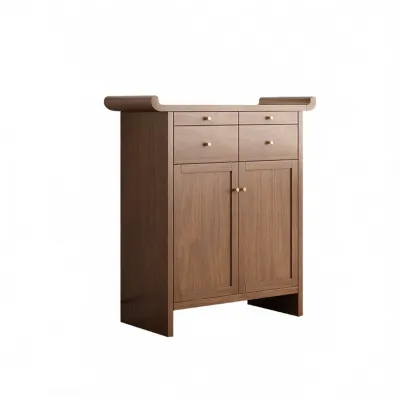
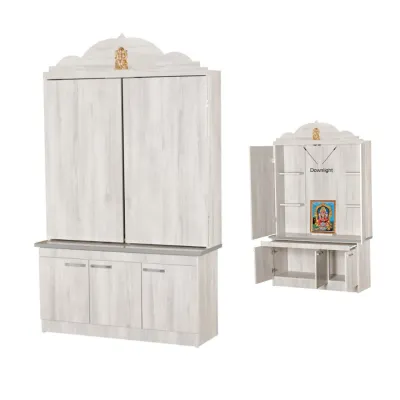
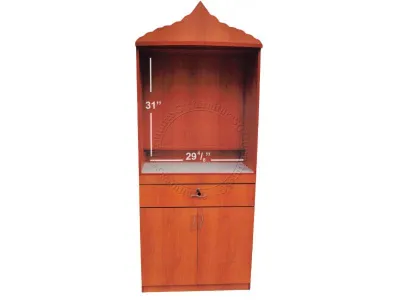
Prices are valid at publication and may change. Please refer to the product page for the latest price.
If your home layout allows, a dedicated prayer room or a quiet, respectful study is an excellent alternative. These spaces offer a serene environment for meditation and prayer, away from the distractions of daily household activities. However, if you choose a study, ensure the altar is placed away from your main work desk to prevent the stress of professional tasks from encroaching on the sacred atmosphere.
There are several areas of the home that you must strictly avoid when positioning your altar. Bedrooms are highly unsuitable due to the private nature of the space, such as sleeping and changing clothes, which is considered disrespectful to spiritual entities. Kitchens must also be avoided because the heavy grease, cooking odors, and clashing fire energy from the stove can disrupt the peaceful energy of the altar. Most importantly, never place an altar in or directly facing a bathroom, as the waste and drainage associated with these spaces generate negative energy (Yin Qi) that conflicts with spiritual purity.
In compact modern apartments, space constraints often mean the altar must share a multi-purpose area. When this occurs, proper space planning is essential to ensure the spot remains quiet, clean, and out of high-traffic walkways. Avoid placing the altar in narrow corridors or near doorways where family members might constantly walk past, bump into the structure, or disrupt the peaceful energy.
If the altar must be integrated into a shared living area, consider using room dividers, folding screens, or custom-designed altar cabinets with doors. These solutions allow you to establish a clear, respectful boundary around the sacred space. Closing the cabinet doors or drawing the screen when the altar is not in active use helps maintain a distinct separation between daily domestic life and your spiritual practice.
Determine the Auspicious Direction and Orientation
Once you have selected the appropriate room, the next step is determining the correct direction and orientation for your altar. In feng shui, the “facing” direction of the altar refers to the direction the deity or ancestral tablet looks when facing outward from the wall. This is a common point of confusion: remember that the facing direction is opposite to the direction you face when you stand before the altar to pray.

To measure the exact orientation of your chosen wall and room, you can use a standard compass or a traditional Luo Pan (feng shui compass). Stand with your back flat against the wall where the back of the altar will rest, and look straight ahead. Hold the compass level at waist height, away from large metal objects or electronic appliances that could interfere with the magnetic reading, and note the direction pointing directly away from the wall.
Generally, favorable orientations for an altar include facing the main entrance of the home or facing a bright, clean window. Positioned this way, the deity can welcome positive energy entering the home and offer protection to the household. However, avoid placing the altar in a direct, tight straight line with the main door. Rushing energy entering the home can be too intense and disruptive; instead, offset the altar slightly to allow the energy to circulate gently before reaching the sacred space.
Different belief systems and spiritual traditions have distinct directional preferences that may influence your layout. For instance, Buddhist altars often face west, a direction associated with the Western Pure Land of Amitabha Buddha. Taoist altars and ancestral tablets may have unique requirements based on the specific deities being honored or the family’s lineage.
Because individual home layouts and personal energy profiles vary, it is highly recommended to consult specific religious guidelines or a qualified feng shui master. A professional can perform personalized calculations using your family members’ birth details (Bazi) to identify the most harmonious compass sectors and alignment directions for your specific household.
Set the Proper Height and Structural Backing
The physical elevation and structural support of your altar are critical to establishing respect and stabilizing the surrounding energy. Height is a direct reflection of spiritual hierarchy; therefore, the main altar surface must always be elevated. Ideally, the deities or sacred items should sit at or above chest and eye level when you are standing, which typically ranges between 1.2 meters and 1.5 meters from the floor.
Never place an altar below waist level. Positioning sacred figures too low is considered highly disrespectful and subjects them to downward-flowing, unstable energy. If you are using a multi-tiered altar, ensure that the primary deities occupy the highest level, while secondary figures, offerings, and ancestral tablets are arranged systematically below them.
In addition to height, your altar requires a solid backing to anchor its energy. The back of the altar must be placed completely flush against a solid, load-bearing wall. In feng shui, this solid support represents a “mountain,” providing stability, protection, and backing for the household’s spiritual and physical well-being.
Avoid placing the altar against glass windows, hollow partition walls, or temporary drywall structures. A glass window lacks the necessary support and allows energy to leak out easily, while hollow partition walls can vibrate and fail to provide a stable foundation. Furthermore, never place the altar against a wall that is shared directly with a bathroom toilet, shower, or major sewage pipe, as the draining water energy will constantly undermine the stability of the altar.
When selecting furniture, invest in a sturdy, purpose-built altar table made of solid wood, such as teak, oak, or mahogany. Solid wood provides a natural, grounding energy that complements the spiritual atmosphere. Avoid flimsy, wobbly, or repurposed storage cabinets that shake when touched, as a stable altar is essential for maintaining calm, focused energy.
Avoid Feng Shui Taboos and Fire Safety Hazards
To ensure a harmonious and safe home environment, you must carefully navigate both spatial feng shui taboos and essential safety practices. One of the most critical structural taboos is placing an altar directly under an overhead structural beam. Structural beams project a heavy, suppressing downward energy that can cause stress, pressure, and obstacles for the household. If your ceiling has exposed beams, position the altar completely clear of them, or install a false ceiling to conceal the beam and smooth out the energy flow.
Additionally, ensure the altar does not face directly toward a bathroom door, a kitchen stove, or a bedroom door. These direct alignments create clashing energies that can disrupt the peace of your home. You should also avoid placing the altar near noisy appliances such as television sets, washing machines, or air conditioning units, as the constant vibration and sound disturb the quiet, meditative atmosphere required for spiritual practice. Similarly, never position an altar under a staircase, as the action of people walking overhead is highly disrespectful to the deities.
Fire safety and incense management are paramount when maintaining a home altar. Keep all incense burners, oil lamps, and candles at a safe distance from curtains, paper offerings, hanging scrolls, and other flammable decorations. Always place a fireproof mat, tempered glass protector, or a sturdy metal tray under all burning elements to catch falling ash, prevent heat transfer, and protect the wooden surface of your altar table.
Proper ventilation is crucial, especially in modern, enclosed Singapore apartments. Ensure there is adequate airflow to disperse incense smoke and prevent the buildup of indoor air pollutants. Keep nearby windows slightly open during prayer times, or consider using a mild air purifier or exhaust fan to maintain clean air quality. This not only protects your family’s health but also prevents smoke damage, yellowing, and soot accumulation on your walls and ceilings.
Electrical safety is equally important for modern altars that utilize decorative lighting. When selecting lighting fixtures, verify the voltage, base or interface type, wattage limits, physical dimensions, and electrical certifications (such as the Safety Mark in Singapore) to ensure compatibility with your home’s electrical system. Check that the cords are in good condition and not pinched by heavy furniture, and do not overload power sockets; instead, use a high-quality, surge-protected power strip.
For any hardwired installations, such as dedicated ceiling track lights or recessed spotlights above the altar, always perform power isolation by turning off the main power at the distribution board, consult the manufacturer’s installation instructions, and hire a licensed, qualified electrician to perform the work safely.
Arrange the Altar and Maintain the Sacred Space
The final arrangement of items on your altar and your daily maintenance routine play a vital role in sustaining positive energy and showing continued respect. When arranging the altar, follow a clear hierarchy. Place the main deity in the center, elevated slightly above the surrounding items. If you honor multiple deities or have ancestral tablets, position them on the sides or on a lower tier, ensuring that ancestral tablets are never placed higher than or directly in front of the deities.
Maintaining a clean, clutter-free environment is essential for keeping the energy around the altar fresh and vibrant. Wipe the altar surfaces regularly using a dedicated, clean cloth that is reserved solely for this purpose. Do not use the same cloth you use to clean the rest of the house. Remove wilted flowers, dried leaves, and spoiled fruit offerings promptly, as decaying organic matter attracts negative energy (Yin Qi). Remember to replace water offerings daily with fresh, clean water.
While lighting styles and perceived color temperatures are matters of personal preference rather than rigid performance rules, using warm, respectful illumination (such as 2700K to 3000K) can help create a serene, peaceful atmosphere. Avoid harsh, cold white light or overly bright, flashing colored lights that can feel distracting or clinical. Ensure the light source is positioned to illuminate the deity’s face clearly, avoiding awkward shadows that might obscure the features.
Before completing your setup, perform a final verification check of the sacred space. Walk around the area and ask yourself the following questions:
- Does the space feel calm, peaceful, and balanced?
- Is the air clean, fresh, and free from excessive smoke or strong odors?
- Are all electrical connections secure, and are the light fixtures functioning properly?
- Is the area immediately surrounding the altar completely free from household clutter, laundry baskets, and unrelated daily items?
By keeping this area orderly and clean, you ensure that the spiritual energy remains pure and beneficial for your entire household.
Frequently Asked Questions (FAQ)
Can I place a home altar in a multi-purpose room or study?
A quiet study or home library is an acceptable location for an altar, provided the space remains clean, respectful, and free from excessive noise. However, avoid placing the altar directly facing or immediately next to your work desk, as the stress, paperwork, and clutter of daily business can disrupt the sacred boundary of the space. If you must set up the altar in a multi-purpose room, use a physical screen, curtain, or a custom cabinet with doors to gently separate the altar from the rest of the room when it is not in use.
What should I do if my home layout forces the altar to face a bathroom?
If your apartment’s fixed layout leaves you with no choice but to position the altar facing a bathroom, you should implement practical feng shui remedies to minimize the clash of energies. First, keep the bathroom door strictly closed at all times and install a self-closing mechanism if possible. Next, place a solid room divider, folding screen, or a tall, leafy non-flowering plant between the altar and the bathroom door to block the direct line of sight. You can also hang a faceted crystal sphere or a thick fabric curtain over the bathroom entrance to help deflect and disperse the negative energy.
Are there specific electrical requirements for installing altar spotlighting?
Yes, installing dedicated lighting requires careful attention to safety standards. Simple plug-in LED lamps only require safe cable routing and a certified surge protector. However, if you plan to install hardwired ceiling spotlights, track lighting, or recessed fixtures, you must follow local electrical safety regulations. Before drilling into walls or ceilings to run new wiring, always check for concealed water pipes and electrical cables. For all hardwired installations, turn off the main power supply and hire a qualified, licensed electrician to ensure the work is completed safely and complies with local building codes.
Community discussion
Share your experience or ask a question. Comments are reviewed before publication.