
Placing a lotus prayer lamp on your home Buddhist altar requires a thoughtful balance of sacred tradition, visual harmony, and practical safety. In a standard home setup, the most appropriate position for these symbolic lights is symmetrically on either side of the central Buddha statue or primary deity, situated on the offering tier. This balanced arrangement represents the dual aspects of wisdom and compassion radiating outward, while ensuring the physical light does not obstruct the sacred form of the deity. By understanding the structural flow of your altar and the physical specifications of your lamp, you can create a serene, respectful space that supports your daily spiritual practice.
Assessing Your Altar Layout and Lamp Specifications
Before placing any new item on your altar, you must carefully evaluate the physical dimensions and structural limits of your setup. Home altars, especially those designed for compact urban living spaces such as apartments or flats, often feature limited surface areas or multiple vertical tiers. Take precise measurements of the depth and height of each tier to determine where a lamp can sit securely without hanging over the edges. The primary tier, which houses the main statues or sacred images, must remain the focal point, while the lower or forward tiers are typically reserved for offerings like water, flowers, and light.
Next, examine the physical characteristics of your lotus prayer lamp. Note its base diameter, overall height, and weight to ensure the chosen shelf or bracket can support it without bowing or tipping. A heavy crystal or ceramic lamp requires a sturdy, level surface, whereas a lightweight plastic or acrylic model might be easily destabilized if its power cord is pulled or snagged. If you are using a mains-powered electric lamp, verify that the voltage rating matches your home’s electrical supply and check that the plug type is compatible with your wall outlets. Measure the cord length beforehand; a cord that is too short may stretch tightly across the altar, creating a safety hazard, while an excessively long cord can pile up and clutter the sacred space.
Products mentioned in this guide
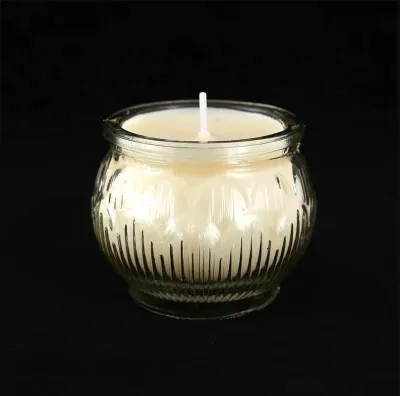
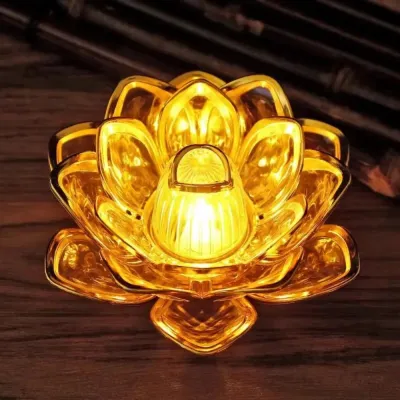
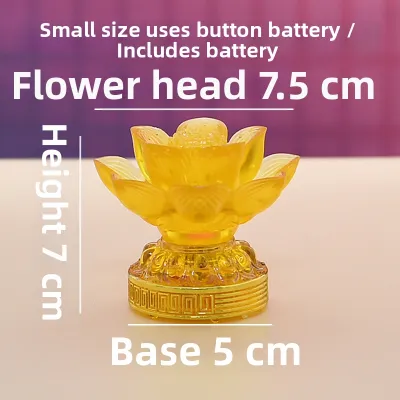
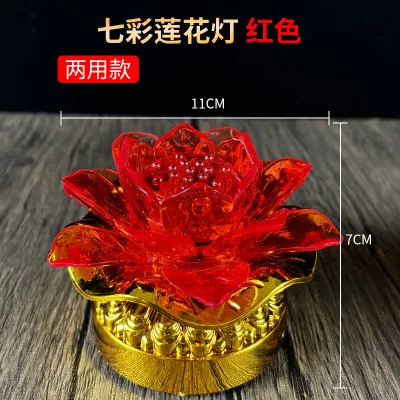
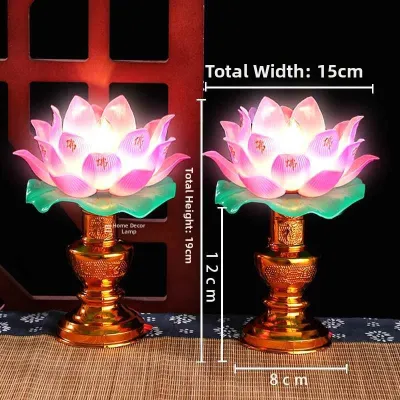
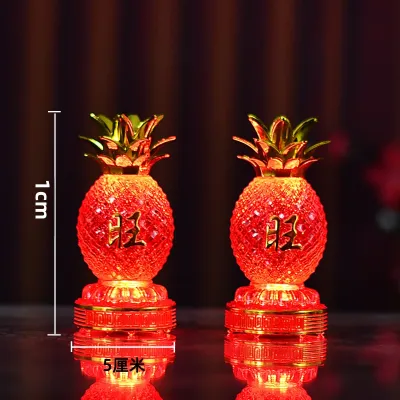
Prices are valid at publication and may change. Please refer to the product page for the latest price.
Choosing the Right Placement Zones for the Lotus Lamp
Achieving visual and spiritual balance is a core principle of Buddhist altar arrangement. To maintain this harmony, position your lotus lamps symmetrically on the left and right sides of the central Buddha statue or the primary offering bowl. This dual placement frames the central figure beautifully and symbolizes the illumination of the mind across all directions. If your altar is compact and only has space for a single lamp, it is generally placed to one side of the central image, ensuring it does not sit directly in front of the deity’s face or block the line of sight to the sacred features.

When arranging the offering tier, pay close attention to the spatial relationship between the lamps and other daily items. The traditional order of offerings typically places water cups, fruit plates, and incense burners in distinct positions relative to the light source. Ensure the lotus lamps are set slightly back or to the outer edges so they do not interfere with your hands when you change the water cups daily or light incense. If your lamp features wide, spreading lotus petals, leave sufficient clearance between the petals and adjacent items to prevent accidental contact or crowding.
While general guidelines provide a solid foundation, different Buddhist traditions—such as Mahayana, Theravada, or Vajrayana—may have specific preferences regarding the sequence and placement of light offerings. Some lineages place the light source directly adjacent to the incense burner, while others prioritize a strict tiered hierarchy where light sits on a specific level below the representations of enlightened body, speech, and mind. If you follow a particular lineage or are associated with a local temple, consulting your spiritual teacher or an experienced monastic can provide valuable, personalized guidance tailored to your specific practice.
Managing Electrical Safety and Cable Routing
Integrating modern electric or LED lotus lamps into a traditional altar setup requires careful attention to electrical safety and cable management. Loose, dangling wires not only disrupt the clean, peaceful aesthetic of your altar but also pose a significant tripping hazard or risk of pulling the lamps off the shelf. Route all power cables discreetly along the back edges or structural supports of the altar table. You can secure these wires neatly out of sight using adhesive cable clips, hook-and-loop fasteners, or paintable cable sleeves, which can be purchased at local hardware stores for a modest cost of S$5 to S$15.
Given that water offerings and incense burning are central to daily altar practices, keeping electrical components isolated from moisture and heat is paramount. Position all power cords, plugs, and extension strips strictly away from the zone where water cups are filled, emptied, or carried. Similarly, ensure that cables do not run directly beneath or behind incense burners, where hot ash could fall or where the heat from burning incense coils could degrade the wire insulation over time.
If your home altar setup is complex, features multiple high-wattage light sources, or requires structural modifications to your walls, do not attempt to alter the wiring yourself. Stop and consult a licensed electrician to install dedicated, grounded outlets or to handle any fixed wiring needs safely. Additionally, during the first few weeks of using a new electric lotus lamp, regularly monitor the temperature of the lamp’s base, the power adapter, and the cord. If you notice any unusual heat buildup, flickering, or a burning odor, disconnect the power immediately and check the manufacturer’s troubleshooting instructions or replace the unit.
Maintaining and Handling the Lamp Respectfully
A clean and well-maintained altar reflects the clarity and mindfulness of your inner practice. Over time, household dust and incense residue can accumulate on the delicate petals and base of your lotus prayer lamp, dimming its light and detracting from its beauty. Establish a regular cleaning routine using a soft, dry microfiber cloth that is dedicated exclusively to your altar items. Gently wipe down the surfaces of the lamp, taking care not to apply excessive pressure to fragile petal joints or decorative elements. Avoid using harsh chemical cleaners or wet cloths unless the manufacturer’s instructions explicitly state they are safe for the specific material of your lamp.
When performing routine maintenance, such as replacing light bulbs, checking cord integrity, or changing batteries, always handle the lamp with clean hands and a focused, respectful mindset. To avoid accidentally knocking over or disturbing the main Buddha statues, carefully lift the lamp away from the altar before opening battery compartments or unscrewing bulbs. Never place the sacred lamp directly on the floor during cleaning or maintenance; instead, set it on a clean table, a dedicated tray, or a raised cloth surface nearby.
If your lotus lamp does not feature an automatic timer or a built-in light sensor, establish a consistent daily routine for turning the light on and off. Many practitioners choose to illuminate the lamps during their morning meditation or chanting sessions and turn them off before retiring for the night, while others prefer to keep them lit throughout the daylight hours as a continuous offering. By integrating these simple acts of care and safety into your daily schedule, you transform routine maintenance into an extension of your mindfulness practice.
Frequently Asked Questions (FAQ)
Can I use a battery-operated lotus lamp instead of a plug-in one?
Yes, battery-operated lotus lamps are an excellent, highly practical alternative to plug-in models, especially for smaller altars, wall-mounted shelves, or multi-tiered setups where routing power cords is difficult or visually distracting. They eliminate cable clutter entirely and allow you to position the light precisely where you want it without worrying about proximity to wall outlets. However, if you choose battery-powered lamps, it is crucial to perform regular checks on the battery compartment. Over time, batteries left inside unused or infrequently used lamps can corrode and leak harmful chemicals, which can permanently ruin the lamp’s internal circuitry and damage the delicate wood or lacquer finish of your altar table.
Should the lotus prayer lamp be left on continuously?
Whether to leave your lotus prayer lamp on continuously depends largely on your personal practice, your tradition, and the specific design of your lamp. Many practitioners prefer to light the lamp only during active prayer sessions, morning and evening chanting, or during significant Buddhist festivals and holy days to mark those times as sacred. If you wish to leave an electric or LED model on continuously or overnight, you must first verify the manufacturer’s specifications regarding continuous-use ratings and heat dissipation. Ensure the lamp is certified for extended operation and does not become hot to the touch, and always prioritize safety by turning off the light if you plan to leave your home unattended for an extended period.

Community discussion
Share your experience or ask a question. Comments are reviewed before publication.