
Positioning a prayer cabinet at home requires balancing traditional Buddhist principles of reverence with the practical layout of modern living spaces. In Singapore, where high-rise apartments and open-plan layouts are standard, finding the ideal spot involves assessing room function, structural support, and daily household traffic. By elevating the cabinet, choosing a serene backdrop, and maintaining a clean environment, you create a dedicated space that fosters mindfulness and respect.
A properly positioned prayer cabinet serves as a peaceful anchor for daily reflection. While different Buddhist lineages may emphasize specific directional alignments, the core objective remains consistent: to show respect to the enlightened beings and cultivate a serene atmosphere. Understanding how to integrate these guidelines into a contemporary home layout ensures a harmonious setup that respects both sacred customs and household functionality.
Choosing the Right Room and Location
The first step in setting up a prayer cabinet is selecting an appropriate room that naturally supports quiet contemplation. The living room is often the most suitable choice in modern apartments, as it serves as the central gathering space of the home and typically offers the most open area. Alternatively, a dedicated study room or a quiet home office can provide an excellent, low-distraction environment where you can read sutras or meditate in peace.
Products mentioned in this guide
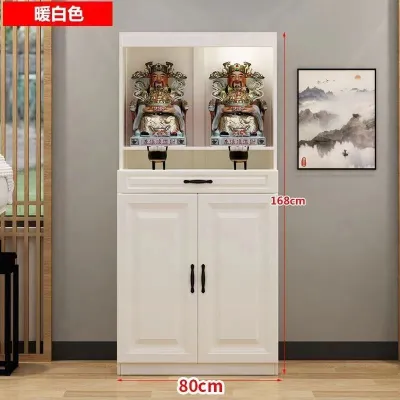
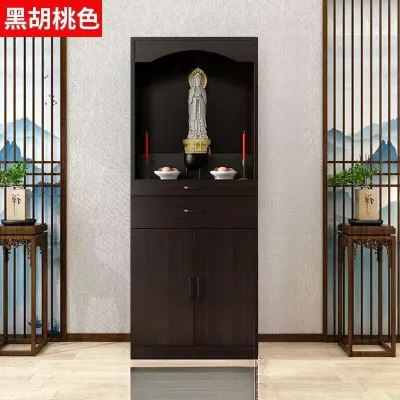
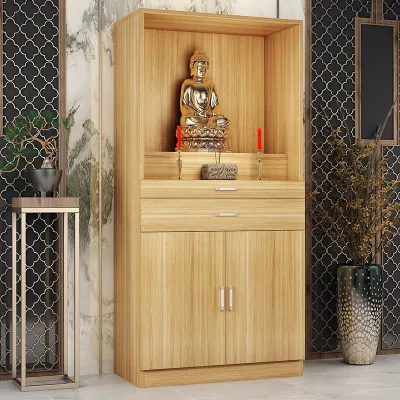
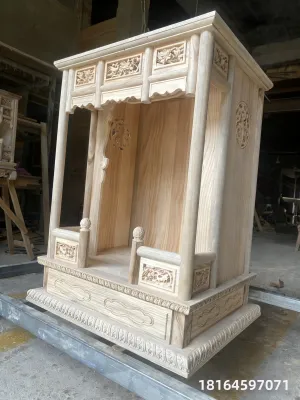
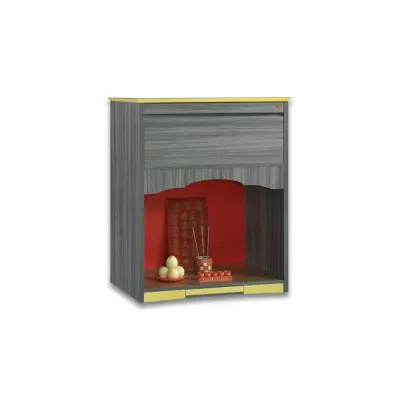
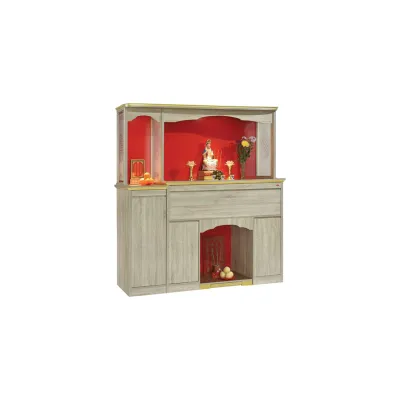
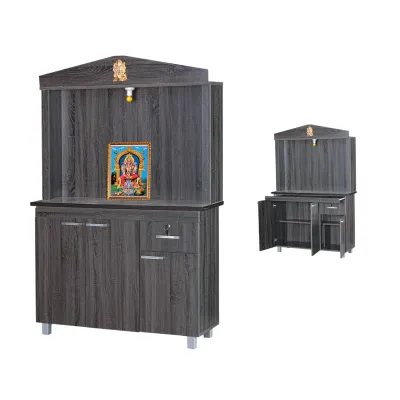
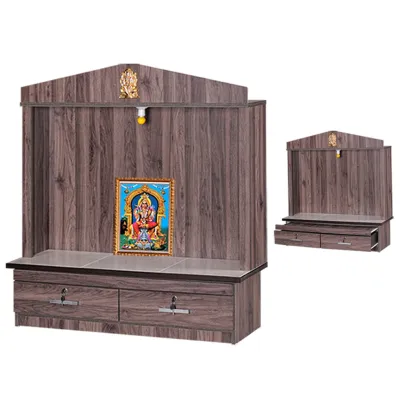
Prices are valid at publication and may change. Please refer to the product page for the latest price.
Conversely, certain areas are traditionally considered unsuitable due to their daily functions. Bedrooms are generally avoided because they are private spaces associated with sleep and changing, which can conflict with the respect shown to the Buddha. Kitchens present challenges with grease and cooking smoke, while bathrooms are associated with waste, making them highly inappropriate neighbors for a sacred setup.
Beyond room selection, evaluate the structural stability of the chosen spot. A prayer cabinet, especially a wall-mounted unit or a solid wood altar table, can be heavy once loaded with statues and offerings. In Singapore apartments, structural walls are typically reinforced concrete, which provides excellent support but requires appropriate masonry drill bits and heavy-duty wall plugs for secure mounting.
Avoid mounting a heavy cabinet against thin gypsum board partitions, hollow drywall, or glass panels, as these lack the structural integrity to support the weight. If you must use a partition wall, ensure it is reinforced with internal studs and consult a qualified professional to verify the load-bearing capacity. Placing the cabinet against a solid, windowless wall also provides stability and focus, preventing distracting backlighting or drafts.
Determining the Correct Height and Orientation
In Buddhist tradition, physical elevation is a direct expression of respect and devotion. The sacred images or statues inside the prayer cabinet should ideally reside above the eye level of an average standing adult, ensuring that you look upward when standing before the altar. Under no circumstances should a Buddhist altar or prayer cabinet be placed directly on the floor or on a low coffee table where feet might point toward it, as the feet are considered the lowest and least clean part of the body.

When determining the facing direction, natural light and room layout play significant roles. While some traditions favor facing East—associated with the historical Buddha’s enlightenment—the physical layout of modern apartments often dictates the most practical arrangement. A peaceful, unobstructed view is often more important than strictly aligning with a specific compass point. For precise compass alignments, consulting a lineage teacher or a professional practitioner is recommended.
Regardless of the compass direction, the cabinet must not face directly into a bathroom door, a kitchen stove, or the foot of a bed. These alignments are considered highly disruptive to the peaceful energy of the altar. If space constraints make it difficult to avoid these views, using a decorative screen or choosing a prayer cabinet with closable doors can help maintain a respectful boundary when the altar is not actively in use.
Arranging the Interior and Surrounding Space
Inside the prayer cabinet, a clear hierarchy governs the placement of sacred items. The central and highest position is reserved for the historical Buddha (Shakyamuni) or the primary figure of your specific tradition. Bodhisattvas, such as Guan Yin Bodhisattva, are placed alongside or slightly lower. If ancestral tablets are kept in the same area, they must be positioned on a separate, lower shelf or to the side, ensuring they do not sit on the same level as the enlightened beings.
Offerings are arranged neatly in front of the images on the lowest tier of the cabinet. These typically include clean water cups, fresh flowers, fruit, and light. Keep the surrounding area completely free of everyday clutter; unrelated electronics, remote controls, keys, and general household storage should never encroach on this dedicated space. Maintaining a minimalist and clean perimeter helps keep your focus entirely on your practice.
Lighting and ventilation require careful planning. Many contemporary households opt for LED candles or electric incense burners to avoid soot and maintain indoor air quality. When selecting these, verify the electrical specifications: check the voltage compatibility, ensure the power adapter carries recognized safety certifications (such as the local SAFETY Mark), and confirm the wattage limits. For traditional incense, ensure the cabinet material can withstand heat, use a stable, fireproof burner, and maintain adequate ventilation.
For cabinets with integrated, fixed wiring for built-in LED lights, safety is paramount. Always isolate the power supply before performing any maintenance or cleaning inside the cabinet. If the installation requires hardwiring rather than a simple plug-in adapter, hire a licensed electrician to ensure compliance with local electrical safety standards. The choice of light temperature is a matter of personal preference to create a serene atmosphere, rather than a strict spiritual rule.
Common Placement Mistakes to Avoid
Avoid placing the prayer cabinet directly under a staircase, as walking over the sacred space is considered highly disrespectful. In multi-story homes, also be mindful of what lies directly on the floor above, avoiding spots directly beneath a bathroom or toilet. In high-rise apartments, do not place the cabinet directly under an air conditioning unit where condensation leaks or cold drafts can damage the wood and sacred items.
Pay close attention to shared walls. Do not position the cabinet against a wall that backs onto a toilet, shower, or kitchen sink. The constant sound of running water and the association with waste disposal can disrupt the quiet atmosphere. If you must use a shared wall, ensure the cabinet is freestanding and slightly offset from the wall to create a physical buffer.
Another common mistake is treating the top of a freestanding prayer cabinet as an extra storage shelf. Storing books, keys, decorative knick-knacks, or household utility items on top of the cabinet compromises the sanctity of the altar. The space above the cabinet should remain completely clear and open, allowing the energy of the space to flow freely without physical obstruction.
Maintaining a Respectful Environment
A prayer cabinet is not just a decorative piece; it is an active space of practice that requires regular upkeep. Establish a consistent cleaning routine. Use dedicated, clean microfiber cloths and brushes that are reserved exclusively for the altar and sacred statues. Avoid using harsh chemical cleaners on wooden cabinets or delicate statues; instead, use a slightly damp cloth or specialized wood polish if recommended by the manufacturer.
Manage offerings mindfully by changing the water daily and removing wilted flowers or overripe fruit promptly. When disposing of old offerings, do so respectfully. Incense ash should be allowed to cool completely before being cleared. If you need to dispose of old prayer materials or damaged sacred images, consult your local temple or follow traditional guidelines for respectful decommissioning rather than throwing them into common household waste.
During home renovations or when moving to a new house, plan the transition carefully. Wrap statues and sacred items securely in clean yellow or red cloth, and store them in a clean, elevated box. Avoid leaving them in dusty construction zones. When setting up the new space, prioritize the reinstallation of the prayer cabinet to re-establish a peaceful anchor in your new home.
Frequently Asked Questions (FAQ)
Can I place a prayer cabinet in a bedroom or studio apartment?
While traditional guidelines advise against placing a prayer cabinet in a bedroom due to the private nature of the space, studio apartments and small living arrangements often leave no other choice. In these situations, practical compromises can maintain respect. You can use a prayer cabinet with doors that can be closed when the altar is not in use, or set up a clean, lightweight room divider or curtain to visually separate the sleeping area from the altar. Position the cabinet in a quiet, elevated corner where the foot of the bed does not point directly toward the sacred images.
Does the prayer cabinet need to face the main door?
There is a common belief that a prayer cabinet must face the main entrance to welcome positive energy and protect the household. While this layout can be highly auspicious and welcoming, it is not a strict requirement in all Buddhist traditions. A peaceful, stable, and unobstructed location against a solid wall is often far more important than forcing an awkward alignment with the front door. Prioritize a spot that allows you to practice, meditate, or pay respects quietly without blocking household pathways or exposing the altar to sudden drafts.

Community discussion
Share your experience or ask a question. Comments are reviewed before publication.