
Positioning a prayer cabinet in your home requires a thoughtful balance of spiritual respect, spatial harmony, and physical safety. In traditional Feng Shui, the altar serves as a sacred focal point that anchors the energy of the household, making its placement a critical decision during any home renovation or layout planning. By understanding how to align this sacred space with the natural flow of your home, you can create a serene environment that honors your traditions while maintaining a functional, safe, and comfortable living area.
To achieve this balance, you must evaluate several factors, including the structural layout of your rooms, the height of the cabinet, and the surrounding household activities. Rather than relying on rigid, universal formulas, successful placement involves assessing your specific living conditions and verifying that your setup complies with both cultural guidelines and modern home safety standards.
Defining the Spiritual and Practical Goals of Placement
Before making any physical changes to your living space, it is essential to establish the foundational intent behind your prayer cabinet’s placement. In Feng Shui, the primary goal is to cultivate a harmonious relationship between the spiritual elements of your home and the practical realities of daily life. A well-positioned altar should feel integrated into the household without being subjected to the chaotic energy of high-traffic areas or the mundane disruptions of domestic chores.
Products mentioned in this guide
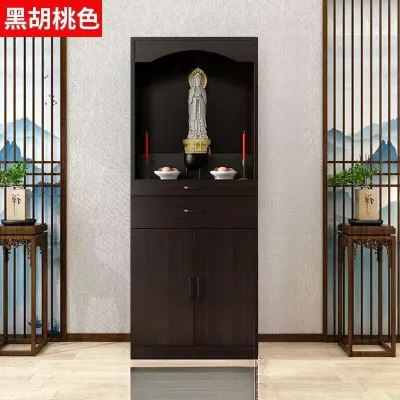
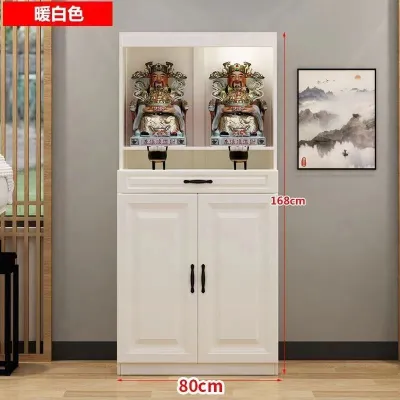
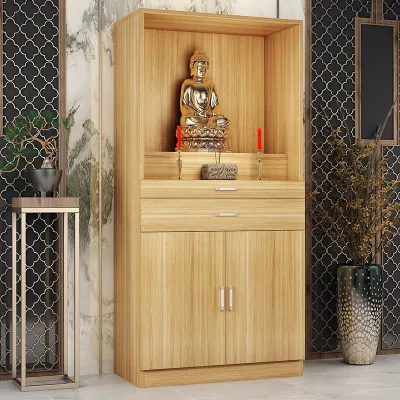
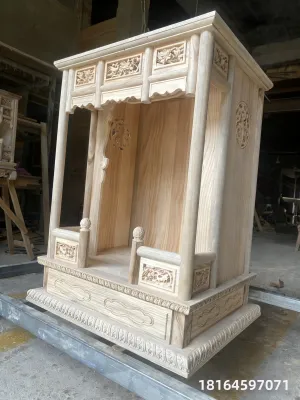
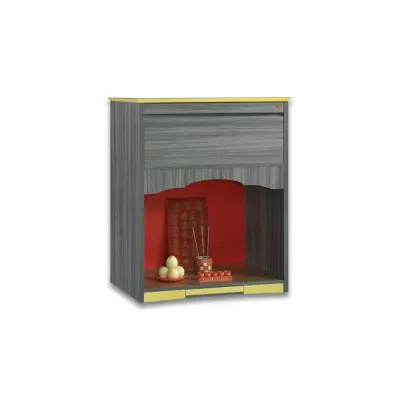
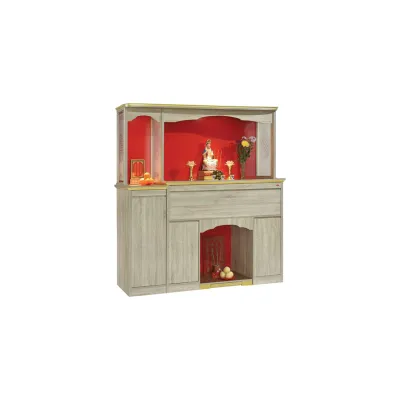
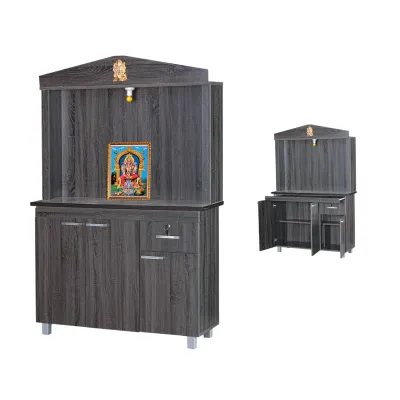
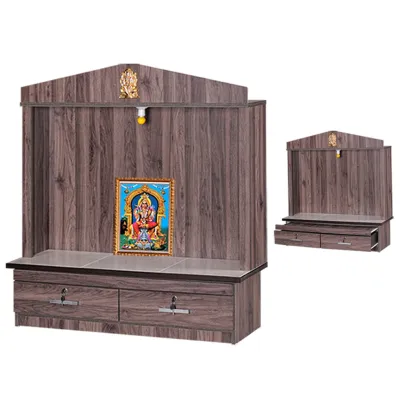
Prices are valid at publication and may change. Please refer to the product page for the latest price.
The specific focus of your altar—whether it is dedicated to ancestral worship, specific deities, or general spiritual practice—plays a significant role in determining its ideal location. Different traditions and lineages may dictate distinct requirements for how these figures are arranged and oriented. For instance, ancestral tablets are often placed with different considerations than active deities, making it important to clarify your family’s specific practices before finalizing the cabinet’s position.
It is also helpful to recognize that Feng Shui principles are designed to create a respectful, undisturbed environment rather than to guarantee specific material outcomes or financial success. The practice focuses on cultivating mindfulness, peace, and order within the home. By approaching the placement process with a focus on reverence and spatial harmony, you establish a dedicated space that supports your spiritual well-being and brings a sense of calm to your entire household.
Selecting the Ideal Room and Spatial Location
Choosing the right room for your prayer cabinet is the first major step in creating a peaceful and respectful altar space. Traditional practices prioritize quiet, clean, and well-ventilated areas that naturally command respect. A dedicated study, a quiet corner of the living room, or a formal dining area are often the most suitable choices, as these spaces tend to maintain a more stable and dignified atmosphere compared to busy utility areas.

When evaluating your home’s layout, pay close attention to the spatial flow and daily movement of household members. Avoid placing the prayer cabinet in high-traffic choke points, narrow corridors, or chaotic zones where family members might frequently bump into the structure or disrupt the space. A corner that sits slightly away from the main pathways of the room allows for quiet contemplation and prevents accidental physical contact with the altar.
Adequate lighting is another crucial factor in maintaining a bright and positive atmosphere around the altar. While natural light from a nearby window is highly desirable, it should not expose the cabinet to harsh, direct sunlight that could damage wooden finishes or cause materials to fade. If natural light is limited, you can supplement the area with soft, ambient indoor lighting, ensuring the space remains warm and inviting without relying on overly harsh or clinical light sources.
Determining the Correct Height and Directional Orientation
The physical elevation of your prayer cabinet is a key aspect of showing proper respect to the deities or ancestors represented. Traditional guidelines dictate that the main deity, statue, or spiritual focal point should rest at or above eye level when you are standing. Placing an altar below waist height is widely avoided, as it is considered disrespectful to look down upon sacred symbols during daily activities or prayers.
While height is relatively straightforward to manage, determining the precise directional orientation of the cabinet often requires a more personalized approach. Optimal facing directions can vary significantly depending on your specific belief system, family lineage practices, or the school of Feng Shui you follow. Rather than relying on generic online advice, it is highly recommended to consult your family elders or a qualified Feng Shui practitioner to determine the most appropriate compass alignment for your home.
Regardless of the specific compass direction you choose, the cabinet should ideally face a calm, open space rather than a rushing hallway or the immediate threshold of the main front door. Positioning the altar so it backs against a solid, supportive wall provides a sense of stability and security. Avoid placing the cabinet in a position where it directly faces a wall of mirrors, as this can create visual confusion and disrupt the peaceful energy of the space.
Essential Placement Taboos and Areas to Avoid
To maintain the spiritual cleanliness and physical integrity of your altar, there are several traditional placement taboos and spatial conflicts you should actively avoid. One of the most critical rules is to never place a prayer cabinet on a wall that is shared with a bathroom, nor should the cabinet directly face a bathroom door. Bathrooms are associated with waste and moisture, and placing a sacred altar in close proximity to these elements is considered highly disrespectful.
Another common structural issue to watch out for is the presence of exposed overhead structural beams. In traditional Feng Shui, placing an altar directly under a heavy beam is associated with suppressed or heavy energy, which can create a feeling of pressure in the space. If your home has prominent ceiling beams, position the cabinet entirely clear of these structures, or consider installing a flat false ceiling to conceal the beam and create a smooth, uniform surface overhead.
Additionally, keep the prayer cabinet well away from the kitchen stove, as the intense heat and grease from cooking can quickly degrade the altar and disrupt the peaceful atmosphere. The altar should also be kept out of private bedrooms to prevent the mixing of resting energy with spiritual practice. Ensuring the cabinet does not face a bedroom door or a bed helps maintain clear boundaries between your private, personal life and your public, spiritual devotion.
Safe Installation and Structural Considerations
Beyond spiritual alignment, the physical safety and structural integrity of your prayer cabinet installation must be a primary concern. Many traditional prayer cabinets are crafted from heavy solid wood or stone, requiring robust support to prevent structural failure. Before mounting a wall-hung cabinet, you must verify the wall material—such as solid concrete versus hollow drywall—and ensure the mounting hardware is rated for the total weight of the cabinet, statues, and offerings.
Electrical safety is equally important, especially when integrating modern conveniences like LED altar lights, electric oil lamps, or electronic incense burners. Ensure that all electrical cords are routed safely along walls or within protective conduits to prevent tripping hazards and physical damage to the wires. Avoid overloading power strips, and verify that all lighting fixtures carry recognized electrical safety certifications suitable for continuous use.
For any complex installation tasks—such as drilling into high concrete walls, running fixed electrical wiring, or modifying structural elements—always stop and consult a qualified contractor or licensed electrician. This is particularly critical in older homes or near areas where moisture might be present. Prioritizing professional installation ensures that your sacred space remains safe, secure, and compliant with local building and electrical standards for years to come.
Frequently Asked Questions (FAQ)
Can I place a prayer cabinet in a bedroom or studio apartment?
Placing a prayer cabinet in a standard bedroom is traditionally avoided because the energy of rest and intimacy conflicts with the reverent energy of a spiritual altar. However, in space-constrained living situations like studio apartments, you can implement practical compromises to maintain respect. Consider using a stylish room divider, a sliding curtain, or choosing a prayer cabinet designed with closing doors. This allows you to keep the altar private and concealed when it is not in active use, preserving the boundaries of your sleeping space.
What is the most auspicious direction for the cabinet to face?
There is no single, universal direction that is considered auspicious for every household. The ideal direction depends on several dynamic factors, including the specific deities you worship, your family’s traditional lineage, and the birth elements of the home’s primary residents. To find the correct alignment for your unique space, check the manufacturer’s guidelines for your specific altar style or consult a recognized cultural expert or Feng Shui practitioner who can analyze your home’s layout.
How should I manage electrical wiring for altar lamps?
To ensure safety, always use certified, low-heat LED lamps instead of high-wattage incandescent bulbs or open flames near wooden cabinet structures. Route all wiring neatly using cable management clips or conduits to keep cords hidden and protected from heat, moisture, or falling incense ash. Never overload your power outlets, and consider using a surge protector to safeguard your electronic altar accessories from electrical fluctuations.
Community discussion
Share your experience or ask a question. Comments are reviewed before publication.