
Setting up a sacred space within a modern household is a deeply personal and spiritually significant endeavor. A temple cabinet for home serves as the physical anchor for this space, acting as a dedicated sanctuary for ancestral tablets, deities, or spiritual symbols. In classical feng shui, the primary objective of a home altar is to cultivate a steady, harmonious flow of positive Qi (energy) while demonstrating profound respect for the spiritual realm. When energy is allowed to gather and circulate freely around this focal point, it is believed to foster peace, health, and prosperity for the entire household.
To achieve this, the surrounding environment must possess specific physical and energetic qualities. An auspicious sacred space is characterized by quietness, cleanliness, bright illumination, and elevation. Noise, clutter, and darkness disrupt the flow of Qi, turning what should be a peaceful sanctuary into a stagnant area. While general feng shui principles offer a robust foundation for most households, highly personalized alignments—such as those based on a homeowner’s specific Bazi (astrological chart) or the property’s unique flying star map—require a professional assessment by an experienced consultant. Adhering to fundamental placement rules, however, provides a reliable starting point for establishing a respectful and balanced home altar.
Step-by-Step Guide to Positioning Your Temple Cabinet
Selecting the Ideal Room and Backing Wall
The first step in integrating a temple cabinet for home is identifying the most suitable room and structural placement. In contemporary Singapore apartments, such as HDB flats or condominiums, space can be limited, making room selection a critical decision. The living room is often the most practical and auspicious location. As the central gathering space of the home, the living room naturally accommodates the communal and open energy required for an altar. Alternatively, a formal dining area is highly suitable, as it represents sustenance and family abundance. If space permits, a dedicated prayer or meditation room is the absolute ideal, offering a serene environment entirely insulated from the distractions of daily household activities.
Products mentioned in this guide
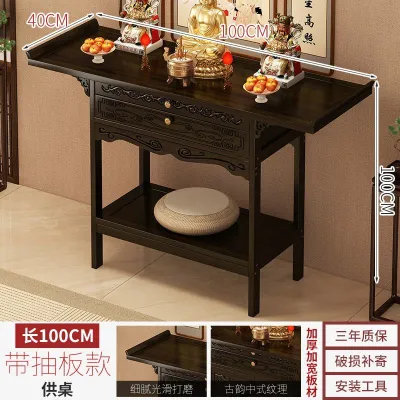
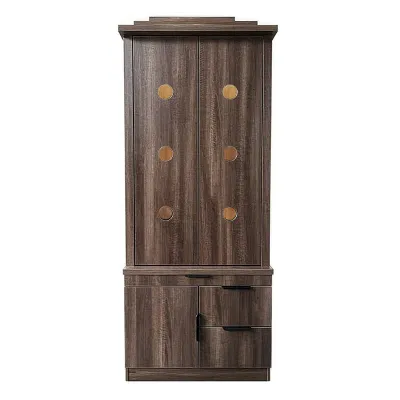
![[HOMIEST] ORATE 2FT Altar Cabinet Prayer Cabinet Religious Worship Natural/Walnut](https://img.lazcdn.com/g/p/cfaa0a6f73682165358fbd07edf06f9b.jpg_400x400q80.jpg_.webp)
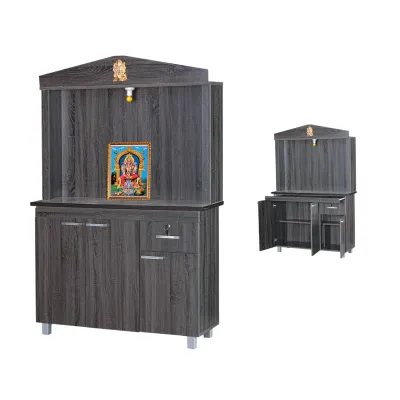
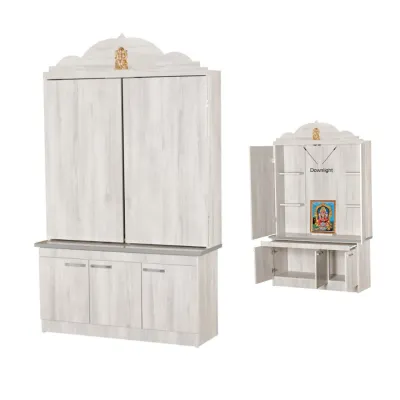
Prices are valid at publication and may change. Please refer to the product page for the latest price.
Once the room is chosen, you must identify a “solid backing” wall for the cabinet. In feng shui, placing a temple cabinet against a solid, load-bearing concrete wall symbolises strong support, stability, and backing for the family’s endeavors. This structural support prevents the energy of the altar from wavering. Avoid placing the cabinet against temporary drywall partitions, hollow walls, or glass panels, as these materials lack the energetic density required to anchor spiritual energy.
Furthermore, the backing wall must not be shared with spaces that harbor negative or chaotic energy. Specifically, avoid walls that back onto a toilet, kitchen, or bedroom. A shared wall with a bathroom exposes the sacred space to waste energy, while a kitchen wall introduces excessive heat and fire energy. If the cabinet is placed against a bedroom wall, the spiritual energy of the altar can disrupt the restful, yin energy required for sleep, potentially causing restlessness for the room’s occupant. Additionally, never place the cabinet directly in front of a window or a glass partition, as the lack of a solid backing allows positive Qi to disperse immediately out of the home.
Determining the Correct Height and Orientation
The physical elevation and compass orientation of your temple cabinet for home are fundamental to showing proper reverence and aligning with natural energy flows. Height is a primary indicator of respect in feng shui practice. The main deity, ancestral tablet, or spiritual focal point must be positioned at or slightly above eye level when you are standing. At a minimum, the entire altar setup must be strictly above waist level. Placing an altar too low forces individuals to look down upon the sacred symbols, which is considered highly disrespectful and invites downward-pressing, heavy energy into the living space.
When determining the orientation, the cabinet should ideally face the main entrance door of the home. This positioning allows the deities or ancestral spirits to directly welcome incoming positive energy (Qi) as it enters the household, while simultaneously filtering out negative external influences. If layout constraints make facing the main door impossible, the next best option is to have the cabinet face a bright, open, and completely unobstructed space within the room, such as a spacious living area or a window with a pleasant, clean view.
It is important to clarify that determining a precise compass degree or a highly specific auspicious angle is a complex, dynamic calculation. These advanced alignments depend heavily on the specific construction year of the property, the facing direction of the building, and the birth charts of the occupants. For everyday household setups, focusing on general favorable directions and avoiding major structural taboos is highly effective. If you require precise degree alignments to tap into specific wealth or health sectors, it is best to seek the guidance of a professional feng shui master.
Critical Placement Taboos You Must Avoid
To protect the sanctity of your home altar, you must avoid several critical placement taboos that can disrupt the flow of positive energy. The most vital guideline is the “Toilet and Kitchen Rule.” You must never place the temple cabinet directly facing a toilet door or a kitchen stove. Toilets are areas of elimination and water waste, which clash directly with the pure, elevated energy of an altar. Similarly, the kitchen represents intense heat and fire Qi, which can create an overly volatile environment for spiritual practices. In multi-story homes, such as landed properties or executive maisonettes, ensure the cabinet is not situated directly below a toilet or a kitchen on the upper floor, and not directly above them on a lower floor.

The “Bedroom Restriction” is another crucial boundary. Avoid placing the altar inside any bedroom, particularly facing the bed. Bedrooms are highly private spaces dedicated to rest, intimacy, and yin energy. Introducing a sacred altar—which carries powerful, active, and spiritual energy—into a sleeping area can lead to sleep disturbances, vivid dreams, and a general lack of peace. If space constraints in a studio apartment make this unavoidable, physical barriers must be used to separate the spaces.
Structural elements within the home can also exert negative pressure on the altar. Never place a temple cabinet directly under a staircase, as the constant foot traffic overhead creates downward, chaotic energy that oppresses the sacred space. Similarly, avoid placing the cabinet directly beneath a heavy overhead concrete beam. In structural design, beams carry immense physical weight, which translates in feng shui to “oppressive energy” that can suppress the household’s luck and well-being. High-traffic, noisy corridors should also be avoided, as the constant movement prevents energy from settling peacefully.
Finally, never place the temple cabinet directly on the floor. An altar must always be elevated on a dedicated, sturdy stand, a custom-built platform, or integrated into a respectful cabinet structure. Placing sacred items directly on the ground is a severe sign of disrespect and exposes the altar to dust, dirt, and low-lying, stagnant energy.
Optimizing the Lighting and Surrounding Environment
The physical atmosphere surrounding your temple cabinet for home plays a significant role in maintaining its spiritual and aesthetic function. Lighting is of paramount importance; a dark or dimly lit altar accumulates stagnant yin energy, whereas a brightly and evenly illuminated space attracts active, positive yang energy. It is highly recommended to use warm white or neutral white lighting to create a serene, respectful, and inviting atmosphere. Avoid harsh, cold fluorescent lights, flickering bulbs, or excessively dim lighting that makes the space feel neglected.
When selecting light fixtures, safety and material preservation must be prioritized. If you are installing dedicated LED altar lights, subtle accent lighting, or integrated LED strips within the cabinet, verify that all electrical components are compatible with Singapore’s standard 230V, 50Hz voltage system. Always check for valid electrical safety certifications, such as the Safety Mark, on plugs, adapters, and LED drivers to mitigate fire risks. Using low-heat LED fixtures is highly beneficial, as they prevent excessive heat buildup that could dry out, warp, or crack the solid wood (such as teak or rosewood) and delicate lacquer finishes of the cabinet.
The spatial arrangement around the cabinet must be kept meticulously clean. Keep the immediate area free of household clutter, shoes, dirty laundry, or unrelated decorative items. Clutter acts as a physical barrier to Qi, causing energy to stagnate.
Inside the cabinet, arrange all statues, ancestral tablets, and offerings symmetrically to promote balance and harmony. If you burn incense or candles, ensure the room has adequate ventilation to prevent smoke buildup, which can damage indoor air quality and leave soot deposits on the cabinet’s surface. Always check the manufacturer’s care instructions for your specific temple cabinet material before using any liquid cleaners, and perform a gentle wipe-down with a dry, soft microfiber cloth to maintain its pristine condition.
Verifying Your Setup and Knowing When to Consult a Professional
Once you have positioned your temple cabinet for home, perform a quick visual and practical verification check to ensure the setup is optimal. First, confirm the physical stability of the cabinet; it must stand firmly on flat ground without any wobbling. Next, assess the illumination: is the lighting bright, warm, and free from flicker? Observe the pathway in front of the altar—is it completely clear of obstructions, allowing you to stand or kneel comfortably? Finally, verify that the area is free from any unpleasant odors, drafts, or noise coming from nearby bathrooms or kitchens.
For the vast majority of households, following these general, respectful placement rules is entirely sufficient to establish a harmonious and peaceful sanctuary. DIY placement focused on cleanliness, elevation, solid backing, and basic taboos creates a highly positive environment.
However, there are specific scenarios where you should stop and consult a qualified feng shui master in Singapore. If your home’s architectural layout forces you to compromise on basic taboos (such as being unable to avoid an overhead beam or a shared bathroom wall), a professional can suggest customized remedies. Furthermore, if you wish to calculate precise compass degrees to align with annual flying star transitions, tap into specific wealth sectors, or synchronize the altar with your family’s Bazi charts, an expert assessment is highly recommended to navigate these complex, dynamic calculations safely.
Frequently Asked Questions (FAQ)
Can I place my temple cabinet in a bedroom or studio apartment?
Placing a temple cabinet in a standard bedroom is generally discouraged because the sacred, active energy of the altar conflicts with the quiet, restful yin energy required for sleep. However, if you live in a studio apartment where space is limited, you can create a respectful separation. Use a solid physical room divider, a heavy curtain, or select a temple cabinet designed with closable wooden doors. Closing the cabinet doors or drawing the curtain when you sleep effectively separates the sacred space from your resting area.
Must the temple cabinet face the main entrance door?
While having the temple cabinet face the main entrance door is a highly favorable feng shui practice that welcomes incoming Qi directly, it is not an absolute, mandatory rule. If your home layout does not support this orientation, it is entirely acceptable to have the cabinet face a bright, open, and clean interior space or a clear window. The key requirement is that the facing direction must be unobstructed and free from views of toilets, kitchens, or private bedroom interiors.
Community discussion
Share your experience or ask a question. Comments are reviewed before publication.