
Positioning an altar stand at home requires balancing spiritual respect, physical safety, and the natural flow of energy within your living space. To achieve proper Feng Shui alignment, you should place the altar stand in a quiet, elevated, and well-supported area where it faces an open space rather than a direct obstacle. By anchoring the stand against a solid wall and keeping it away from high-traffic zones, you establish a peaceful sanctuary that honors your traditions while maintaining a harmonious household environment.
Selecting the right location involves evaluating your home’s layout, understanding the structural requirements of your furniture, and respecting the symbolic boundaries of sacred objects. Whether you are setting up a dedicated space for deities or honoring ancestors, the placement of your altar stand serves as an energetic anchor for the entire household. Taking the time to plan this setup helps ensure that your daily practices remain safe, respectful, and fully integrated into your modern living environment.
Core Feng Shui Principles for Altar Stand Placement
The foundational rules of Feng Shui emphasize stability, elevation, and tranquility when positioning an altar stand. A primary requirement is placing the stand against a solid, load-bearing wall. In Feng Shui, a solid backing represents strong support, backing, and protection for the household, preventing beneficial energy from dispersing. Avoid placing the stand in front of glass windows, temporary partitions, or hollow drywall structures that lack physical and symbolic strength.
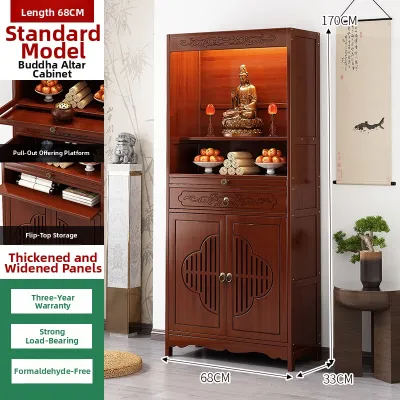
Products mentioned in this guide
![[Thai Amulet Mini Altar Acrylic Display Stand] *MANY DESIGNS* 泰国佛牌展示底座 Mini Altar Home / Office / Car Display Set](https://img.lazcdn.com/g/ff/kf/S55eb54a0c0134803887308e0b26e3702H.jpg_400x400q80.jpg_.webp)

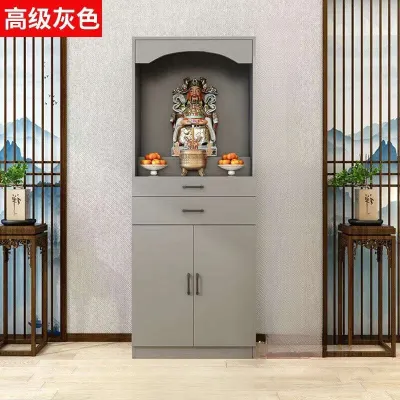
![[Cozy ]Modern Altar Table Simple Light Luxury Shrine Cabinet Home Living Room God Of Wealth Buddha Table Buddha Stand](https://img.lazcdn.com/g/p/62734c14deb41e1e360043e83914d783.jpg_webp_400x400q80.jpg_.webp)
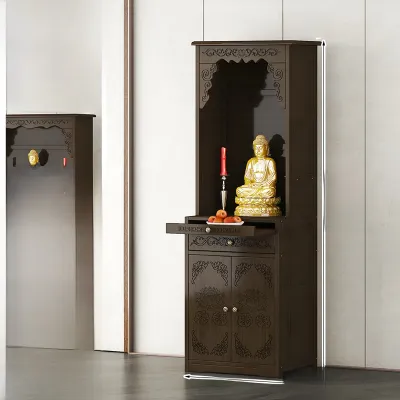
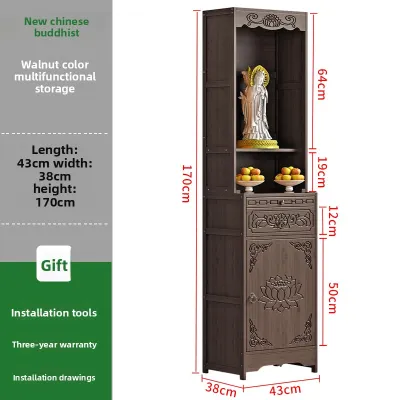
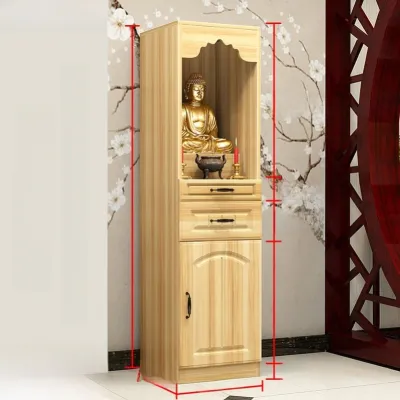
Prices are valid at publication and may change. Please refer to the product page for the latest price.
Elevation is another critical factor that reflects respect and reverence. Your altar stand should be positioned at a height where the main deities or ancestral tablets reside above waist level, ideally at eye level or higher when you are standing. This height prevents anyone from looking down on the sacred items or accidentally stepping over them, which is considered highly disrespectful. If you are using a low cabinet, consider adding a sturdy riser or choosing a taller stand design to achieve the necessary elevation.
Tranquility is essential for maintaining a peaceful spiritual connection. The altar stand belongs in a quiet, low-traffic zone of the home rather than active entertainment areas or directly beside the main entrance. While the altar should face an open area to allow energy to gather, placing it directly in the path of rushing air or heavy foot traffic can disrupt the serene atmosphere. A dedicated corner of the living room or a quiet study often serves as an ideal location.
Because different deities, ancestral traditions, and cultural practices have specific directional requirements, consulting a qualified Feng Shui practitioner can provide personalized guidance. A professional can calculate the most auspicious compass directions based on your home’s facing orientation and your family members’ birth details. This step is particularly helpful if you are positioning multiple altars or integrating complex spiritual practices into a single household.
Step-by-Step Guide to Positioning and Securing Your Altar Stand
Before moving your altar stand into its designated position, you must prepare the physical space thoroughly. Begin by clearing the chosen wall and floor area of all dust, debris, and unrelated household items. Cleaning the space physically is a practical necessity that also serves as a symbolic gesture of purification, preparing a pristine environment for sacred objects. Ensure the floor surface is level to prevent any wobbling or uneven weight distribution once the stand is loaded.

Next, measure the clearances around the proposed location to help prevent daily household activities from interfering with the altar. Open nearby doors fully to verify that they do not swing into the stand or obstruct the path of anyone approaching the altar. Walkways should remain wide enough for comfortable passage, ensuring that family members do not accidentally bump into the furniture during their daily routines. This step is helpful for preventing accidental damage to delicate items placed on the stand.
Physical stability is paramount, especially for heavy, tall, or wall-mounted altar stands. If you are using a tall cabinet or a wall-hung shelf, you must anchor the structure securely to wall studs or solid masonry. In homes with active pets or young children, unanchored furniture poses a serious tipping hazard. Use high-quality wall anchors, brackets, and screws that are rated for the total weight of the stand and all the items that will be placed upon it, including heavy incense burners and decorative vessels.
When assembling your altar stand, follow the manufacturer’s instructions strictly to maintain its structural integrity. Ensure that all joints, dowels, and screws are tightened securely before placing any weight on the shelves. If the stand includes drawers or pull-out trays for offerings, test their movement to ensure they slide smoothly without causing the entire structure to shake or shift.
Common Placement Mistakes and How to Avoid Them
One of the most common placement errors is aligning the altar stand directly with bathroom or kitchen doors. In Feng Shui, bathrooms are associated with waste and moisture, while kitchens generate intense heat, grease, and cooking odors. Facing an altar directly toward these areas or placing it on a shared wall with a toilet can expose the sacred space to clashing energies and physical contaminants. If layout constraints make this unavoidable, use a solid door closer or a decorative screen to block the direct line of sight.
Another critical mistake is positioning the altar stand directly beneath an overhead structural beam. In architectural Feng Shui, exposed beams create a heavy, downward pressure that is considered oppressive and disruptive to the flow of energy. Sitting, sleeping, or placing sacred objects under a beam can symbolically suppress the household’s well-being. If your room has prominent ceiling beams, position the altar stand entirely outside their footprint, or install a flat false ceiling to mask the structural projection.
Placing an altar stand in a shared bedroom or facing it directly toward a bed should also be avoided. A bedroom is a private space dedicated to rest, relaxation, and intimacy, making it inappropriate for public spiritual practices. Facing an altar toward a bed can disrupt sleep patterns and create an uncomfortable sense of being watched. If you live in a studio apartment where the bedroom and living areas are combined, you must implement proper partitioning strategies to separate the sacred space from your sleeping quarters.
Finally, keep the area beneath and around the altar stand clear of storage, shoes, and general household clutter. The space under a raised stand should not be treated as an extra closet for plastic bins, vacuum cleaners, or discarded footwear. Clutter accumulates stagnant energy, which directly conflicts with the clean, vibrant atmosphere required for an altar. Maintain a minimalist approach by keeping only essential ritual items, such as spare incense or clean cloths, neatly stored in the stand’s designated drawers.
Adapting Altar Placement for Compact Homes in Singapore
Modern apartments and condominiums often present spatial challenges that require creative adjustments to traditional placement rules. In open-plan layouts where the living room, dining area, and kitchen merge, defining a dedicated sacred space can be difficult. You can use folding screens, lightweight room dividers, or tall indoor plants to establish a clear visual and energetic boundary around your altar stand. This physical separation helps maintain the sanctity of the altar without making the living space feel cramped.
Ventilation is another crucial consideration in compact, air-conditioned homes. Burning traditional incense in an enclosed space can quickly lead to poor indoor air quality and leave soot deposits on walls and ceilings. To mitigate this, ensure adequate cross-ventilation by opening windows during rituals, or consider using smokeless incense alternatives. Some households opt for electronic incense burners or low-emission options that preserve the symbolic gesture of offering without compromising the health and comfort of the occupants.
When floor space is extremely limited, utilizing vertical wall space with floating shelves is a practical alternative to a freestanding altar stand. However, you must ensure these shelves are specifically designed to support heavy loads and are mounted using heavy-duty wall anchors. Avoid using multi-purpose furniture, such as TV consoles or bookshelves, to host your altar. Mixing sacred items with daily clutter, remote controls, or entertainment devices dilutes the respectful focus of the altar and disrupts the clean energy flow.
Lighting and Electrical Setup for the Altar Space
Proper lighting plays a significant role in enhancing the spiritual ambiance of your altar while ensuring safety. Selecting a warm color temperature (such as 2700K to 3000K) is a popular preference for creating a calm, respectful, and inviting atmosphere, though the ideal spatial effect depends on your personal decorative style and room layout. Soft, diffused illumination helps focus attention on the altar items without overwhelming the surrounding room decor.
Before installing any lighting fixtures, verify the voltage compatibility, wattage limits, and heat output of the bulbs. Traditional incandescent bulbs can generate significant heat, which may warp wooden altar stands, dry out lacquer finishes, or pose a fire hazard if placed near fabric backdrops or paper offerings. Modern LED fixtures are highly recommended because they remain cool to the touch, consume minimal electricity, and have a long operational lifespan, making them both safe and cost-effective for continuous use.
If your setup requires installing new hardwired sconces, track lighting, or ceiling-mounted fixtures, safety must be your top priority. Always isolate the power at the main distribution board before attempting any wiring work. For complex installations, work at height, or when adding new electrical outlets near the altar stand, consult a qualified, licensed electrician. Professional installation ensures compliance with local electrical safety standards and prevents overloaded circuits or faulty wiring that could lead to electrical fires.
For a safer setup that minimizes fire risks, consider using battery-operated or low-voltage LED candles and incense sticks. These modern alternatives mimic the warm flicker of real flames without the associated risks of open fire, hot wax spills, or smoke inhalation. This is particularly beneficial in households with curious pets, young children, or elderly family members, allowing you to maintain a beautifully lit altar around the clock with complete peace of mind.
Frequently Asked Questions (FAQ)
Can an altar stand be placed in a bedroom or studio apartment?
While traditional guidelines advise against placing an altar stand in a bedroom, it is often unavoidable in studio apartments or shared living arrangements. To maintain respect and proper energy alignment, use a solid physical divider, such as a folding screen or a tall bookcase, to shield the altar from the sleeping area. Alternatively, choose an altar cabinet with doors that can be closed when the altar is not in use, or drape a clean, dedicated cloth over the sacred items during resting hours. Ensure the stand never faces the bed directly.
How should I clean and maintain a wooden altar stand?
To preserve the finish and structural integrity of a wooden altar stand, perform regular dusting with a soft, dry microfiber cloth. Avoid using wet cloths or harsh chemical cleaners, as moisture and strong solvents can strip the protective lacquer, warp the wood, or leave behind strong chemical odors that disrupt the sacred atmosphere. For stubborn incense ash or oil residue, check the manufacturer’s care label for approved wood-safe cleaners, and always apply a minimal amount of product to a hidden area first to test for compatibility.

Community discussion
Share your experience or ask a question. Comments are reviewed before publication.