
Positioning worship flags on a Buddhist altar requires a thoughtful balance of sacred hierarchy, spatial harmony, and practical safety. The fundamental rule of Buddhist altar arrangement is that the Buddha statue must always remain the central, highest, and most prominent focal point. Worship flags, whether they are vertical hanging banners, horizontal prayer flags, or standing miniature flags, serve as supportive, decorative, and symbolic elements that frame and honor the central figure. To display them correctly, you must position them in a way that never obstructs the view of the Buddha, keeps them elevated off the ground, and integrates them safely with other traditional offerings like incense, candles, and water bowls.
By understanding the specific traditions associated with your flags and following a structured placement process, you can create a serene, respectful, and visually balanced sacred space in your home. This guide walks you through the essential steps to prepare your altar, arrange different types of worship flags, and maintain them in accordance with traditional Buddhist etiquette.
Understanding Worship Flag Types and Traditions
Worship flags in Buddhist practices come in several distinct forms, each carrying unique symbolic meanings and requiring specific display methods. Vertical hanging banners, often featuring sacred mantras or auspicious symbols, are designed to hang straight down and are typically placed on either side of an altar. Horizontal prayer flags, most commonly associated with Tibetan Vajrayana Buddhism, consist of rectangular colored cloths strung along a cord, designed to hang gracefully across a high wall behind the altar. Standing temple flags are smaller, rigid flags mounted on miniature bases, often placed directly on the altar surface to flank the central statues.
Products mentioned in this guide
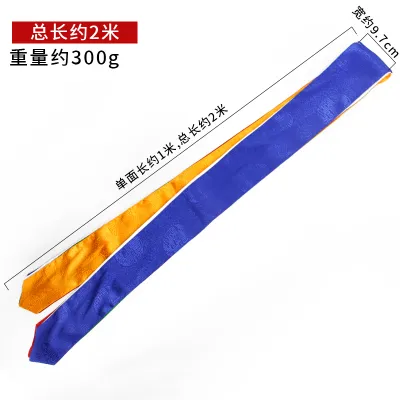


Prices are valid at publication and may change. Please refer to the product page for the latest price.
Because customs vary significantly between different Buddhist traditions—such as Theravada, Mahayana, and Vajrayana—the correct way to display these items is deeply tied to your specific lineage. For instance, Tibetan traditions place immense emphasis on the specific color sequence of prayer flags (blue, white, red, green, and yellow), representing the five elements, which must always be hung in that exact order from left to right. Before setting up your display, check for specific instructions or guidelines provided by your local temple, monastery, or spiritual teacher to ensure your arrangement aligns with your practice.
Preparing the Altar and Materials
Before introducing any new elements to your sacred space, you must thoroughly clean and prepare the altar environment. Begin by gently wiping down the altar surface, removing any accumulated dust, ash, or dried offerings. Ensure that the main Buddha statue is clean and positioned respectfully at the highest central point of the altar, as this establishes the spiritual anchor for the entire room. If your altar has multiple tiers, the primary statue must occupy the top tier, with secondary figures or scriptures placed slightly lower.

Gathering the right mounting and display materials is crucial to prevent damage to both your walls and the sacred items themselves. For hanging vertical banners, look for non-damaging adhesive hooks, small wooden dowels, or elegant fabric ties that can support the weight of the textile without slipping. If you are using standing flags, ensure their bases are heavy enough to remain stable and will not scratch the polished wood of your altar. Avoid using crude tape or pins that might tear the fabric of the flags or leave sticky residues.
As you plan the layout, verify that the chosen display method does not block the view of the Buddha statue from any angle in the room. The flags should frame the central figure rather than crowd it, allowing natural light, lamp light, and incense smoke to circulate freely. Proper spacing maintains the aesthetic beauty of the altar and ensures that the physical environment remains safe and functional during daily prayers.
Step-by-Step Placement of Worship Flags
To begin the physical arrangement, first confirm that your central Buddha statue is perfectly centered and elevated. If the statue is relatively small, you can use a dedicated wooden pedestal or a decorative stand to raise its height, ensuring it remains the undisputed focal point of the entire setup. This height hierarchy is the most critical aspect of Buddhist altar etiquette, symbolizing the supreme status of the enlightened mind over all other representations.
Next, if you are using vertical banners, position them symmetrically on the left and right sides of the main statue. To maintain the correct hierarchy, the top of these banners should hang slightly lower than the head or the halo of the Buddha statue. Symmetrical placement creates a sense of balance and directs the viewer’s eyes naturally toward the center. Ensure there is sufficient space between the statue and the banners so the central figure does not feel cramped or overshadowed by the hanging textiles.
For horizontal prayer flags, the most respectful placement is high up on the wall directly behind or above the altar. If your tradition permits indoor display, string the flags tightly across the wall, ensuring they hang in a gentle, even arc that does not touch the ceiling or drape onto the altar surface. The flags must never touch the floor, nor should they drape directly over the Buddha statue itself. If space is limited, it is better to use a shorter string of flags rather than letting them bunch up near the ground.
Once everything is positioned, secure all mounting points firmly to prevent any accidental falls. Drafts from open windows, ceiling fans, or air conditioning units can easily move lightweight fabrics, which could knock over delicate offerings or come into contact with open flames. Double-check that all hooks, ties, and stands are stable and capable of withstanding moderate air movement without shifting.
Harmonizing Flags with Other Altar Elements
Integrating worship flags into an active altar requires careful spatial planning to avoid clutter and eliminate safety hazards. One of the most critical considerations is the placement of incense burners, candles, and oil lamps. You must maintain clear, unobstructed pathways for incense smoke to rise, and flags must never be positioned directly over or near open flames. Lightweight fabrics can easily catch fire if a sudden draft blows them toward a burning candle, so keep a generous physical distance between any textile decor and your fire-based offerings.
Traditional offerings such as water bowls, fruit, flowers, and incense should always occupy the front row of the altar, closest to the practitioner. When arranging your flags, make sure their lower hems or tassels do not dip into the water bowls or touch the food offerings. This not only keeps the flags clean and dry but also respects the purity of the offerings presented to the Buddha. If the flags are too long, consider raising their mounting points or folding the bottom edges neatly if the design allows.
Finally, adjust the overall height and spread of your flags based on the physical dimensions of your specific altar. A small, compact home altar can easily look overwhelmed by large, heavy banners or long strings of prayer flags. If your space is limited, opt for smaller, delicate standing flags or a single, modest vertical banner instead of a full-scale temple setup. Maintaining a proportionate relationship between the altar furniture, the statues, and the decorative flags ensures a peaceful, uncluttered atmosphere that supports focused contemplation.
Respectful Maintenance and Handling
Worship flags are sacred objects representing the Dharma, and they must be treated with continuous care and respect even after they are set up. Inspect your flags regularly for signs of dust, fading, or physical wear. If they accumulate dust, gently clean them according to the manufacturer’s fabric care instructions, which usually involve light hand-washing in cold water or delicate dusting with a clean cloth. Never wash sacred flags with ordinary household laundry or throw them into a mechanical dryer with secular clothing.
Over time, flags may become faded, torn, or frayed due to natural aging or exposure to sunlight. When a flag reaches the end of its usable life, do not simply discard it in the household trash. Different Buddhist traditions have specific protocols for respectfully retiring sacred items. In many traditions, particularly Tibetan Buddhism, old prayer flags are traditionally burned in a clean, dedicated fire while offering prayers, allowing the sacred mantras to be released back into the elements. Alternatively, you can bury them in a clean, quiet spot where people and animals will not walk over them.
In daily practice, always handle worship flags with clean hands and a respectful state of mind. Avoid stepping over flags, placing them directly on the floor, or using them for secular decorative purposes outside of your dedicated altar space. By maintaining these mindful habits, you preserve the spiritual integrity of your home altar and cultivate a deeper sense of reverence in your daily life.
Frequently Asked Questions (FAQ)
Can I display worship flags if I do not have a dedicated altar table?
Yes, you can still display worship flags respectfully even if you do not have a traditional, dedicated altar table. In smaller living spaces or multi-purpose rooms, wall-mounted shelves or the top shelves of high cabinets make excellent alternative sacred spaces. When using these setups, the same rules of height hierarchy apply: place your Buddha statue at the highest point of the shelf, and hang or place your flags slightly lower or on the wall behind the shelf. Ensure the area remains clean, quiet, and entirely free from secular clutter like keys, books, or electronic devices to preserve the sacred character of the space.
What should I do if my worship flags accidentally touch the floor?
If your worship flags accidentally touch the floor, the general practice is to pick them up immediately with a mindful and respectful attitude. Gently brush off any dust or dirt, and offer a brief mental or verbal apology, acknowledging the lapse in mindfulness. This act helps restore your focus and respect for the sacred objects. If the flags have become heavily soiled, clean them gently using respectful methods. For those practicing within a specific lineage, it is always wise to consult your spiritual teacher or a senior practitioner for any specific purification prayers or practices recommended by your tradition.
Are there specific colors or symbols I should avoid for home altars?
For a home altar, standard auspicious symbols—such as the Eight Auspicious Symbols (Ashtamangala) or traditional color sequences representing the five elements—are generally safe and highly appropriate. However, you should generally avoid displaying flags that feature highly complex, esoteric, or wrathful deity imagery unless you have received specific instructions and transmissions from a qualified spiritual teacher. These powerful symbols require a deep understanding of their inner meanings and specific practices to be kept safely and respectfully in a domestic environment. Stick to peaceful, universally recognized symbols and mantras for a harmonious home altar.
Community discussion
Share your experience or ask a question. Comments are reviewed before publication.