
Setting up a home temple altar requires a thoughtful blend of spiritual respect, traditional Feng Shui principles, and practical spatial planning. In modern high-rise living, finding the perfect spot can be challenging due to structural layouts and limited floor areas. By understanding how to balance energetic alignment with safety and structural constraints, you can establish a peaceful sanctuary that fosters positive energy and daily harmony.
To achieve optimal energy flow, the altar should ideally be positioned in a quiet, elevated area with a solid wall behind it, facing an auspicious direction such as the main entrance or a favorable compass heading. Balancing these traditional guidelines with the structural realities of your home ensures that your sacred space remains respectful, secure, and integrated into your daily life.
Assess Your Space and Define Altar Requirements
Before purchasing or installing any altar, you must thoroughly evaluate the physical dimensions of your planned location. Use a measuring tape to check the available wall space, ceiling height, and floor clearance. Ensure that the altar’s footprint does not obstruct major walkways, door swings, or daily household traffic, as a cramped or blocked pathway disrupts both physical movement and the flow of energy.
Products mentioned in this guide



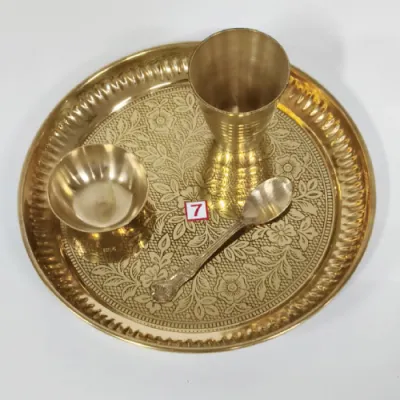
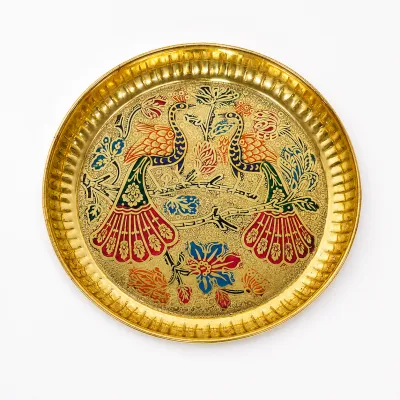
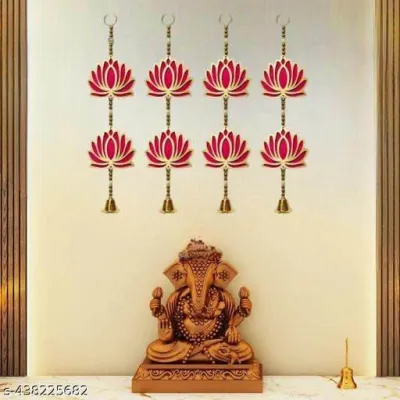

Prices are valid at publication and may change. Please refer to the product page for the latest price.
Identify the specific type of worship you intend to practice, as this dictates your spatial and hierarchical needs. Deities and ancestors require distinct treatment; traditional practices often dictate that they be placed on separate levels or even on entirely different altars, with deities always positioned higher than ancestors. Understanding these requirements early helps you choose between a single-tier shelf, a multi-tiered standing cabinet, or a custom-built unit.
If you live in a rented apartment or a condominium, review your tenancy agreement or building management guidelines before making structural changes. Some properties restrict drilling into specific load-bearing walls or mounting heavy fixtures. Knowing these limitations beforehand will guide you in deciding whether to opt for a freestanding cabinet altar or a wall-mounted shelf that requires secure anchoring.
Select the Best Room and Zone for the Altar
Selecting the right room is the foundation of a respectful altar setup. Prioritize quiet, well-lit, and clean areas of the home where family members can gather or pray in peace. The living room is often the most suitable choice because it serves as the central, vibrant hub of the household. A quiet study or a dedicated prayer room also provides an excellent, contemplative environment away from daily distractions.

Certain areas of the home must be strictly avoided to maintain the sanctity of the altar. Never place the altar inside or directly facing a bathroom, as these spaces are associated with waste and moisture. Kitchens are also unsuitable due to the heavy heat, grease, and cooking fumes that accumulate over time. Additionally, avoid positioning the altar directly underneath a staircase, which symbolizes people walking over the deities and creates oppressive energy.
Ensure the altar rests against a solid, stable wall to symbolize strong support and backing for the household. Avoid placing the altar directly in front of a window, as the lack of a solid backing allows energy to scatter. Furthermore, verify that the backing wall is not shared with a bathroom, a toilet, or a kitchen stove, as the heat and moisture from these utilities can negatively impact the sacred space.
Determine the Correct Facing Direction and Orientation
Orinetation plays a vital role in aligning your home altar with favorable environmental energies. A highly recommended traditional layout is to have the altar face directly toward the main entrance of the home. This positioning allows the deities to welcome incoming positive energy, offer protection, and bless everyone who crosses the threshold.
If facing the main door is not feasible due to your home’s layout, you can align the altar based on the homeowner’s personal Kua number or the house’s sitting orientation. Because different traditions, lineages, and deities have specific directional preferences, it is highly advisable to consult a professional Feng Shui practitioner or reference specific religious texts for precise compass degrees. General guidelines can vary significantly, and a tailored approach ensures the best alignment for your unique household.
Maintain a clear, unobstructed line of sight from the altar to the surrounding space. Avoid orienting the altar so that it directly faces sharp wall corners, structural pillars, or cluttered storage areas, which are considered sources of harsh energy. Additionally, ensure there are no large reflective mirrors directly opposite the altar, as mirrors can reflect and disrupt the peaceful energy radiating from the sacred space.
Set the Proper Height and Internal Arrangement
Height is a direct expression of respect when positioning sacred figures. The main deity’s eye level should ideally rest above the average human eye level when standing or sitting in prayer. This elevation ensures that you look upward in a posture of respect rather than looking down upon the sacred representations. Measure your family’s average height to determine the most appropriate mounting or cabinet height.
When arranging multiple figures on a single altar, establish a clear internal hierarchy. Place the primary deity in the center and slightly elevated above the other figures. Ancestral tablets or secondary deities should be positioned on lower tiers or to the sides of the main figure. Keeping the arrangement balanced and uncluttered prevents visual confusion and maintains a harmonious energetic flow.
For wall-mounted altar shelves, structural safety is paramount. Verify the wall material—such as concrete, brick, or drywall—to select the correct wall plugs, screws, and heavy-duty brackets. Always check the manufacturer’s specified weight limits for the shelf and ensure it can easily support the combined weight of statues, heavy incense burners, and offering vessels. If you are installing a heavy shelf or working at height, consider hiring a qualified professional contractor to ensure a secure, stable installation.
Identify and Correct Common Placement Mistakes
Take time to audit your planned or existing altar setup to eliminate common physical and energetic hazards. Look upward to check for structural overhead beams, ceiling fans, or heavy pendant lighting fixtures directly above the altar. Overhead beams are believed to exert downward pressure, while spinning ceiling fans can create turbulent air currents that disturb incense smoke and pose a fire hazard.
Ensure the altar is not positioned directly opposite a bedroom door, as the sacred energy of the altar can clash with the private, restful energy needed for sleep. Similarly, avoid placing the altar in a narrow hallway directly opposite the main entrance if the space is too tight, as this can cause energy to become congested and restrict comfortable movement through the home.
Electrical safety must be carefully managed around the altar. If your setup includes electric altar lamps, LED candles, or integrated cabinet lighting, verify that all electrical components carry recognized safety certifications, such as the Enterprise Singapore Safety Mark. Ensure the voltage matches your home’s standard supply (typically 230V) and that the bulbs do not exceed the recommended wattage limits. Always isolate the power supply before installing any fixed wiring, route cables neatly to prevent tripping hazards, and keep all electrical cords far away from open flames, hot incense ash, and combustible offering materials.
Adapt the Setup for Compact Apartments and Condominiums
Living in a compact apartment or condominium requires creative adjustments to maintain excellent Feng Shui. In open-plan layouts where the living room, dining area, and kitchen merge, you can use elegant folding screens, room dividers, or tall bookshelves to create a dedicated, visually private zone for your altar. This simple addition establishes a clear boundary between daily domestic activities and your sacred space.
Pay close attention to shared-wall constraints in multi-unit residential buildings. Even if your internal room layout seems ideal, the wall behind your altar might be shared with a neighbor’s bathroom, kitchen, or bed headboard on the other side of the partition. If you cannot verify what lies on the other side of a shared wall, placing a thin wooden backing board or choosing a freestanding cabinet altar can help create an energetic buffer.
For homes with high foot traffic, active pets, or strong air conditioning drafts, a compact, cabinet-style altar with closable doors is an excellent solution. This design allows you to close the doors when the altar is not in active use, protecting the sacred items from dust, drafts, and accidental disturbance. While warm white lighting is often preferred to create a serene, respectful atmosphere, lighting color temperatures and decorative styles remain highly personal choices that you can adapt to match your home’s interior decor.
Frequently Asked Questions (FAQ)
Can I place a home temple altar in the bedroom?
Placing a home temple altar in a bedroom is generally avoided because the sacred, active energy of the altar clashes with the quiet, private, and restful energy required for sleep. If space constraints make a bedroom placement absolutely unavoidable, you must take strict measures to maintain respect. Use a solid folding screen, a heavy curtain, or a cabinet-style altar with doors to completely conceal the altar from view when you are sleeping or resting.
How do I handle altar placement if my main door faces an unfavorable direction?
If your main door faces an unfavorable direction according to your personal Kua number or traditional guidelines, you do not have to force the altar to face that direction. Instead, you can orient the altar to face the house’s overall sitting direction or align it with one of your personal favorable compass directions. For complex home layouts where structural walls or utilities prevent an ideal setup, consulting a professional Feng Shui practitioner can help you find a customized, harmonious solution.

Community discussion
Share your experience or ask a question. Comments are reviewed before publication.