
Setting up a Buddhist altar stand at home is a deeply personal and spiritually significant process. It creates a dedicated space for mindfulness, reflection, and daily practice. To position and orient your altar stand correctly, you must balance traditional Buddhist principles of respect and mindfulness with the practical realities of your home layout. The ideal setup places the altar in a quiet, clean area, elevates the sacred figures above waist height, and faces an open, bright direction while avoiding disrespectful adjacencies like bathrooms or kitchens. By focusing on spatial harmony, structural safety, and daily usability, you can establish a serene sanctuary that seamlessly integrates into your living space.
Choosing the Best Location for Your Altar Stand
The first step in establishing your sacred space is selecting the right room. Avoid high-traffic areas where family members constantly rush past, as this constant movement disrupts the quiet atmosphere needed for meditation and chanting.
Bathrooms and bedrooms are generally considered unsuitable for an altar stand. Bathrooms are associated with waste and cleansing, making them disrespectful locations for sacred objects. Bedrooms, being private spaces associated with sleep and intimacy, do not align with the public, reverent nature of an altar.
Products mentioned in this guide
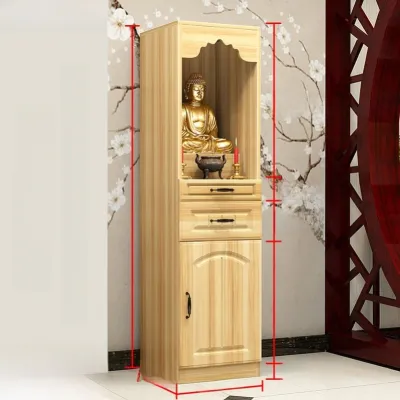

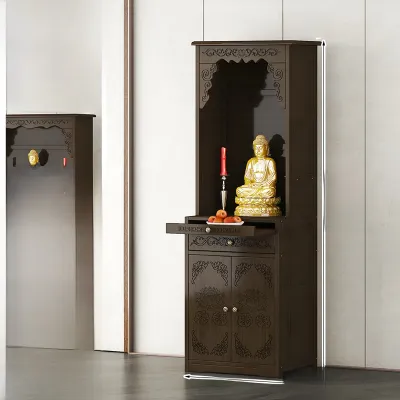
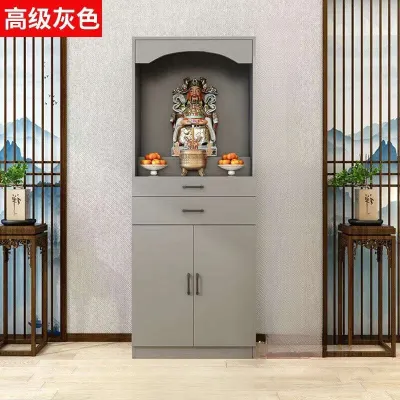
![[Cozy ]Modern Altar Table Simple Light Luxury Shrine Cabinet Home Living Room God Of Wealth Buddha Table Buddha Stand](https://img.lazcdn.com/g/p/62734c14deb41e1e360043e83914d783.jpg_webp_400x400q80.jpg_.webp)


![[Thai Amulet Mini Altar Acrylic Display Stand] *MANY DESIGNS* 泰国佛牌展示底座 Mini Altar Home / Office / Car Display Set](https://img.lazcdn.com/g/ff/kf/S55eb54a0c0134803887308e0b26e3702H.jpg_400x400q80.jpg_.webp)
Prices are valid at publication and may change. Please refer to the product page for the latest price.
Environmental factors play a critical role, especially in Singapore’s tropical climate. High humidity can warp wooden altar stands over time, while direct, intense sunlight can fade the paint or finish of statues and the stand itself. Choose a spot with stable temperature and good ventilation, away from direct air conditioning drafts that might blow out incense or candles.
Floor stability is another essential consideration. A solid, level floor prevents the stand from wobbling. If you live in a multi-story home or an apartment, ensure the floor beneath the stand can support the concentrated weight of the furniture and all ritual items.
Ultimately, the location should foster spatial harmony. It should be an area that remains naturally clean and quiet, free from the clutter of daily household chores, toys, or laundry baskets. This physical separation helps transition your mind from busy household tasks to a state of calm reflection.
Setting the Proper Height and Elevation
Elevation is a key expression of respect in Buddhist practice. The primary statues or images should always be positioned above waist level, and ideally, the eyes of the main deity should be slightly higher than your eye level when you are standing or kneeling in front of it. This prevents you from looking down on the sacred representations, which is traditionally viewed as disrespectful.

While high elevation is spiritually preferred, you must balance this with practical maintenance. If the altar stand is too high, replacing daily water offerings, lighting incense, and dusting the surfaces becomes difficult and potentially unsafe. Choose a height that allows you to reach all areas comfortably without needing to stand on unstable stools or chairs.
Before placing any items, verify the structural load capacity of your altar stand. Modern minimalist stands or wall-mounted shelves have strict weight limits. Heavy bronze, stone, or ceramic statues, along with large water urns and metal incense burners, can accumulate significant weight.
If you are using a wall-mounted altar stand, ensure it is securely anchored into concrete or solid wall studs rather than simple drywall or thin plaster. For floor-standing cabinets, check that the weight is distributed evenly across the base to prevent tipping, especially if you have young children or pets at home.
Orienting the Altar: Facing Direction and Layout
Traditionally, many practitioners prefer the altar to face the main entrance of the home or look out toward a bright, open space like a balcony or window. This layout symbolizes welcoming positive energy and sharing the blessings of the practice with all who enter. However, there is no need to obsess over rigid compass degrees or complex astrological alignments; the underlying intent of respect and clarity is far more important.
When planning the orientation, avoid positioning the altar stand so that it directly faces a bathroom door, a kitchen stove, or the foot of a bed. Facing a bathroom door is considered disrespectful due to the association with waste. Facing a kitchen stove can expose the altar to cooking grease, heat, and smoke, which degrades the sacred items and disrupts the clean atmosphere. Facing the foot of a bed is also avoided in traditional layouts to maintain a respectful boundary between personal rest and spiritual practice.
In modern Singapore apartments, such as HDB flats or condominiums, space constraints often make perfect traditional positioning challenging. In these cases, prioritize practical flow, natural light, and overall respect over strict compass directions. If the only available space requires the altar to face a window or a side wall, this is entirely acceptable as long as the immediate surroundings are kept clean, orderly, and peaceful.
Consider how the orientation affects the movement of people in the home. The space directly in front of the altar should remain clear to allow you to stand, bow, or sit comfortably during your practice without blocking main walkways or doors.
Arranging Items Safely on the Altar Stand
A respectful altar arrangement follows a clear hierarchy. The main statue or image of the Buddha should occupy the central, highest position on the stand. If you have multiple statues, they should be arranged systematically, with secondary figures or historical teachers placed slightly lower or to the sides of the central Buddha.
In front of the statues, place the daily offerings. Typically, this includes water bowls, flowers, fruit, and an incense burner. The incense burner is placed centrally in front of the statues, with water bowls arranged neatly in a straight line. Keep the arrangement balanced and uncluttered, ensuring each item has a designated place.
Fire safety is paramount when arranging your altar. If you use open flames, such as traditional oil lamps, candles, or burning incense, ensure they are placed at a safe distance from flammable materials. Keep curtains, hanging decor, artificial flowers, and wooden walls well away from the heat source. Never leave burning incense or open flames unattended; consider switching to high-quality LED candles or electronic incense burners if safety is a concern.
If your altar stand features integrated electrical lighting or LED backlights, you must verify the electrical specifications. Check the voltage compatibility, wattage limits, and ensure the system carries a recognized electrical safety certification, such as the Safety Mark in Singapore. Ensure all wiring is neatly routed, undamaged, and kept away from water offering bowls to prevent short circuits or electrical hazards. For any complex or fixed wiring adjustments, always isolate the power supply and consult a qualified electrician.
Choosing the color temperature of your altar lighting is a matter of personal preference. While some prefer warm white tones to create a soft, serene ambiance, others opt for cool white or yellow tones to highlight the details of the statues. These lighting choices are subjective and should be selected based on what best supports your personal sense of peace and focus.
Maintaining and Cleaning Your Altar Stand
Regular maintenance preserves both the physical beauty and the sacred atmosphere of your altar. Different materials require specific care. For solid wood stands, such as teak or rosewood, use a dry or slightly damp soft microfiber cloth to wipe away dust. Avoid harsh chemical cleaners, abrasive scrubs, or excessive water, which can strip the protective finish and damage the wood grain.
For modern lacquer, glass, or metal stands, a mild, non-abrasive soap solution can be used to remove fingerprint oils or incense residue. Always dry the surfaces thoroughly after cleaning to prevent water spots or rust.
Periodically inspect the structural integrity of the altar stand. Check the joints, legs, and shelves for any signs of sagging, cracking, or loosening screws, especially if the stand supports heavy ritual items. Over time, the weight of large statues can cause wooden shelves to bow, requiring reinforcement or replacement.
If you notice significant structural damage, deep cracks, or issues with integrated electrical wiring, do not attempt complex DIY repairs. Stop using the affected parts immediately, isolate any electrical connections, and consult the manufacturer or a qualified professional furniture repair specialist to ensure the stand remains safe for continued use.
Frequently Asked Questions (FAQ)
Can I place my altar stand in a shared living room or studio apartment?
Yes, placing an altar stand in a shared living room or a studio apartment is highly common and entirely respectful if managed thoughtfully. In multi-purpose spaces, you can use elegant room dividers, folding screens, or strategic furniture placement to establish a clear visual boundary around the altar. This helps define the area as a dedicated sacred space, separating it from the noise of television screens or dining tables.
When space is limited, keeping the immediate vicinity of the altar stand exceptionally clean and organized is crucial. Ensure that daily household clutter, shoes, bags, and entertainment items do not spill over into the altar’s footprint. Maintaining this clean boundary preserves the dignity of your practice, even within a compact living environment.
What should I do if my altar stand faces an unavoidable doorway?
If your home layout forces the altar stand to face an unavoidable doorway, such as a bathroom or bedroom entrance, you can easily soften the direct line of sight. Placing a lightweight folding screen, a decorative curtain, or a beaded partition between the altar and the doorway creates an effective visual buffer. This simple addition restores a sense of privacy and respect to the sacred space.
Remember that traditional guidelines are meant to support your practice, not cause unnecessary stress. If architectural constraints make perfect placement impossible, focus your energy on maintaining the cleanliness, quiet dignity, and peaceful atmosphere of the space. A sincere, respectful heart and a well-maintained altar are far more important than achieving flawless geometric alignment.

Community discussion
Share your experience or ask a question. Comments are reviewed before publication.