
Offering light is one of the most profound acts of devotion on a Buddhist altar, serving as a physical manifestation of inner cultivation and clarity. In Buddhist philosophy, light represents the ultimate light of wisdom, which cuts through the dense darkness of ignorance and confusion. When you place a light before an image of the Buddha, you are actively reminding yourself of the potential for awakening that exists within your own mind. This external action mirrors an internal commitment to cultivate clarity, compassion, and mindfulness.
The act of offering also embodies the practice of generosity and letting go. By dedicating the light to the Triple Gem, you practice releasing attachment to material things. A clean, mindfully arranged altar serves as a daily focal point for reflection, where the quality of your intention matters far more than the monetary value of your decorative fixtures. Whether you use a simple candle or an elaborate pair of electric lamps, the sincerity of your practice remains the true essence of the offering.
While specific rituals and arrangements can vary across Theravada, Mahayana, and Vajrayana traditions, the core symbolism of light remains universally consistent. Across all lineages, the light is treated as a sacred element that must be handled with utmost respect. Understanding how to position these lights correctly ensures that your physical environment aligns with the spiritual reverence of your practice, creating a harmonious and balanced space in your home.
Products mentioned in this guide
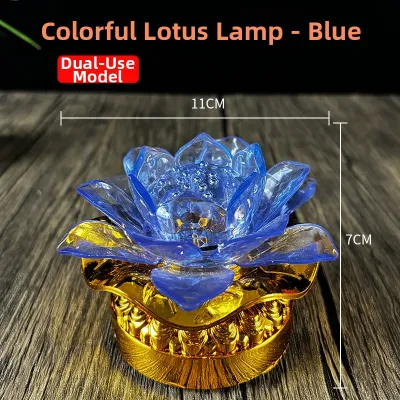
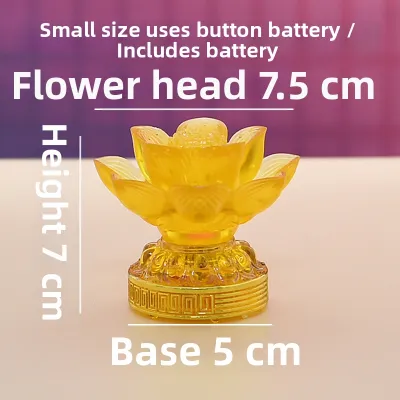
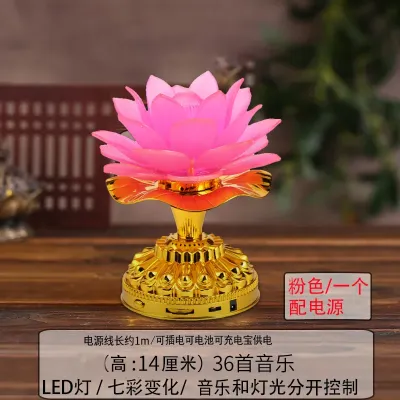
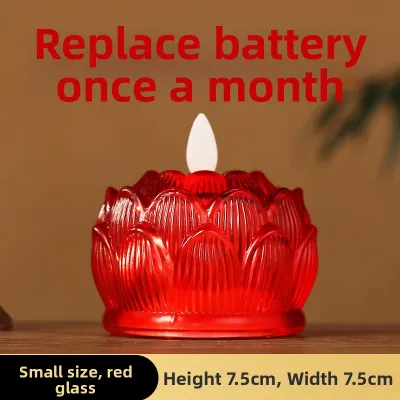
Prices are valid at publication and may change. Please refer to the product page for the latest price.
Where to Place the Light: Altar Hierarchy and Layout
Establishing a proper hierarchy on your home altar is essential for maintaining a respectful and spiritually supportive environment. The altar is structured to reflect the supreme status of the enlightened mind. Therefore, the Buddha statue or image must always occupy the central, highest, and most prominent position. Every other item on the altar is arranged in relation to this central focal point, ensuring that nothing obstructs or overshadows the representation of the Buddha.
In a traditional layout, offerings are arranged in the foreground or slightly below the level of the main statue. These offerings typically include water, flowers, incense, light, and fruit, representing the purification of the senses. When placing these elements, they should be organized neatly to allow for easy access and cleaning. A cluttered altar can distract the mind, whereas a clean, spacious arrangement fosters a sense of peace and mental clarity.
Buddha lights are traditionally positioned on the outer left and right edges of the offering table. This lateral placement ensures that the warm glow frames the central statue beautifully without blocking the view of the Buddha’s face or body. Keeping the lights toward the outer edges also prevents them from crowding the central incense burner, minimizing the risk of accidental contact when you reach across the altar.
Positioning Relative to the Buddha Statue
When adjusting the height of your altar lamps, the light source should always be positioned lower than the head or heart level of the Buddha statue. Elevating a light source above the Buddha’s head is considered disrespectful, as it disrupts the symbolic hierarchy where the Buddha is the supreme source of spiritual illumination. Keeping the physical lamps at a modest height also creates a soft, upward-cast glow that highlights the serene features of the statue.
Physical safety and preservation are equally critical when determining the distance between your lights and other altar elements. If you are using traditional flame-based lamps, you must maintain a generous clearance of at least 15 to 20 centimeters from the Buddha statue, backdrops, wall hangings, and walls. This prevents heat damage, scorching, and the accumulation of black soot. Even when using modern electric lights, keeping a safe distance prevents heat build-up in enclosed altar cabinets and ensures that cables do not rub against delicate painted surfaces.
Arranging Multiple Lights Symmetrically
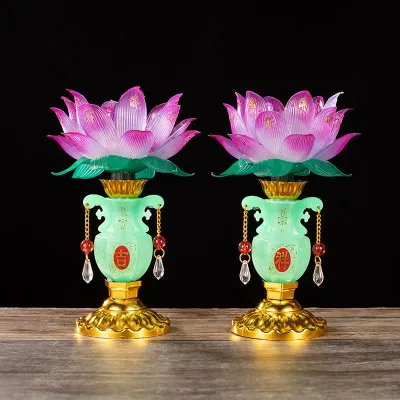
Symmetry plays a vital role in Buddhist altar design, reflecting the inner balance, harmony, and equanimity that practitioners strive to achieve. Arranging your offerings in balanced pairs helps calm the visual field and prepares the mind for meditation. When placing Buddha lights, they should always be used in a matching pair, with one lamp positioned on the left and the other on the right side of the central offerings.
To achieve perfect symmetry, measure equal distances from the center line of the altar to each lamp base. Both lights should be of identical height, design, and brightness to avoid creating a lopsided visual effect. This balanced arrangement symbolizes the dual cultivation of wisdom and compassion, the two essential pillars of the Buddhist path that must be developed in equal measure.
Choosing Between Traditional Flames and Modern LED Lights
Selecting the right type of Buddha light involves balancing traditional customs with the practical realities of your living environment. Both traditional flame-based lamps and modern electric or LED alternatives are fully acceptable in contemporary practice, provided they are offered with a sincere and respectful heart. Your choice should prioritize safety, ease of maintenance, and the specific constraints of your household.

When deciding on the best lighting setup, consider factors such as the ventilation of your room, the presence of young children or pets, and local housing guidelines. For example, in compact high-rise apartments common in Singapore, open flames can quickly deplete oxygen levels or trigger sensitive smoke detectors. Selecting a light that fits your daily routine ensures that your altar remains a source of peace rather than a cause of domestic anxiety.
Traditional Oil, Ghee, and Wax Lamps
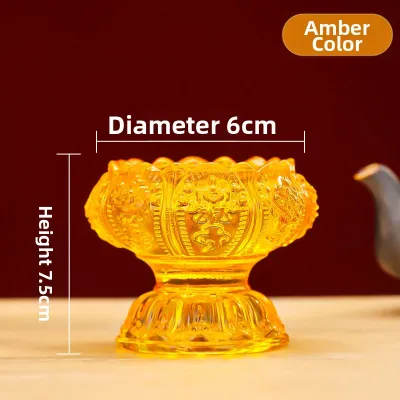
Traditional lamps fueled by natural oils, ghee, or beeswax hold deep historical significance, offering a warm, flickering glow that many practitioners find uniquely soothing. The burning of oil or wax symbolically represents the consumption of worldly desires and the eventual attainment of Nirvana, as the fuel is gradually spent. This visual reminder of impermanence can deepen your daily contemplation.
However, real-flame lamps demand rigorous safety precautions and constant vigilance. They must never be left burning unattended. Ensure that flame lamps are situated on stable, non-combustible bases, such as heavy ceramic or brass trays, and are kept far away from drafts, window curtains, altar cloths, and low wooden shelves. If your altar is housed inside a wooden cabinet, the rising heat from a flame can dry out and damage the wood over time, making electric alternatives a safer choice for enclosed spaces.
Modern LED and Electric Buddha Lights
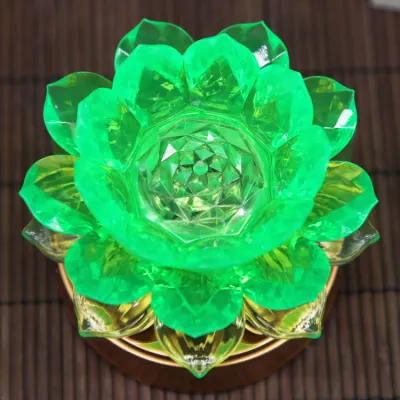
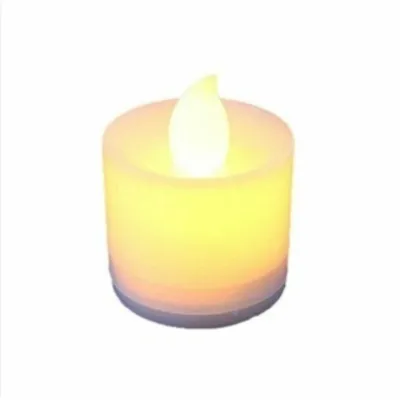
Modern electric and LED Buddha lights have become the preferred choice for contemporary households due to their exceptional safety, cleanliness, and convenience. LED lotus lamps and electric candles eliminate the risk of accidental fires, produce zero smoke or soot, and maintain a consistent, reliable brightness. This makes them highly practical for daily use, especially if you prefer to keep your altar illuminated for extended periods.
When choosing electric lights, it is crucial to verify their technical specifications to ensure safe operation. Always check the voltage compatibility of the lamps with your home’s electrical grid, and verify that the product carries recognized electrical safety certifications. Inspect the base and interface of the light to ensure it fits securely on your altar surface without wobbling. Additionally, manage all power cords neatly behind the altar to prevent tripping hazards, and avoid using dimming methods that are not explicitly supported by the manufacturer, as incompatible dimmers can cause LEDs to flicker or overheat. If you plan to install fixed-wiring wall sconces or hanging pendant altar lights, always isolate the power at your home’s main distribution board before beginning work, follow the manufacturer’s installation instructions, and hire a qualified professional electrician to complete the installation.
Step-by-Step Guide to Positioning and Lighting
Setting up your Buddha lights with mindfulness transforms a routine chore into an active practice of meditation. Follow this structured sequence to position and activate your lights respectfully.
Step 1: Preparation and Cleaning Before handling any sacred items, wash your hands thoroughly to show respect. Use a dedicated, clean microfiber cloth solely reserved for altar maintenance to wipe down the altar surface and the bases of your lamps. Ensure the entire area is completely dry, free of dust, and clear of any secular objects. This physical cleaning represents the purification of your own mind, preparing a pristine space for the sacred offerings.
Step 2: Physical Placement Carefully position your pair of lamps on the outer edges of the altar, ensuring they are perfectly symmetrical and aligned with the sides of the Buddha statue. Double-check that the height of the light sources remains below the head or heart level of the statue. For electric or LED lamps, route the power cables discreetly along the back or sides of the altar cabinet, keeping them hidden from direct view to maintain a clean, uncluttered visual space.
Step 3: Powering or Lighting If you are using electric lights, plug them directly into a safe, uncrowded wall socket, ensuring that you do not overload your household circuits or daisy-chain multiple extension cords. If you are using traditional oil or ghee lamps, carefully fill the reservoir to a safe level, ensuring no oil spills onto the wooden altar. Place the lamp on a heat-resistant ceramic coaster or metal tray, and carefully adjust the wick before lighting it with a long-nosed lighter or match.
Step 4: Mindful Activation Turn on the switch or ignite the wick with a calm, focused, and respectful mindset. As the light fills the space, take a moment to stand or kneel before the altar with your palms pressed together in the gassho or anjali mudra. You may choose to recite a traditional light offering mantra, offer a silent prayer for the well-being of your family, or simply set a positive, compassionate intention for your household, allowing the physical light to inspire inner peace.
Essential Safety Rules and Altar Maintenance
Maintaining a safe altar environment is an essential aspect of your practice, demonstrating respect for both the teachings and the physical safety of your household. Neglecting basic safety protocols can lead to avoidable accidents, which contradicts the Buddhist principle of protecting life and avoiding harm.
Fire Safety If you choose to burn traditional candles or oil lamps, establish a strict rule to never leave a live flame unattended. Always extinguish the flame before leaving your home, going to sleep, or moving to a different part of the house where you cannot monitor the altar. Keep the altar area free from drafts, ceiling fan currents, and air conditioning vents, as sudden gusts of wind can blow lightweight altar decorations or curtains into the flame, creating an immediate fire hazard.
Electrical Safety For electric and LED Buddha lights, conduct regular inspections of the power cords, plugs, and adapters to check for signs of fraying, cracking, or heat damage. Do not overload your wall sockets or use cheap, uncertified multi-plug adaptors. If you notice an LED lamp flickering abnormally, buzzing, or emitting a faint burning smell, unplug it immediately, discontinue its use, and consult a qualified professional or replace the unit entirely.
Routine Cleaning Regular cleaning prevents the buildup of dust and soot, keeping your altar looking dignified and bright. Before wiping down your electric lights, always turn them off and unplug them from the wall socket to eliminate the risk of electrical shock. If you are cleaning flame-based lamps, ensure the flame is completely extinguished and the metal or glass components have cooled down entirely to avoid burns or cracked glass.
Respectful Disposal When an altar lamp breaks, a bulb burns out, or an electric component malfunctions, handle the disposal process with care and reverence. Rather than tossing these sacred items directly into the general household waste, wrap them neatly in clean white paper or a clean cloth first. This simple act of wrapping acknowledges the sacred service the item provided, allowing you to discard it mindfully and respectfully.
Frequently Asked Questions (FAQ)
Should I leave the Buddha light on 24/7?
While some Buddhist traditions prefer to keep altar lights illuminated continuously to symbolize the unceasing, eternal nature of the Buddha’s wisdom, physical safety must always take precedence. If you are using traditional oil or wax lamps, leaving them on 24/7 is highly dangerous and should never be done. For modern LED lights, continuous operation is physically safer, but it is still highly recommended to turn them off at night or when you leave the house to prevent electrical overheating and conserve energy.
What should I do if the Buddha light breaks or stops working?
If a Buddha light breaks or malfunctions, avoid reacting with frustration or viewing it as a sign of bad luck; instead, view it as a practical reminder of impermanence. Carefully unplug the device or extinguish the flame, and remove it from the altar. Wrap the broken pieces or the non-functional lamp in a clean sheet of paper or cloth before disposing of it, and replace the lamp promptly to maintain the completeness, symmetry, and dignity of your altar setup.
Can I place the Buddha light on a separate table if the altar is too small?
Yes, if your primary altar table is too small to accommodate a pair of lights safely, you can place them on a separate, dedicated side table. Ensure this secondary surface is stable, clean, and positioned at a respectful height that aligns harmoniously with the main altar. Keep this side table completely free of secular clutter, such as keys, mail, or electronic devices, to preserve the sacred atmosphere of your practice space.
Community discussion
Share your experience or ask a question. Comments are reviewed before publication.