
Setting up a home temple in a compact HDB flat or condominium requires balancing traditional principles of respect with modern spatial constraints. The core rule is to maintain a clean, elevated, and quiet space, typically in the living room or study, while avoiding areas associated with impurity or heavy foot traffic. In high-density urban environments, finding the perfect spot can be challenging due to open-plan layouts, structural beams, and multi-functional rooms. However, with thoughtful planning and a clear understanding of traditional guidelines, you can establish a peaceful sanctuary that supports your daily spiritual practice without compromising the functionality of your living space. A well-positioned shrine not only honors the teachings of the Buddha but also serves as a visual reminder of mindfulness, bringing a sense of calm and harmony to your household.
Choosing the Best Room for Your Home Temple
Selecting the right room is the first and most crucial step in establishing your home temple. The living room is widely considered the most suitable location because it is the central gathering space of the home, reflecting high respect and honor. It provides a spacious area where family members can gather for prayers, meditation, or quiet reflection. Alternatively, a dedicated study room or home office is an excellent choice, offering a quiet, contemplative environment away from the distractions of household activities, television, and entertainment systems.
If you live in a studio apartment or a shared rental unit where a separate room is not available, the bedroom may be your only option. While generally discouraged in traditional practices due to the private and mundane activities associated with the space, bedroom placement is acceptable under specific conditions. You must ensure the shrine is housed within an enclosed cabinet with doors that can be closed when you are sleeping, dressing, or when the room is used for non-spiritual purposes. This simple boundary maintains the sanctity of the shrine within a multi-purpose room.
Products mentioned in this guide


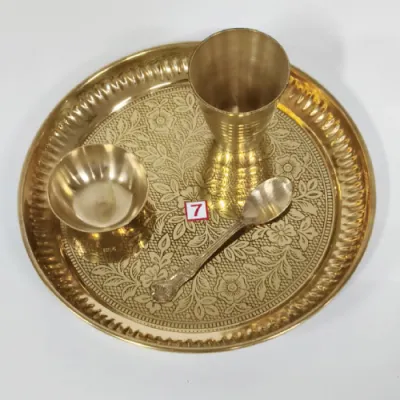

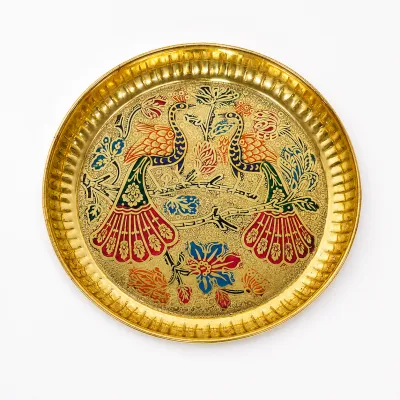
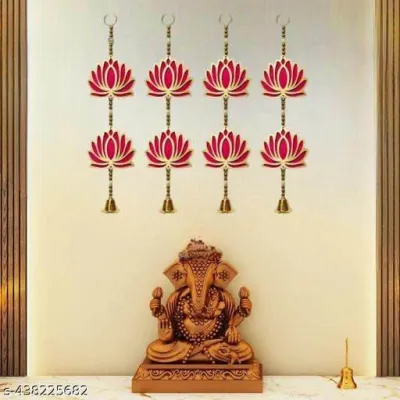

Prices are valid at publication and may change. Please refer to the product page for the latest price.
Conversely, certain areas of your flat or condo must be strictly avoided. The kitchen is unsuitable due to the presence of cooking grease, heat, and food preparation activities, which conflict with the cleanliness required for a sacred space. Bathrooms are associated with waste and impurity, making any proximity to them highly disrespectful. Exposed balconies are also inappropriate, as sudden heavy downpours, high humidity, and strong winds can damage delicate statues, scriptures, and offering vessels. Additionally, household utility shelters should never be used for a shrine, as they lack natural light, ventilation, and are typically reserved for storage.
Determining Height, Orientation, and Wall Placement
Once you have selected the room, the physical height and wall placement of the shrine must be carefully planned. The primary rule of height is elevation; the main Buddha statue should always be positioned well above waist level. Ideally, the statue should sit at eye level or higher when you are standing, ensuring that you look up to the representation of the Buddha rather than looking down. Placing a shrine on a low coffee table, a TV console, or directly on the floor is considered highly disrespectful and should be avoided entirely.

The structural backing of the temple is equally important for stability and respect. The back of the shrine must rest against a solid, permanent wall, which symbolizes strong support and security for the household. Avoid placing the altar against windows, glass partitions, or temporary sliding doors, as these elements lack structural permanence and can expose the shrine to unstable drafts and direct sunlight. If you are mounting a heavy wooden shelf on a drywall partition, always verify the wall’s load-bearing capacity and use appropriate heavy-duty anchors to prevent the shelf from sagging or falling.
In terms of orientation, the shrine should ideally face an open, bright, and well-ventilated area of the room. While some traditions favor specific cardinal directions like East, the practical layout of modern apartments often dictates the best path. A common and auspicious arrangement is to have the shrine face the main entrance of the home, welcoming positive energy as you enter. However, ensure the altar does not sit directly in the physical pathway of the door, where it could be bumped or obstructed by daily foot traffic.
Common Placement Mistakes to Avoid
In compact apartment layouts, it is easy to overlook subtle placement conflicts that can compromise the respectfulness of your shrine. One of the most common mistakes is aligning the altar directly with a toilet door or sharing a wall with a bathroom. If the layout forces the shrine onto a shared bathroom wall, ensure the altar is not placed directly opposite the toilet fixtures on the other side of the wall. Similarly, avoid placing the shrine directly opposite a kitchen stove, as the heat and activity of cooking can disrupt the peaceful energy of the altar.
Overhead structural elements also require careful inspection. Do not position your home temple directly beneath heavy concrete beams, exposed utility pipes, or large air-conditioning units. In high-rise apartments, these overhead features can create a visual sense of oppression and physical risk. Air-conditioning units, in particular, pose a threat of water condensation leaks that can ruin wooden altars and delicate scriptures, while the direct airflow can scatter incense ash or blow out candle flames.
Finally, keep the immediate vicinity of the shrine free from household clutter and distracting electronics. The space directly beneath or beside the altar should not be used to store shoes, laundry baskets, vacuum cleaners, or trash bins. Additionally, avoid placing the shrine too close to large electronic appliances such as televisions, sound systems, or Wi-Fi routers. The constant noise, heat, and electromagnetic activity from these devices can detract from the quiet, meditative atmosphere that a home temple is meant to foster.
Arranging the Shrine and Daily Maintenance
Arranging the sacred objects on your altar should follow a clear, traditional hierarchy to maintain visual and spiritual balance. The statue of the Buddha must occupy the highest and most central position on the altar. If you incorporate other figures, such as bodhisattvas, historical teachers, or protective deities, they should be placed on lower tiers or to the sides of the central Buddha. Sacred scriptures, representing the Dharma, and a small stupa, representing the mind of the Buddha, can be placed alongside the main statue to complete the traditional representation of the Three Jewels.
Daily offerings are a beautiful way to cultivate generosity and mindfulness, but they must be managed safely within modern apartments. Traditional practices involve burning incense and wax candles, which can pose significant fire hazards and air quality issues in enclosed, air-conditioned spaces. To mitigate these risks, consider using high-quality LED candles and electronic incense burners. If you choose to use electronic lighting, verify that all fixtures carry recognized electrical safety certifications, ensure that wires are neatly managed, and avoid overloading power sockets. If you prefer traditional incense, opt for low-smoke, natural varieties, use a sturdy, non-flammable incense holder, and never leave burning materials unattended.
Maintaining the cleanliness of your home temple is an ongoing practice of respect. Establish a regular routine to dust the statues and wipe down the altar surfaces using a clean, dedicated cloth that is not used for general household cleaning. Refresh water offerings daily, ideally in the morning, using clean, drinking-grade water. Dispose of wilted flowers, dried leaves, and overripe fruit offerings promptly to prevent mold, unpleasant odors, and pests, ensuring the sacred space remains fresh, inviting, and pristine.
Solutions for Small Spaces and Rental Units
Living in a smaller apartment or renting a home requires creative solutions to accommodate a temple without making permanent structural changes. For studio apartments or multi-purpose rooms, an enclosed altar cabinet with folding doors is an exceptional choice. This design allows you to close the doors when the room is being used for social gatherings, exercise, or sleep, keeping the sacred space private and protected. When you are ready for practice, simply open the doors to reveal the beautifully arranged altar.
For tenants who are restricted from drilling holes into walls, freestanding temple furniture is the ideal alternative to wall-mounted shelves. Look for compact, sturdy wooden cabinets or heavy-duty shelving units that stand firmly on the floor. Ensure the furniture is placed on a level surface and is stable enough to prevent any wobbling. If you must use temporary shelving, verify the manufacturer’s weight limits and avoid overloading the structure with heavy bronze or stone statues.
To maximize the efficiency of a small footprint, select furniture that optimizes vertical space. Many modern home temple designs feature built-in drawers, pull-out trays, or lower cabinets beneath the main altar platform. These storage compartments are perfect for keeping extra incense, candles, scriptures, matches, and cleaning cloths neatly organized and out of sight. Utilizing these integrated storage solutions keeps the main altar surface uncluttered, allowing the focus to remain entirely on the sacred representations and daily offerings.
Frequently Asked Questions (FAQ)
Can I place my home temple near the main door?
Yes, placing your home temple near the main door is acceptable and is often considered auspicious as it welcomes positive energy into the home. However, there is a key difference between having the shrine face the entrance from a respectful distance and placing it directly next to the door. Avoid positioning the altar immediately adjacent to shoe cabinets, umbrella stands, or high-traffic entryways where people constantly move, kick off shoes, or leave outdoor gear. Ensure there is a clear physical and visual separation between these utilitarian entry elements and the sacred space of your altar.
Is it acceptable to have a Buddha statue in the bedroom?
While placing a Buddha statue in the bedroom is generally avoided to maintain the highest level of respect, it is acceptable if you live in a single-room studio or a shared flat where no other space is available. To do this respectfully, you must house the shrine inside an enclosed cabinet with doors or use a clean, opaque curtain to cover the altar when you are sleeping, dressing, or engaging in private activities. Additionally, position the bed so that your feet do not point directly toward the Buddha statue while you are lying down, as pointing your feet at sacred objects is considered disrespectful in many Buddhist cultures.
Do I need to consult a master for the exact auspicious date and direction?
Consulting a geomancy master or a spiritual teacher for an exact date and direction is a personal decision that depends on your specific Buddhist lineage, cultural background, and personal beliefs. While general principles of cleanliness, elevation, and respect are universally applicable to all Buddhist shrines, some practitioners find comfort and alignment in seeking personalized advice tailored to their home’s specific layout and birth details. If you belong to a specific temple or follow a particular teacher, consulting them can provide valuable, personalized guidance that aligns with your spiritual practice.

Community discussion
Share your experience or ask a question. Comments are reviewed before publication.