
Preparing a 7th Month offering package (Hungry Ghost Festival offering) requires a thoughtful balance between honoring long-held cultural traditions and managing the practical safety constraints of modern urban living. A complete and respectful offering package typically includes essential incense, a stable burner, joss paper, candles, and food offerings. Choosing the right combination of these items ensures your rituals are conducted with sincerity while keeping your home and community safe.
In Singapore, where high-density housing like HDB flats and condominiums is the norm, selecting appropriate ritual supplies is not just a matter of personal preference but also of safety and neighborly consideration. By understanding the specifications of different incense types, burner materials, and local guidelines, you can easily assemble a package that fulfills traditional requirements without creating fire hazards or excessive smoke nuisance.
Defining Your 7th Month Offering Package Goals
The Seventh Month of the lunar calendar is a significant period dedicated to practicing filial piety and showing compassion to wandering spirits. Assembling a 7th month package is a physical expression of these values, providing symbolic sustenance and comfort to ancestors and transient souls alike. Each item in the package serves a specific symbolic purpose, from the incense that acts as a spiritual messenger to the food offerings that represent hospitality.
Products mentioned in this guide
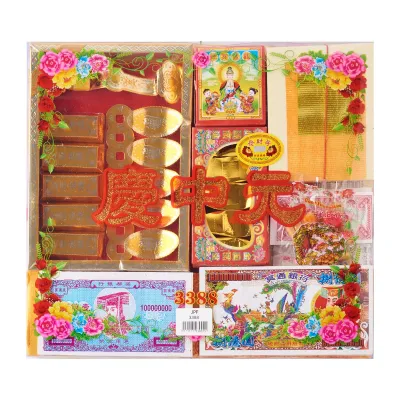
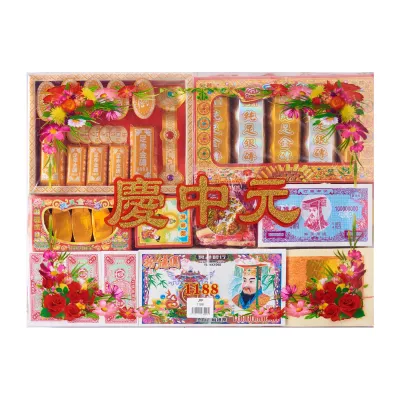
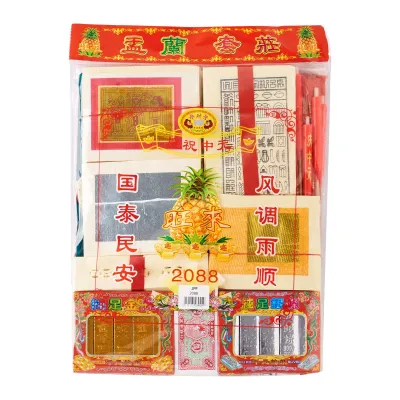
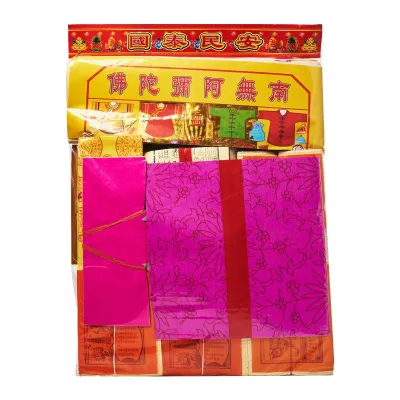
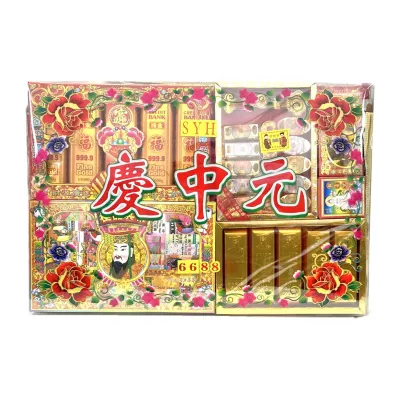
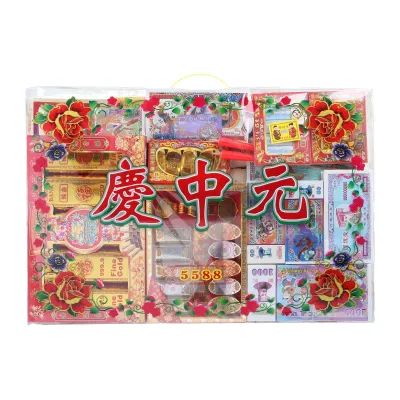
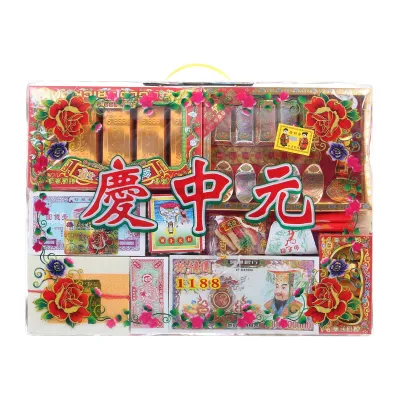
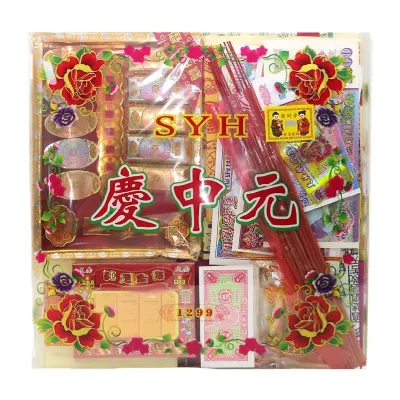
Prices are valid at publication and may change. Please refer to the product page for the latest price.
Traditionally, these packages are comprehensive, containing a mix of joss sticks, incense coils, candles, joss paper, and dry food items. However, the way these offerings are presented must adapt to modern living environments. Large-scale outdoor burnings that were common in the past are now carefully managed to prevent air pollution and fire risks in residential estates.
For residents in HDB flats and private condominiums, the goal is to balance traditional respect with practical safety. This means selecting low-smoke incense varieties, choosing highly stable burners that prevent stray embers, and planning where and how to burn joss paper. By setting clear goals for your offering setup, you can honor the festival’s spirit while maintaining a clean, safe, and harmonious environment for your family and neighbors.
Selecting the Right Incense for Traditional and Modern Homes
Traditional Joss Sticks and Coils
Traditional joss sticks remain the most recognizable component of any offering package. These sticks typically feature a natural bamboo core coated with aromatic wood powder, such as sandalwood or agarwood. Standard joss sticks are designed for daily or short-duration prayers, usually burning for 30 to 45 minutes, which makes them ideal for targeted morning or evening rituals.

Coil incense offers an alternative for those seeking long-lasting, continuous burning. These spiral-shaped coils are designed to burn slowly over several hours, sometimes up to an entire day, symbolising continuous prayer and connection. Because of their extended burn time, coils require specialized hanging burners or secure flat holders that can safely contain the falling ash over many hours.
Before purchasing, always check the product packaging for the manufacturer’s estimated burn times and physical dimensions. Ensure the length of the joss sticks matches your designated altar space; overly long sticks can bend, droop, or drop hot ash outside the safety perimeter of your burner, posing a significant fire risk on wooden or laminate surfaces.
Eco-Friendly and Low-Smoke Alternatives
For indoor altars or homes located in tightly packed HDB corridors, traditional incense can produce heavy smoke that easily triggers home smoke detectors or causes respiratory discomfort. Eco-friendly and low-smoke incense varieties are specifically formulated to address this issue. These modern alternatives use highly refined wood powders and natural binders to significantly reduce particulate emissions and visible smoke.
When choosing low-smoke options, inspect the ingredient list on the packaging. Prioritize incense made from pure, natural wood bases like high-grade sandalwood or herbal blends rather than synthetic fragrance oils. Synthetic perfumes often emit chemical-heavy smoke that can irritate the eyes and throat, whereas natural bases provide a clean, subtle aroma that is much gentler on the respiratory system.
It is also wise to check for reputable eco-certifications or laboratory test labels on the packaging. Many modern manufacturers now test their products for low chemical emissions, giving you peace of mind that your indoor air quality remains safe during daily prayers.
Matching Incense Burners and Holders to Your Space
Evaluating Burner Materials and Designs
Selecting a safe incense burner (censer) is just as important as choosing the incense itself. Burners are available in a variety of materials, including ceramic, brass, stone, and wood. For maximum safety, ceramic and heavy metal (such as solid brass) are the superior choices due to their high heat resistance and substantial weight, which prevents them from being easily knocked over.
Always verify the manufacturer’s specifications regarding heat tolerance. Low-quality ceramic or glass burners can crack under the intense heat generated by multiple burning joss sticks or concentrated ash. A cracked burner can spill hot embers onto your altar, creating an immediate fire hazard.
Your choice of burner design should also align with the type of incense you use. Upright burners filled with clean incense ash are ideal for holding traditional bamboo-core joss sticks securely in place. If you prefer coreless incense sticks or horizontal incense, opt for an enclosed ash-catcher box lined with fireproof felt. This design allows the incense to burn completely while keeping all hot embers and ash safely contained inside a covered structure.
Securing Ash Catchers and Fireproof Mats
No matter how stable your burner is, stray drafts from open windows or corridor corridors can carry lightweight ash and sparks onto nearby surfaces. To prevent scorching, always place a wide, fireproof mat, a heavy ceramic tile, or a metal tray underneath your incense burner. This is a crucial safety step when placing burners on wooden altars, glass tables, or temporary outdoor tables.
Before purchasing a new burner, measure your altar space carefully. The burner and its protective fireproof mat must fit comfortably on the surface without overcrowding. Avoid placing the burner near the edges of tables or in high-traffic walkways where family members or pets might accidentally brush against it.
Ensure there is at least a 15-centimeter safety clearance around the burner, completely free of decorative cloths, paper offerings, or plastic packaging. Keeping this zone clear minimizes the risk of accidental ignition from stray sparks.
Adding Complementary Ritual Items and Offerings
To complete your 7th month offering package, several secondary ritual items are required alongside your incense and burners. These items should be chosen with the same focus on safety and practicality.
- Joss Paper and Ingots: A standard package includes various types of symbolic paper, such as hell bank notes, gold joss paper (for deities and ancestors), and silver joss paper (for wandering spirits). It is essential to remember that these papers must never be burned in your indoor incense burner or in open residential corridors. They are designed to be burned exclusively in designated metal containers or communal burning bins.
- Candles and Oil Lamps: Traditionally, red wax candles or oil lamps are lit to guide spirits to the offerings. However, open flames pose a major safety risk, especially when left unattended. Highly realistic LED electronic candles are an excellent, flame-free alternative for modern homes. When purchasing electronic candles, check that they carry recognized safety certifications—such as the Enterprise Singapore Safety Mark for plug-in adapters—and feature a weighted, non-tip base.
- Food and Tea Offerings: Standard offerings include three small cups of Chinese tea or rice wine, alongside simple food items like white rice, steamed cakes (huat kueh), and fresh fruits like apples and oranges. Because Singapore's tropical climate is highly humid, perishable food offerings should not be left out overnight. Cover food containers during the ritual to keep pests away, and clear all edible items promptly once the prayers are completed to maintain hygiene.
Ensuring Fire Safety and Compliance in Singapore Homes
Navigating HDB and Condo Regulations
Living in shared residential spaces in Singapore requires strict adherence to community guidelines to ensure safety and mutual respect. Town Councils manage HDB estates and provide large, red metal burning bins at void decks and common grounds during the Seventh Month. Residents are required to use these designated bins for burning joss paper, rather than burning them on grass patches, pavements, or common corridors.
For private condominiums, residents must consult their Management Corporation Strata Title (MCST) bylaws. Most private estates strictly prohibit open burning on balconies or in common corridors, directing residents to designated communal burning zones on the ground level. Never block fire escape routes, stairwells, or corridor pathways with temporary offering tables or burners, as this violates Singapore Civil Defence Force (SCDF) fire safety regulations.
Practicing Safe Burning and Ash Disposal
When lighting incense or candles, maintain a strict safety protocol. Keep all burners away from open windows where sudden drafts can blow sparks onto curtains, papers, or other flammable materials. Never leave burning incense or open flames unattended. If you must leave your home, ensure all live embers and flames are completely extinguished before you step out.
Proper ash disposal is vital to prevent secondary fires in rubbish chutes and waste bins. Allow the ash in your burner or the communal bin to cool down completely over several hours. Never dump hot ashes directly into plastic trash bags or rubbish chutes. If necessary, lightly dampen the cooled ashes with water to ensure no hidden embers remain before disposing of them in non-combustible waste bins.
Frequently Asked Questions (FAQ)
Can I use electronic incense or candles instead of real fire?
Yes, electronic incense burners and LED candles are highly accepted and widely used in modern Singapore homes. They offer a flame-free, smoke-free alternative that eliminates fire hazards, soot, and respiratory irritation. This makes them particularly suitable for air-conditioned rooms, small apartments, or households with young children, pets, or elderly family members. If you choose electronic alternatives, ensure they are certified with the appropriate safety marks for electrical appliances.
How many joss sticks should I light for the 7th month?
In Chinese tradition, the number of joss sticks lit carries symbolic meaning. Typically, three joss sticks are offered for deities or ancestors (representing heaven, earth, and humanity), while a single joss stick is often used for wandering spirits. However, there is no rigid rule. To minimize smoke in modern apartments, lighting a single, high-quality, low-smoke joss stick is a respectful and perfectly acceptable practice.
Where can I buy a complete 7th month package in Singapore?
Complete offering packages—often pre-assembled with incense, joss paper, candles, and basic ritual guides—are widely available in Singapore. You can purchase them from traditional joss paper shops in heartland neighborhoods (such as Chinatown, Waterloo Street, or neighborhood wet markets), major local supermarkets, or reputable e-commerce platforms. When buying online, check the delivery lead times to ensure the package arrives well before the start of the Seventh Month, and read customer reviews to verify the quality of the incense and the completeness of the package.
Community discussion
Share your experience or ask a question. Comments are reviewed before publication.