
Setting up a Buddhist altar table at home is a deeply meaningful process that establishes a dedicated space for mindfulness, reflection, and daily spiritual practice. A properly arranged altar serves as a visual representation of the Buddha’s teachings, helping to cultivate qualities like wisdom, compassion, and inner peace within your living space. While different Buddhist traditions—such as Theravada, Mahayana, and Vajrayana—have specific customs, the core principles of altar arrangement focus on respect, cleanliness, order, and mindful placement of statues and offerings.
To arrange a Buddhist altar correctly, you must select a clean, elevated space, place the primary Buddha statue at the highest central point, arrange accompanying figures symmetrically, and position daily offerings such as water, incense, and flowers in a structured, safe manner. This guide walks you through the practical steps of preparing the space, positioning sacred items, arranging offerings, and maintaining the altar safely and respectfully.
Preparing the Space and Selecting the Altar Table
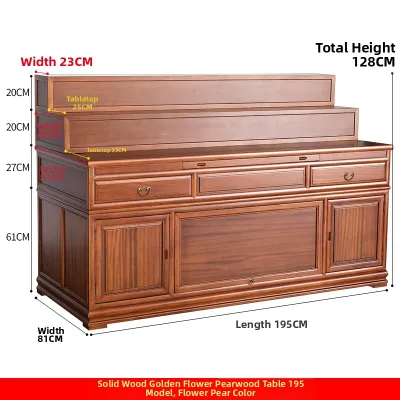
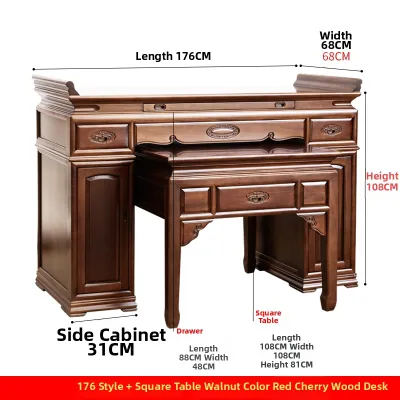
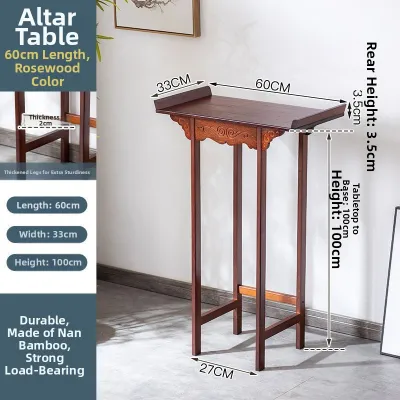
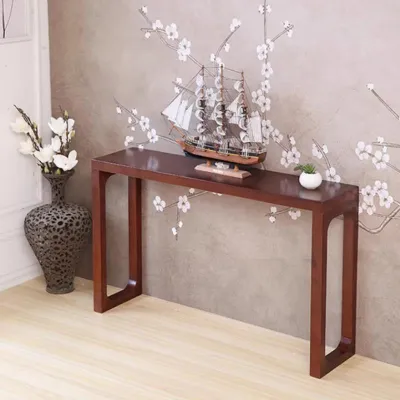
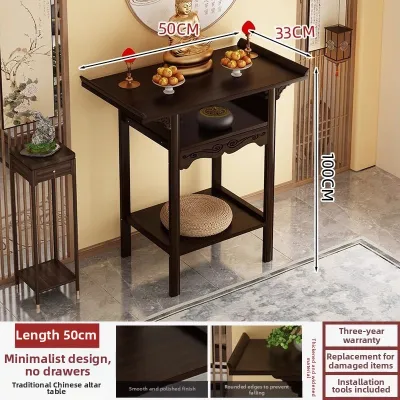
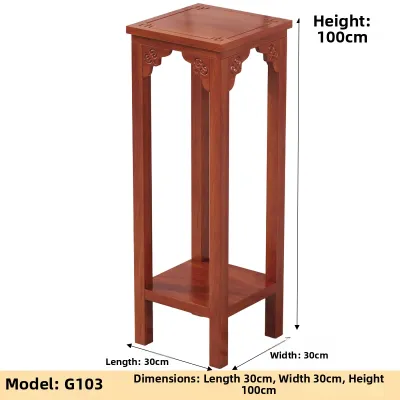
Choosing the right physical location and furniture is the foundation of a respectful home altar. The altar should be placed on a dedicated, clean, and elevated surface. A solid wood altar table, a sturdy cabinet, or a high wall-mounted shelf works well. The height of the table is important; traditionally, the main statue should be positioned at or above eye level when you are standing or sitting during practice, ensuring you look up to the sacred images rather than down.
Products mentioned in this guide
Prices are valid at publication and may change. Please refer to the product page for the latest price.
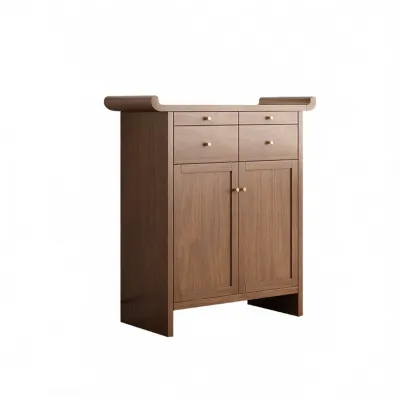
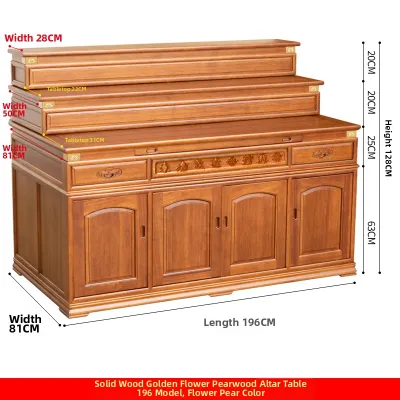
When selecting a table, prioritize sturdy materials like solid teak, oak, or other high-quality woods that can support the weight of statues and heavy offering vessels. The table should have a stable base to prevent any wobbling or accidental tipping. If you live in a compact home, such as a modern apartment, a compact altar cabinet with doors or a secure wall-mounted ledge can be an excellent space-saving solution that still maintains the necessary elevation and respect.
The surrounding environment should be quiet, well-lit, and free from household clutter or high-traffic disruptions. Avoid placing the altar in busy corridors, near television sets, or in areas where household activities might disturb your contemplation. Good lighting is essential to illuminate the statues and offerings clearly. If you plan to use electric altar lamps or LED candles, ensure they are placed near a safe electrical outlet. Verify that the voltage and plug type match your home’s electrical system, and check for safety certifications on any electrical lighting products to prevent hazards.
Before placing any sacred items on the table, clean the surface thoroughly. Use a dedicated cloth that is kept exclusively for cleaning the altar. This simple act of cleaning is itself a form of practice, symbolizing the purification of the mind. Ensure the table is completely dry and stable before proceeding with the arrangement.
Positioning the Buddha Statue and Accompanying Figures
The central focus of any Buddhist altar is the image of the Buddha, which represents the potential for enlightenment within all beings. The main Buddha statue must be placed in the center and at the highest level of the altar table. If you have a multi-tiered altar, the primary Buddha statue belongs on the top tier. If you are using a flat table, you can elevate the main statue by placing it on a clean pedestal, a wooden stand, or a decorative block covered with a clean cloth.

If your altar includes accompanying figures, such as bodhisattvas, arhats, or Dharma protectors, arrange them symmetrically on either side of the main Buddha statue or on a slightly lower level. For example, in many Mahayana traditions, the historical Buddha may be flanked by Bodhisattvas like Avalokiteshvara (Guan Yin) and Kshitigarbha. These accompanying figures should face forward and be positioned slightly lower or to the side to maintain the central hierarchy of the main Buddha.
Ensure all statues are stable and secure to prevent accidental tipping. Placing a clean, non-slip mat or a dedicated fabric runner under the statues can protect both the table surface and the bases of the statues. Avoid placing statues directly on a bare, rough table surface where they might slide or sustain damage. The arrangement should look balanced and harmonious, reflecting the inner peace that the practice aims to cultivate.
When positioning multiple statues, avoid crowding them together. Each figure should have enough space around it to be clearly visible and respected. If you are representing the “Three Jewels” (the Buddha, the Dharma, and the Sangha), you can place a sacred text representing the Dharma to the Buddha’s right, and a stupa or an image of an enlightened teacher representing the Sangha to the Buddha’s left. This spatial arrangement helps maintain a clear, symbolic representation of the core Buddhist refuges.
Arranging Daily Offerings and Ritual Accessories
Once the statues are positioned, you can arrange the daily offerings and ritual accessories. These items are not meant to please the Buddha but to help practitioners cultivate generosity, mindfulness, and gratitude. The layout follows a traditional, symmetrical structure that keeps the altar organized and safe.
The incense burner is traditionally placed in the front center of the altar table, directly in front of the main statue. This central position makes it easy to offer incense safely. When choosing an incense burner, ensure it is stable, wide enough to catch falling ash, and filled with a suitable non-flammable material like clean ash or sand. Keep the burner away from any flammable materials, such as curtains, hanging scrolls, or wooden decorations.
Water cups, flower vases, and fruit plates are arranged symmetrically on either side of the incense burner. A common arrangement is to place one or three water cups directly in front of the statues, representing purity and clarity of mind. Fresh flowers, which symbolize impermanence, can be placed in vases on the left and right sides. Plates of fresh fruit, representing the fruits of spiritual practice, should also be placed symmetrically. Ensure that these plates and vases do not block the view of the main statues.
Candle holders or oil lamps should be placed on the outer edges of the altar table. This positioning provides balanced lighting and minimizes the risk of accidental burns when reaching for other items. If you use open flames, such as wax candles or oil lamps, always check for safe clearance from curtains, walls, low ceilings, and drafty windows. Never leave open flames unattended. For a safer alternative, especially in homes with pets or young children, consider high-quality LED candles or electric altar lamps that carry recognized electrical safety certifications.
Evaluating Directional and Environmental Placement
The physical orientation of the altar table within your home can influence the energy and atmosphere of your practice space. While traditional guidelines often suggest specific directions, such as facing south or east, the most important factors are sincerity, respect, and practical suitability. The altar should face an open, bright area, such as a main door or a large window, allowing natural light to illuminate the space.
There are several environmental placements to avoid to maintain a respectful atmosphere. Do not position the altar table directly facing bathrooms, kitchens, or beds. Bathrooms and kitchens are associated with waste and daily chores, while placing an altar directly facing a bed can be seen as lacking respect during rest. Additionally, avoid placing the altar under a staircase, a heavy structural beam, or directly beneath an upper-floor bathroom, as these locations are traditionally believed to carry heavy or oppressive energy.
Keep the areas directly above and below the altar table clean and respectful. Avoid storing heavy household items, suitcases, or clutter on shelves directly above the altar. Similarly, do not place shoes, laundry baskets, or trash bins directly below the altar table. The space around the altar should remain open and uncluttered, allowing the mind to settle without visual distractions.
In modern apartments where space is shared, you can use creative design solutions to maintain respect. For instance, if the altar must be in a multi-purpose room, using an altar cabinet with elegant wooden doors allows you to close the cabinet when the room is being used for other activities. This keeps the sacred space protected and private when not in use, while still providing a beautiful focal point during your daily practice.
Maintaining the Altar Table and Daily Practices
A home altar requires regular care and maintenance to remain a clean and inspiring space. Establishing a simple daily routine helps integrate mindfulness into your everyday life. Every morning, replace the water in the offering cups with fresh, clean water. Fresh flowers and fruit should be checked daily and replaced before they begin to wilt or spoil. Avoid leaving dried-up flowers or rotting fruit on the altar, as this contradicts the principle of offering the best of what we have.
Safely handling ash from the incense burner is another important maintenance task. Over time, incense ash will accumulate. Use a small spoon or a dedicated sieve to remove excess ash and unburnt incense sticks regularly, keeping the burner clean and preventing ash from spilling onto the table. When wiping the altar table, use a damp, clean cloth without harsh chemical cleaners, which could damage the wood finish or the protective coatings on your statues.
Observe basic etiquette when interacting with the altar. Always wash your hands before touching any sacred items, statues, or offerings. Avoid stepping over offerings or placing personal items like keys, wallets, or phones on the altar table. By treating the altar with the same respect you would show to a living teacher, you reinforce the sacredness of your practice and cultivate a mindful, disciplined attitude.
When cleaning the statues themselves, use a soft, dry brush or a microfiber cloth to gently remove dust. Avoid using water or liquid polishes on delicate materials like painted wood, plaster, or unsealed metals, as moisture can cause tarnishing or peeling. If a statue requires deeper cleaning, consult the manufacturer’s care instructions or seek advice from a professional conservator to ensure you do not inadvertently damage the sacred image.
Frequently Asked Questions (FAQ)
Can I place multiple Buddha statues of different traditions on the same altar table?
Yes, you can place multiple Buddha statues from different traditions on the same altar table, though it is generally preferred to keep them separate if space permits to maintain the distinct focus of each tradition. If they must share a single table, arrange them with clear hierarchical order and spacing. Place the primary figure of your main practice in the center and at the highest point. Ensure the statues are spaced evenly so the altar does not look crowded, and maintain a consistent level of respect and cleanliness for all figures regardless of their tradition.
What should I do with old or damaged altar items and offerings?
Old or damaged altar items, such as broken statues, worn-out scriptures, or damaged ritual accessories, should be handled with care. If they cannot be repaired, wrap them respectfully in clean paper or cloth before disposing of them. Some practitioners prefer to burn paper items or bury biodegradable items in a quiet, clean spot in nature. For daily offerings like old fruit and flowers, do not mix them directly with regular household trash if possible. Instead, compost them or place them in a clean garden area where they can return to the earth naturally.
Community discussion
Share your experience or ask a question. Comments are reviewed before publication.